5 Adaptive Sports Changing Veterans’ Lives
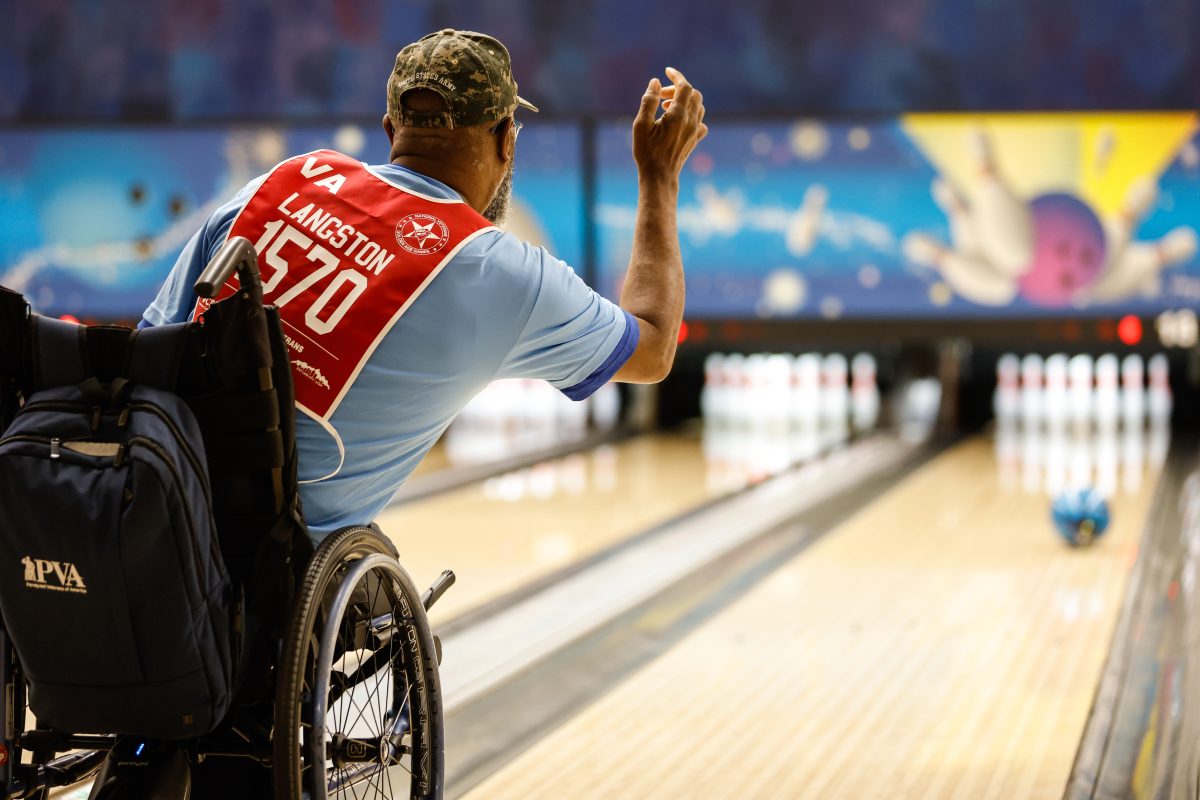
The first time a lot of veterans hear about adaptive sports is from another veteran, usually in passing. Someone who mentioned a wheelchair rugby camp or a ski clinic like it was obvious information, not a revelation.
That’s a gap worth closing. There are real programs, with real funding and real referral pipelines, that most eligible veterans have never heard of. This piece is an attempt to fix that.
1. The VA’s Adaptive Sports Grant Program
The VA has put more than $119 million into adaptive sports over the past nine years. In 2026, another $16 million in grants went out to national, regional, and community organizations running programs across the country. That money covers archery, cycling, wheelchair softball, hunting, fishing, and about two dozen other activities, depending on the grantee. The full list of current recipients is at va.gov/adaptivesports.
The entry point, if you’re a veteran with a service-connected disability, is your local VA medical center. Many can issue direct referrals into funded programs at no cost to the veteran. If yours hasn’t mentioned it, ask specifically about the Adaptive Sports Grant Program by name.
2. Paralyzed Veterans of America
PVA has been running adaptive sports programs for close to 80 years. Between January and July 2026 alone, the organization hosted 30 events from California to Maine, including a wheelchair rugby invitational, paracycling camps, a bass fishing tournament series, adaptive pickleball, and wheelchair basketball. That’s not an annual calendar. That’s a six-month window.
Earlier this year, PVA testified before the Senate Committee on Veterans’ Affairs specifically on adaptive sports as a rehabilitation tool, framing these programs as clinical interventions, not recreational add-ons. For veterans with spinal cord injuries or diseases, PVA is also the organization that secured over $1.2 billion in benefits for veterans and their families and provided $32.8 million for home accessibility modifications and vehicle adaptations in 2022 alone. Sports is one part of a much larger support structure. Find them in the MRC Resource Directory or at pva.org.
3. America’s Warrior Partnership
AWP doesn’t run adaptive sports programs directly, but they’re often how veterans get connected to them. David Charbonnet, a former Navy SEAL who was paralyzed from the waist down after a training jump, found paracanoe during his recovery. AWP secured funding for his coaching and he went on to compete in the 2024 ICF Paracanoe World Championships. He’s currently training toward the 2028 Paralympics.
That’s what AWP does: their network of social workers operates a 24/7 support line, covers all 50 states and territories, and has handled more than 160,000 individual cases since the organization’s founding. They don’t just refer veterans to programs. They stay involved throughout the process. Find them in the MRC Resource Directory or at americaswarriorpartnership.org.
4. The Warrior Games and the Invictus Games
Both events get framed as elite competitions, which undersells what they actually are for most participants. The Invictus Games, now in its seventh edition, drew 500-plus competitors from 25 nations across 11 sports. The DoD’s Warrior Games runs parallel to it domestically. Research published in the Journal of Military, Veteran and Family Health found that participation in events like these is associated with post-traumatic growth and improved mental and physical health outcomes that extend beyond the duration of the games.
Getting to that stage takes time and a referral pathway, but for veterans who are already engaged in adaptive sports locally, these events are a real destination.
5. PGA HOPE
PGA HOPE (Helping Our Patriots Everywhere) runs a 6-8 week adaptive golf curriculum through PGA Professionals trained in both adaptive technique and military cultural competency. It’s free to veterans, funded by PGA REACH, and operates under a formal agreement with the VA that enables direct referrals from VA medical centers. Golf is on the VA’s referral list as a form of therapy, which means a VA provider can write the referral the same way they’d refer someone to physical therapy. To find a local clinic, visit pgareach.org/hope.
What changes when veterans compete
The research around adaptive sports tends to focus on mental health outcomes, which is valid, but veterans who’ve gone through these programs usually describe something more specific: they stopped being defined by what they couldn’t do. That shift doesn’t come from a pamphlet or a therapy session. It tends to come from showing up somewhere and finding out you can still compete.
One veteran who competed with Team U.S. at the Invictus Games put it plainly in a Wounded Warrior Project account of the Games: “Adaptive sports is the only area where I don’t feel blind or disabled. We’re all competing, we’re all one huge family.”
If you know a veteran who might benefit from any of these programs and hasn’t heard of them, that’s the referral worth making.
For a full directory of veteran-focused resources and programs, including Paralyzed Veterans of America and America’s Warrior Partnership, visit Mission Roll Call’s Resource Directory.