Transitioning from military service to civilian life is a major milestone, and while it comes with exciting opportunities, it can also bring some financial challenges. Nearly 70% of veterans leave the military with some form of debt, and many face hurdles like unemployment, underemployment, or a lack of financial literacy.
At Mission Roll Call, we believe financial freedom is within reach and it starts with a solid, step-by-step plan. If you’re preparing for retirement or separation from the military, here are five key financial areas to focus on as you build your civilian future.
- Understand Your True Income Needs
Before you jump into a job search or make major financial decisions, take time to map out what you need.
- What retirement or disability income will you have?
- How much additional income will your family need to maintain your desired lifestyle?
- Does your current education and experience support this income level?
Answering these questions gives you a realistic baseline to work from. If there’s a gap between your expected income and your goals, now is the time to invest in yourself, whether through further education, certifications, or new skill development.
- Start Saving and Investing Early
Once you know your income goals, the next step is building a smart savings and investment plan. The earlier you start, the more time your money has to grow. Common tools include:
- 401(k) accounts, especially those offering employer matching which translates to free money. Be sure to ask about matching requirements and vesting periods.
- Traditional IRAs and Roth IRAs, which offer different tax advantages depending on your income and retirement strategy.
Every year, these accounts have contribution caps based on your age and income, so setting up automatic contributions can help you stay consistent without even thinking about it.
- Protect Your Family’s Future
One of the most important — but often overlooked — financial moves you can make is protecting your family with insurance. Life insurance, in particular, ensures your loved ones won’t struggle with debt or lost income if something happens to you.
Here’s a tip: Apply before you leave the military if possible. Many companies offer better rates when you’re still active duty and in good health.
- Get Professional Help (and Do Your Research)
Financial planning can feel overwhelming, and that’s okay. You don’t have to do it alone. A reputable financial planner can help you:
- Develop an investment portfolio
- Choose the right insurance options
- Build a savings plan
- Make smart 401(k) and IRA decisions
When choosing a planner, do your homework.
- Look for high reviews and trusted referrals.
- Ask questions about savings account interest rates, IRA fund strategies, contribution limits, and more.
- Remember: You’re working hard for your money. Make sure your money works just as hard for you.
- Tackle Debt and Expenses Head-On
Finally, a major key to financial freedom is mastering your current expenses. Start by creating a full list of your family’s monthly costs: mortgage or rent, utilities, loans, credit cards, subscriptions, groceries, entertainment — everything.
(Heads up: This part can be eye-opening. You might be surprised how much you’re spending on streaming services or convenience purchases.)
Once you see where your money is going:
- Cut unnecessary expenses.
- Create realistic budgets for major categories like food, self-care, and recreation.
- Tackle high-interest debt first, then roll payments toward your next loan in a process often called the debt snowball or debt avalanche method.
Reducing your monthly obligations not only frees up money for savings and investing, but it also gives you more flexibility and peace of mind.
Watch the Full MRCU Video on Financial Readiness
For a deeper dive into these five financial areas — and real-world advice from veterans who have been through the transition — check out our full video below!
Financial security doesn’t happen overnight but with thoughtful planning, steady action, and a willingness to ask for help when needed, it’s absolutely achievable.
By identifying your income needs, investing wisely, protecting your family, finding trusted advisors, and managing debt, you can build a strong foundation for your civilian life and beyond.
And remember, you’re not alone. Every veteran faces challenges in the transition to civilian life, but your service has already proven your ability to meet tough goals head-on. Financial freedom is just another mission and with the right plan, you can absolutely accomplish it.
Looking for more financial tips and resources? Subscribe to Mission Roll Call University (MRCU) and check out our next video on financial planning strategies for veterans!
Since Congress passed the Real ID Act in 2005, states have worked to make driver’s licenses and identification cards more secure. Starting May 7, 2025, the federal government will require a Real ID-compliant ID to board domestic commercial flights and access certain federal facilities, including military bases.
This update has caused some confusion, especially among veterans. Here’s what you need to know.
What is a Real ID?
A Real ID is a state-issued driver’s license or identification card that meets federal security standards. You can usually identify it by a star in the upper right corner of the card.
Beginning May 7, 2025, you will need a Real ID or an acceptable alternative to:
- Board a domestic flight (TSA checkpoint)
- Enter certain federal buildings
- Access military installations
Do Veterans Need a Real ID?
Not necessarily. Veterans can use other federally accepted forms of ID, including:
- A U.S. passport
- A Department of Defense (DoD) issued military ID card (for active-duty, retired military, and certain reservists)
- A Veteran Health Identification Card (VHIC) for VA medical facility access, which is also accepted at TSA checkpoints if you are enrolled in VA health care
- A Department of Homeland Security Trusted Traveler card such as Global Entry, NEXUS, or SENTRI
If you have any of these forms of ID, you likely do not need to obtain a Real ID, unless you prefer to consolidate your identification or would rather not carry your passport or military ID when traveling.
Special Considerations for Veterans
Some veterans may not qualify for a military retiree ID or VHIC, especially if they are not enrolled in VA health care or do not meet DoD eligibility requirements. If that is the case, and you still want to fly domestically or access federal buildings, a Real ID will be required.
Additionally, access to military bases for veterans without a DoD ID card often depends on base-specific policies, even with Real ID. Veterans using a VHIC are often required to pre-enroll in the Defense Biometric Identification System (DBIDS) for access.
Bottom Line
- Veterans with a military ID or passport are covered.
- If you don’t have one of those, or want to simplify travel, get a Real ID before your trip.
- Check with your local DMV or VA office to confirm what you need.
At Mission Roll Call, we’re here to help veterans and their families stay informed about changes that impact their daily lives. We encourage you to check with your local DMV or VA representative to ensure you have the proper identification in place, or you can learn more here.
May is Military Appreciation Month—a time to reflect on the courage, sacrifice, and service of our military members and their families. Across the country, businesses are showing their gratitude with special offers and discounts. Whether you’re shopping for gear, planning a family getaway, or simply enjoying a night out, here are some of the top deals available to active-duty service members, veterans, and their families this May.
Retail & Apparel
84 Lumber
This May, 84 Lumber is doubling its usual military discount to 20% for all in-store purchases made by veterans and active-duty service members.
Academy Sports + Outdoors
Enjoy 10% off your entire purchase in-store or online now through July 4.
Adidas
Military members receive 30% off online and in-store purchases, and 15% off at outlet locations with ID verification.
Levi’s
Get 15% off Levi’s products both online and in-store with a valid military ID.
Sleep Number
Now through June 16, veterans and service members get 5% off sale prices on Sleep Number beds and accessories.
Entertainment & Travel
Blue Star Museums is a collaboration among the National Endowment for the Arts, Blue Star Families, the Department of Defense, and museums across America to offer free admission to the nation’s active-duty military personnel, including the National Guard and Reserves, and their families. The 2025 Blue Star Museums program begins on Armed Forces Day (May 17) and ends on Labor Day (September 1).
SeaWorld & Busch Gardens
Veterans and up to three guests can enjoy free one-day admission. Tickets must be reserved online by May 11 and used by July 6. Active-duty personnel and their families receive free admission year-round.
Vail Resorts
Veterans and active-duty members can purchase a discounted Military Epic Pass for the 2025/2026 ski season, starting at $185. Discounted family passes are also available.
Home & Services
ZIPS Cleaners
All month long, ZIPS Cleaners is offering 10% off uniform cleaning for military members and veterans.
84 Lumber – Community Engagement
In addition to retail discounts, 84 Lumber is sponsoring the National Memorial Day Concert, airing May 25 on PBS at 8 p.m. EST.
Final Thoughts
These are just a few of the many ways businesses are giving back to those who have given so much. Be sure to check with local stores, restaurants, and online retailers for more offers—many provide discounts year-round for military members and veterans.
Before you go, don’t forget to bring your military ID or verification when redeeming these offers.
From all of us at Mission Roll Call—thank you for your service.
April was all about honoring the heart of military life—our families. As we recognized the Month of the Military Child, Mission Roll Call focused on the unsung heroes growing up in the shadow of service: military children. These resilient young people face frequent moves, long deployments, and the everyday realities of life with a parent in uniform. This month, we celebrated their strength, shared critical resources, and spotlighted the support systems that lift them up.
But we didn’t stop there. April was also a month of action, highlighting legislative updates, reflecting on military innovations that changed the world, and elevating veteran voices around issues that matter most.
Here’s what you might have missed:
Honoring Military Children and Families
We were proud to spotlight this year’s recipients of Operation Homefront’s Military Child of the Year Awards—young leaders whose achievements reflect the unique challenges and strengths of military life. Meet the winners and learn more about their inspiring stories:
2025 Military Child of the Year Award Winners
We also took a deeper look at the resources available to military children and families, breaking down the organizations, benefits, and support systems that help them thrive:
A Deep Dive into Support for Military Children
And we highlighted the vital work of the National Military Family Association, a nonprofit that has been advocating for military families for over 50 years:
Learn More About NMFA
The Lasting Mission Podcast: Healing, Surfing, and Service
This month’s episodes of The Lasting Mission podcast took listeners from legacy-focused scholarships to the healing power of the ocean.
– In one episode, Sean Corrigan of the Special Operations Warrior Foundation shared how his organization honors fallen heroes by supporting their children’s education:
Listen to the episode
– In another, Van Curaza and John Hallet of Operation Surf explored how surfing can help veterans recover from trauma and find purpose after service:
Tune in here
MRC in the Media: Your Voice on the National Stage
Mission Roll Call CEO Jim Whaley appeared in several national outlets this month to speak on urgent issues impacting veterans:
– The National Desk: Over a dozen bills introduced to improve VA services »
– NewsNation: Addressing concerns over VA staffing cuts »
– The National Desk: Fighting to restore gun rights stripped without due process »
– The Washington Examiner: Expanding due process for veterans deemed incompetent »
From the Blog: History, Policy & the Pulse of the Community
– What the Executive Order on DEI Means for Veterans »
– M&M’s and Military History »
– The Sticky Truth: How Super Glue Saved Lives in Combat »
– VASP Program Ending May 1—What It Means and What’s Next »
– VA Survey Results Recap: What Veterans Are Saying »
Speak Up: Ongoing Community Survey
We’re continuing to collect feedback on how veterans and their families are being affected by recent VA staffing changes and budget shifts. Make your voice heard:
Take the survey
Looking Ahead: Mental Health, Suicide Prevention, and Military Appreciation Month
May brings Military Appreciation Month and National Mental Health Awareness Month. At Mission Roll Call, we’ll be turning our focus to suicide prevention, emotional wellness, and the power of connection. Through podcast episodes, new MRCU videos, and stories from the veteran community, we’ll continue our mission to connect, educate, inform, and empower.
April is the Month of the Military Child—a time to honor the resilience, strength, and sacrifices of military-connected children and their families. These young individuals often navigate unique challenges, such as frequent relocations, parental deployments, and adapting to new schools and communities. Supporting them isn’t just a gesture of appreciation—it’s critical to their well-being and success.
At the forefront of these efforts stands the National Military Family Association (NMFA), an organization dedicated to ensuring that military families have the support they need to thrive.
If you’re looking for a deeper dive into the challenges military children face and the resources available to help them succeed, be sure to check out Mission Roll Call’s guide to supporting military children.
A Legacy of Advocacy and Support
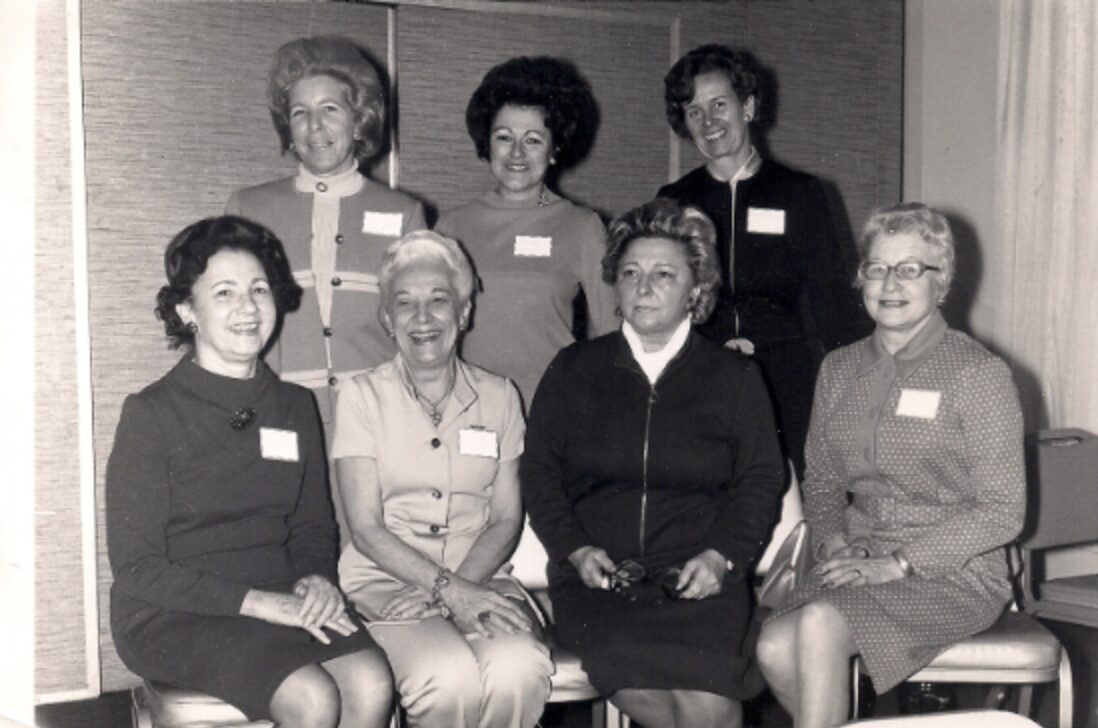
Founded in 1969 by a group of military spouses who were determined to secure financial protections for widowed friends, NMFA has grown into a powerful voice for all military families.
Their mission is clear: to stand up for, support, and enhance the quality of life for every military family through bold advocacy, innovative programming, and dynamic solutions. For over five decades, they have been a cornerstone of empowerment, offering resources that address the real, evolving needs of service members’ families.
Empowering Military Children Through Operation Purple®
One of NMFA’s flagship initiatives is the Operation Purple® program, a series of experiences designed specifically for military children and families. These programs recognize that military life presents extraordinary challenges—and that building resilience begins with connection, adventure, and community.
Highlights of Operation Purple® include:
Operation Purple Camp: A free, week-long summer camp where more than 1,600 military kids annually meet peers who understand their journeys. Through activities like kayaking, zip-lining, and horseback riding, kids strengthen their coping skills and form lifelong bonds.

Operation Purple Family Retreats: These retreats offer families a space to reconnect and heal after a deployment. Through structured activities and time in nature, families rebuild relationships and share meaningful experiences together.
Operation Purple Healing Adventures: For families of wounded, ill, or injured service members, these healing retreats help navigate a new path forward, blending fun and healing in a supportive environment.
Programs like Operation Purple® remind military children and their families that they are seen, valued, and not alone.
Strengthening Military Spouses and Families
Military spouses are the backbone of their families, often balancing career ambitions with the realities of frequent moves and unpredictable schedules. NMFA’s Military Spouse Scholarship Program provides critical financial support—ranging from $500 to $2,500—for spouses pursuing higher education, professional licenses, or certifications. This not only empowers spouses but also strengthens the entire family’s financial stability.
Recognizing the ongoing childcare challenges faced by military families, NMFA also launched the Child Care Fee Relief Program. By offering reimbursements for childcare expenses related to work or education, the program eases one of the most pressing burdens military families face today.
Giving Families a Voice
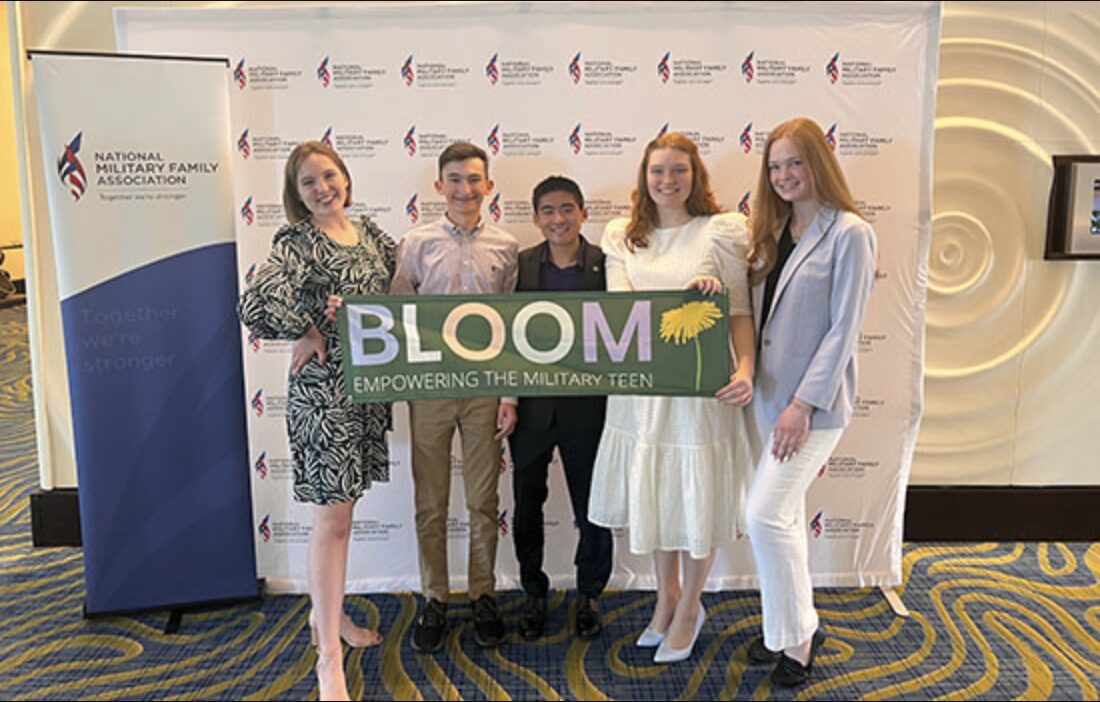
NMFA’s impact extends beyond direct support. They conduct critical research—including the Military Teen Experience Survey—to capture the real experiences and needs of military families. These insights inform not only NMFA’s programming but also broader national conversations about how we can better serve those who serve.
Why Supporting Military Families Matters
The experiences of military families are often shaped by:
- Frequent relocations, which can disrupt education, friendships, and community ties.
- Parental deployments, which can lead to emotional stress, anxiety, and difficult transitions.
- Educational disruptions, as children must adjust to new schools, curricula, and social environments—sometimes multiple times over the course of their childhood.
The right support can make all the difference. Programs like those offered by NMFA help military families build resilience, maintain stability, and pursue opportunities that might otherwise feel out of reach.
Join the Mission
Supporting military families is a shared responsibility, and every action counts. Whether through donations, volunteering, or simply raising awareness, we can all play a role in ensuring military families feel valued and supported.
This April, as we celebrate the Month of the Military Child, we honor not just the resilience of these extraordinary young people but the organizations like NMFA that stand behind them every day.
Learn more about NMFA and how you can get involved at www.MilitaryFamily.org.
Super Glue is one of those household items that quietly does its job — no fuss, no spotlight. However, few people know that its origins are deeply rooted in wartime innovation and that it once played a critical role in saving lives on the battlefield.
Cyanoacrylate — the compound that makes Super Glue what it is — was first discovered in 1942 by Dr. Harry Coover. At the time, he wasn’t trying to make an adhesive at all. He was looking for materials to build clear plastic gun sights for World War II. But the formula stuck, literally, and its potential couldn’t be ignored.
Super Glue, as we know it, hit the consumer market in the late 1950s, but it wasn’t long before military medics found a new use for it in Vietnam. Faced with traumatic injuries, heavy blood loss, and limited access to surgical care in the field, some medics began using Super Glue to seal open wounds and stabilize patients long enough to get them to real treatment. It wasn’t FDA-approved for medical use, but in a combat zone, innovation often comes before regulation.
Stories from the Vietnam War describe how these tiny tubes of glue became unexpected lifelines. A quick application could help stop bleeding, prevent infection, and buy precious time. While it wasn’t a permanent fix, it was often the difference between life and death.
That same spirit of ingenuity — taking what you have and making it work — has long been part of military culture. From turning socks into water filters to fashioning antennas out of coat hangers, service members have always found a way. Super Glue is just one example of how creativity, necessity, and courage come together in moments that matter.
Today, medical-grade versions of Super Glue are used in hospitals and operating rooms across the world. But it all started with an accidental discovery during wartime and a battlefield workaround by medics who refused to give up.
This is just one of the countless stories hidden in the folds of 250 years of military history — small but powerful reminders of the grit and resourcefulness that define our armed forces.
View the full timeline and join Mission Roll Call in honoring stories like these. Support the $25 for 250 campaign and help us preserve the legacy of those who served and the tools, traditions, and tenacity that helped them come home.
Since taking office in January, the new administration has signed more than 100 executive orders, shaping policies that directly affect public servants, including military members, veterans, and the organizations that support them. Amplifying the voices of veterans and their families for positive change is central to Mission Roll Call’s mission. In the face of new policies, we aim to be mindful of how to implement these orders in ways that are consistent with this mission.
In this article, we discuss President Trump’s executive orders focused on diversity, equity, and inclusion (DEI). We will examine the intent and purpose of these orders and where they fit in the larger picture. Following this background is a discussion and critique surrounding the removal of important stories from the US military’s history—stories we believe should remain prominent in public-facing government platforms.
What is the Executive Order?
The new administration signed a series of executive orders to end or amend past administrative actions on diversity, equity, and inclusion initiatives (DEI). DEI broadly refers to diversity initiatives intended to prevent discrimination and foster environments that are more welcoming to people of historically marginalized communities. However, some Americans believe these initiatives can lead to accidental preferencing of the people they seek to include. Accidental preferencing occurs when seemingly neutral actions or policies inadvertently favor certain groups, undermining merit-based opportunities and fairness.
In the executive order signed on January 20, 2025 – Inauguration Day – the administration stated the rationale behind these changes: “Americans deserve a government committed to serving every person with equal dignity and respect.” To implement this EO, agencies and federal contractors are subject to the review and revision, as appropriate, of all employment practices and training programs or policies. The objective of this review is to ensure that Federal employee performance reviews “shall reward individual initiative, skills, performance, and hard work.” The intention of this order is positive. Most agree that employees, whether in the public or private sector, should be evaluated and rewarded based on their merit and skill. However, if agencies are too zealous in implementing these directives, they risk swinging the pendulum too far in the other direction.
Overzealous Implementation of this Executive Order Risks Minimizing Historic Achievements
Agencies are using their best judgment in implementing these executive orders, but the results so far are inconsistent across the federal sector. An example of this is DOD’s removal of thousands of historical images and stories from the US military’s exalted history. This decision runs contrary to the intent of these executive orders and severs important historical connections and achievements.
Everyone who serves or has served takes pride in their contributions to the military’s success and legacy. Family members tell stories of their grandparents, fathers and mothers, brothers and sisters, aunts and uncles, and more who have served with honor and distinction. The military we know today is built upon the perseverance, sacrifice, and legacy of yesterday’s heroes, no matter their immutable characteristics. There’s a saying in the infantry: there’s no color in the foxhole. The veterans and their stories that make up this history are founded in merit, skill, and dedicated service, the very qualities we seek to elevate through these executive orders. Removing important parts of this history from the ledger runs contrary to the intent of these orders. We risk losing touch with the challenges prior generations overcame that forged the most powerful military to date.
For example, images of the “Enola Gay,” the Boeing B-29 aircraft that dropped the atomic bomb on Hiroshima, were among the 26,000 images flagged for removal. This aircraft was part of one of the most well-known missions in world history, and its removal from public records would be a tragic mistake. It’s also clearly not in line with the intent of the EO. Additionally, war heroes and trailblazers, such as Black Medal of Honor recipient Army Maj. Gen. Charles Calvin Rogers and the first female fighter pilot, Air Force Maj. Gen. Jeannie Leavitt had webpages detailing their service taken down due to mentions of their race or gender. But we cannot accurately tell these heroes’ histories without mentioning elements of their identity that – while not qualifying on their own – are part of their stories of triumph. They are part of our military history and it is our duty to represent them in the fullness of who they were. It’s our collective responsibility to uphold and comply with the intent of the order—which, for veteran organizations like Mission Roll Call, means sharing the stories of service members and veterans of all genders, races, and identities.
How Can We Better Implement this Executive Order?
Throughout history, brave men and women of all backgrounds, races, and identities have served our country with dignity. It would be an injustice to them and the future generations of brave men and women to erase their role in our nation’s history.
For example, during World War I, more than 1,000 women stood up to do whatever they could for their country. The Women Airforce Service Pilots (WASP) were a group of women who trained for non-combat military missions to free up men to serve on the front lines. The WASPs rallied for 30 years to receive their rightfully earned veteran status. It would be a mistake to erase their efforts and recognition for their military service and their pioneering role in the war. This is just one of many examples of brave Americans making sacrifices for the good of our country, and it is a story based on merit and skill. This history should not be erased or removed, and to do so would be a disservice to our brave former and current service members, their families – and their legacies.
Mission Roll Call is an organization that amplifies the voices and needs of veterans and their families from all backgrounds. Many of the groups whose stories are being retold or removed are already under-resourced. Rural American Indians and Alaska Natives who serve in the military at higher rates than any other group have less access to primary care providers, with Native Americans having disproportionately worse health than any other U.S. racial group. Likewise, Black veterans are significantly overrepresented among homeless veterans and female veterans are more likely to be homeless with dependent children. Mission Roll Call will continue to advocate for all veterans, especially those from underserved communities whose stories are often overlooked. Upholding the values of equity and inclusion doesn’t require erasing history. It demands that we tell it fully, honestly, and with the respect every veteran has earned.
April is the Month of the Military Child, a time to recognize the resilience, strength, and sacrifices made by the youngest members of our military community. At Mission Roll Call, we believe that honoring veterans also means honoring their families—and that includes the millions of military-connected children who grow up navigating the unique challenges of military life. These children are often the unsung heroes of service, adapting to frequent moves, long deployments, and the emotional toll that comes with having a parent in uniform.
That’s why this April, we’re proud to shine a spotlight on the 2025 Military Child of the Year® Award winners, presented by Operation Homefront. These seven extraordinary young people, each representing a branch of the military, exemplify the leadership, courage, and community spirit we aim to amplify every day at Mission Roll Call.
Collectively, the 2025 MCOY recipients have experienced 34 permanent changes of station and endured 283 months of parental deployments. Despite these challenges, they have accumulated a remarkable 3,488 volunteer hours in the 12 months preceding their nominations. Each awardee will receive a $10,000 grant, a laptop computer, and other donated gifts, and will be honored at a gala in Arlington, VA, on April 10, 2025.
Meet the 2025 Honorees
Air Force: Sophia Pinero, 17, Ramstein Air Base, Germany
Sophia faced the tragic loss of her father, Master Sgt. Anthony Pinero, in 2023. Demonstrating remarkable resilience, she immersed herself in activities at Ramstein High School, including Air Force JROTC, where she commanded over 10 Color Guard formations. Sophia aspires to attend the United States Air Force Academy and pursue a career as an Air Force officer.
Army: Maribel Sikes, 16, Fort Knox, KY
Maribel has shown a deep commitment to service within her community. Her leadership roles and volunteer efforts have made a significant impact, reflecting her dedication to helping others. Maribel’s experiences as a military child have shaped her into a compassionate and driven individual.
Coast Guard: Ian Lindo, 17, Chesapeake, VA
Ian’s academic achievements are noteworthy; he is set to graduate as valedictorian from I.C. Norcom High School and will earn an associate degree from Tidewater Community College. His passion for civil engineering is matched by his dedication to mentoring peers and serving his community.
Marine Corps: Isabella Smith, 17, Hubert, NC
After the loss of her father, Gunnery Sgt. Brian J. Smith, in 2023, Isabella transformed her grief into leadership. She actively welcomes new students at Swansboro High School and is on track to earn an associate degree before graduating. Isabella plans to pursue a career in law and politics.
National Guard: Emily Baldeosingh, 18, Havelock, NC
As a Gold Star Family member, Emily honors her late father, Sgt. Juan Carlos Baldeosingh, through extensive community service, totaling 389 volunteer hours in the past year. She excels in athletics and academics and plans to study international business at High Point University.
Navy: Mason Mosher, 19, Marysville, WA
Mason overcame learning challenges to graduate high school at 16 and earn a bachelor’s degree by 19. While managing caregiving responsibilities at home, he dedicated 900 volunteer hours to the Navy-Marine Corps Relief Society.
Space Force: Natalia Serna, 17, Lompoc, CA
Having attended 12 schools due to frequent relocations, Natalia embraced these experiences to develop resilience and adaptability. An honor student and junior class president at Cabrillo High School, she plans to study law and political science, aiming for a future in public service.
Why It Matters to Mission Roll Call
At Mission Roll Call, our mission is to give veterans—and their families—a voice in shaping the future of this country. That voice doesn’t begin after service; it starts at home, often with the children who grow up under the shadow of deployment, PCS orders, and uncertainty. The stories of this year’s Military Child of the Year honorees are not just inspiring—they’re essential to understanding the full scope of what it means to serve.
When we advocate for veteran care, transition support, and policy reform, we are also fighting for the families who sacrifice right alongside them. We see military children as part of the broader mission—a resilient community that deserves recognition, support, and celebration.
Honoring Their Sacrifice During the Month of the Military Child
The Month of the Military Child is more than a moment on the calendar. It’s a reminder that behind every service member is a family, and within every military family is a child whose life is shaped by service. From deployments to homecomings, from missed birthdays to changed schools, their experiences are as real and impactful as those of their parents.
Mission Roll Call encourages our community—veterans, civilians, and policymakers alike—to listen to these stories. Follow the lead of these young awardees. Support the programs that uplift them. And help us ensure that the voices of military children are heard, honored, and included in the conversation.
To Sophia, Maribel, Ian, Isabella, Emily, Mason, and Natalia—thank you. Your leadership, your service, and your sacrifices make our military community stronger. You remind us all that courage doesn’t wait until adulthood. It’s already here, in every base housing neighborhood, every school on post, and every child who calls a service member “Mom” or “Dad.”
March was a month of reflection, recognition, and resilience. As we celebrated Women’s History Month, Mission Roll Call turned the spotlight on the women who have shaped military history and continue to lead the charge today—on the front lines, at home, and in their communities. From trailblazers in uniform to advocates fighting for better care and benefits, these women are rewriting the narrative of what it means to serve.
Throughout the month, we shared powerful stories, expert insights, and resources that honor the legacy and leadership of women veterans. From deep dives into military history to personal journeys of transformation and advocacy, March was a celebration of service, strength, and progress.
Women Who Changed Military History
In recognition of Women’s History Month, we published a special article honoring the women who paved the way. From the first women to enlist to those breaking new ground today, these trailblazers challenged limits, reshaped expectations, and left an undeniable mark on our armed forces. Read the article.
The Lasting Mission Podcast: Zaneta Adams on Resilience and Reinvention
In a compelling new episode of The Lasting Mission, host Britt Myers sat down with Zaneta Adams, a former Joint Counter Narcotics Task Force Agent turned veterans’ advocate.
After a career-ending injury, Zaneta faced the unknown—and emerged as a national voice for women veterans and military families. Her story is one of grit, purpose, and empowerment. Listen to the full episode.
MRC in the Media: Advocating for Better VA Services
This month, Mission Roll Call CEO Jim Whaley appeared on The National Desk to discuss over a dozen bills introduced in the House focused on improving services for veterans and their survivors.
From expanding access to care to improving claims processing and oversight, these bills represent critical steps forward—and we’re ensuring your voices are part of the conversation. See the interview.
Jim Whaley on VA Layoffs
MRC CEO Jim Whaley joined NewsNation’s Hena Doba to weigh in on the DOGE-ordered staffing cuts at the Department of Veterans Affairs. In the interview, Jim addressed the potential impact of these layoffs on the quality and accessibility of care for veterans nationwide—and why we must keep veteran voices at the center of the conversation. Watch the full interview.
Mission Roll Call University (MRCU): Leaving the Military – What You Need to Know
Transitioning from military to civilian life can be one of the most challenging experiences veterans face. In our latest MRCU video, we cover what every service member should know before making the leap—benefits, preparation tips, and how to set yourself up for long-term success.
Watch the video:
Speak Up: Our Latest Community Survey
Veterans and their families are feeling the impact of VA staffing cuts and budget shifts—but we want to hear directly from you.
How have recent changes affected your access to care, support, or benefits? Your voice shapes our advocacy: share it right here.
Looking Ahead: April is Month of the Military Child
Next month, we’ll spotlight the youngest members of the military community—our military children. From growing up with parents in uniform to navigating frequent moves and deployments, these resilient kids carry a unique kind of strength. We’ll be sharing their stories, honoring their sacrifices, and recognizing the vital role they play in the fabric of military life.
Are you part of the Mission Roll Call community? Share your voice, get involved, and help us make a difference for more veterans and their families. Thank you for being part of our mission.
At Mission Roll Call, we believe every veteran’s story deserves to be told—and remembered. Whether they served decades ago or just recently transitioned to civilian life, their experiences, sacrifices, and values shape the strength of our nation.
That’s why we’re proud to highlight the U.S. Department of Veterans Affairs’ new “Living Veteran” page, an extension of the Veterans Legacy Memorial (VLM) that empowers veterans to take charge of their own legacy while they’re still with us.
What Is the Living Veteran Page?
Traditionally, the Veterans Legacy Memorial has been a space to honor those who have passed. It’s a growing digital tribute that allows families and loved ones to share stories, photos, and memories of veterans interred in VA national cemeteries.
Now, with the launch of the Living Veteran page, that tribute expands to include living veterans. This online profile gives veterans the chance to shape how they are remembered, share their military service history, and connect with their community in a meaningful way—right now.
Each living veteran’s page includes:
- Service details such as branch, rank, medals, and deployment history
- A short biography written by the veteran
- A space for personal photos and reflection
- A guestbook for friends, family, and supporters to leave messages
Why It Matters
This update is more than just a technical feature. It’s a recognition that veterans’ stories don’t start and stop with their service, but continue to shape how we reflect on and honor service and sacrifice across the nation.
Many veterans find it hard to talk about their service or feel their experiences are misunderstood. The Living Veteran page offers a safe and accessible platform to share those moments, in their own words, on their own terms. It allows veterans to define their identity beyond the uniform, sharing what they’re proud of, what they’ve overcome, and what they stand for.
It also offers families a way to celebrate their loved ones while they’re still here, building connection and gratitude across generations.
For those of us who support veterans—through advocacy, family ties, or simply by listening—this platform helps us understand them better and honor them in more personal ways.
Who Can Create a Page?
Veterans who served in the U.S. Armed Forces and received an honorable discharge are eligible. They can create their profiles through VA.gov and will need to verify their identity through a Login.gov, ID.me, or DS Logon account.
Once the profile is created, veterans can add personal details, upload photos, and invite others to view and interact with their page. The VA moderates content to ensure accuracy and respectful engagement.
How to Get Started
If you’re a veteran ready to share your story—or you know one who should—here’s how to begin:
- Visit the Living Veteran Page on VL
- Sign in using a secure VA-approved account
- Follow the prompts to create your Living Veteran profile
- Add your service history, bio, and personal touches
- Share your page with family and friends
A Step Toward Connection
At Mission Roll Call, we work to ensure veterans and their families are seen, heard, and valued. The VA’s Living Veteran page aligns with that mission, giving veterans the microphone to tell their own stories, in their own voices.
This isn’t just about history. It’s about legacy. It’s about showing our children, our neighbors, and our nation who these men and women really are. Not just as service members, but as teachers, parents, volunteers, entrepreneurs, artists, and leaders.
In a time when connection and understanding are more important than ever, the Living Veteran page offers both. We encourage every eligible veteran to take advantage of it, and every supporter to visit, read, and share these incredible stories. Let’s honor our heroes and celebrate their lives—not just their service.
Fuel Veteran Voices
A small gift powers the research and advocacy that brings veterans to the decision-making table.
Donate $5+