10 Ways Community Resources Strengthen Whole-of-Life Care for Veterans
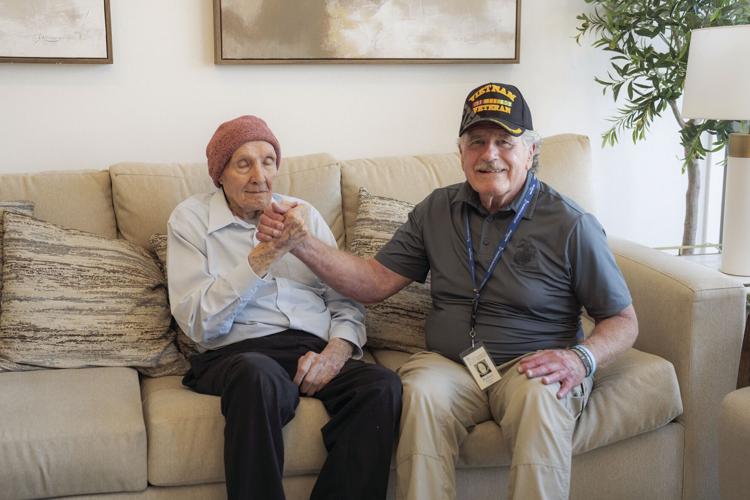
For many veterans, the Department of Veterans Affairs is the first place they turn for health care, benefits, and support. The VA plays a vital role in delivering specialized services tailored to those who have served our country. At the same time, whole-of-life care often extends beyond a single system.
Across the nation, community clinics, nonprofit organizations, telehealth providers, and peer networks are helping expand access to care. When these resources work alongside the VA, veterans gain more options, improved access, and support that addresses every dimension of life.
Here are 10 ways community resources strengthen whole-of-life care for veterans.
1. Community Health Clinics Increase Local Access to Care
The Health Resources and Services Administration supports Federally Qualified Health Centers across the country that provide care regardless of a patient’s ability to pay. These clinics often offer primary care, dental services, and behavioral health support. For veterans living in rural areas or far from a VA facility, local clinics can reduce travel time and improve consistency of care.
2. The VA Community Care Network Expands Provider Options
Through the VA Community Care Network, eligible veterans may receive care from approved local providers when certain criteria are met. This program can help reduce wait times and bring services closer to home, strengthening coordination between VA and community providers.
3. Telehealth Improves Continuity of Care
Telehealth has transformed access to health services. Virtual appointments can reduce transportation barriers, improve scheduling flexibility, and support ongoing engagement with providers. Veterans balancing work, family responsibilities, or mobility challenges often benefit from the added convenience of remote care.
4. Digital Mental Health Services Offer Privacy and Flexibility
For many veterans, particularly women veterans, accessing mental health care from home can feel more comfortable. Telehealth can support those seeking care related to trauma, military sexual trauma, or anxiety tied to clinical environments. Greater privacy and flexibility encourage more veterans to take the first step toward care.
5. Prescription Assistance Programs Support Affordability
MyRxAccessPlus helps individuals navigate prescription savings programs and identify pharmacy resources that reduce out-of-pocket costs. Improving medication affordability strengthens treatment adherence and overall health outcomes.
6. Specialized Mental Health Networks Serve Veterans and Families
The Cohen Veterans Network provides in-person and telehealth mental health care nationwide for post-9/11 veterans and their families, regardless of discharge status. Inclusive community-based networks help close gaps in access and ensure more veterans and families receive timely support.
7. Fitness and Wellness Programs Rebuild Strength and Connection
Team Red, White and Blue builds local veteran communities through fitness and social engagement. Programs such as adaptive sports, yoga, and community events promote both physical health and social connection, reinforcing the sense of purpose many veterans value.
8. Peer Support Organizations Strengthen Camaraderie
Wounded Warrior Project offers programs focused on mental health, career counseling, and peer engagement. Shared experiences matter. Community spaces where veterans connect with one another help restore camaraderie and mutual understanding.
9. Local Veteran Service Offices Provide Regional Guidance
County and state veteran service offices often maintain updated lists of local resources and can assist with benefits navigation. These offices can serve as an important bridge between federal systems and community-based support.
10. Collaboration Advances Whole-of-Life Care
Whole-of-life care includes physical health, mental wellness, employment, housing stability, financial security, and social connection. The VA remains a cornerstone of veteran support. Community providers, nonprofits, and peer networks strengthen the overall system. When these sectors collaborate, veterans gain more options, improved access, culturally competent services, and comprehensive support.
Practical Steps for Finding Care Beyond the VA
Veterans who want to explore additional options can start with a few practical steps:
- Review eligibility for VA Community Care at https://www.va.gov/communitycare.
- Search for local Federally Qualified Health Centers at https://findahealthcenter.hrsa.gov.
- Contact county or state veterans service offices for localized resource lists.
- Explore nonprofit networks which connect veterans to community-based services.
- Ask fellow veterans for recommendations. Peer referrals often lead to trusted providers.
Strengthening the Network of Care
Mission Roll Call believes veterans deserve accessible, high-quality care wherever they seek it.
By elevating awareness of community resources and amplifying veteran voices, we can help ensure no one falls through the cracks.
If you or a veteran you know is looking for support beyond traditional VA services, take the next step. Explore local resources, connect with community organizations, and share your experience. Together, we can strengthen policies and partnerships that support whole-of-life care for every veteran.