When the Community Becomes the Bridge: Inside Veterans Bridge Home
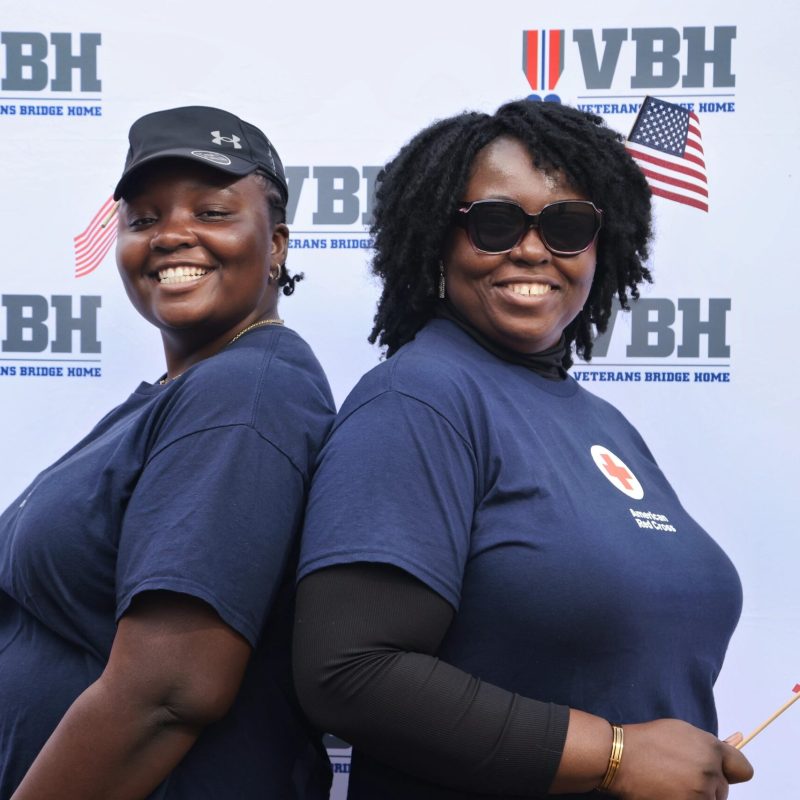
Most veteran service organizations show up with a program. Veterans Bridge Home (VBH) shows up with a question: what does this community actually need?
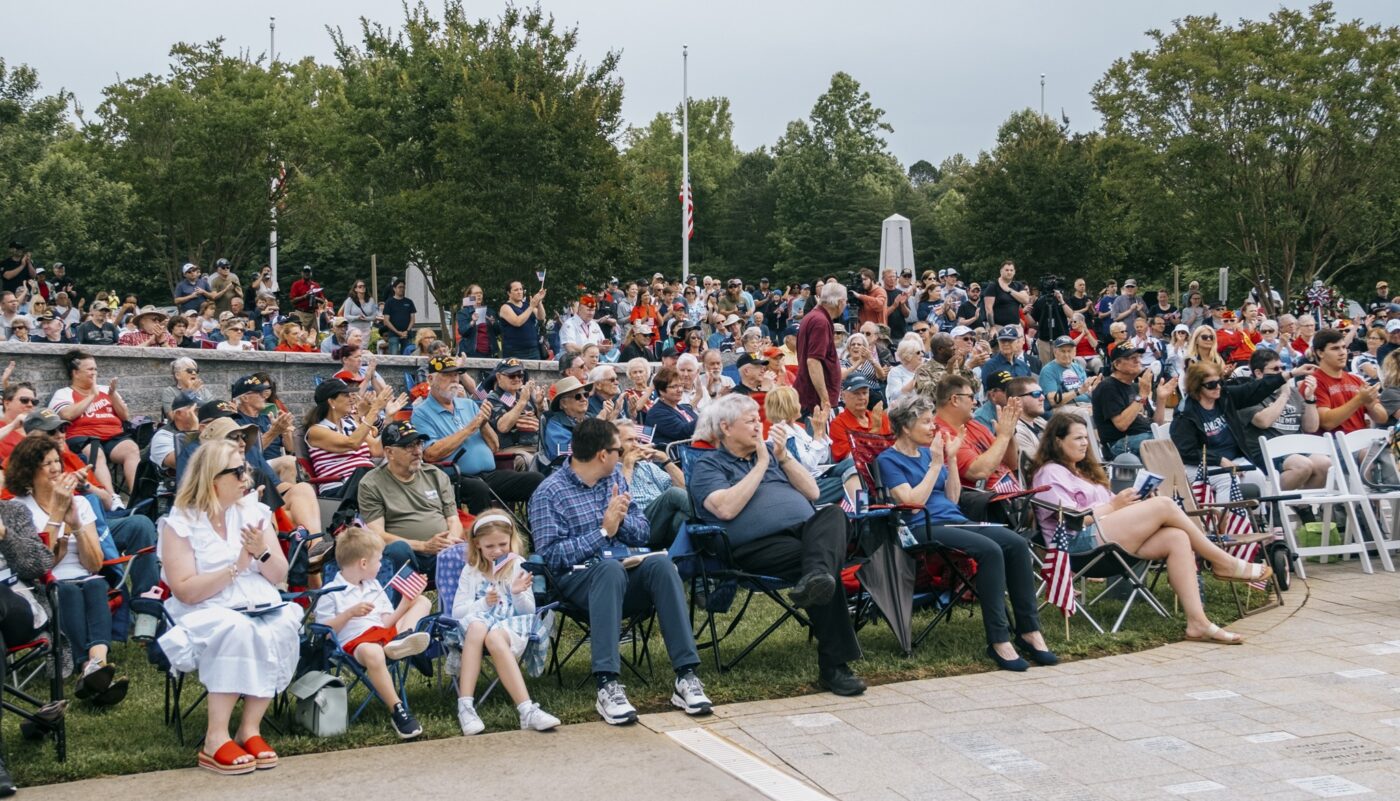
That distinction is what drew retired Command Sgt. Maj. Al Lampkins to the organization in 2021, two years after he hung up his uniform following more than 30 years in the United States Army. He had spent the time since retirement working in workforce development, helping veterans find jobs, and running into the same wall over and over. He could get a veteran employed. What he could not do, inside that lane, was address everything else making that job impossible to keep.
“I always found myself connecting them to other resources that the program I was in wasn’t providing,” he said. “I said, there has to be more to this.”
Veterans Bridge Home was the more.
How It Started
In 2011, Tommy Norman, a Special Forces veteran, and his wife Patty were living in Charlotte when they got a call about a transitioning soldier from the Fort Bragg area who had been injured and needed help settling into civilian life. They did something almost no one does. They brought the soldier’s family into their home and then three more families followed. 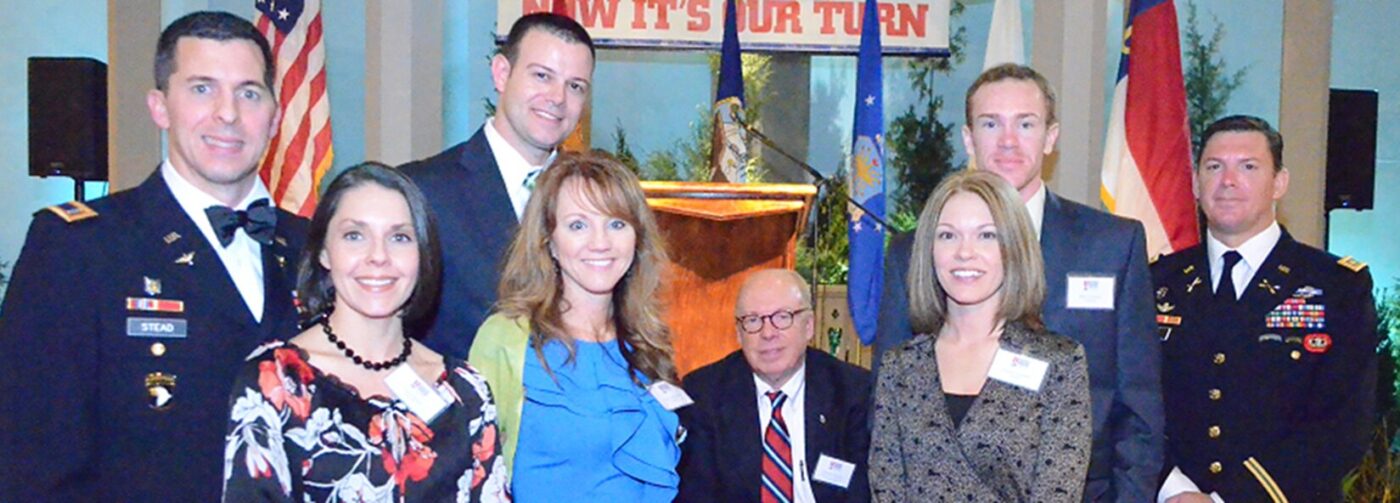
Out of those four families, and what each of them needed, came the original shape of the organization. Not a theory about what veterans require. The actual texture of four real situations sitting in someone’s living room. Today, Tommy Norman serves as an emeritus member of the board of directors, and VBH has grown into a five-region operation spanning North Carolina and South Carolina, serving veterans and military families across both states.
The Sandhills region, established in 2021 and centered on Fayetteville and Fort Bragg, covers eight counties and a veteran population of more than 92,000, not counting military family members. It is one of the largest concentrations of veterans in the country, fed by a constant cycle of service members transitioning out of one of the world’s largest military installations.
Al Lampkins runs it.
The Gap Was Never in the Services
When Al arrived in the Sandhills, he heard the same thing from nearly every organization in the area. There are gaps in services for veterans. He did not buy it.
“I didn’t believe there was a gap in services,” he said. “What I believed is that there was a gap in communication between organizations.”
That reframe is the foundation of how VBH operates in the region. The services exist. The VA, nonprofits, mental health providers, housing organizations, employment navigators, and food assistance programs are all there in the community. What has historically been missing is the infrastructure for those organizations to talk to each other, share information, coordinate care, and catch the veterans who fall between their separate lanes. 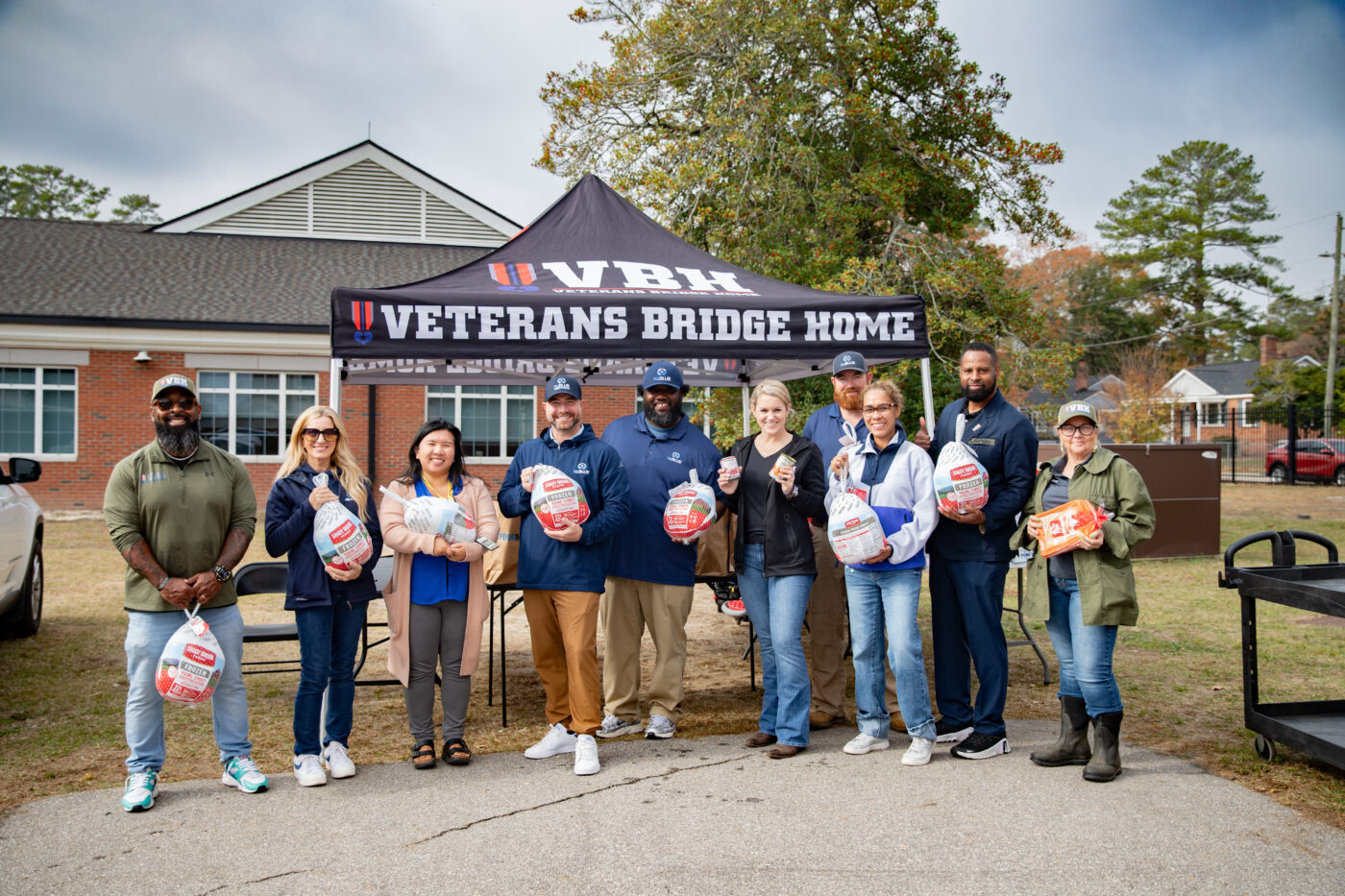
VBH’s model is built to close that gap. Al’s team includes a Care Coordination Manager who oversees the team’s caseload and care coordination process, care coordinators, a Community Engagement Manager, and a Care Navigator focused on behavioral health connections. When a veteran comes in, the coordinators do a full intake designed to surface not just the presenting problem but everything underneath it. Then they start building the web.
“With us, it’s never just one service,” Al said. “You may talk to a person and they need three or four different things.”
The Student Veteran at Fayetteville Tech
At a resource fair at Fayetteville Technical Community College, where VBH had a table alongside 20 other organizations, a director pulled Al aside. There was a student veteran in trouble. His car had broken down, he was dealing with financial pressure, and a fractured relationship with the VA after feeling misdiagnosed. The weight of it was pushing him toward dropping out of school. 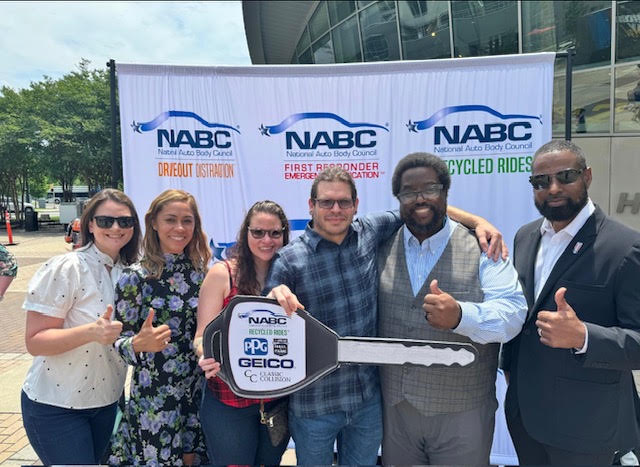
Al and his team sat down with the veteran, listened to his concerns, assessed his needs, and began working the network. Al’s direct relationship with the VA’s suicide prevention team and the facility’s executive director allowed the team to make immediate contact rather than routing the veteran through lengthy intake queues. They got him reconnected to his full care team at the VA. They referred him to the Steven A. Cohen Military Family Clinic for one-on-one mental health support to supplement what the VA was providing. A coordinator wrote up his situation and submitted it to a GEICO program that restores and donates vehicles to people in need.
He was approved, the car was donated, and he finished school.
“Because of the connectivity, he was able to finish,” Al said. “It was never just one service.”
What Housing Actually Means Here
Ask Al what the most common need is in the Sandhills region and the answer is immediate. Housing. It shows up at the top of the data every month, driven by a post-COVID housing market that has squeezed affordable inventory out of communities that were already under-resourced for the volume of veterans they absorb.
But Al is quick to complicate the number. Housing instability rarely arrives alone. It travels with behavioral health challenges, financial crises, employment barriers, and in some cases, disability. Treating the housing problem without treating what is underneath it is how veterans end up back at the same stand-down event two years in a row.
VBH holds an annual unhoused stand-down in partnership with the local VA, bringing resources together in one space for veterans who are unhoused. Al goes every year. And every year he watches the crowd for familiar faces. 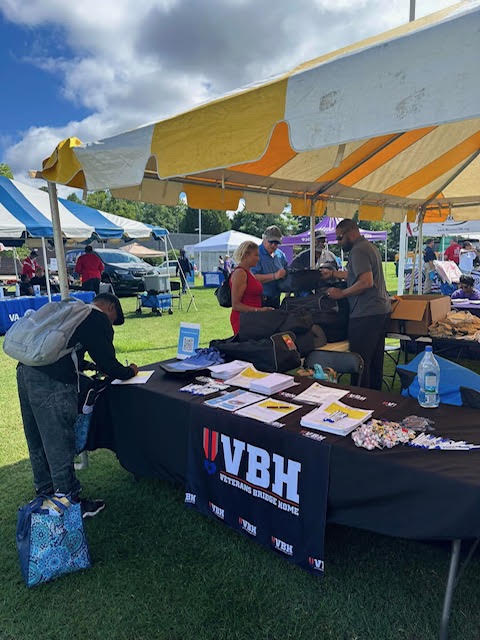
“If I see someone at the 2026 stand-down and then I see them again in 2027, somewhere along the line we failed,” he said. “Because we looked at their unhoused issue without looking at them holistically.”
His model of success is sustainability. Getting someone housed and connected to the support that keeps them housed. Getting someone employed and connected to the accommodations that keep them employed. Solving the presenting problem in a way that addresses the conditions underneath it, so the next time that veteran walks through a door, it is with a new challenge rather than the same one.
When a recently widowed military spouse was facing eviction while waiting on insurance payments and VA finances to process, Al did not look for a single organization to cover the gap. He divided the amount needed and went to work calling partners, asking each one to carry part of it. They raised the money together so she and her child could stay housed.
The Landscape Right Now
Al is careful about politics and direct about consequences. The current funding environment is hitting the organizations he depends on, and the effects are moving through the network.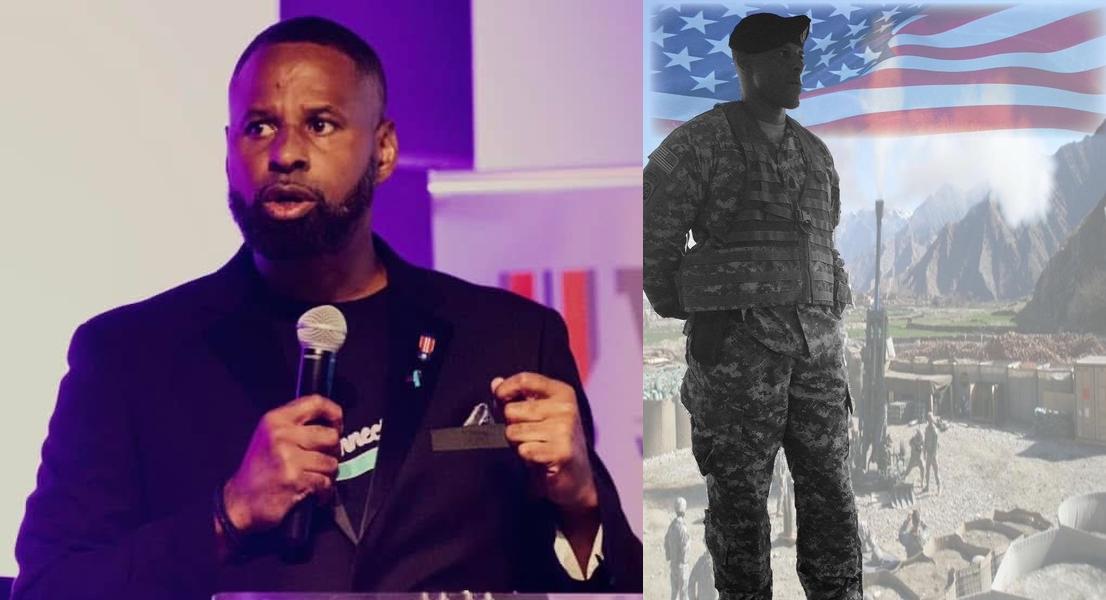
“I speak with other organizations every day, and I hear them say, ‘We just had to lay off six people because the funding is no longer available.’ When organizations lose staff, it directly affects their ability to serve the community.” He paused. “I truly believe the current funding landscape is one of the greatest challenges we are facing right now.”
What he sees on the other side of it is something he did not expect. The pressure is pushing organizations that once competed toward each other. Groups that resisted the collaboration model are now asking how to do it. The scarcity is, in a strange way, advancing the work he started when he first arrived in the Sandhills and started convening organizations around a table instead of letting them operate in separate rooms.
“We are better together,” he said. “More collaboration and less competition. And not forgetting who we serve the most.”
Not All Veterans Transition the Same
There is a version of the veteran story Al pushes back on every time he hears it. The one where everyone who served comes home broken, unemployable, and housing-insecure. He knows that story describes real people. He also knows it does not describe all people, and letting it stand as the only narrative does damage.
“Not all veterans are challenged in transition the same way,” he said. “I wasn’t hurting financially. I wasn’t homeless. But I was dealing with depression. And that was the one thing I needed help with.”
When he retired, Al had a home, healthcare, and income. What he did not have was a clear path back to the sense of purpose the Army had provided for three decades. Depression is not the crisis that makes the news, but it is the one that quietly derails the veterans who look, from the outside, like they are doing fine. 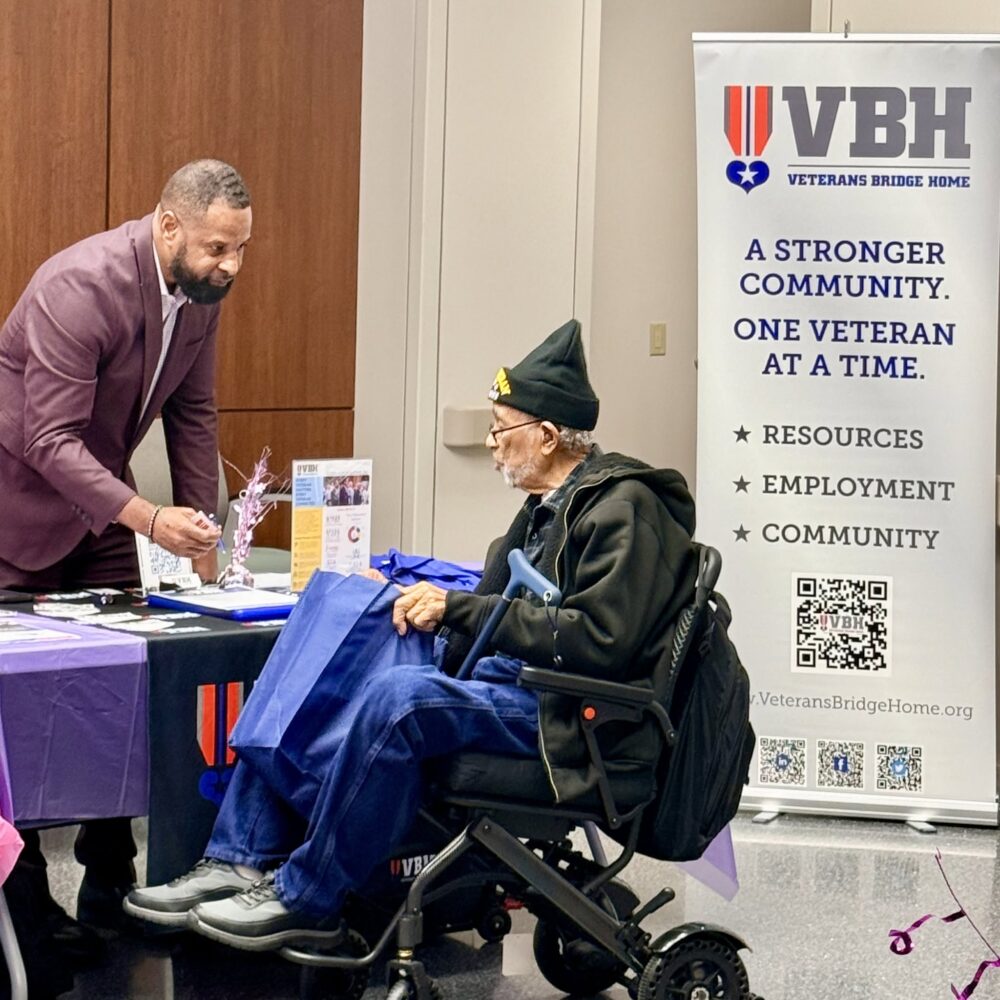
VBH is built to reach those veterans too, not just the ones in acute crisis. The intake process is designed to meet people where they are, whatever that looks like, and connect them to what they actually need rather than what the nearest available program provides.
For the veteran who has not reached out yet, who is suffering quietly or who has been let down before, Al’s message is direct.
“Don’t suffer in silence when there are resources available. And just because one organization may have failed you, continue trying. Don’t stop. Because there are organizations, and I’m proud to say Veterans Bridge Home is one of them, that is going to go 100% and fight for you.”
How to Connect
VBH serves communities across North Carolina and South Carolina through five regional markets. The Sandhills region covers Cumberland, Harnett, Hoke, Lee, Montgomery, Moore, Richmond, and Scotland counties. Veterans can request assistance at veteransbridgehome.org/request-assistance/ or by calling 866-249-6656. 
Find Veterans Bridge Home and organizations like it in the Mission Roll Call Veteran Resource Directory.
If you or someone you know is struggling, the Veterans Crisis Line is available 24 hours a day, 7 days a week. Call 988 and press 1, text 838255, or chat at veteranscrisisline.net.