A Guide to Benefits for Transitioning Service Members and Veterans: What Resources Are Available and How to Access Them
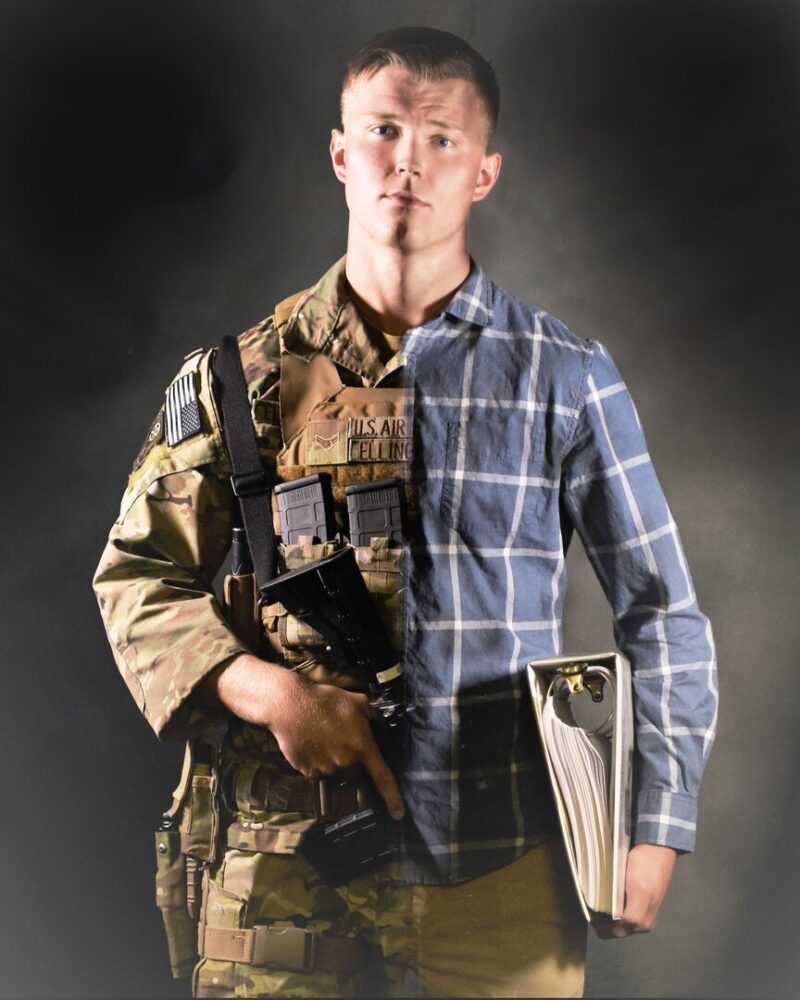
Federal, state and local agencies and nonprofit organizations across the country have long committed to ensuring our nation’s heroes have access to the resources they need to thrive after service. Through an extensive network of benefits – including healthcare, education, employment assistance, disability compensation, housing programs, career development and much more – transitioning service members and veterans have access to programs and services tailored specifically to their needs.
While benefit guidance continues to improve and expand, many service members and veterans are unaware of the full extent of resources available to them today. Thousands of resources exist to support service members throughout their transition to civilian life and provide pathways to long-term success for veterans – months, years and even decades after service.
Expanding awareness of these resources ensures every veteran makes the most of the benefits and support available to them.
A Strong Veteran Support System Already Exists
When service members transition to civilian life, they balance finding a new career, securing housing and building financial security for themselves and their families. Navigating that process can be challenging, but with a broad network of federal and state programs and community partners, no one has to do so alone.
Education & Vocational Training Assistance
One of the most impactful ways that veterans can thrive after service is through education and job training. Through the GI Bill, veterans and active-duty service members can receive up to 100% tuition assistance for college and graduate school. Eligible veterans may also receive a monthly housing allowance and stipend to cover books, supplies and equipment, making it much more attainable to pursue a degree after service. Meanwhile, for veterans who opt for a trade career after service, the GI Bill also funds vocational training, apprenticeship programs or other certification and licensing programs.
The VA’s Veteran Readiness and Employment (VR&E) program provides additional support for veterans and transitioning service members whose service-connected disabilities create barriers to employment. The VR&E offers career counseling, education, resume assistance, job training, coaching and employment accommodations, helping every veteran access employment that best suits their needs and interests.
The Department of Defense’s SkillBridge program provides another opportunity to gain valuable civilian work experience before leaving active duty. During their final months of service, eligible participants can complete internships, apprenticeships, on-the-job training or industry certification programs with approved employers while continuing to receive their military pay and benefits. By helping service members build professional networks, translate military experience into civilian careers and develop in-demand skills, SkillBridge can make the transition from military to civilian employment smoother and more successful.
Housing & Financial Assistance
Veterans looking to purchase a home also have greater access to loans and financing options through the VA Home Loan program. Eligible veterans, service members and surviving spouses qualify for VA-backed home loans with a 0% down payment and lower interest rate through approved lenders, including national and regional banks, credit unions and mortgage companies.
Housing assistance is available through more than VA-backed home loans. Veterans with certain service-connected disabilities may qualify for VA grants, such as the Specially Adapted Housing (SAH) grant, which helps eligible veterans build or modify their homes to support greater accessibility and independent living. Nonprofit organizations also help make these functional homes possible. For instance, the Gary Sinise Foundation built a custom home for Taylor Morris, a quadruple amputee injured while serving in Afghanistan.
Explore Your Financing Options Before Purchasing a Home.
VA-backed home loans, mortgage assistance programs and housing grants can help make homeownership more accessible for veterans, service members and surviving spouses.
Before applying for a mortgage, explore your eligibility, participating lenders and available housing programs through the VA to find the benefits that best fit your needs.
Finding affordable housing can be especially challenging when transitioning to civilian life, but these housing and financial assistance programs help remove barriers to homeownership and give veterans and their families the stability they need to lead fulfilling lives after service.
Integrated & Holistic Healthcare
Access to healthcare is another essential component of veteran well-being and recovery, and the VA operates the nation’s largest integrated healthcare system made specifically for veterans.
Veterans who meet service and discharge requirements have access to primary care, specialty care, preventive services, mental health treatment, prescription medications, rehabilitation services and long-term care. Veterans also have access to telehealth services and specialized programs addressing issues such as post-traumatic stress disorder (PTSD), traumatic brain injury (TBI), chronic pain and suicide prevention – something especially beneficial for the more than 4 million veterans living in rural areas where access to treatment may require longer travel distances.
Outside of traditional health and wellness benefits, veterans have access to a strong, encouraging community of veterans who understand military life and what it’s like to transition to the civilian world.
Veteran Service Organizations (VSOs) like Boots to Health Foundation, Shields & Stripes, All Vets, Arms Services Arts Partnerships, Boulder Crest and so many more organizations allow veterans to stay active and engaged through community fitness training, nutrition and life coaching, creative workshops and holistic wellness programs. Paired with integrated healthcare, these experiences help veterans improve their physical and mental health while building connections within their community and finding renewed purpose after service.
Browse through more than 100 Veteran Service Organizations on the VRD.
Whether you’re looking to build a new career, navigate your earned benefits, access treatment or connect with a supportive veteran community, the VRD makes it easier to find the programs and services that best fit your needs.
Making Resources Easier to Find
Greater awareness of these programs can open career pathways that many veterans may not realize are available. Each year, 200,000 men and women transition out of the military, and while roughly half connect with the resources and benefits available to them, too many leave the military without a clear understanding of what they’ve earned, which programs they qualify for or how to access them.
Benefit information is often spread across multiple agencies, websites and organizations, making the process difficult to navigate, especially during already stressful life transitions. While veterans are learning to navigate civilian employment, secure housing and establish new routines, they may also be managing family responsibilities, service-connected disabilities or mental health challenges.
Accessing support should simplify that transition. That’s why Mission Roll Call created the Veteran Resource Directory (VRD), a database that connects veterans to more than 100 local and national nonprofit and veteran service organizations that equip veterans with networking, career coaching and benefits navigation – often from other veterans who know what it’s like to serve and transition back to civilian life. Programs such as American Corporate Partners help veterans find their next careers after service through one-on-one mentorship, helping veterans build resumes, prepare for interviews, expand professional networks and translate military experience into civilian careers.
Why Closing the Gap Matters
Military experience develops highly valuable leadership, strategic thinking and problem-solving skills, but many veterans struggle to translate those experiences into language that employers immediately recognize. More than half of service members who transition to civilian careers earn less than what they made in their active-duty positions – not because they are unqualified, but because employers and veterans don’t accurately translate military skills to public and private sector careers.
Closing that gap starts with better guidance before service members leave the military. Clearer communication, earlier education and stronger transition support can help veterans understand how to market their skills and take full advantage of the benefits and programs available to them from day one.
Maximizing the Use of Benefits After Service
Finding stability in employment and through support programs can have a positive effect on multiple aspects of a veteran’s life.
When service members can confidently access the federal, state and local resources they earned when transitioning to civilian life, they are better equipped to build meaningful careers, support themselves and their families, achieve financial stability, remain connected to their communities and maintain an overall higher quality of life.
Ensuring those benefits are accessible and easy to navigate is the next step. Continued collaboration among government and state agencies, VSOs, employers and community partners can help close the awareness gap.