How Military Children Navigate Frequent Moves and What Schools Can Do Better
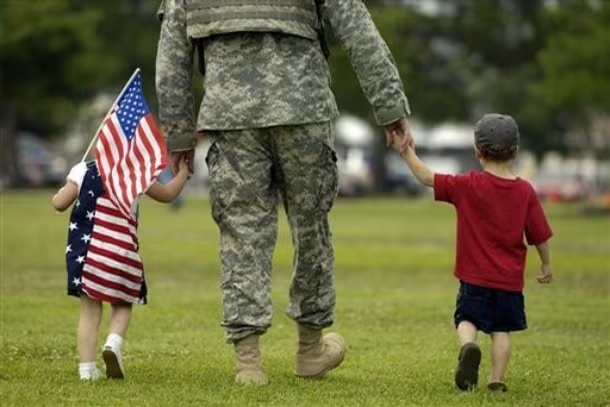
For military families, a Permanent Change of Station (PCS) is part of life. Orders come, boxes get packed, and routines shift. While adults often focus on logistics, timelines, and transitions, children experience these moves in deeply personal ways. New schools, new friendships, and unfamiliar environments become the norm, not the exception.
Military children are remarkably adaptable, but that adaptability is often shaped through repeated disruption. With the right support, especially within the education system, these transitions can become opportunities for growth rather than sources of stress.
The Hidden Weight of Starting Over
Each move asks a child to begin again. New classrooms mean new expectations, teaching styles, and social dynamics. Even confident students can feel uncertain walking into a school where everyone else already seems connected.
Academic continuity can also be a challenge. Differences in curriculum between states or districts may create gaps in learning or require students to repeat material. For older students, this can affect course sequencing, extracurricular involvement, and even graduation timelines.
Beyond academics, there is an emotional toll. Leaving behind friends, teachers, and familiar spaces can create a sense of loss that builds over time. Many military children learn to say goodbye often, sometimes before they’ve fully settled in.
Resilience, With a Cost
Military children are often described as resilient, and they are. They learn how to make friends quickly, adapt to new environments, and navigate change with a level of maturity beyond their years.
But resilience doesn’t mean the absence of difficulty. It often means learning how to cope with it. Some children may internalize stress, while others may struggle with anxiety, withdrawal, or frustration during transitions. These responses can be subtle and easy to miss in a busy classroom.
Recognizing this balance is essential. Supporting military-connected students means acknowledging both their strengths and the challenges they carry.
Where Schools Can Make a Difference
Schools play a critical role in how military children experience each move. Small, intentional efforts can create a sense of stability and belonging, even in the middle of constant change.
1. Prioritize Smooth Transitions
Enrollment processes should be streamlined to reduce delays and uncertainty. Quick access to records, flexible placement, and clear communication help students settle in faster and with greater confidence.
2. Train Staff to Recognize Military-Connected Students
Teachers and counselors who understand the military lifestyle are better equipped to support students through transitions. Awareness of deployment cycles, family separation, and frequent moves can shape a more compassionate and responsive approach.
3. Foster Inclusive Classroom Environments
Simple actions, like pairing new students with peer mentors or creating opportunities for introductions, can ease social integration. Feeling seen and welcomed can make a significant difference in a child’s adjustment.
4. Provide Academic Flexibility
Recognizing differences in curriculum and pacing is essential. Offering support for gaps in learning or flexibility in assignments allows students to catch up without feeling penalized for circumstances beyond their control.
5. Strengthen Emotional Support Systems
Access to school counselors, support groups, or programs specifically designed for military-connected students can provide a safe space to process change. Encouraging open conversations about transition can help normalize the experience.
6. Build Strong School-Family Communication
Military families often arrive with limited time to prepare. Clear, consistent communication from schools helps parents advocate for their children and stay informed during periods of adjustment.
Looking Forward
Military children bring unique perspectives into the classroom. They often carry a global awareness, adaptability, and strength that enrich school communities. With the right support systems in place, schools can help ensure that these students not only adjust but thrive.
Putting kids first means recognizing that every PCS move is more than a relocation. It is a transition that shapes a child’s education, relationships, and sense of stability. By creating environments that are responsive, inclusive, and understanding, schools have the opportunity to turn constant change into a foundation for growth.
Because when military children are supported, they don’t just navigate change. They learn how to succeed through it.
Military children don’t have to navigate these transitions alone. There are resources out there designed just for them, whether they’re adjusting to a new school, missing friends, or settling into a new community.
Visit our Resource Directory and try searching for terms like “kids,” “youth,” or “military families” to find support, programs, and communities that understand their experiences.