Supporting Veterans Beyond Remembrance: 7 Ways to Show Up Year-Round
Every September, the country pauses to remember Sept. 11, 2001, and increasingly, to talk about veteran suicide prevention during Suicide Prevention Month. Both deserve the attention they get. But veterans and the organizations that serve them consistently point to the same gap: remembrance tends to spike in September and fade by October, while the needs it points to, mental health, connection, caregiving, financial stability, do not follow a calendar.
The number that makes this most concrete comes from the VA’s own data. An average of 17.5 veterans died by suicide per day in 2023, according to the 2025 National Veteran Suicide Prevention Annual Report, and 61% of them were not receiving VA health care in the last year of their life. That gap is exactly where community support, peer networks and consistent, year-round engagement matter most. Here are seven ways to support veterans that go beyond a single day of remembrance.
1. Connect a veteran to peer support
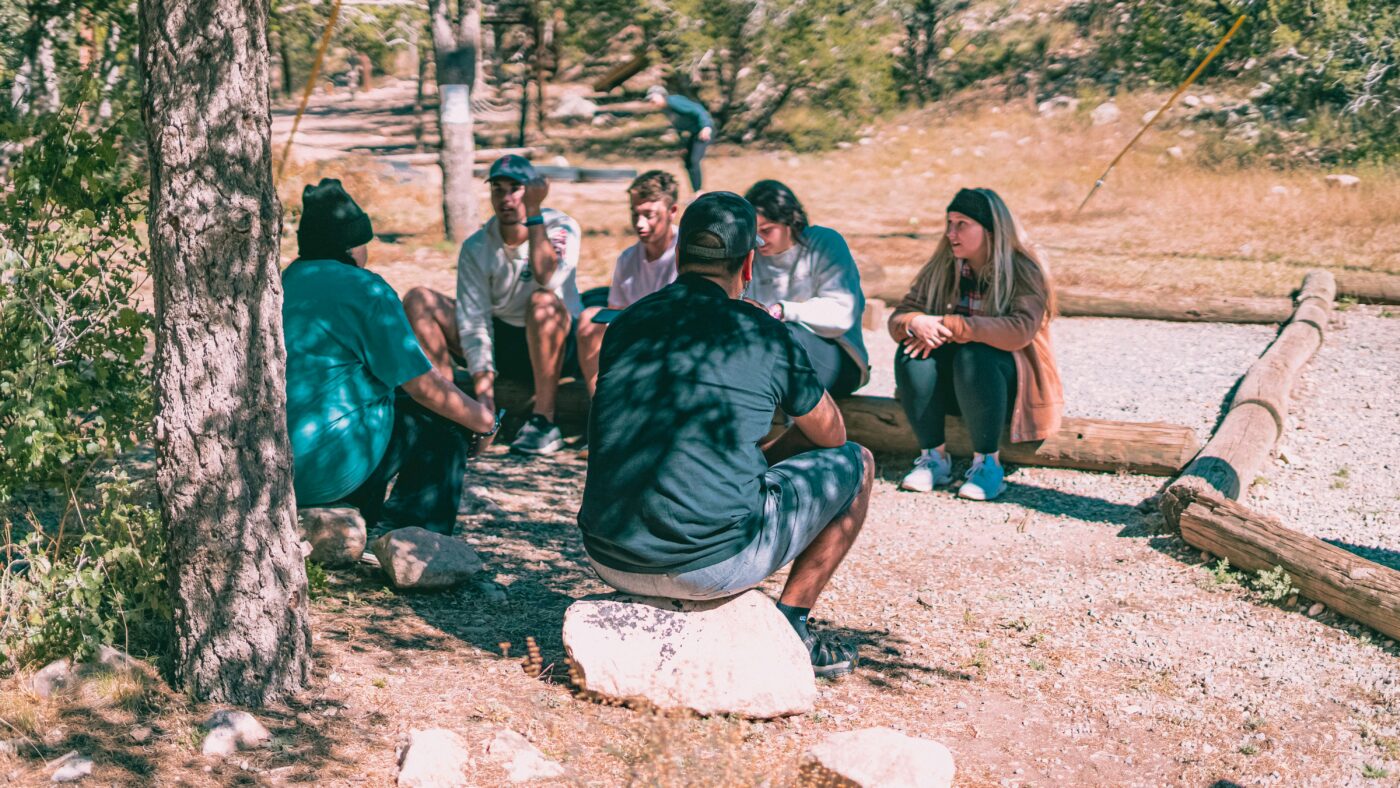
Crisis lines save lives and belong in every conversation about veteran suicide. But peer-to-peer programs, where veterans support other veterans who understand military culture firsthand, have been shown to reduce isolation and encourage veterans to seek treatment before a crisis point, according to the Elizabeth Dole Foundation. Groups like Team Red, White & Blue build ongoing local and virtual communities around fitness and connection. If you know a veteran who seems isolated, a direct invitation into a community like this can matter more than a general offer of help.
2. Support the caregivers
An estimated 5.5 million people care for a veteran or service member in the U.S., often with little formal training, support or recognition. Organizations focused on military and veteran caregiving exist because caregivers are frequently the first to notice warning signs in a veteran’s mental health and are among the most under-resourced people in the room. Search the “Caregiver” category in Mission Roll Call’s Veteran Resource Directory to find support near you. Supporting a caregiver, through respite time, a meal, financial help or simply checking in, is, in effect, supporting the veteran too.
3. Give beyond September
Consider setting up a recurring monthly donation to a vetted veteran-serving organization rather than a one-time gift in September. Recurring support gives organizations the ability to plan programs year-round instead of scrambling every fall. Stack Up and Mission 22 are two organizations built specifically around sustaining year-round engagement on veteran mental health and suicide prevention.
4. Learn secure firearm storage and talk about it without judgment
Firearms were involved in 73.5% of veteran suicide deaths in 2022, according to VA data, a rate significantly higher than among non-veteran adults. The VA has made secure firearm storage a central pillar of its suicide prevention strategy, not as a political statement but as a practical, proven way to add time and distance between a veteran in crisis and a lethal means. Community gun shops, ranges and organizations increasingly offer free or low-cost storage devices. Normalizing that conversation, the same way you’d normalize a seatbelt, can save a life in a moment that otherwise cannot be undone.
5. Help with the unglamorous logistics of transition and benefits
VA benefits do not activate automatically, and the paperwork is often the first place veterans disengage from support. Volunteering with a veteran service organization’s benefits navigation program or simply helping a veteran in your life gather military medical records and file a claim, addresses a concrete, solvable problem. It is not as visible as a memorial ceremony, but it is often more useful. Mission Roll Call’s directory includes organizations searchable under “Benefits” and “Transition.”
6. Show up for employment
Underemployment among post-9/11 veterans can persist for years after separation and is linked to depression, anxiety and worse health outcomes, according to a Penn State study tracking roughly 3,000 veterans. If you’re a hiring manager, business owner or HR professional, learn how to read a military resume for what it actually represents, rather than screening it out for missing civilian keywords. Employment-focused organizations, including Travis Manion Foundation, which absorbed The Mission Continues in 2025, can help bridge that gap on both sides. Search “Employment” in Mission Roll Call’s Veteran Resource Directory to find options in your area.
7. Find a local, sustained ways to serve
Not every form of support scales to a national campaign. Volunteering consistently with one local organization, rather than spreading attention thin across many causes each September, tends to build the kind of relationship that notices when something is wrong.
None of these require a uniform, a title or a budget. They require follow-through, in October and February and June, not only in September. That is what supporting veterans beyond remembrance actually looks like.
If you or someone you know is a veteran in crisis, the Veterans Crisis Line is available 24/7 by calling 988 and selecting 1, texting 838255, or chatting online at veteranscrisisline.net.