Ways Veterans Can Keep Serving Through Elections
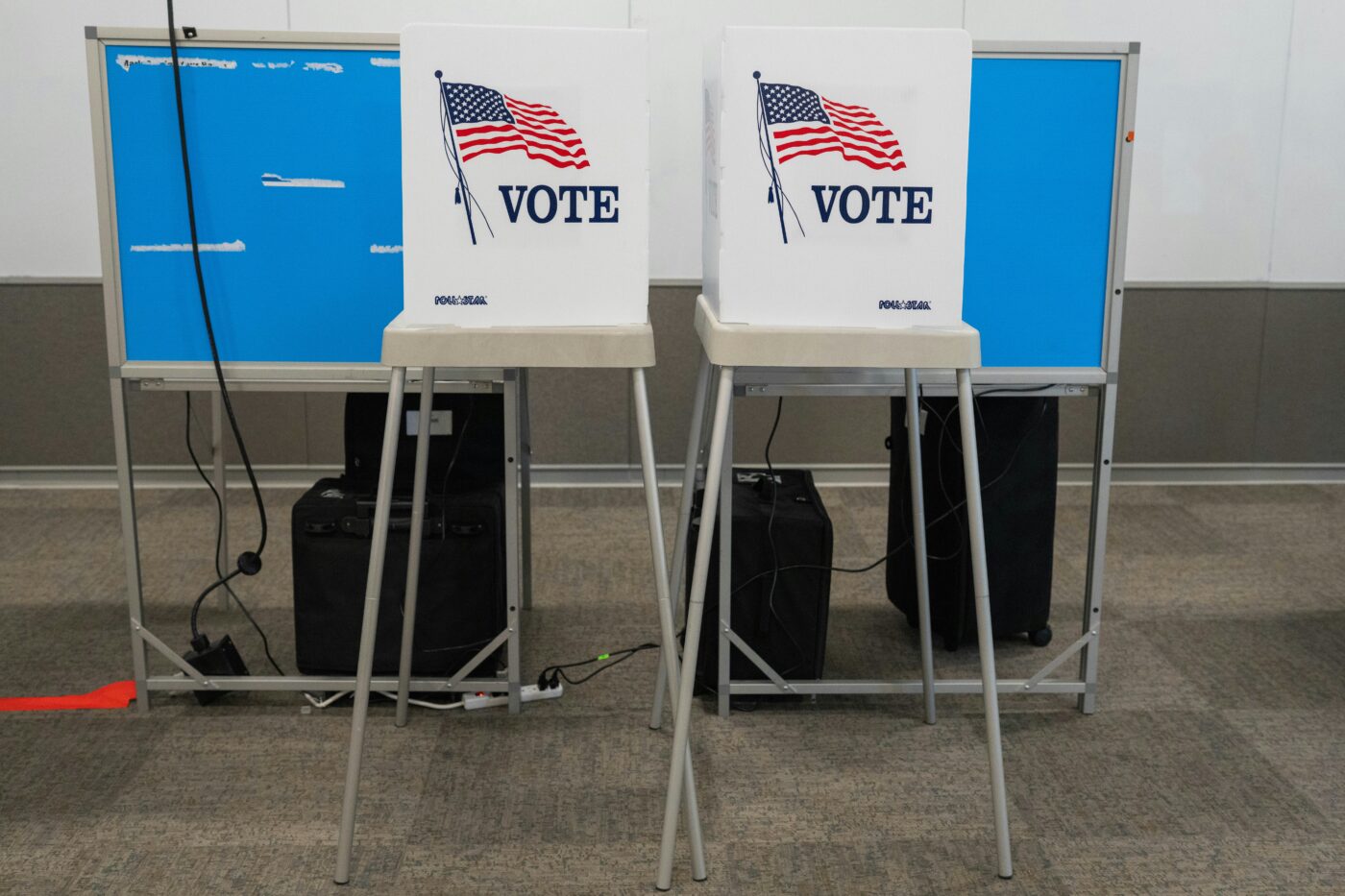
When the uniform comes off, the desire to serve often stays. For many veterans, elections are a natural place to put it to use: they run on structure, reward integrity, and depend on people who show up. Poll work is the best-known way to take part, but it is far from the only one. This guide walks through six election-related roles, what each involves, how much time it takes, and how to take a first step.
A Veteran Who Has Kept Showing Up
Jonathan Hilliard has made election work a long-term habit. A retired Army sergeant major with just over 24 years of service, he has worked elections in North Carolina for about 26 years. He plans to work this November’s election as well.
After returning from an OCONUS assignment, he voted in the first election he was eligible for, then called his county board of elections and asked if they needed help.
Six Ways to Keep Serving
1. Poll Worker
What it is: Poll workers set up polling places, check in voters, assist with questions, and close out the night.
Time commitment: Typically one long Election Day plus a training session; some places also use shorter early-voting shifts.
First step: Contact your county election office and ask how to apply.
Hilliard says Election Day in North Carolina runs from 6:30 a.m., when polls open, to 7:30 p.m. Workers typically arrive at least an hour early to turn on voting machines and laptops, and workers who leave can’t return. What surprises new workers most, he says, is how much help the average voter needs: “It is just a million different questions that we have to know the answers to.”
2. Election Judge or Precinct Official
What it is: In many states, judges or similar officials oversee a polling place, make sure procedures are followed, and resolve issues as they come up. Titles and duties vary by state. In North Carolina, precinct officials include chief judges and judges. After many years as a chief judge, Hilliard now works as a “rover,” a county board of elections employee who helps chief judges, many of them new to the job, at various precincts.
Time commitment: Similar to a poll worker, often with additional training.
First step: Ask your county election office what leadership roles are available and what experience they prefer.
3. Voter Registration Volunteer
What it is: Volunteers help eligible residents register or update their information, often at community events, libraries, and college campuses. Some states require training or registration before you collect forms, so check local rules.
Time commitment: A few hours at a time, on your schedule.
First step: Contact a nonpartisan group like the League of Women Voters or your local election office.
4. Campaign Volunteer
What it is: Campaign volunteers knock on doors, make calls, host events, and help turn out voters for a candidate or ballot measure they believe in.
Time commitment: Flexible, from a few hours a week to full-time in the final stretch.
First step: Pick a candidate or issue you care about and contact their campaign.
5. Local Board or Commission Member
What it is: School boards, planning commissions, zoning boards, and county advisory boards all make decisions that shape daily life, and many need members. Some seats are elected and some are appointed.
Time commitment: Often a few meetings a month plus preparation.
First step: Attend a meeting, then check your city or county website for openings and how appointments work.
6. Candidate
What it is: Running for office is the most demanding way to serve, from city council or school board to higher office. Filing deadlines are set well ahead of each election, so plan early for the next one.
Time commitment: Months of campaigning, plus the duties of the office if you win.
First step: Ask your county board of elections about filing requirements, deadlines, and any residency rules for your next local election.
What Service Prepares You For
Each role draws on strengths veterans already have: showing up on time, following procedure, working with a team, and staying steady under pressure. For Hilliard, a key asset is communication. A voter who arrives at the wrong precinct, or isn’t registered, can be offered a provisional ballot, and he makes sure they know it: “You will vote today, no matter what.”
Active-duty service also means staying apolitical, a habit that carries over to the polls. “No matter what your particular political beliefs are, you have to put them aside for that day,” he says. Poll workers are expected to stay nonpartisan on duty, so if you’re also drawn to campaign work, ask your local election office about the rules first.
He has seen the job change, too. Technology is “a lot better nowadays,” and his county’s board of elections holds after-action reviews with poll workers, much like the military, which he says has made polling sites more efficient.
Choose One and Take the First Step
You don’t have to do all six. Pick the role that fits your schedule and your interests, and take one small step this month: send an email, fill out an application, or attend a meeting. Hilliard’s advice for veterans who have finished serving: “Get involved with your local community in at least one capacity.” He chairs his county’s planning board and finds community involvement very rewarding.
Service doesn’t end when the uniform comes off. It just finds new places to happen.
Continue Your Service. Make a Difference.
Interested in getting involved in your community or learning more about opportunities to support the election process?
Vet the Vote connects veterans and military families with opportunities to serve as election poll workers, helping support the administration of elections in communities across the country.
Vetted offers another opportunity to explore civic engagement and learn how veterans can continue making a difference beyond military service.
Whether you’re interested in volunteering, learning more about the election process or exploring ways to serve your community, these organizations can help you take the next step.