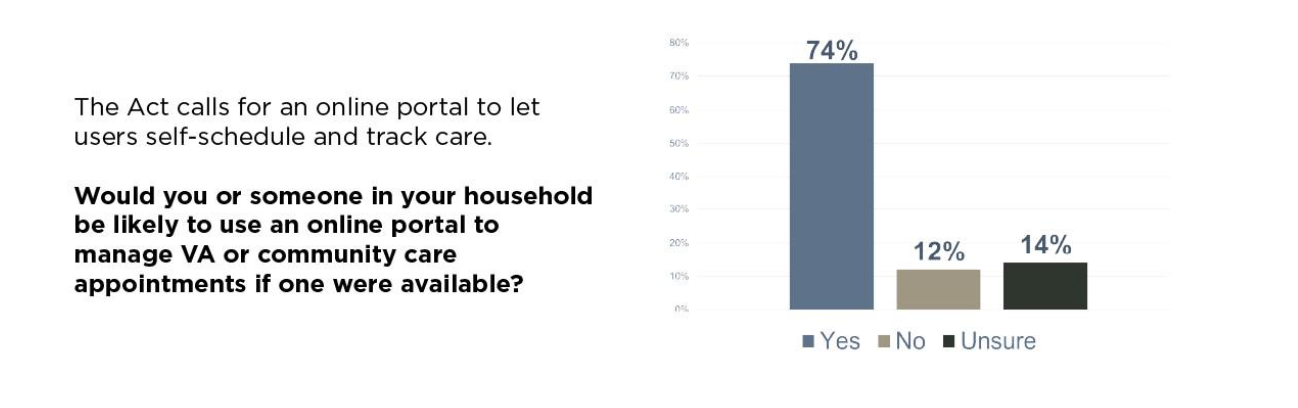
A 2025 poll conducted by Mission Roll Call revealed that 74% of veterans would use an online healthcare portal if one were available, a resounding signal of demand for streamlined, digital-first care access.
 From portals and apps to telehealth and peer platforms, digital tools have the potential to reshape mental health care for millions. This article explores what’s available, trustworthy, and shaping the future of veteran wellness.
The Veteran Mental Health Landscape
Veterans frequently navigate mental health challenges such as PTS, depression, anxiety, and the stress of reintegration into civilian life. Roughly 20% of veterans from Iraq and Afghanistan experience PTS or depression, and just under half of all veterans receive needed treatment, reflecting broader patterns seen across the veteran community and the evolving nature of veteran mental health today.
Mission Roll Call emphasizes that stigma, isolation, and complex systems often compound these struggles. The ACCESS Act polling underscores a clear veteran preference for digital tools that make care easier and more accessible.
Online Healthcare Portals
One of the clearest starting points has been online healthcare portals. Digital platforms promise convenience, privacy, and agency. The VA’s Access to Care platform offers transparency to veterans navigating care choices.
Additionally, in 2025, the VA eliminated the secondary-approval hurdle for community care referrals, speeding access to external providers under the MISSION Act. Together, these changes point toward a system that is simpler and more responsive.
For veterans who don’t qualify for or can’t easily access VA care, MyRX Access Plus has emerged as an additional option. The platform connects veterans and their families to affordable prescriptions and healthcare resources outside the VA, aligning directly with the 74% who say they would use an online portal if available.

Mental Health Apps
Some of the most widely used tools live right on a smartphone. From helping manage trauma symptoms to coping with anger, apps such as PTSD Coach, Calm, Headspace, and others offer personalized support. Their credibility hinges on clinical backing, research evidence, and robust privacy standards. Explore this list of Mental Health and Behavioral Therapy apps for veterans and their families.
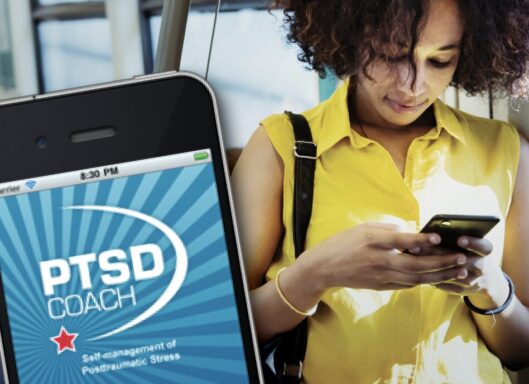
Beyond portals, a growing number of technology tools are empowering veterans with easy access to providers, self-help, and care tracking, which is particularly appealing to those in rural or underserved areas. Digital care doesn’t replace human connection—it extends it, making support possible at moments when veterans need it most.
In case you didn’t know, the VA has an App Store that provides access to over 40 web and mobile apps designed for Veterans, their families, and VA providers. These apps cover a range of services, including health and wellness, benefits information, symptom tracking, and tools to facilitate communication with VA providers. You can find these apps, which include native apps for iOS and Android and web apps accessible through a browser, at mobile.va.gov/appstore.
Peer Support Online
Technology also provides spaces where veterans can connect with one another. Online forums and moderated peer platforms foster a sense of belonging and mutual understanding. Veterans often find strength in shared stories and lived experience. A few examples of peer platforms to check out are:
- America’s Warrior Partnership (AWP), which offers a national network of support and resources that includes peer-to-peer connections.
While primarily an advocacy organization, Mission Roll Call plays a unique role in amplifying veterans’ mental health needs. Through polling, storytelling, and media outreach, MRC creates a sense of community by bringing attention to struggles like suicide risk and care access.
Supporting Veteran Families and Caregivers
Behind every veteran navigating mental health challenges is often a circle of support: spouses, partners, children, parents, and caregivers–whose needs are frequently overlooked. These individuals are critical to long-term recovery and wellness, yet they, too, can face emotional strain, burnout, and a lack of resources. Some digital platforms are beginning to close this gap.
- VA’s Caregiver Support Program offers online resources, peer mentoring, and telehealth coaching for those supporting post-9/11 veterans.
- Military OneSource provides 24/7 access to confidential counseling, educational webinars, and caregiver-specific content.
- Apps like MoodCoach and PTSD Family Coach are designed to help loved ones understand symptoms, manage stress, and provide appropriate support without sacrificing their own well-being.
Inclusive technology matters because wellness rarely exists in isolation. Tools that extend access to families and caregivers can help create a more sustainable and informed support network.
Looking Ahead: What’s Next in Digital Veteran Wellness
Looking ahead, the future of digital wellness for veterans is filled with hopeful possibilities. Tools are beginning to offer gentle, everyday check-ins that create small moments of connection that can make a big difference before things become overwhelming.
Virtual reality and biofeedback – a process that uses your body’s own signals like heart rate and body temperature to bring about healthy changes – are also stepping in, helping veterans process difficult experiences in safe, controlled ways while staying in tune with how their bodies respond to stress. And on the horizon is something many have long hoped for: a more seamless, personalized experience, where the tools veterans use can actually talk to each other, making care feel less like a maze and more like a path forward.
Conclusion
The demand is clear—three out of four veterans say they would use digital healthcare tools if available. For providers and advocates, the challenge is ensuring tools are accessible, trustworthy, and responsive to veteran needs.
Digital tools aren’t a foolproof solution; connectivity issues, device access, and tech literacy can all hinder adoption. Emerging hybrid models, combining digital tools with in-person support and partnerships between the VA and community organizations, may help bridge these gaps.
Whether you’re a veteran navigating your own path to wellness, a loved one standing beside them, or someone working to build better tools, there’s a place for you in this growing digital ecosystem.
Veterans can find strength and support in the trusted apps and telehealth services already at their fingertips. Families and caregivers are not forgotten; many platforms offer guidance and resources to help you care for those you love while also caring for yourself. And for those developing the next wave of solutions: listen closely to veteran voices, and build with empathy, security, and the full circle of support in mind.
At Mission Roll Call, we’re always listening to what veterans and their families need—and one message came through loud and clear: not all veterans and families have VA healthcare options.
In a recent MRC poll, 73% of veterans told us that access and quality of care are top priorities. That’s why we’re sharing a new resource: My RXAccess Plus, a program that can help close care gaps, especially for those who are not eligible for VA healthcare, or who need more support than the VA can provide.
So what exactly is it?
My Rx Access Plus is not insurance, and it doesn’t require any government enrollment or paperwork. For a flat monthly fee, veterans and their families can access:
- Up to 80% savings on prescriptions
- 24/7 access to telehealth and mental health providers
- Virtual urgent care
- Second opinions and chronic care support
- No contracts and no limit on family size
It’s designed to work with or without existing VA care, giving veterans and their loved ones more flexibility and faster access to support.
“Veterans told us loud and clear—they want more choices in how they access care,” says Jim Whaley, CEO of Mission Roll Call. “Supporting programs like My Rx Access Plus is one way we’re helping ensure veterans and their families can access affordable care and prescription support—no matter where they live or what challenges they face.”
Whether you’re looking for an alternative to the VA or a complement to the care you already receive, My Rx Access Plus is worth exploring.
“Our veterans and their families have earned more than gratitude—they deserve real, accessible healthcare solutions,” said Keith Miller, CRO at My Rx Access Plus. “At My Rx Access Plus, we stand with Mission Roll Call to ensure those who served are never left behind, by delivering affordable medications, mental wellness support, and telemedicine services that honor their sacrifice with action.”
Why is Mission Roll Call sharing this program?
Because not every veteran qualifies for VA healthcare—and even those who do may need faster, more flexible, or family-friendly options. My Rx Access Plus helps fill those gaps. Even if you already use VA services, this program may offer additional benefits that help close gaps in care, provide faster access to specialists, or support loved ones who aren’t covered.
Mission Roll Call receives no financial benefit from promoting this resource. We simply want to ensure veterans and their families have access to care that fits their needs.
Learn more about My RXAccess Plus here.
Fuel Veteran Voices
A small gift powers the research and advocacy that brings veterans to the decision-making table.
Donate $5+