The Box That Opened a Door: Lucien Koefoed’s Journey Toward Homeownership
Sleeping in a vehicle rented for Uber gave Lucien Koefoed privacy and some control over his surroundings, even though the arrangement was unstable and the vehicle was never intended to become his home. After he later spent months sharing a room with strangers in transitional housing, he remembered living in the Uber rental as a simpler experience.
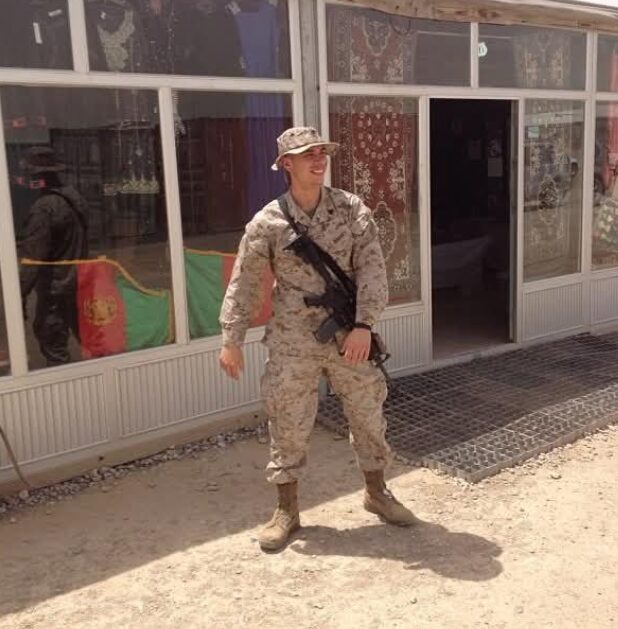
Lucien’s journey into homelessness developed gradually after he left the military. He served in the U.S. Marine Corps from 2006 to 2014, completing eight years of service and attaining the rank of sergeant, E-5. When his military career ended, he wanted nothing to do with anything associated with his service, so he went to work for his family and tried to move forward while the conditions he carried home from his tours continued affecting his well-being.
As those challenges intensified, Lucien eventually left the family business, and the stability he had tried to maintain began to unravel. He was evicted from his home, his credit card accounts were charged off, and two vehicles were repossessed, leaving him without the financial or housing foundation he once had.
Without a permanent place to live, Lucien stayed in the vehicle he rented to drive for Uber and later lived with his parents. Although he was experiencing homelessness and serious housing instability, he had no idea what housing assistance or other benefits might be available through the Department of Veterans Affairs.
His desire to distance himself from the military had also separated him from the system created to support veterans after service. By the time Lucien learned that help might be available, he had already experienced eviction, damaged credit, vehicle repossessions and the loss of a stable place to call home.
Taking a Chance on the VA
Lucien’s connection to assistance began when he decided to take a chance and file claims with the VA. During that process, he indicated that he was experiencing homelessness, which prompted a transitional housing representative to contact him and begin connecting him with support.
That disclosure led Lucien to Vets on the Rise in Washington, D.C., where he entered transitional housing and remained for five months. The program provided greater safety and stability than a shelter, although sharing a room with strangers while trying to recover from homelessness brought its own difficulties.
“It was a pain sharing rooms with strangers, but it was better than a shelter,” Lucien said. “It was simpler living in an Uber.”
His experience reflects a reality that is often overlooked in conversations about transitional housing. Moving a veteran out of a vehicle or another unstable environment can provide immediate shelter, although communal living may not restore the privacy, independence and sense of control that were lost during homelessness.
When Veterans Do Not Know Help Is Available
Lucien’s story shows how veterans can remain disconnected from assistance because they do not know which programs exist, where to turn or how to describe their circumstances within the language used by housing systems.
Veterans may say they are staying with relatives, sleeping in vehicles or moving between temporary locations without recognizing that they are experiencing homelessness or severe housing instability. When veterans do not see their circumstances reflected in the questions they are asked, they may miss opportunities to receive assistance before their situation worsens.
Lucien’s circumstances began to change after he identified himself as homeless while filing his VA claims. His experience raises an important question for veteran-serving systems and
communities: How many veterans are living in similar conditions without knowing which office to contact, which question to ask or which benefit could help them regain stability?
A Veteran Landlord Who Understands
After five months in transitional housing, Lucien continued through the housing process and is now housed through the HUD-Veterans Affairs Supportive Housing program, commonly known
as HUD-VASH. His landlord is also a veteran and real estate investor who understands the experiences veterans may carry while rebuilding their lives.
Lucien has a direct connection to the veteran who owns the property, giving him a level of communication and understanding that can be difficult to find in a traditional landlord-tenant relationship. Being housed by someone who understands military service and the realities veterans may face has placed Lucien in a stronger position as he looks toward the future.
Stable housing has given him space to focus on what comes next instead of wondering where he will sleep. Although the financial and personal effects of homelessness do not disappear immediately after receiving housing, Lucien is in better shape today, and his future is brighter because he has a stable foundation from which to rebuild.
A New Mission Rooted in Housing
Lucien’s goals extend beyond maintaining his present housing because he wants to become a homeowner and eventually provide housing for veterans experiencing homelessness. His journey through vehicle living, transitional housing and HUD-VASH has given him firsthand knowledge of the barriers veterans encounter when they do not understand their benefits or have access to landlords willing to participate in veteran housing programs.
The veteran landlord who now provides Lucien’s home represents the kind of understanding Lucien hopes to offer other veterans as he moves forward in life. He wants to use what he has learned through his housing journey to create opportunities for veterans who need a safe place, direct communication and a property owner who understands their circumstances.
Lucien’s story continues to unfold as he moves toward greater stability, homeownership and his goal of housing other veterans. Filing a VA claim and identifying himself as homeless created the connection he had been missing, while HUD-VASH and a veteran property owner helped him move beyond uncertainty and begin planning for a brighter future.
His experience shows how stable housing can become the foundation for a veteran’s next chapter. With a home beneath him and a clearer understanding of the resources available, Lucien can continue rebuilding his life while preparing to help other veterans find the stability he once needed.
To learn more about Mission Roll Call’s work uplifting veteran voices and advancing effective housing solutions, visit our Homelessness page: https://missionrollcall.org/spotlight-priorities/housing-and-homelessness/
Mission Roll Call is committed to listening first. If you are a veteran, family member, caregiver or community partner, we invite you to share your story with us. Your experiences guide our
advocacy and help us push for the changes veterans say matter most.
Your voice matters here. We encourage veterans, families, caregivers and supporters to share their experiences through Mission Roll Call’s national surveys. Your stories help shape policy, raise awareness and ensure veterans are seen and heard: https://missionrollcall.org/surveys/
Understanding the truth brings us one step closer to ensuring every veteran has what they
deserve: stability, dignity and a place to call home.
About the Author
Yvette Jones-Swanson, M.A., is a writer and Mission Roll Call’s subject-matter expert on veteran homelessness and housing. A U.S. Army veteran, former homeless veteran and survivor of military sexual trauma, she brings more than 22 years of frontline experience as a Veterans REAL TOR® and housing advocate.