Women have served in the U.S. Armed Forces with courage, commitment, and professionalism across generations. Today, women veterans represent one of the fastest-growing populations in the military community. As they transition from military to civilian life, many face distinct challenges in areas such as employment, housing, identity, and health care.
Recognizing and understanding these unique transition challenges is essential for building more inclusive and supportive systems that help all veterans succeed after service.
Employment
Finding meaningful employment after military service is one of the most important steps in a veteran’s transition journey. While many veterans benefit from federal and state-level employment programs, women veterans often face different barriers when reentering the civilian workforce.
Veteran Employment Statistics
In 2024, the overall veteran unemployment rate was 3.0%, with women veterans experiencing a slightly higher rate of 3.5%, compared to 2.9% for male veterans, according to the U.S. Bureau of Labor Statistics (BLS).
Common Employment Challenges
- Translating military experience: Many women serve in roles such as administration, logistics, healthcare, or communications; positions that may be undervalued or misunderstood by civilian employers.
- Workplace bias: Women veterans sometimes face gender-based discrimination or skepticism about their military service, especially in male-dominated industries.
- Caregiving responsibilities: Upon leaving the military, women often resume or continue caregiving duties for children or family members. This can limit access to full-time roles or positions with inflexible hours.
Helpful Resources
Programs like Hire Heroes USA, VA’s Women Veterans Program, and the Department of Labor’s VETS program offer tailored career counseling, resume assistance, and employer outreach for women transitioning to civilian employment.
Housing and Stability
Stable housing is a critical foundation for successful reintegration. While many services exist for homeless veterans, recent data shows that housing insecurity among women veterans is a growing concern.
Housing Statistics
- From 2020 to 2023, homelessness among women veterans rose by 24%, from 3,126 to 3,980.
- Unsheltered homelessness (living in vehicles, on the streets, or in unsafe conditions) increased by 48%, from 1,464 to 2,165 in the same period.
- In FY2024, more than 27,444 women veterans were served through VA homeless programs.
Contributing Factors
- Military Sexual Trauma (MST) and domestic violence histories may impact housing stability.
- Limited access to family-friendly shelters makes it harder for women with children to find transitional housing.
- Underreporting: Women experiencing homelessness are more likely to stay with friends or family than enter shelters, making them less visible to service providers.
Supportive Solutions
Initiatives such as Supportive Services for Veteran Families (SSVF) help provide rent assistance, case management, and long-term housing solutions for women veterans.
Identity and Belonging
A less visible but equally important challenge is the issue of identity and recognition. Many women veterans report feeling unseen or excluded within both military and civilian spheres.
Common Identity Challenges
- Public perception still largely associates military service with men, leading to misconceptions about who qualifies as a veteran.
- Underrepresentation in veteran imagery, leadership, and outreach efforts can cause women to question whether they belong in veteran spaces.
- Women who mention their service may be assumed to be a spouse or family member of a veteran, rather than a veteran themselves.
Rebuilding Identity
Organizations like Women Veterans Alliance, Service Women’s Action Network (SWAN) and Mission Roll Call are working to elevate the voices of women veterans and foster a stronger sense of identity and belonging within the veteran community.
Health Care
Health care remains one of the most critical components of a successful transition. While the Department of Veterans Affairs (VA) continues to expand care options for women, understanding the specific health needs of women veterans is essential to ensuring quality and access.
Key Health Insights
- Military Sexual Trauma (MST) affects about 1 in 3 women veterans using VA services, according to the National Center for PTSD.
- Post-Traumatic Stress Disorder (PTSD) may present differently in women and can go underdiagnosed or misdiagnosed.
- Reproductive health care access is improving, but gaps remain in access to OB/GYN services across some VA locations.
- Suicide risk: Women veterans using VA care are nearly twice as likely to attempt suicide as their male counterparts, per a DAV mental health report.
Resources for Women Veterans
- VA Women’s Health Clinics offer specialized care for reproductive health, mental health, and MST recovery.
- Whole Health programs provide personalized wellness support for veterans.
Strategies and Recommendations
Transitioning from military to civilian life is not a one-size-fits-all experience. For women veterans, it’s essential that transition programs, support systems, and outreach efforts reflect their unique journeys. Listed below are strategies and recommendations we could all advocate for to better support women veterans in the workplace, at home, and in the world.
- Tailor transition programming: Expand content in the Transition Assistance Program (TAP) to address caregiving needs, civilian workforce reentry, and gender-specific challenges.
- Support women-focused housing solutions: Increase access to safe, trauma-informed, and child-friendly transitional housing options for women veterans.
- Strengthen women’s health care access: Ensure all VA facilities have properly staffed women’s clinics, and offer MST-trained providers with same-gender care options when requested.
- Promote visibility and leadership: Highlight women veteran leaders in national campaigns and ensure representation across VA boards and advisory councils.
- Expand outreach and benefit education: Utilize community-based partnerships (e.g., women’s shelters, clinics, colleges) to reach women veterans who may not engage with traditional channels.
Conclusion
At Mission Roll Call, we believe that every veteran’s voice deserves to be heard, and that includes the voices of women who have worn the uniform with pride. As the population of female veterans continues to grow, so too must our commitment to supporting their transition to civilian life, ensuring they have the tools, recognition, and resources they need to thrive. You can help by amplifying women veterans’ stories, hiring those who have served, or supporting organizations dedicated to their success.
By working together — across government, community, and industry — we can build a future where women veterans are not just supported but celebrated.
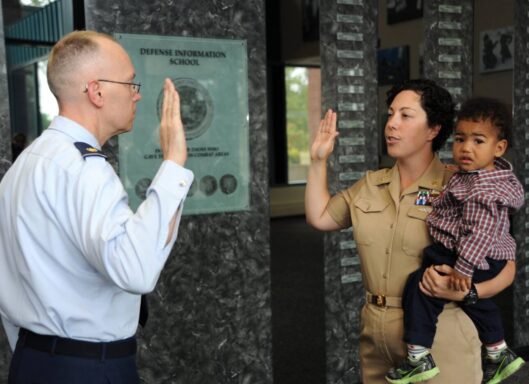
Katt Whittenberger didn’t join the Navy for stability or even for a career. She joined for adventure. Growing up far from the coast, she remembers a recruiting commercial that promised exactly what she craved: the ocean, the unknown, and the chance to tell stories as a journalist.
Her first assignment landed her on the USS Theodore Roosevelt, a nuclear-powered aircraft carrier that felt like a floating city.

“I remember looking up at it and thinking, ‘How does this thing float?’ It’s four football fields long, and two-thirds of the ship is above water. It’s so intimidating,” she said.
The living quarters were cramped, with three-high racks stacked shoulder-width apart and only a tiny locker and shelf for personal items.
Space was limited, but the mission was big. The carrier had its own fire and police departments, post office, store, and morale and recreation programs. At sea, it became its own world, one where sailors worked hard, played hard, and forged bonds through long days and nights.
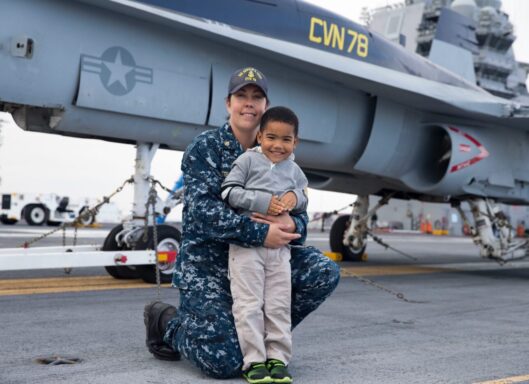
That world shifted dramatically after September 11, 2001. Just nine days after the attacks, Whittenberger’s ship deployed as one of the first to respond. Night flight operations filled the sky, a stark reminder of the gravity of what lay ahead. Technology was also changing during those years. For the first time, every sailor had an email address, offering a thin digital thread back home. Later deployments would bring cell phones and social media into the mix, reshaping how service members stayed connected even while oceans away.
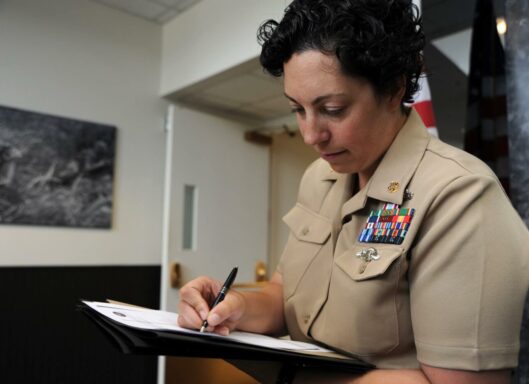
What started as a search for adventure became a 21-year career that carried her around the globe and through different eras of military life. She grew as the Navy grew, mentoring the next generation and adapting to new challenges until it was time to retire.
When she did, Whittenberger moved to rural Virginia to raise her son on a farm. She traded steel decks and crowded racks for open fields and quiet nights, but the isolation came at a cost.
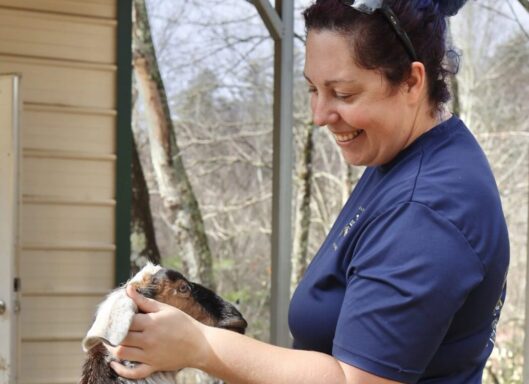
Accessing veteran resources proved difficult. Healthcare required long drives, reliable internet wasn’t always available, and administrative hurdles with the VA made navigating benefits exhausting.
The strong military identity she once carried now felt harder to hold onto. What she experienced, she realized, was not unique. It was a reality for countless veterans in rural America, especially those from the 9/11 generation.
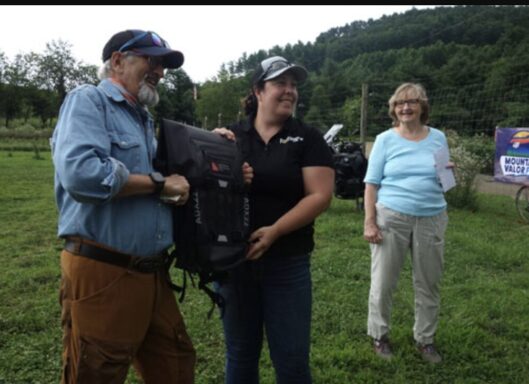
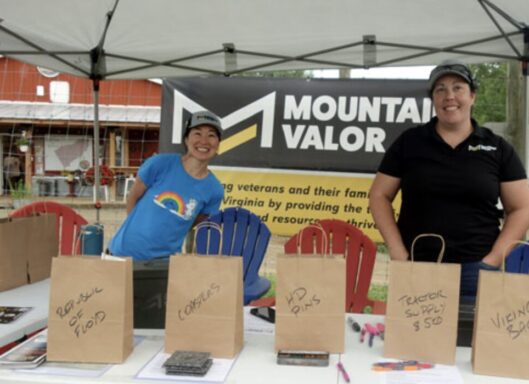
Instead of waiting for solutions, she decided to build one. Alongside friends, Whittenberger co-founded Mountain Valor, a nonprofit dedicated to closing the gaps rural veterans face. Its signature event, Mountain Valor Fest, brings veterans and their families together each September in Floyd, Virginia, on the weekend closest to 9/11.
The festival is equal parts remembrance and celebration. A solemn flag retirement ceremony honors those lost and the sacrifices made, and the day quickly fills with other experiences: live music, food trucks, resource fairs, activities for children, and opportunities for veterans to connect with one another and with organizations that can help. It’s a space designed for families, but also for veterans who might otherwise feel cut off from the community and resources they have earned.
Whittenberger is quick to point out that rural veterans face obstacles their urban counterparts often do not. Healthcare facilities are farther away. Broadband access lags, and while the internet may sound like a solvable issue, mountains create dead zones where cell service doesn’t reach.
Many veterans simply are not aware of the full scope of benefits available to them. One reason is historical: Vietnam veterans often came home to find they were denied access to VA healthcare. Policies and laws have since changed, but the information hasn’t always reached rural America. Those same veterans are often retired now, and many qualify due to limited income, yet they remain unaware of their eligibility.
“Virginia is the worst state when it comes to health care, with the number of veterans who are fully eligible but have never applied because they don’t know about their eligibility,” Katt explained. “It’s so frustrating that there are so many limitations just getting rural veterans the support that they need.”
Mountain Valor exists to bridge those divides, creating events that are welcoming and engaging so that more veterans will show up, discover what is available, and get connected to the care and support they need.
Like her service in the Navy, Whittenberger sees Mountain Valor not as a short-term project but as a commitment to something larger than herself. Sustaining veteran support requires consistency, creativity, and the determination to adapt as needs evolve. Through her own journey, from chasing adventure at sea to navigating rural isolation, and now to building community in the mountains of Virginia, she embodies the resilience of her generation of veterans.
Her story is also featured in Mission Roll Call’s special 9/11 podcast episode, where she reflects on what it meant to deploy in the days following the attacks and how those experiences still shape her life today. Watch here
For veterans and organizations alike, Mountain Valor Fest is an open invitation. It takes place every year on the Saturday closest to September 11 in Floyd, Virginia. This year, it will be held on Saturday, September 13 at Crooked Mountain. Service providers and veteran families are welcome to attend, participate, and connect. More information is available at mtnvalor.org.
At Mission Roll Call, we believe voices like Katt Whittenberger’s matter. They remind us that veterans’ experiences do not end with their service. They evolve, often in ways that demand new solutions. By listening, learning, and amplifying these voices, we can build a stronger, more connected future for all veterans. Join us by sharing yours.
Freedom and Independence: Basic Veteran Needs
More than 750,000 people in the United States, including veterans, live with spinal cord injury or disease (SCI/D). The Paralyzed Veterans of America (PVA) is a key organization dedicated to supporting these veterans. PVA ensures that every veteran living with a spinal cord injury or disease can reclaim what they fought for: their freedom and independence.
At Mission Roll Call, we believe that amplifying veteran voices includes connecting them to valuable resources, especially organizations like PVA that help fill the gaps and restore the freedom so many fought to protect.
PVA supports research, educational programs, and other initiatives that unite people and activities toward a single mission: improved quality of life for everyone with SCI/D. PVA is the only nonprofit Veteran Service Organization dedicated solely to helping veterans with spinal cord injuries and disorders (SCI/D), and diseases, like MS and ALS.
Founded on Experience
PVA was founded by a group of service members who returned home from World War II in 1946 with spinal cord injuries and few to no solutions to the major challenges they faced. Unable to comfortably live in their homes or get around by public transportation, they found barriers to independence everywhere.
On a mission to improve accessibility for themselves, their fellow paralyzed veterans, and all people with disabilities, these veterans joined together to form PVA. Today, more than 75 years later, PVA remains a major support system for our nation’s paralyzed and disabled heroes. These wounded heroes made a decision not just to live, but to live with dignity as contributors to society.
PVA and Mission Roll Call have similar goals in that we both amplify veteran voices through research, resources, and fight for actual change.
PVA’s Impact by the Numbers:
- PVA’s Impact on Benefits: PVA has secured over $1.2 billion in benefits for veterans and their families.
- Accessibility Assistance: In 2022 alone, PVA provided over $32.8 million for veterans’ home accessibility modifications and $9.6 million for vehicle adaptations.
- Research Funding: PVA has invested $49,870,331 in grants through its Research Foundation since its inception in 1976, according to PVA’s 2019 legislative priorities.
- Employment Support: PVA has helped over 4,100 veterans, military spouses, and caregivers find meaningful employment, according to PVA’s 2019 legislative priorities.
- Benefits Secured: In 2024, PVA’s General Counsel National Appeals Office and NSOs recovered $7 million for veterans, according to PVA’s 2024 annual report.
- Favorable Decision Rates: PVA has a 100% favorable decision rating with the Court of Appeals for Veterans Claims and an 87% favorable decision rating with the Board of Veterans Appeals, according to PVA’s 2024 annual report.
Veterans are Counting on Us
More than 12,000 people in the US, including veterans, sustain a spinal cord injury each year. This often leads to a loss of motor and/or sensory function. While PVA plays a vital role in advocating for and assisting these veterans, there are ways we can all help.
To give veterans independence, you can support organizations like Paralyzed Veterans of America, volunteer with specific advocacy groups, or offer direct assistance by helping with transportation to appointments or providing emotional support. At Mission Roll Call, we amplify the voices of veterans and their families and connect them with the resources they need to thrive. Every action matters. With your support, paralyzed and disabled veterans can access the programs and services that make a life of dignity and independence possible. With one action, you can help paralyzed and disabled veterans move forward in life by supporting programs and services they rely on to live a life of dignity and independence.
In June, we turned our focus to two groups who too often go unseen—underserved veterans in rural and minority communities, and those living with the effects of post-traumatic stress. Through storytelling, research, media outreach, and open polling, we continued our mission to elevate the voices of veterans, advocate for policy that meets their needs, and provide tools that support their well-being.
From local heroes rebuilding after disaster to national conversations about suicide prevention and access to care, we worked to ensure that no one who served is left behind.
Here’s what you might have missed:
Underserved Veterans and PTS Awareness in Focus
We shined a light on rural and minority veterans and their families, exploring the barriers they face and the work being done to close the gaps. From highlighting key facts about rural veteran populations to uplifting efforts like Operation Honor: Rural Salute, June’s features challenged us to pay closer attention to the communities that are often overlooked.
– Connecting Rural Veterans and Their Families Through Operation Honor: Rural Salute
– 6 Things You Might Not Know About Rural Veterans
– Veterans Are Speaking Clearly on the ACCESS Act. Congress Should Listen.
– The State of Veteran Post-Traumatic Stress
– How to Find Mental Health Care If You’re A Veteran – Even In A Rural Area
– 7 Everyday Ways to Support Veterans’ Mental Health
The Lasting Mission Podcast
In June, The Lasting Mission podcast wrapped up its two-part conversation on the opioid epidemic with Voices for Non-Opioid Choices. We also continued our coverage of veteran homelessness with Part 2 of Matthew Landis’ powerful story—from hitting rock bottom to rediscovering purpose and community.
Subscribe to The Lasting Mission on YouTube or your favorite podcast platform, and help us spread these critical conversations by sharing the podcast with others.
Mission Roll Call University (MRCU)
Our YouTube channel, Mission Roll Call University, continues to grow as a trusted resource for veterans and families. In June, we released a practical guide to locating VA facilities near you—an important step in connecting to care and support.
Watch, subscribe, and share to help us ensure veterans have access to the guidance and resources they need to thrive.
MRC Town Hall: Your Voice, Your Power
We hosted a live-streamed Veteran Town Hall, bringing together voices from across the country to talk about real veteran experiences and solutions. From policy gaps to personal stories, these conversations help guide our work—and remind us how powerful it is when veterans speak directly to one another and to leaders.
MRC in the Media: Real Stories, Real Impact
In June, our work was featured in national and local media outlets, amplifying veteran voices and advocating for smarter, more compassionate policy solutions. From thoughtful conversations around VA reform to spotlighting events like Hockey Heals 22, our media presence underscored our mission.
– Smart Budget Cuts at the VA Could Help Preserve Critical Services – The Hill
– 5th Annual Hockey 22 Event Raises Awareness for Veteran Suicide – FOX 13
– Veterans Play 22 Hours of Hockey for Suicide Awareness – NPR Affiliate
From the Blog: Stories That Matter
This month’s stories included a look at veteran-led disaster recovery efforts in the Palisades, a historical reflection on 250 years of military service, and a recap of a community hockey event that raises awareness for the veteran suicide crisis.
– Where the Flag Still Flies: Veterans Rebuild the Palisades
– Hockey Heals 22
– 250 Years of the Military
Speak Up: Participate in Our Open Polls
Your voice shapes our work. We’re actively gathering feedback on topics like VA care, suicide prevention, and rural veteran access. These surveys help us bring real-time concerns to lawmakers and leaders who can make a difference.
– Take Our Open Polls
– Participate in Our Veteran Suicide Survey
Looking Ahead: Independence Through Support and Access
In July, we’ll focus on veteran independence—honoring the strength and resilience of wounded veterans, caregivers, and those navigating life after service with courage and adaptability. We’ll explore how accessibility, autonomy, and practical support can help more veterans thrive on their own terms.
Stay tuned for new stories, new research, and new opportunities to connect.
If there is something we have learned about supporting our veterans, it is that mental health is one of the most complicated problems to tackle, especially for veterans in rural areas. VA reports have found that veterans are most vulnerable in the first three months following separation from military service, although suicide risk “remains elevated for years after the transition.” With this information, we can better support our veterans and their families to get them the assistance they need.
While veterans can access mental health care through a variety of channels, knowing what is available to them and gaining access are common hurdles for not just rural veterans but all veterans. These barriers reflect a broader set of challenges veterans face after service—explore the challenges veterans face after service for additional context.
The two main mental health resources are the VA and the Veteran Crisis Line.
VA Mental Health Services
- VA mental health services are available to all veterans, regardless of their discharge status, and even if they don’t qualify for full VA benefits.
- The VA offers various mental health services, including individual and group therapy, medication management, and support groups.
- You can find a VA medical center or Vet Center near you through the VA.gov website.
Veterans Crisis Line (988, then press 1)
- This is a crucial resource for veterans experiencing a crisis or needing immediate support. It’s accessible 24/7, offering confidential counseling through phone, text, and online chat.
- If you or the veteran or service member in your life shows signs of crisis, contact the Veterans Crisis Line. In the United States, dial 988 then press 1 or text 838255.
- You can chat online with a VA responder from anywhere.
- If you are overseas, you can connect with the Veterans Crisis Line Chat. If you prefer a phone call, you can request this via chat. A crisis line responder will call the number you provide at no charge.
But if those are unavailable to you due to location or other reasons, here’s a list of other mental health resources you might not know about.
Boulder Crest is the home of Posttraumatic Growth (PTG). They offer life-changing programs free of charge to members of the military, veterans, and first responder communities, and their families.
America’s Warrior Partnership
America’s Warrior Partnership’s mission is to partner with communities to prevent veteran suicide. Their programs accomplish this by starting at the community level and understanding the unique situations of veterans and their families.
Avalon Action Alliance connects our nation’s veterans and first responders with life-changing programs. Their Alliance Partners offer a wide range of treatments, training and support tailored to the unique needs of our veterans and first responders.
Shields & Stripes provides a top-tier rehabilitation program for our military veterans and first responders.
Warrior Canine Connection utilizes a Mission Based Trauma Recovery model to help Warriors recovering from the stress of combat reconnect with their families, communities, and life. By interacting with the dogs as they move from puppyhood to training to adult service dogs, Warrior Trainers benefit from a physiological and psychological animal-human connection.
Wounded Warrior Project
Provides various mental health services, including individual and couples counseling, and PTSD and addiction treatment.
Military OneSource
Offers resources for veterans, including mental health information and a directory of services.
Mission Roll Call’s Veteran Resource Directory
Our comprehensive directory connects veterans and their families to organizations ready to help.
When it comes to the mental health of veterans and their families, we know there’s not one solution that fits all. But what we do know is that we need to be more proactive. Help exists for veterans and their families; they just need to know what is available to them. Share this article with a veteran – they might need it or know someone else who does.
Despite their service, rural veterans often face unique barriers to accessing the care and support they need after leaving the military. The first step toward supporting rural veterans is educating ourselves on the challenges they face.
Here are 6 Things You Might Not Know About Rural Veterans:
1. Rural veterans lack access to necessary healthcare
While there are 4.7 million veterans who live in rural areas, they each face their own unique barriers to accessing healthcare. Many rural veterans struggle to access necessary healthcare due to factors like geographic distance to VA facilities, transportation challenges, and limited internet access that hinders telehealth services.
2. Rural veterans face a higher risk of mental health challenges
Rural veterans are less likely to receive the mental health care they need compared to urban veterans. While mental health is a significant concern for all veterans and their families, due to their living environment, rural veterans are at a higher risk of mental health challenges like post-traumatic stress, depression, and anxiety.
3. Rural veterans are more likely to face economic disparities
Compared to their urban counterparts, rural veterans are more likely to have lower household incomes and experience higher rates of poverty, with more than half earning an annual income of less than $35,000. This can further compound their challenges in accessing essential resources like healthcare.
4. Rural veterans are in a position to have their well-being impacted by social isolation
The isolated nature of rural communities can lead to social isolation, impacting their mental health and overall well-being. Veterans die by suicide at 1.5 times the rate of their non‐veteran counterparts, with rural veterans at a 20%–22% greater risk of dying by suicide than urban veterans. Peer support and community engagement programs can help combat this, which leads us to our final point.
5. Rural veterans rely heavily on resources
The VA is a crucial resource to rural veterans, but they also rely heavily on community providers, veteran service organizations, and programs to meet their needs.
Mission Roll Call has identified and vetted many nonprofit organizations that work with these communities. For example, the Alaska Warrior Partnership™ (AKWP) is committed to improving veterans’ quality of life in the state of Alaska through the coordination of local services and opportunities. And Boulder Crest Foundation provides a free, first-class rural wellness retreat dedicated to helping America’s military members, veterans, and their families. For more resources and support, visit Mission Roll Call’s comprehensive Veteran Resource Directory.
6. Rural veterans are resilient, resourceful, and deeply connected to their communities
This isn’t just a list of challenges—rural veterans bring incredible strengths that deserve recognition. They embody grit, self-reliance, and a strong sense of duty, often serving as the backbone of their communities long after their time in uniform. With deep family roots and a commitment to service, they step up as mentors, leaders, and quiet helpers in times of need. These qualities not only make them vital to the fabric of rural America, but they also make them powerful voices in shaping the future of the broader veteran community.
Conclusion
Rural veterans make up an essential part of the American veteran population—yet too often, their stories are overlooked, and their needs go unmet. From barriers to healthcare and mental health services to economic hardship and geographic isolation, the challenges are real. But so is their strength.
As individuals, we can show support to rural veterans by educating ourselves on their unique needs and challenging harmful stereotypes or stigmas. We can also point veterans and their families to useful benefits, service organizations, social groups, and other resources.
To join us in advocating for rural veterans and ensuring their voices are heard, visit www.missionrollcall.org.
If you are a rural veteran, we want to hear from you through our open polls. Participating in our polls is crucial for Mission Roll Call’s advocacy efforts. Your input helps us understand the needs and concerns of the rural veteran community, guiding our actions and amplifying your voice in driving meaningful change.
It’s no secret that rural areas are appealing for veterans to choose to reside in. The draw to rural areas is simple – it is typically quiet, has a lower cost of living, and plenty of open space for recreation. Most rural communities are tight-knit, creating a sense of belonging, but have the room to retain a certain level of privacy if desired.
While rural living comes with many advantages, geographic isolation can make accessing healthcare and veteran-specific resources more difficult. If this affected only a handful of individuals, it might not warrant broader attention. But this is a significant veteran population that is too often overlooked. According to the Office of Rural Health, there are 2.7 million rural and highly rural veterans enrolled in the Veterans Health Administration (VHA). Many rural Veterans enrolled in VA’s health care system are at an advanced age, with 54% being age 65 or older.
What makes a veteran rural?
To label a veteran as rural, the Department of Veterans Affairs uses the rural-urban commuting area (RUCA) codes system to define rurality. The RUCA codes system takes into account population density as well as how closely a community is linked socio-economically to larger urban centers.
Empowering Rural Veterans, Building Thriving Communities
Shedding a light on a large community of veterans who have limited access to resources and healthcare is something Operation Honor: Rural Salute (OHRS) doesn’t just believe in – they act on it with every gathering, event, and podcast they host.
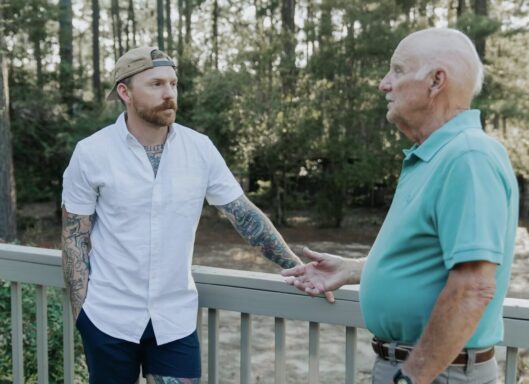
OHRS was born out of personal experience and a deep commitment to serving those who have served us. Founders Michelle and Chris Lang, after Chris’s eight years of active duty in the Army, faced the challenges of civilian life head-on when they returned to their home state of Pennsylvania in 2019. Amidst the struggles of transitioning and health issues, they discovered a frustrating truth: while many resources existed to help veterans, they were often difficult to find, especially for those in rural areas.
Determined to change this, Michelle and Chris envisioned an organization that would not only connect veterans to the resources they needed but also build a community where they felt supported, valued, and empowered.
Reaching and Connecting Rural Veterans
OHRS provides rural veterans with an Interactive Map that helps connect them with other veterans close to their proximity to assist in building a sense of community. OHRS also hosts events to bring veterans together, with a focus on rural communities. Their most recent event was a two-day celebration filled with excitement, entertainment, and most importantly, support for the heroes who’ve served our country.
Check out their full list of resources: www.ohruralsalute.org/resources
Get Involved
Support should not depend on where someone resides. Nearly 25% of veterans live in rural America, and those veterans deserve access to basic healthcare and resources as much as the other 75%. While connection and raising awareness are key, donations and volunteering are just as helpful in making this group of veterans and their families feel supported.
This June, as we shine a light on rural veterans, we proudly stand with organizations like Operation Honor’s Rural Salute (OHRS), which provide vital support to these often-overlooked heroes every day. Amplifying the voices of rural veterans remains central to Mission Roll Call’s purpose, and partnerships with organizations like OHRS help bring that mission to life.
Learn more about OHRS and how you can support their work at www.ohruralsalute.org. To join us in advocating for rural veterans and ensuring their voices are heard, visit www.missionrollcall.org.
Fuel Veteran Voices
A small gift powers the research and advocacy that brings veterans to the decision-making table.
Donate $5+