Serving the men and women of the military doesn’t always require grand gestures—sometimes, small acts of service can have a meaningful impact. Here are five simple ways you can honor, support, and give back to veterans and service members:
1. Donate to Support Military Kids and Families
The holidays can be especially tough for families living on a tight budget or coping with the stress of military life. Donating toys, clothing, or gift cards to a trusted local nonprofit can make a real difference. National programs like Toys for Tots are a great option, but so are the smaller community organizations that directly support military families, children, and veterans in your area.
2. Volunteer with a Veteran Service Organization
If you’re looking for a meaningful way to give back, consider volunteering with a veteran-focused organization in your community. Whether it’s helping at an event, providing holiday support, or lending your skills to a nonprofit, your time can have a big impact. Not sure where to start? Explore Mission Roll Call’s Veteran Resource Directory to find organizations and opportunities near you.
3. Check In with a Veteran
Sometimes the simplest act of service is reaching out. A phone call, text, or handwritten note can make a huge difference in a veteran’s day, especially for those who may feel isolated. Checking in regularly shows that you care and can help veterans feel seen and supported.
4. Support Free Community Events
Many communities offer free activities for veterans, such as museum days, park events, or local recreation programs. Participating in or volunteering at these events helps create an inclusive environment for veterans to relax, socialize, and enjoy time with family and friends.
5. Share Resources and Opportunities
Helping veterans access resources, whether it’s employment programs, mental health services, or recreational activities, can be a powerful act of service. You can also stay informed about new initiatives, such as the VA’s new ways to honor and support our heroes, and share that information with others. Sharing resources, driving them to events, or helping them fill out applications are simple yet meaningful ways to assist.
Conclusion
Acts of service don’t need to be elaborate to make an impact. Whether it’s donating, volunteering, checking in, attending free events, or sharing resources, each small effort contributes to honoring and supporting the men and women who have served. By giving a little of your time or attention, you can make a meaningful difference in the lives of veterans and their families.
Mission Roll Call: Join the Movement
Now it’s your turn to take action. Join Mission Roll Call—a nationwide community dedicated to amplifying veterans’ voices and ensuring their needs are heard and met. By adding your name, you’re standing with millions who believe every veteran deserves respect, support, and a strong community behind them.
Answer the call. Share your voice. Support those who served. Join Mission Roll Call.
Veterans have given so much of their time, energy, and sacrifice in service to our country. Sometimes the simplest gestures can mean the most. Below are 11 meaningful ways to say “thank you” to a veteran — from personal acts of kindness to nationwide programs that make a real difference.
1. Write a Personal Thank-You Note
A handwritten letter or card expressing genuine appreciation can be incredibly meaningful. Mentioning specific freedoms or opportunities you’re thankful for personally goes a long way.
Tip: Organizations like A Million Thanks collect letters of gratitude and deliver them to active-duty service members and veterans.
2. Support Veteran-Owned Businesses
Shop at, dine in, or hire veteran-owned companies. Your purchases directly support veterans’ livelihoods.
Try: Use the Buy Veteran Directory from the National Veteran-Owned Business Association to find businesses near you.
3. Volunteer with a Veterans Organization
Offering your time can mean just as much as donating money. Check out Mission Roll Call’s Veteran Resource Directory to find trusted organizations to volunteer through.
4. Attend or Organize a Veterans Event
Show up at local or national ceremonies, parades, or community events on November 11 and throughout the year, especially during moments that reflect the importance of honoring service and sacrifice.
Find events: The U.S. Department of Veterans Affairs Events Calendar lists nationwide Veterans Day and remembrance gatherings.
5. Offer Your Skills or Services
If you’re a professional in finance, legal aid, healthcare, or home repair, offer free or discounted services to veterans.
Idea: Partner with Hire Heroes USA, which helps veterans transition to civilian careers.
6. Spend Time Listening
Invite a veteran for coffee or lunch and ask about their story — then truly listen. Sometimes the best “thank you” is genuine attention and respect.
7. Fly the American Flag Respectfully and Proudly
Displaying the flag properly, especially on Veterans Day, Memorial Day, and Independence Day, shows your pride and appreciation.
Learn more: The American Legion’s Flag Etiquette Guide explains how to display the flag correctly.
8. Support Veterans’ Mental Health Initiatives
Help break the stigma by supporting or advocating for programs that provide mental-health care for veterans.
Programs to support:
- Give an Hour – offers free mental-health services.
- Stop Soldier Suicide – provides crisis support and long-term care.
9. Invite a Veteran to Share Their Story at a School or Community Event
Sharing personal stories helps preserve history and fosters understanding across generations.
Resource: Nominate a veteran—or even yourself—to be honored on our platform. Share their story and help us celebrate their service and sacrifice.
10. Include Veterans in Everyday Community Activities
Inclusion is one of the simplest ways to show appreciation. Invite veterans to join neighborhood projects, book clubs, or volunteer efforts.
Organization spotlight: Team Rubicon engages veterans in disaster-response missions worldwide.
11. Say “Thank You for Your Service”
Never underestimate the power of a sincere “thank you.” When you meet a veteran, eye contact and gratitude can go a long way.
Conclusion
Every veteran’s story is unique, and so is the way they receive thanks. Whether you write a note, attend a parade, or simply say, “Thank you for your service,” every gesture matters. By supporting veteran-focused organizations and practicing everyday gratitude, we strengthen the bond between those who served and the nation they defended.
If this list inspired you, share it with friends or post it on social media this November. Encourage others to pick one of these 11 ways and act on it. Gratitude becomes more powerful when it’s shared — let’s keep saying “thank you,” not just in words, but in action.
Turn gratitude into action with Mission Roll Call. Saying “thank you” is powerful, but listening and acting alongside veterans is even more meaningful. Mission Roll Call gives every veteran a voice in shaping the policies and programs that impact their lives. When you join, you’re not just expressing gratitude — you’re helping ensure veterans are heard, valued, and supported long after their service ends.
Join the movement. Stand with those who served. Share your voice with MissionRollCall.org to get involved today.
On June 14, 1775, the Continental Congress took a bold step by establishing the Continental Army—more than a year before the Declaration of Independence was signed. That decision marked the beginning of what would become the most formidable military force in the world.
Two and a half centuries later, we honor the generations of Americans who have served, the battles they’ve endured, and the legacy they’ve built. The 250th anniversary of the United States military is more than a historical milestone. It’s a chance to reflect on the strength, resilience, and character of those who have worn the uniform, and the families who have stood beside them.
A Legacy of Innovation and Resolve
The U.S. military has always evolved to meet the challenges of its time. From the colonial militias of the 18th century to today’s high-tech operations across land, sea, air, space, and cyberspace, service members have shaped the course of history through innovation and determination.
Throughout those years, the military has given rise to technologies that changed civilian life as well. M&Ms were created during World War II to withstand combat conditions. Super Glue was discovered while searching for materials for clear plastic rifle sights. Even duct tape began as a military invention to seal ammunition boxes. These breakthroughs are just small examples of how military service has intersected with American ingenuity.
To explore more key moments in military history, visit our interactive timeline.
Honoring FiFi
This year also marks the 80th birthday of FiFi, one of only two remaining airworthy B-29 Superfortress bombers. Built near the end of World War II, FiFi has become a living piece of aviation history. She regularly appears at airshows and commemorations around the country, offering Americans a rare opportunity to witness the power and precision of this historic aircraft.

The B-29 program introduced innovations that transformed air combat, including pressurized cabins and remote-controlled turrets. Crews who flew these bombers faced long, dangerous missions over enemy territory, often without any guarantee of return. Pilots, gunners, engineers, and support staff worked in unison to carry out one of the most technically advanced missions of the war.
Today, FiFi reminds us of the courage of that generation and the importance of preserving history for those who follow.
The Heart Behind the Uniform
Military service is a deeply personal calling. People join for different reasons: a sense of duty, a family tradition, the desire to protect others, or the opportunity to grow through challenge. What unites them is a commitment to something greater than themselves.
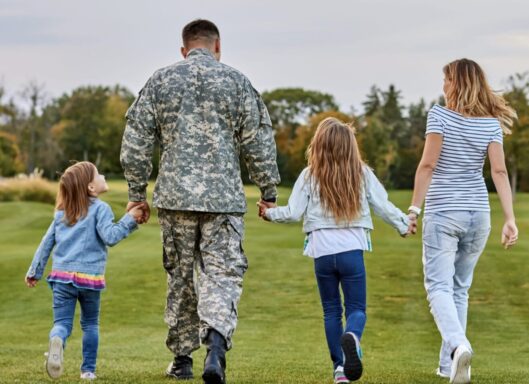
That commitment is felt not only by the service members but also by the families who support them. Spouses keep households running during deployments. Children adapt to constant change. Parents wait for phone calls, letters, or homecomings. The military community is built on shared strength, quiet sacrifices, and enduring support.

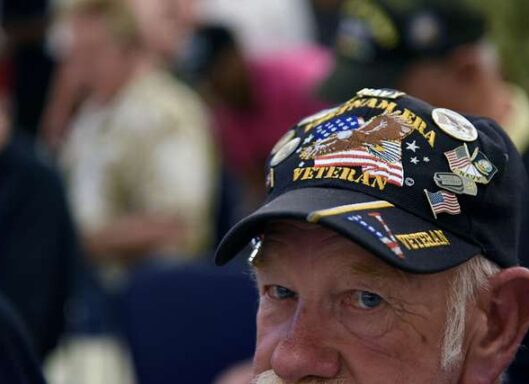
Even after the uniform comes off, the experience of service continues to shape lives. Veterans carry the pride of service and, in many cases, the physical and emotional weight of their experiences. As a nation, we have a responsibility to ensure they receive the care, respect, and recognition they deserve.
The Cost—and the Promise—of Service
For every story of innovation or victory, there are also stories of loss, trauma, and hardship. Military service demands more than physical strength. It calls for courage under pressure, moral conviction in complex environments, and the ability to persevere through adversity.
At Mission Roll Call, we listen to veterans, amplify their voices, and advocate for solutions that reflect their real needs. Through real-time polling and outreach, we connect veterans and their families with decision-makers to influence positive change.
We’ve explored some of the challenges they face in our series of “State of” articles, including the State of Veterans, State of Veterans Mental Health, and the State of Military Families. These reports offer an honest, data-driven look at where we are—and where we must go to better support those who served and their families.
Looking Ahead
As we mark this 250-year anniversary, we do so with deep gratitude and clear purpose. Gratitude for those who stepped forward to serve. Purpose in our ongoing mission to support them.
The future of the U.S. military will be shaped by new challenges, emerging technologies, and the next generation of brave Americans. But the core values—duty, honor, service—remain the same. These values have carried us through war and peace, progress and pain, and they will continue to guide us in the years ahead.
We invite you to join us in honoring this historic milestone. Visit our military timeline to learn more about key moments across 250 years of service. Talk to a veteran. Attend a local ceremony. Fly the flag with pride.
Because no matter what changes, one thing will always be true:
Freedom isn’t free.
But it is worth it.
Want to honor a service member in your life? Follow Mission Roll Call on social media, share your story, or support our mission to ensure veterans are heard—today and always.
Fuel Veteran Voices
A small gift powers the research and advocacy that brings veterans to the decision-making table.
Donate $5+