Vets to Drones: The Drone Industry Has a Spot for You
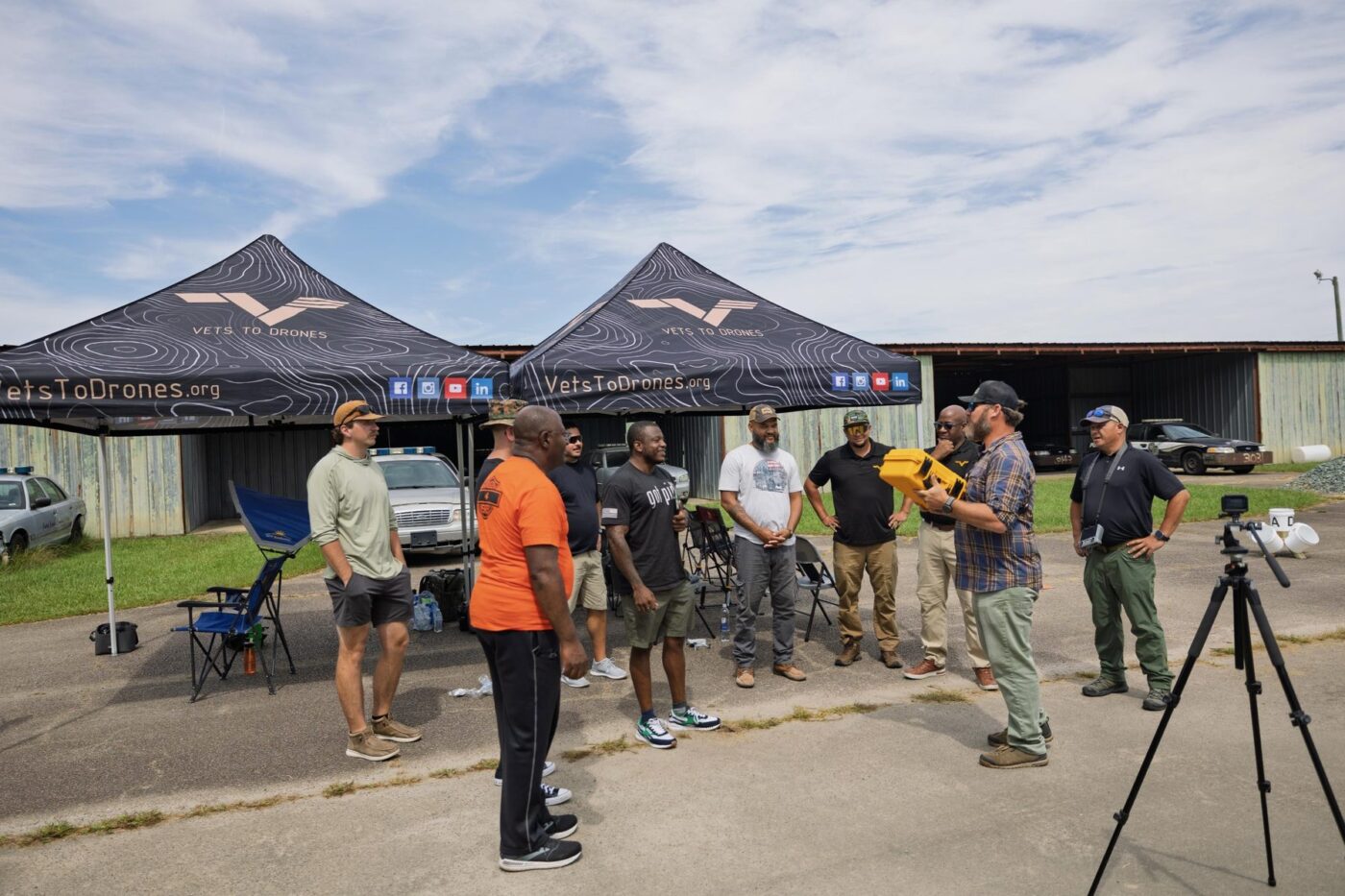
Chris Lewis was 20 years old, a lance corporal in the Marine Corps, on convoy security duty in Afghanistan in 2011, when someone handed him a box and told him he needed to use it.
“What’s in the box?” He asked.
“A drone,” they said.
“What’s a drone?”
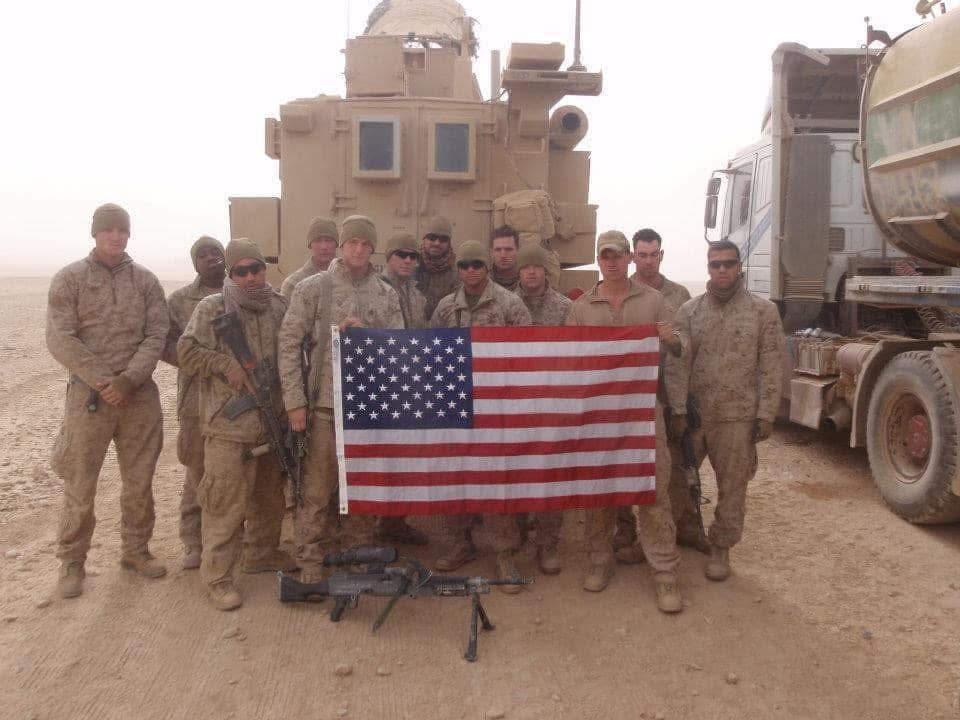
He figured it out. He got the small fixed-wing Raven in the air, put it into orbit around the convoy, and for the first time saw the ground below in a way no truck camera or ground-mounted system could replicate. Everything was visible. Everything made sense from up there.
Landing on Mars
CChris served nine and a half years across the Marine Corps and Army before an injury cut his military career short He got out without a plan and, by his own description, no proper skills to fall back on.
“It was like landing on Mars,” he said. “Everything around me was weird.”
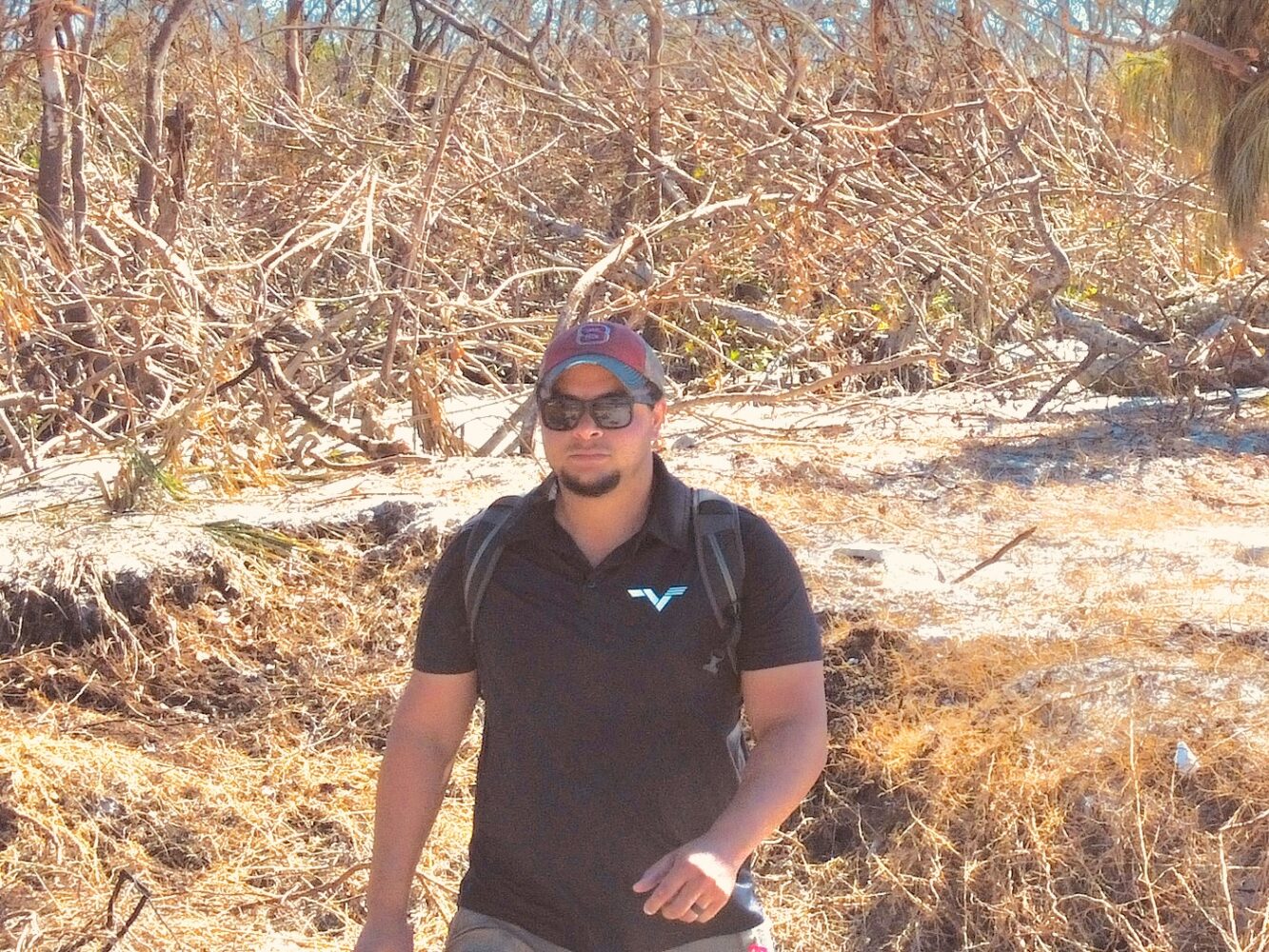
He found his footing at NC State through the military veterans support center and the student Veterans Association, dragging other veterans along with him into competitions, food banks, and urban agriculture projects. He was studying science, technology, and society, working in a plant physiology lab, and headed toward a graduate research program doing agricultural drone mapping across North Carolina.
Then COVID hit, the laboratory shut down, and once again the plan disappeared.
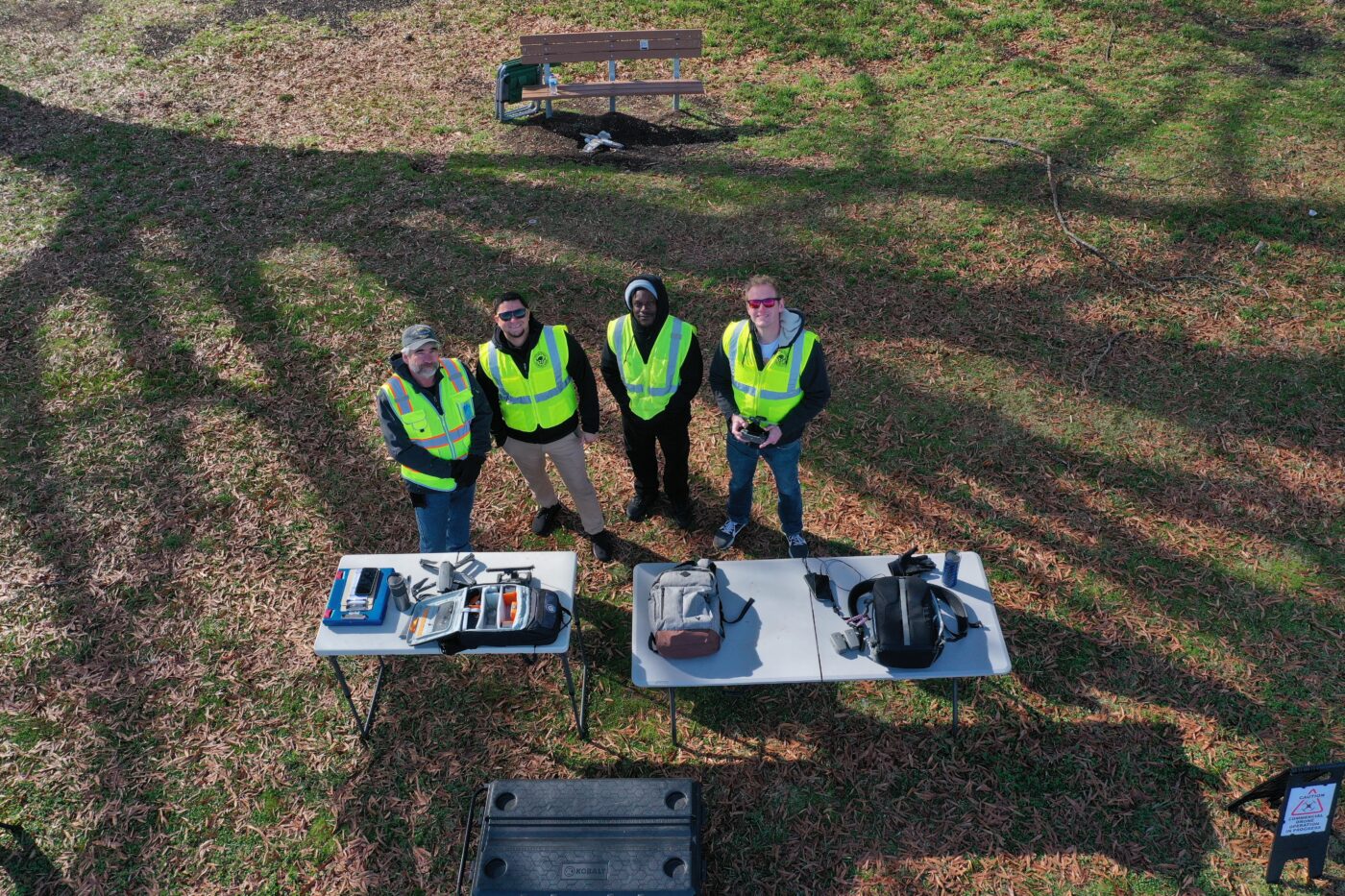
He was standing in a park in Raleigh, a wide-open field called Bigg Field, where people take drones to test them under an open skyline with a clear view of downtown, when a stranger asked if he wanted to go to California and make money flying drones around power lines.
He said yes.
“We drove across the country because it was COVID and everybody was scared of flying,” he said. “Got out there and learned what the American drone industry was.”
What followed was years of work he describes as fitting like a glove. Wildfire mitigation and powerline inspections across California, from San Diego to Mammoth Lakes. Hurricane Dorian recovery in Florida. Telecom and construction mapping across the Midwest. He was outside. He was moving. He was operating equipment that felt like an extension of everything he had trained on in uniform. And he started bringing other veterans with him.
“Hey, I found this thing,” he would tell them. “I don’t know what you’re doing for work right now, but come with me to California. It could change your life.”
That is, organically, how Vets to Drones got off the ground.
The Co-Founder He Does Not Get to Call
The idea took real shape when Chris reconnected with a fellow Marine who had gotten out and attended NC State ahead of him, someone who had helped him navigate his own transition and landed at Cisco making six figures a year wearing a T-shirt and jeans, drinking beer and eating cookies after a long-days work, a life so different from anything Chris had known in uniform that it almost seemed fictional. 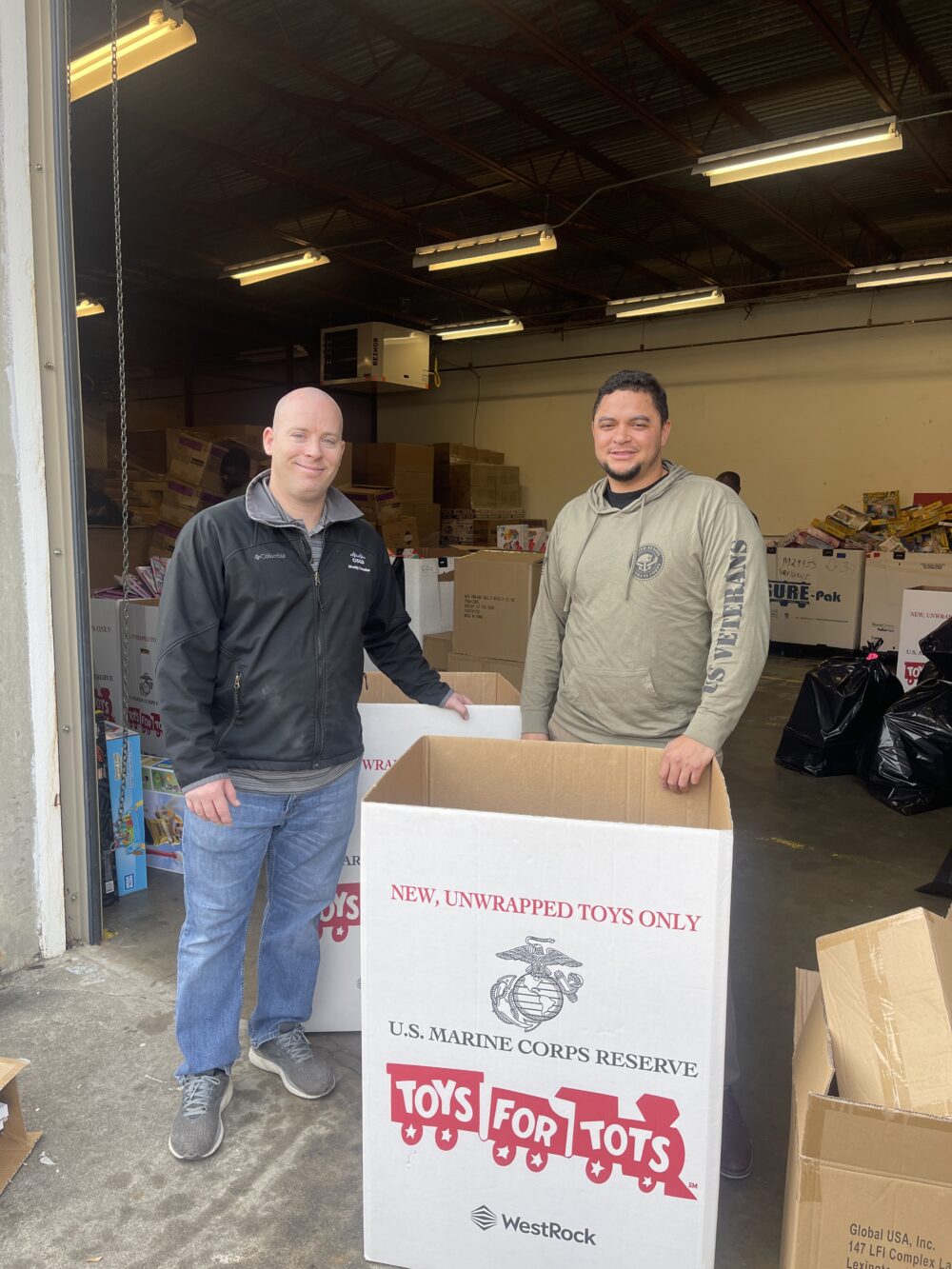
That Marine was Sgt. Patrick Kinane, a fellow Marine Corps veteran who had gotten out and gone to attended NC State ahead of Chris, someone who had helped him navigate his own transition and landed at Cisco making $230,000 a year wearing a T-shirt and jeans, drinking beer and eating cookies at the office, a life so different from anything Chris had known in uniform that it almost seemed fictional.
“I was like, what is this world that you live in?” Chris said.
Kinane became a co-founder of Vets to Drones, contributing $300 to get the website up and running, building the vision alongside Chris of creating real pathways for veterans into the drone industry, a hand-up organization rather than a handout one.
In 2022, he took his own life. 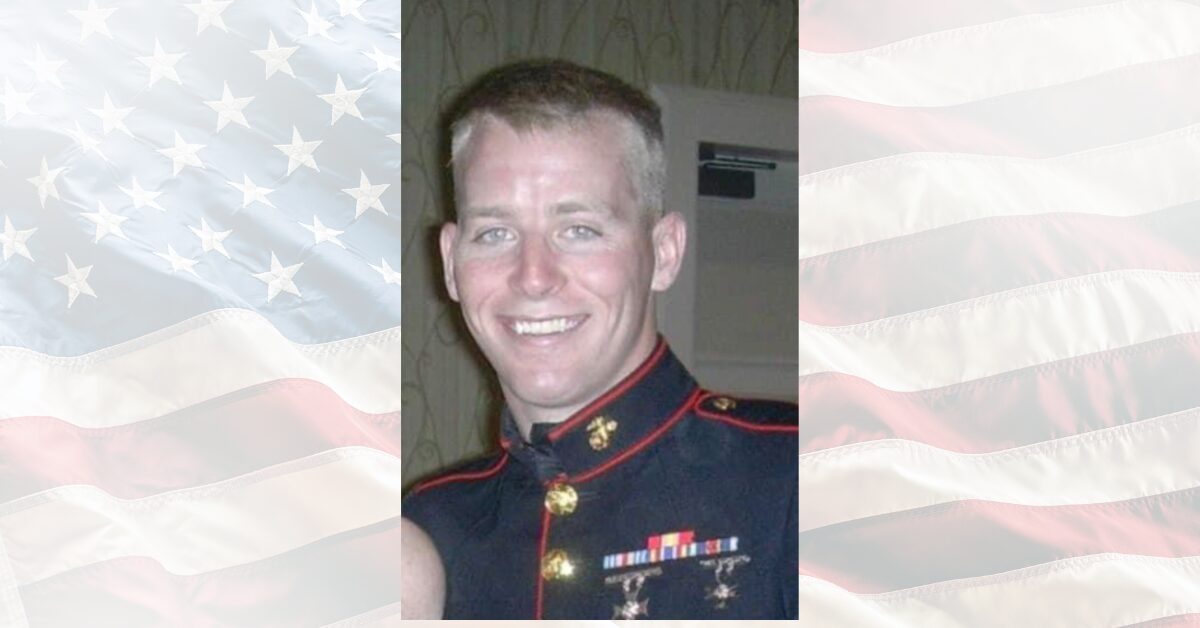
Chris carries that loss with him in the work. It shifted everything. He had been running his own drone business, doing well, helping veterans find their footing in the industry. After 2022, the nonprofit mission came into sharper focus. He had seen what well-funded, well-intentioned organizations could offer veterans in terms of gifts and events and comfort items. What he wanted to build was different. Something a veteran could use to empower themselves. Something that assumed what every veteran already knows: that they are capable of more than anyone is giving them credit for.
“Hand up organization, not a handout,” he said, borrowing a phrase from a former master gunnery sergeant who also works at Cisco. “We give you all the tools you need to be successful in this thing. But it’s on you. We know what you’re capable of. Come do it.”
What Vets to Drones Actually Does
The organization now has more than 3,000 members in its portal, a number that crossed the milestone the same week Chris sat down to talk. The platform is free for all veterans, verified through GovX, and built to function as a full community and career infrastructure rather than a resource list.
Members get access to a training library that runs from an introduction to the industry all the way through FAA Part 107 certification preparation, the commercial drone pilot license that opens the door to paid work. Quizzes, curriculum developed by a curriculum director with a background in community college education. Once a veteran submits their Part 107 certification to the organization, a gold checkmark appears on their profile, they are flagged as work-ready, and they gain access to a deeper, industry-specific training database covering how to actually turn flight time into a career: data collection, client work, understanding what employers are paying for and why.
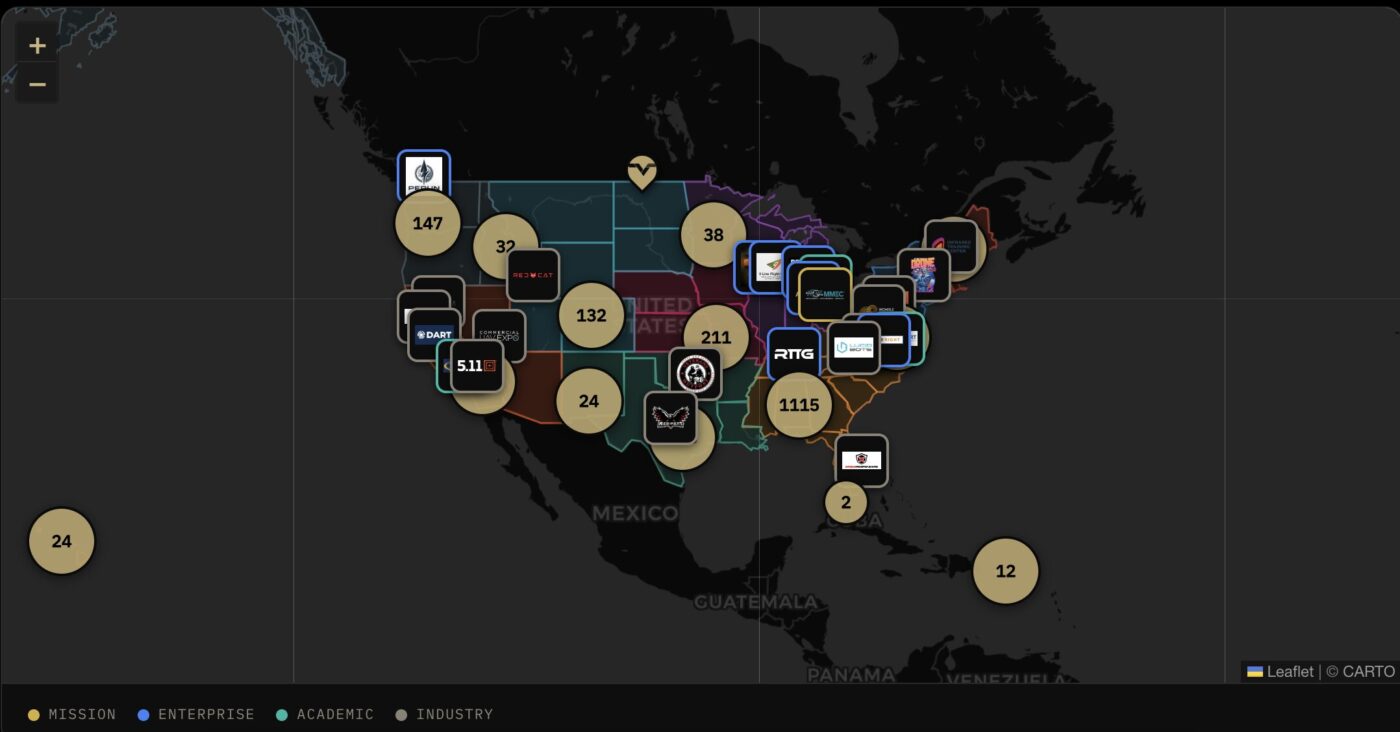
The directory inside the platform lets veterans search by unit and campaign, going back to Vietnam, finding brothers and sisters they served with from across the country who have landed in the same industry. Veterans who are freelancing, veterans who are building businesses, veterans who are getting hired. Job postings from partner companies sit alongside each other, with veteran-owned companies highlighted in their own color. Between two veteran-owned partner companies alone, Vets to Drones has connected 20 to 30 veterans to employment since the program launched.
The platform also has a community message board, completely private, vet to vet, where members can communicate without the organization able to monitor the conversation. It is, Chris said, about finding each other, not about surveillance.
Training events happen monthly, across the country, in New York, Philadelphia, Monterey, the Seattle area, Las Vegas. A sixth day is built into each week-long training, dedicated to community outreach, connecting the veterans who just trained with the employers and communities around them. The plan for next year is 10 of those events in 10 locations.
Ben Poulin: The Civilian Who Showed Up
When Vets to Drones started scaling, Chris needed someone who could organize it. He is a big ideas, move fast, set things on fire and see what lands kind of person, by his own description. What the program needed alongside that was structure.
Ben Poulin is a civilian, one of 3,000 members and the lone non-veteran in the organization. His background is in education. He started as a high school teacher, moved into the community college system, and developed a drone program at Beaufort County Community College that eventually became a partner and scholarship pipeline for Vets to Drones graduates. He and Chris had worked together on a few events and fundraising projects when Hurricane Helene hit and Chris called him. 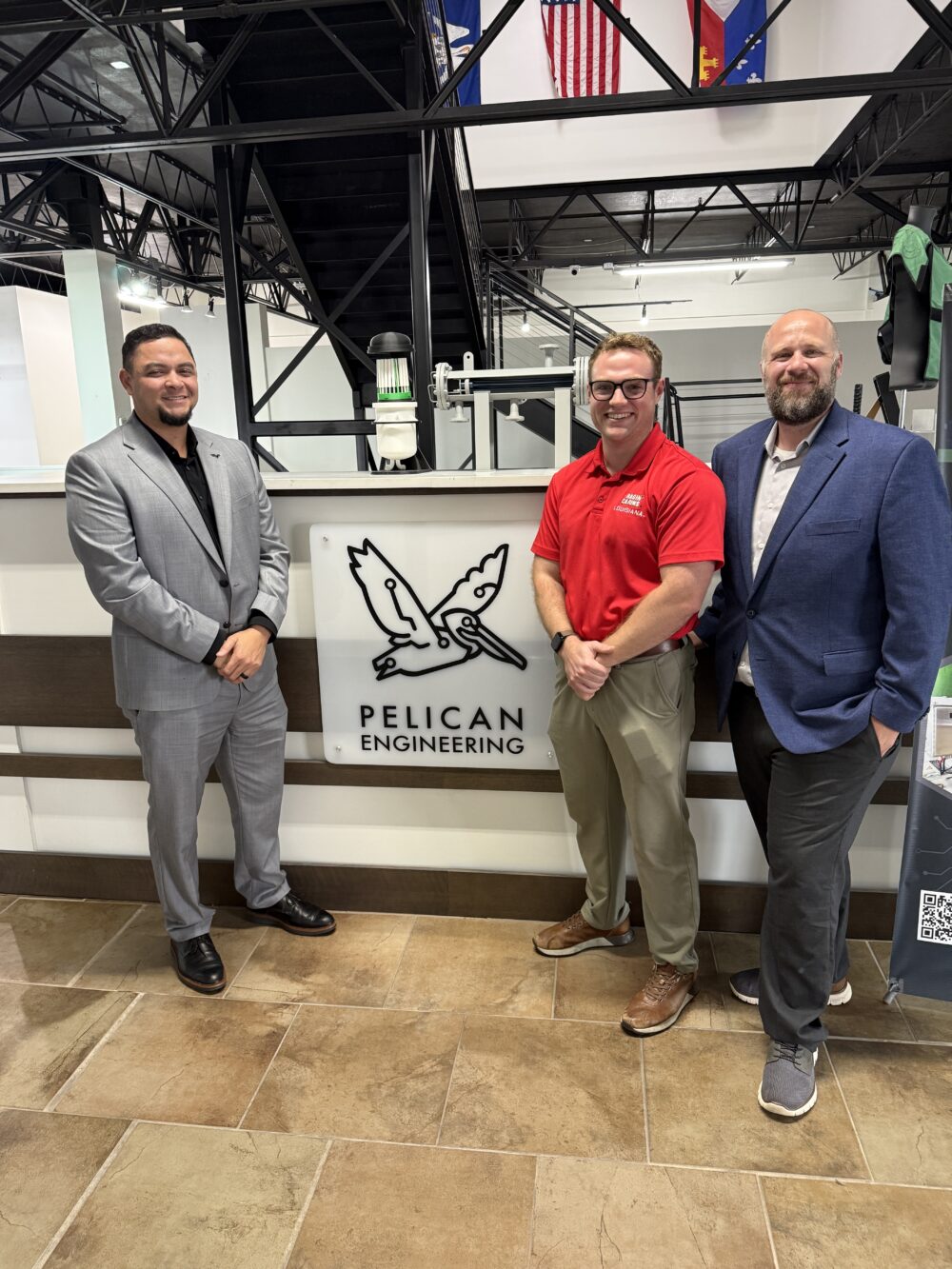
“We need more drones, we need more people. Do you want to come to the mountains?”
Ben said yes.
“I was like, all right, this guy’s crazy. I like him,” Chris said.
They spent about nine months working together in the mountains during Helene response. By the time it was over, Ben was done with traditional education and fully committed to the mission. He had volunteered for six to eight months building out the entire curriculum inside the training portal before Chris was able to bring him on full time in February of this year.
“He develops the curriculum like a wizard,” Chris said. “Everything you see in that portal, he built.”
Who This Is For
The drone industry has a reputation problem with veteran hiring, and Chris is direct about it. Employers have been burned by what he calls the “Facebook drone pilot,” someone who bought a consumer drone, watched some YouTube tutorials, and showed up claiming professional credentials. Vets to Drones exists in part to solve that.
But the more important shift happening right now is on the supply side. Veterans are getting out with hundreds, sometimes thousands, of hours of actual flight experience, from small unmanned systems all the way to MQ-9 Reapers. All they need is the Part 107 certification, and they are ready. The industry is beginning to understand that.
For veterans who have never touched a drone, the message is simpler: it does not matter. Infantry background, support roles, medical, administrative, it does not matter what the MOS was. What the industry needs is people who can adapt, work hard, and operate complex equipment under pressure. That description fits every veteran who shows up. 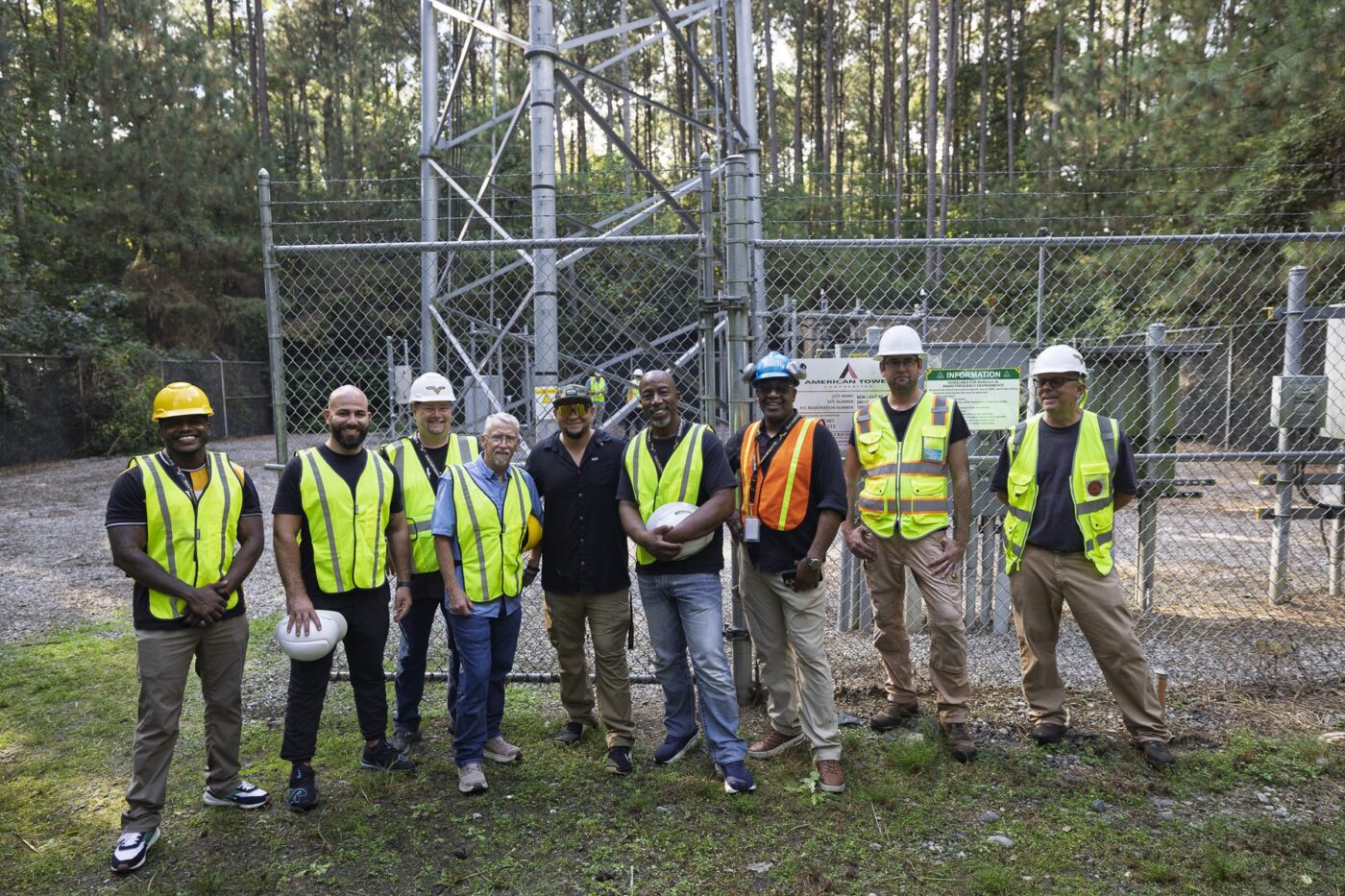
Discharge status, Chris said, is also not a barrier inside Vets to Drones. On the commercial side of the industry, he has watched people who were living in vans during COVID, essentially homeless, build successful careers because the work was in front of them and they were willing to go after it.
“You served,” he said. “Here’s an opportunity. Figure out how you’re gonna survive in the civilian world, because it’s hard for all of us. Your background doesn’t matter.”
What He Wants the Lost One to Know
For a veteran sitting somewhere right now, a few years out, still not settled, not sure what direction any of this is supposed to go: Chris has been there. He got out abruptly, without a plan, without a clear set of civilian skills to fall back on. He found this industry by standing in a park and saying yes to a stranger with a job offer and a long drive to California.
“The opportunity is real,” he said. “This industry can change your life in a real way, whether you’re looking for a job, you want to freelance and travel the country, or you want to start a business. Opportunity is here.” 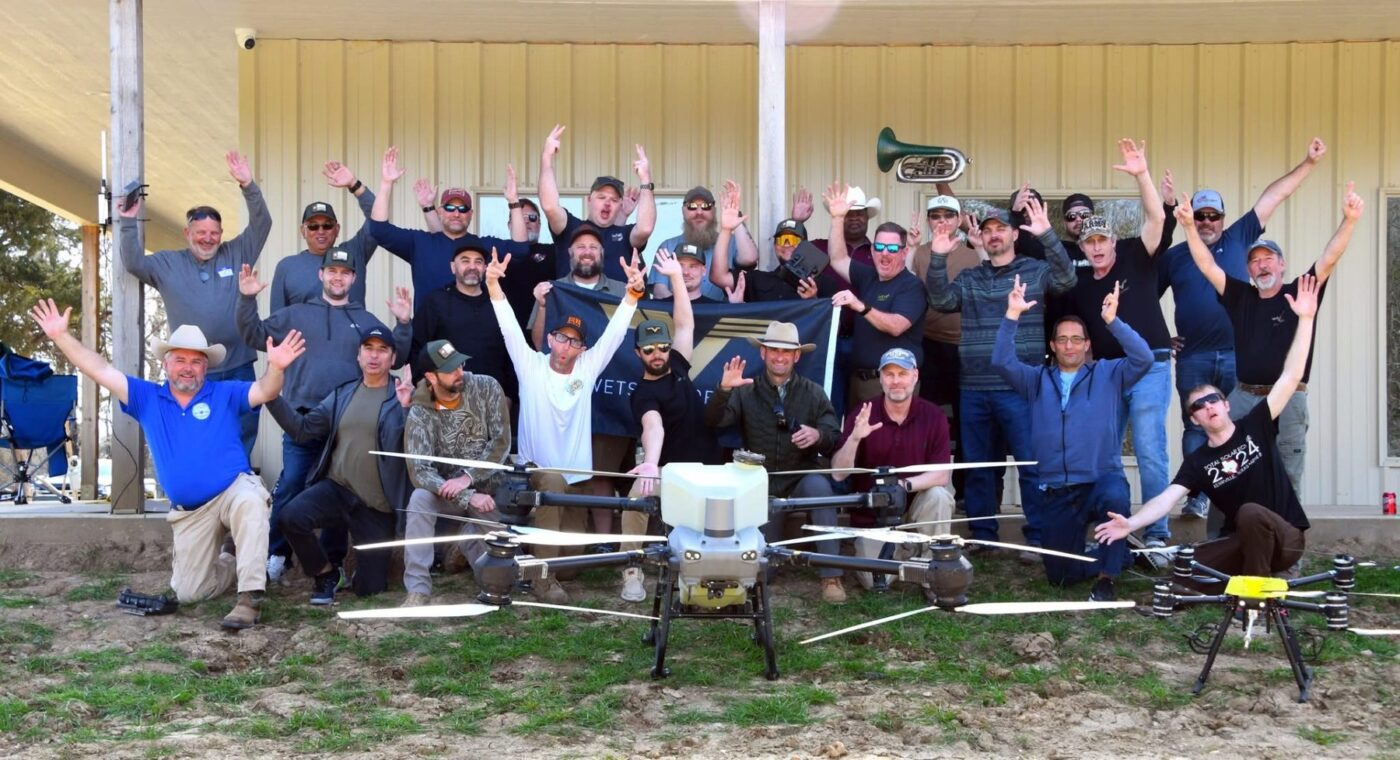
The membership is free. If a veteran joins and does not find it useful, they can leave. But what Chris has watched happen inside this community, over and over, is that once veterans find each other in a space oriented toward the future, toward technology that keeps moving, toward work that is not a cubicle, something shifts.
“The technology helps veterans look forward,” he said. “Because it’s moving so fast, you don’t want to miss out on what’s coming next.”
How to Connect
Vets to Drones is free to join for all veterans at vetstodrones.org. Membership is verified through and includes access to the training portal, the veteran directory, job board, and community network. Training events are scheduled monthly across the country.
Find out more about Vets to Drones and organizations like it in the Mission Roll Call Veteran Resource Directory.
If you or someone you know is struggling, the Veterans Crisis Line is available 24 hours a day, 7 days a week. Call 988 and press 1, text 838255, or chat at veteranscrisisline.net.