If you’re a veteran or service member living with a service-connected disability, your home should support your independence. Thankfully, the Department of Veterans Affairs offers several disability housing grants that can help you buy, build, or modify a home to better meet your needs.
In our latest episode of Mission Roll Call University (MRCU), we break down everything you need to know about VA’s three main housing grant programs: who qualifies, how much you could receive in 2024, and how to apply.
Here’s what you need to know:
- Three types of grants are available:
- Specially Adapted Housing (SAH) Grant: Up to $117,014 in 2024 for major modifications or a new home.
- Special Housing Adaptation (SHA) Grant: Up to $23,444 in 2024 for different qualifying disabilities.
- Temporary Residence Adaptation (TRA) Grant: Up to $47,130 for SAH-qualified veterans or $8,415 for SHA-qualified veterans living temporarily with family.
- Eligibility is based on service-connected disabilities, such as loss of limbs, blindness, severe burns, or respiratory injuries.
- You can use the grant up to six times across your lifetime—giving you flexibility as your needs change.
- Applications are submitted through VA Form 26-4555, either online, by mail, or in person at a VA regional office.
- Additional tools are available, including the VA’s Housing Design Handbook and step-by-step YouTube guides.
Want to explore your options or help someone else get started? Watch the full episode of MRCU to see how these grants work and how to apply.
Watch now:
For more veteran-focused resources, tips, and walkthroughs, check out our other episodes on the MRCU YouTube channel.
Because every veteran deserves a home that works for them.
Freedom and Independence: Basic Veteran Needs
More than 750,000 people in the United States, including veterans, live with spinal cord injury or disease (SCI/D). The Paralyzed Veterans of America (PVA) is a key organization dedicated to supporting these veterans. PVA ensures that every veteran living with a spinal cord injury or disease can reclaim what they fought for: their freedom and independence.
At Mission Roll Call, we believe that amplifying veteran voices includes connecting them to valuable resources, especially organizations like PVA that help fill the gaps and restore the freedom so many fought to protect.
PVA supports research, educational programs, and other initiatives that unite people and activities toward a single mission: improved quality of life for everyone with SCI/D. PVA is the only nonprofit Veteran Service Organization dedicated solely to helping veterans with spinal cord injuries and disorders (SCI/D), and diseases, like MS and ALS.
Founded on Experience
PVA was founded by a group of service members who returned home from World War II in 1946 with spinal cord injuries and few to no solutions to the major challenges they faced. Unable to comfortably live in their homes or get around by public transportation, they found barriers to independence everywhere.
On a mission to improve accessibility for themselves, their fellow paralyzed veterans, and all people with disabilities, these veterans joined together to form PVA. Today, more than 75 years later, PVA remains a major support system for our nation’s paralyzed and disabled heroes. These wounded heroes made a decision not just to live, but to live with dignity as contributors to society.
PVA and Mission Roll Call have similar goals in that we both amplify veteran voices through research, resources, and fight for actual change.
PVA’s Impact by the Numbers:
- PVA’s Impact on Benefits: PVA has secured over $1.2 billion in benefits for veterans and their families.
- Accessibility Assistance: In 2022 alone, PVA provided over $32.8 million for veterans’ home accessibility modifications and $9.6 million for vehicle adaptations.
- Research Funding: PVA has invested $49,870,331 in grants through its Research Foundation since its inception in 1976, according to PVA’s 2019 legislative priorities.
- Employment Support: PVA has helped over 4,100 veterans, military spouses, and caregivers find meaningful employment, according to PVA’s 2019 legislative priorities.
- Benefits Secured: In 2024, PVA’s General Counsel National Appeals Office and NSOs recovered $7 million for veterans, according to PVA’s 2024 annual report.
- Favorable Decision Rates: PVA has a 100% favorable decision rating with the Court of Appeals for Veterans Claims and an 87% favorable decision rating with the Board of Veterans Appeals, according to PVA’s 2024 annual report.
Veterans are Counting on Us
More than 12,000 people in the US, including veterans, sustain a spinal cord injury each year. This often leads to a loss of motor and/or sensory function. While PVA plays a vital role in advocating for and assisting these veterans, there are ways we can all help.
To give veterans independence, you can support organizations like Paralyzed Veterans of America, volunteer with specific advocacy groups, or offer direct assistance by helping with transportation to appointments or providing emotional support. At Mission Roll Call, we amplify the voices of veterans and their families and connect them with the resources they need to thrive. Every action matters. With your support, paralyzed and disabled veterans can access the programs and services that make a life of dignity and independence possible. With one action, you can help paralyzed and disabled veterans move forward in life by supporting programs and services they rely on to live a life of dignity and independence.
In this special two-part episode of The Lasting Mission podcast, Mission Roll Call CEO Jim Whaley sits down with longtime friend and fellow veteran Walt Piatt, retired Lieutenant General and the new CEO of the Wounded Warrior Project.
Their conversation covers a lot of ground—from their early days in Panama to leading two major veteran organizations—but the message is clear: we need to do more to support the men and women who served.
Part One: Finding Purpose After Service
In Part One, Walt shares his journey from enlisted infantryman to Army general, and now to CEO of the Wounded Warrior Project. He talks about the challenges many veterans face after leaving the military—losing their sense of identity, struggling to reconnect, and carrying the invisible wounds of war.
Wounded Warrior Project helps veterans find their way back through mental health support, programs like Project Odyssey, and simply reminding them they’re not alone.
“Healing begins with movement,” Walt says. “And we walk with veterans every step of the way.”
Watch Part One:
Part Two: Advocacy, Transition & Family Support
Part Two focuses on what’s next for the Wounded Warrior Project and for the veterans and families they serve.
Walt explains how WWP is working to improve access to care, support veteran families, and make sure lawmakers hear directly from warriors themselves. He also opens up about how writing poetry helped him process his experiences, and how important it is for all veterans to find their outlet for healing.
“You can’t just leave the military and expect everything to fall into place,” Walt says. “We have to meet veterans where they are—and keep showing up.”
Watch Part Two:
Why This Matters
- 1 in 3 post-9/11 veterans face challenges with PTS, brain injury, or trauma.
- More than 50% of veterans aren’t connected to the VA or a support organization.
- Connection saves lives—and that starts with all of us.
If you’re a veteran, a caregiver, or someone who wants to help, visit woundedwarriorproject.org to get involved, or check out missionrollcall.org to see how we’re working together to make sure no one is left behind.
On June 14, 1775, the Continental Congress took a bold step by establishing the Continental Army—more than a year before the Declaration of Independence was signed. That decision marked the beginning of what would become the most formidable military force in the world.
Two and a half centuries later, we honor the generations of Americans who have served, the battles they’ve endured, and the legacy they’ve built. The 250th anniversary of the United States military is more than a historical milestone. It’s a chance to reflect on the strength, resilience, and character of those who have worn the uniform, and the families who have stood beside them.
A Legacy of Innovation and Resolve
The U.S. military has always evolved to meet the challenges of its time. From the colonial militias of the 18th century to today’s high-tech operations across land, sea, air, space, and cyberspace, service members have shaped the course of history through innovation and determination.
Throughout those years, the military has given rise to technologies that changed civilian life as well. M&Ms were created during World War II to withstand combat conditions. Super Glue was discovered while searching for materials for clear plastic rifle sights. Even duct tape began as a military invention to seal ammunition boxes. These breakthroughs are just small examples of how military service has intersected with American ingenuity.
To explore more key moments in military history, visit our interactive timeline.
Honoring FiFi
This year also marks the 80th birthday of FiFi, one of only two remaining airworthy B-29 Superfortress bombers. Built near the end of World War II, FiFi has become a living piece of aviation history. She regularly appears at airshows and commemorations around the country, offering Americans a rare opportunity to witness the power and precision of this historic aircraft.

The B-29 program introduced innovations that transformed air combat, including pressurized cabins and remote-controlled turrets. Crews who flew these bombers faced long, dangerous missions over enemy territory, often without any guarantee of return. Pilots, gunners, engineers, and support staff worked in unison to carry out one of the most technically advanced missions of the war.
Today, FiFi reminds us of the courage of that generation and the importance of preserving history for those who follow.
The Heart Behind the Uniform
Military service is a deeply personal calling. People join for different reasons: a sense of duty, a family tradition, the desire to protect others, or the opportunity to grow through challenge. What unites them is a commitment to something greater than themselves.
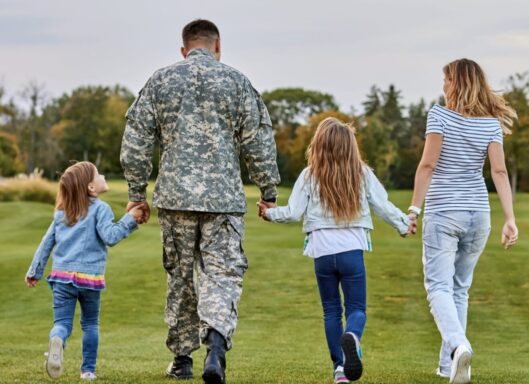
That commitment is felt not only by the service members but also by the families who support them. Spouses keep households running during deployments. Children adapt to constant change. Parents wait for phone calls, letters, or homecomings. The military community is built on shared strength, quiet sacrifices, and enduring support.

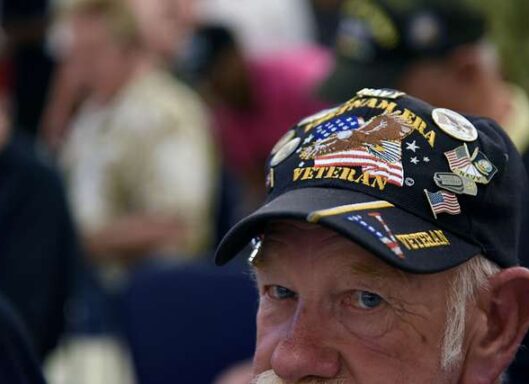
Even after the uniform comes off, the experience of service continues to shape lives. Veterans carry the pride of service and, in many cases, the physical and emotional weight of their experiences. As a nation, we have a responsibility to ensure they receive the care, respect, and recognition they deserve.
The Cost—and the Promise—of Service
For every story of innovation or victory, there are also stories of loss, trauma, and hardship. Military service demands more than physical strength. It calls for courage under pressure, moral conviction in complex environments, and the ability to persevere through adversity.
At Mission Roll Call, we listen to veterans, amplify their voices, and advocate for solutions that reflect their real needs. Through real-time polling and outreach, we connect veterans and their families with decision-makers to influence positive change.
We’ve explored some of the challenges they face in our series of “State of” articles, including the State of Veterans, State of Veterans Mental Health, and the State of Military Families. These reports offer an honest, data-driven look at where we are—and where we must go to better support those who served and their families.
Looking Ahead
As we mark this 250-year anniversary, we do so with deep gratitude and clear purpose. Gratitude for those who stepped forward to serve. Purpose in our ongoing mission to support them.
The future of the U.S. military will be shaped by new challenges, emerging technologies, and the next generation of brave Americans. But the core values—duty, honor, service—remain the same. These values have carried us through war and peace, progress and pain, and they will continue to guide us in the years ahead.
We invite you to join us in honoring this historic milestone. Visit our military timeline to learn more about key moments across 250 years of service. Talk to a veteran. Attend a local ceremony. Fly the flag with pride.
Because no matter what changes, one thing will always be true:
Freedom isn’t free.
But it is worth it.
Want to honor a service member in your life? Follow Mission Roll Call on social media, share your story, or support our mission to ensure veterans are heard—today and always.
Fuel Veteran Voices
A small gift powers the research and advocacy that brings veterans to the decision-making table.
Donate $5+