Top 6 Innovations Supporting Injured Veterans
The technology available to veterans with service-connected injuries right now is substantially better than what most of them are being told about. Some of it is decades in the making. Some of it launched in the past year. All of it is accessible through the VA or connected programs, and most of it costs the veteran nothing out of pocket.
1. ReWalk Personal Exoskeleton
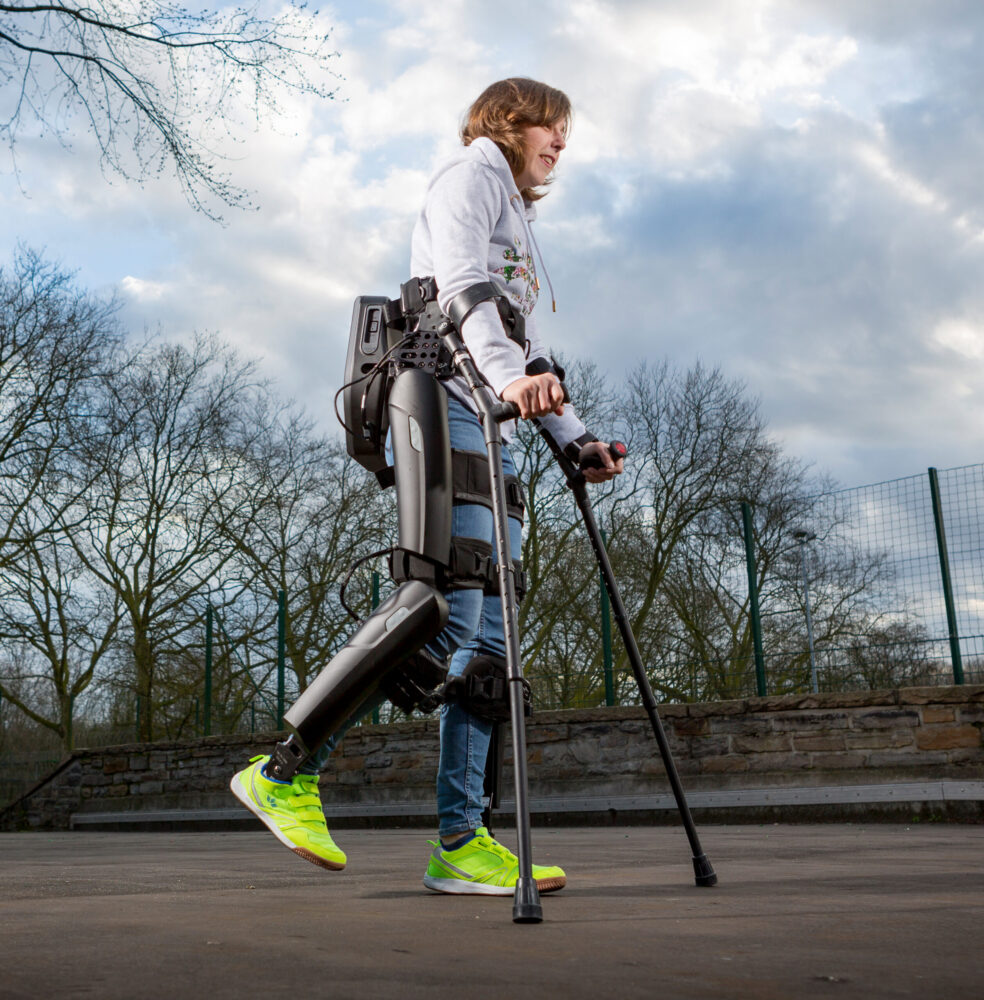
The ReWalk is a wearable robotic exoskeleton that provides powered hip and knee motion for veterans with spinal cord injuries, enabling them to stand, walk, turn, and climb stairs. The VA has a national coverage policy that makes qualifying veterans eligible to receive a personal ReWalk system at no cost, regardless of whether the spinal cord injury is service-related.
The process runs through designated VA Training Centers: a veteran is evaluated, completes a training period and, if they meet the physical criteria, the medical center submits a procurement request. The ReWalk 7 launched nationally in the United States in April 2025. Army veteran Gene Laureano, who has been using the device since 2013, described the impact in a Lifeward case profile: “After my injury, my days were boring. Because of ReWalk, my confidence is back. I’m living again.” To find an exoskeleton-certified VA provider, start at golifeward.com/for-veterans.
2. VA Immersive: Virtual Reality for PTSD and Pain
VA Immersive has deployed more than 1,450 VR headsets across 165-plus VA medical centers and outpatient clinics in all 50 states, Puerto Rico, Guam and American Samoa. The program uses immersive virtual reality for Post-Traumatic Stress Disorder (PTSD) treatment, pain management and rehabilitation, giving clinicians a tool for prolonged exposure therapy and giving veterans a way to engage with treatment that some find more accessible than traditional in-office sessions.
In April 2026, the VA expanded the program further, deploying more than 700 in-home VR mental wellness kits nationwide through a partnership with Healium and SoldierPoint Digital Health. The platform uses real-time biofeedback to help veterans self-regulate stress and anxiety outside of clinical settings. Research published in peer-reviewed journals found the platform can reduce anxiety in as little as four minutes. Veterans interested in VR-based options should ask their VA care team specifically about VA Immersive and whether their facility has the BraveMind system for PTSD treatment.
3. VA AUTO Act Vehicle Grants
Before 2023, veterans with qualifying service-connected disabilities could receive a VA automobile grant exactly once in their lifetime. The AUTO Act changed that, allowing veterans to apply for a new grant every 10 years. The grant, currently $27,074.99 as of October 2025, can be used toward the purchase of a specially equipped vehicle. Adaptive equipment — hand controls, wheelchair lifts, power steering, modified seating — is funded separately and does not count against the vehicle grant cap.
Modified vehicles typically cost between $20,000 and $80,000 new, and the average lifespan of a modified vehicle runs about 11.5 years. The 10-year renewal cycle aligns with that reality in a way the lifetime cap never did. Veterans who received a one-time grant years ago and have not heard about the AUTO Act change should contact their VA benefits office or a veterans service organization to check eligibility.
4. Hyperbaric Oxygen Therapy with HBOT4Heroes
Hyperbaric oxygen therapy floods the brain with oxygen in a pressurized environment, stimulating healing at the cellular level. For veterans with Traumatic Brain Injury (TBI) and PTSD, the treatment has shown meaningful results where conventional care has fallen short. The problem has been access: HBOT is not covered by most insurance, and the VA does not broadly fund it, leaving veterans who could benefit without a clear path to treatment.
HBOT4Heroes, a North Carolina-based 501(c)(3), closes that gap by funding 100% of HBOT costs for qualifying veterans. Each treatment series runs approximately $6,500. The organization has reported a 95% efficacy rate among veterans treated, and North Carolina passed legislation in 2019 authorizing HBOT for veterans with TBI and PTSD, with HBOT4Heroes as a central part of that program’s implementation. Veterans outside North Carolina can also apply. Learn more and apply at hbot4heroes.org.
5. VA Office of Advanced Manufacturing
The VA’s Office of Advanced Manufacturing uses 3D printing and advanced fabrication to produce patient-specific assistive devices when standard prosthetics or orthotics do not fit the need. VHA providers can request custom devices directly through the OAM on behalf of their patients.
For veterans whose injuries or anatomy fall outside what commercial manufacturers produce, this is the pathway worth knowing about. It does not require a veteran to seek out a private manufacturer or pay out of pocket. The referral starts with a VA provider at innovation.va.gov/oam.
6. PTSD Coach and VA Mobile Health Tools
PTSD Coach, developed by the VA, remains one of the most practical tools available for veterans managing post-traumatic stress between appointments. The app offers self-assessment, symptom management tools and resources for finding professional help at no cost on iOS and Android.
A 2025 Mission Roll Call poll found that 74% of veterans would use an online healthcare portal if one were available. The VA has responded with an expanding suite of mobile and telehealth options, including Mindfulness Coach and expanded telehealth delivery of cognitive processing therapy and prolonged exposure therapy through the VA National Telemental Health Center. Both evidence-based treatments are now available remotely, without requiring travel to a facility, which matters particularly for veterans in rural areas or those with mobility limitations.
Veterans in crisis can reach the Veterans Crisis Line by dialing 988 and pressing 1.
For a full directory of veteran-focused resources and organizations, visit Mission Roll Call’s Resource Directory.