From the Barracks to the Ballot Box: Why Veterans Make Great Poll Workers
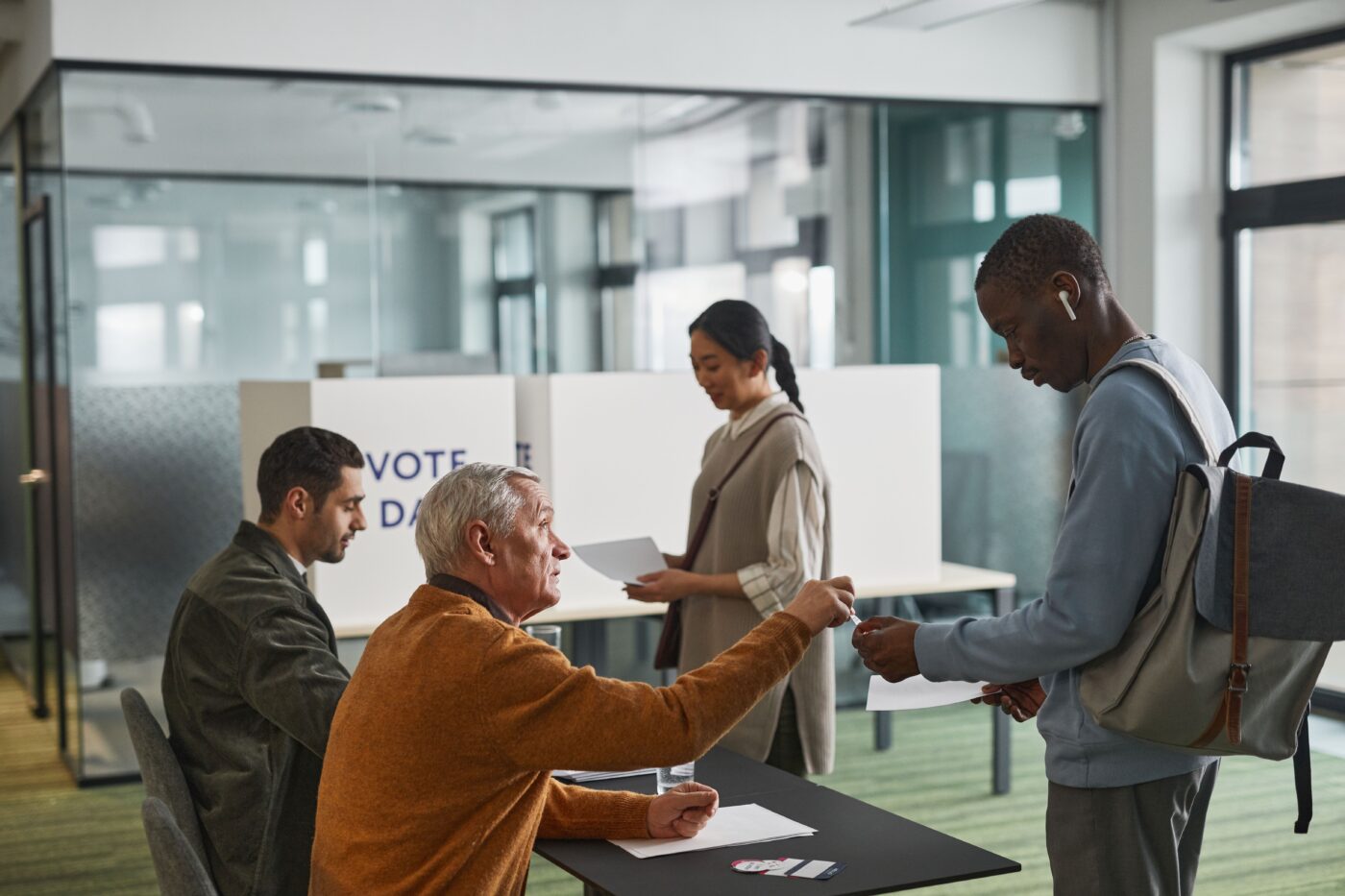
Every Election Day, thousands of polling places depend on one thing: people willing to show up early, stay late, and make sure every eligible voter can cast a ballot. Those people are poll workers, and veterans are well suited to the job.
The skills that carry a service member through a deployment or a duty station, including attention to detail, respect for procedure, and a steady head under pressure, are the same skills that keep an election running smoothly. With Election Day on Tuesday, Nov. 3, now is the time to consider signing up.
Why Veterans Make Strong Poll Workers
Poll work is less about politics and more about process. It rewards people who are dependable, organized, and fair, which describes many veterans.
- Attention to detail. Checking in voters, verifying information, and handling ballots all call for accuracy. Veterans are used to work where small mistakes matter.
- Respect for procedure. Elections run on strict, standardized steps. Veterans know how to follow a process exactly and why it matters.
- Calm under pressure. Lines form, equipment acts up, and questions come fast. Staying steady and helpful is a skill veterans have practiced.
- Commitment to fairness. Poll workers serve every voter equally, regardless of who they support. That nonpartisan, mission-first mindset is familiar to those who have served.
- Teamwork. A polling place is a small team with a shared mission and a long day ahead. Veterans know how to work well with people from all backgrounds.
What the Role Involves
Duties vary by state and county, but poll workers commonly do some combination of the following:
- Set up the polling place and voting equipment before the polls open
- Greet voters, check them in, and direct them where to go
- Help voters with questions and make sure the process runs smoothly
- Close the polls, secure materials, and complete required paperwork
Time commitment. Election Day is typically a long one, often starting before the polls open and ending after they close. Most jurisdictions also require a training session beforehand. Some offer early voting shifts that can be shorter or more flexible.
Pay and eligibility. Many jurisdictions pay a stipend, and requirements such as age and residency differ from place to place. Your local election office can tell you exactly what applies.
How to Sign Up
Poll workers are recruited and trained locally, so the process starts with your state or county election office.
- Find your local election office. Vote.gov links to your state’s election website, which can point you to your county or city office.
- Look for the poll worker application. Many offices post one online. If you can’t find it, call or email and ask how to become a poll worker.
- Submit your application and ask about requirements. Confirm eligibility, pay, and any deadlines.
- Complete training. Most jurisdictions provide training before Election Day.
- Show up ready to serve. Check your assignment, your hours, and what to bring.
With Election Day on Nov. 3, apply as soon as you can. Some jurisdictions fill their rosters early, but many still need help close to the election.
Common Questions
Do I need election experience? No. Jurisdictions train new poll workers, so you can learn the process before Election Day.
Is poll work political? It shouldn’t be. Poll workers are there to serve every voter fairly, and many jurisdictions have rules limiting political activity at the polling place. Ask your local office what applies.
What if I can’t commit to a full day? Ask about alternatives. Some offices offer shorter shifts, early voting assignments, or roles that fit different schedules.
Can my spouse or family members sign up too? Often, yes. Many jurisdictions welcome volunteers from the whole community, including military spouses, students, and fellow veterans. Eligibility rules vary, so check with your local office.
Serve Again, Beyond the Uniform
For many veterans, the end of military service isn’t the end of serving. Working the polls is a practical, local way to keep contributing, and it helps ensure that every eligible voter has a smooth, fair experience on Election Day.
Contact your local election office today and sign up as a poll worker.