Trailblazers in Wellness: Women Veterans’ Impact on Care
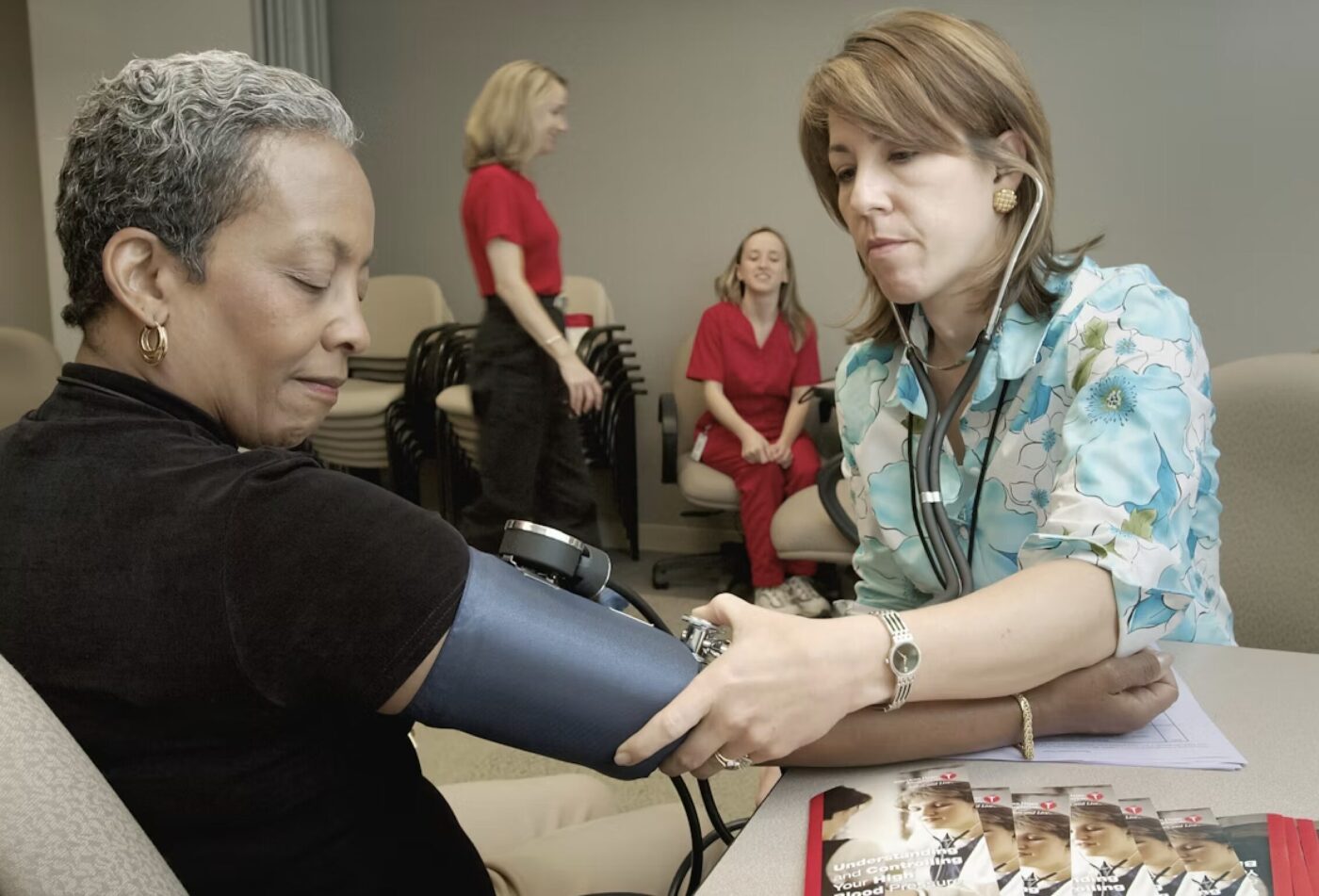
March is Women’s History Month, a time to honor the women who have shaped our nation through service and leadership. Among them are women veterans whose efforts have transformed how health care and wellness services are delivered to women who have served. From pioneering gender-specific programs to advocating for trauma-informed care, these leaders have redefined what comprehensive veteran care can look like.
Whole-of-life care recognizes that well-being is more than medical treatment. It encompasses mental wellness, stable housing, meaningful employment, peer connection, and family support. Women veterans have been central in shaping models that integrate these elements, ensuring that care is equitable, holistic, and accessible.
Pioneering Health Care for Women Veterans
Women veterans have historically faced significant gaps in care, from limited reproductive services to minimal recognition of trauma-related needs. Several trailblazers changed that landscape:
- Margaret D. Craighill, M.D.
The first woman doctor commissioned in the U.S. military, Craighill helped establish medical programs for women veterans after World War II, laying the groundwork for modern gender-specific care.
- Joan A. Furey, R.N., M.A.
An Army nurse and researcher, Furey advanced understanding of women veterans’ mental health needs, particularly post-traumatic stress, and helped integrate trauma-informed services into care models.
- Patricia Hayes, Ph.D.
As Chief Officer of Women’s Health for the Veterans Health Administration, Dr. Hayes expanded access to reproductive health, cardiac care, and culturally competent services tailored for women veterans.
- Susan Mather, M.D.
Key in developing the VA Office of Women’s Health, Mather helped create comprehensive women veterans’ clinics that offered trauma-informed care, reproductive services, and gender-specific clinical expertise.
- Mary Antoinette (Toni) Lawrie, R.N.
A longtime Women Veterans Program Manager, Lawrie expanded clinical access for women and helped define the Women Veterans Program Manager role across the VA system.
- Viola Johnson
Johnson emphasized high-quality, equitable care and opened doors for other women leaders within the VA system.
- Silverine Vinyard James
Her career in the Army and VA highlighted the importance of visibility and clinical access for women veterans, helping shape dedicated women’s health services.
- Edith Nourse Rogers
Rogers supported legislation that advanced women service members’ and veterans’ health care and benefits, influencing the development of modern women-focused VA programs.
- June A. Willenz
Willenz documented women veterans’ experiences and helped create the Women Veterans Advisory Committee, giving women veterans a voice in shaping policy and care.
These leaders collectively transformed the VA and community care landscape, ensuring that women veterans have access to comprehensive and culturally competent health services.
Lessons from Women Veterans’ Leadership
The work of these pioneering women highlights several lessons for modern whole-of-life care:
- Lived experience matters. Policies and programs designed by those who understand women veterans’ challenges are more effective.
- Care must be integrated. Physical health, mental health, housing, and community support should work together, not separately.
- Representation strengthens trust. Women veterans in leadership roles influence cultural competence and system responsiveness.
- Prevention and wellness are essential. Addressing trauma, mental health, and social support early improves long-term outcomes.
Their efforts show that whole-of-life care extends far beyond clinic walls—it includes leadership, policy, and community engagement.
Honoring Women Veterans This March
This Women’s History Month, we celebrate women veterans not only for their service in uniform, but for the systems they helped build. Their leadership expanded access, improved quality, and redefined what it means to deliver comprehensive care to women veterans. From pioneering clinics to policy reform, their work demonstrates that equitable care for women veterans is possible when expertise and experience guide decision-making.
Mission Roll Call is dedicated to elevating the contributions of these trailblazing women and promoting policies that ensure comprehensive care for all veterans. By following the example set by these leaders, we can continue building a health care system that fully meets the unique needs of women who served.
This March, take action:
- Explore organizations and initiatives led by women veterans.
- Share stories of women who shaped health care for those who served.
- Advocate for policies that expand integrated, whole-of-life care.
- Participate in Mission Roll Call surveys to ensure women veterans’ voices guide future programs.
Visit Mission Roll Call today to celebrate Women’s History Month and support the women veterans leading the way toward a stronger, more holistic future for all who served.