5 Signs Caregiver Burnout Is Setting in and What to Do About It
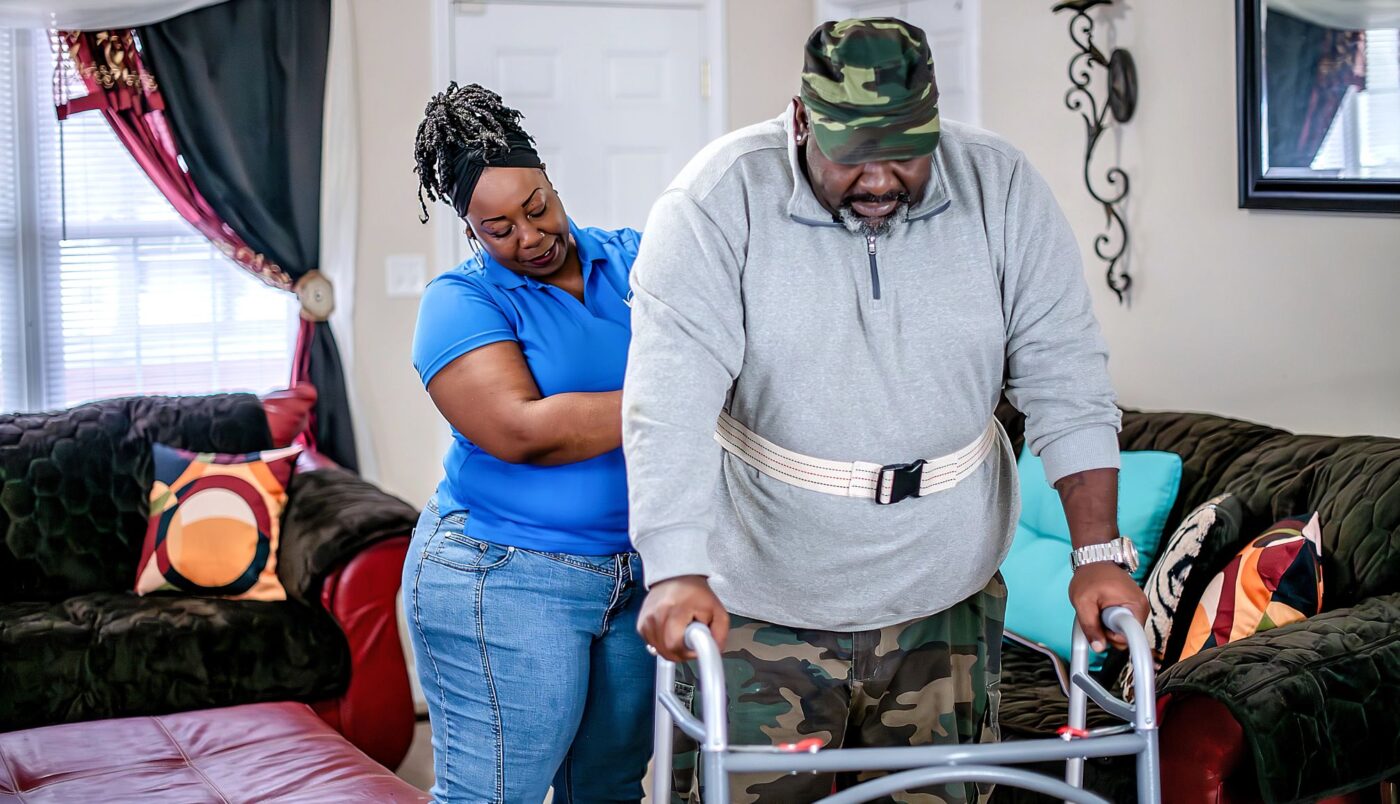
Caregiving is one of the most demanding roles a person can take on. For those supporting a veteran or military family member, the physical, emotional, and mental weight of that responsibility is real and significant. Many caregivers put their own needs last, and over time, that pattern takes a toll.
Burnout does not arrive all at once. It builds gradually, often disguising itself as exhaustion, irritability, or a quiet sense of feeling overwhelmed. Recognizing the signs early gives caregivers a chance to take action before burnout deepens.
Here are five signs caregiver burnout may be setting in, and some practical steps that can help.
1. You Feel Exhausted No Matter How Much You Sleep
Caregiver fatigue goes beyond physical tiredness. It is a deep, persistent exhaustion that rest alone does fix. Waking up depleted, struggling to get through the day, and feeling no relief even after sleep are all signs that your body and mind are under sustained stress.
Helpful approaches include:
- Identify one task to delegate or defer. Even a small reduction in daily responsibility can create breathing room.
- Prioritize rest without guilt. Rest is not a reward for finishing everything. It is a necessary part of sustaining your ability to care for someone else.
- Talk to a doctor. Persistent fatigue that does not improve with rest is worth discussing with a healthcare provider.
2. You Have Withdrawn from People and Things You Once Enjoyed
Isolation is a common response to burnout. Caregivers may stop returning calls, step back from hobbies, or find themselves going through the motions of daily life without real engagement. This withdrawal often signals that personal reserves are running low.
Helpful approaches include:
- Reconnect with one person this week. A short walk, a phone call, or a brief visit can help interrupt the pattern of isolation.
- Protect small pockets of time for yourself. Even 20 to 30 minutes of an activity you enjoy can support your overall wellbeing.
- Consider a caregiver support group. Connecting with others who understand the experience can reduce the sense of being alone in it.
3. You Feel Resentful and Then Guilty About It
Resentment is one of the more uncomfortable emotions caregivers experience, and guilt often follows. Frustration, exhaustion, or even grief over how life has changed are normal responses. These feelings do not mean a caregiver is doing something wrong. They often mean the caregiver needs more support.
Helpful approaches include:
- Name the feeling without judgment. Acknowledging difficult emotions is healthier than suppressing them.
- Speak with a counselor or therapist. A professional who understands caregiver stress can help process these emotions in a constructive way.
- Reach out to a peer. Sometimes talking with someone who has been through a similar experience is the most helpful first step.
4. Your Own Health Is Slipping
Skipped appointments, irregular sleep, poor eating habits, and persistent physical symptoms are common among caregivers who have been running on empty for too long. When your health takes a back seat, it increases risk, for both you and the person you care for. .
Helpful approaches include:
- Schedule one health appointment for yourself this month. A check-up, a therapy session, or a dental visit.
- Build simple healthy habits into your routine. Regular meals, hydration, and short periods of movement can support both physical and emotional stability.
- Treat your health as part of your caregiving role. Staying well is one of the most important things you can do for the person you care for.
5. You Feel Like There Is No End in Sight
A persistent sense of hopelessness, or the feeling that asking for help is selfish, is a serious sign that burnout has taken hold. Every caregiver deserves support, relief, and a life that extends beyond their caregiving responsibilities.
Helpful approaches include:
- Explore respite care options. These services exist specifically to give caregivers time to rest and reset.
- Contact your local VA or community organization. Many offer caregiver support programs at little to no cost.
- Reach out before you reach a breaking point. Asking for help early is a sign of strength, not failure.
You Are Not Alone
If any of these signs feel familiar, support is available and you deserve to use it. Many caregivers wait too long to ask for help. Reaching out early, whether to a peer, a professional, or a community resource, can make a meaningful difference.
At Mission Roll Call, we hear directly from veterans and their families about the challenges they face, and caregiver burnout is one of them. Your experience matters, and it places a critical role in shaping the support systems veterans and their families rely on.
Encourage the veteran you support to take our survey and share their voice. Together, we can fight for the resources and care that make a real difference, for them and for you.
For additional support, the VA’s Program of Comprehensive Assistance for Family Caregivers (PCAFC) offers resources, training, and financial support for eligible military caregivers. Operation Second Chance also provides resources for veterans and their families, offering retreats, direct assistance, and support programs at no cost.
You can’t pour from an empty cup, and taking care of yourself is part of taking care of someone else.
You can explore more tools, services and communities by visiting our Resource Directory and searching “caregiver.”