9 Strategies to Improve Comprehensive Care for Women Veterans
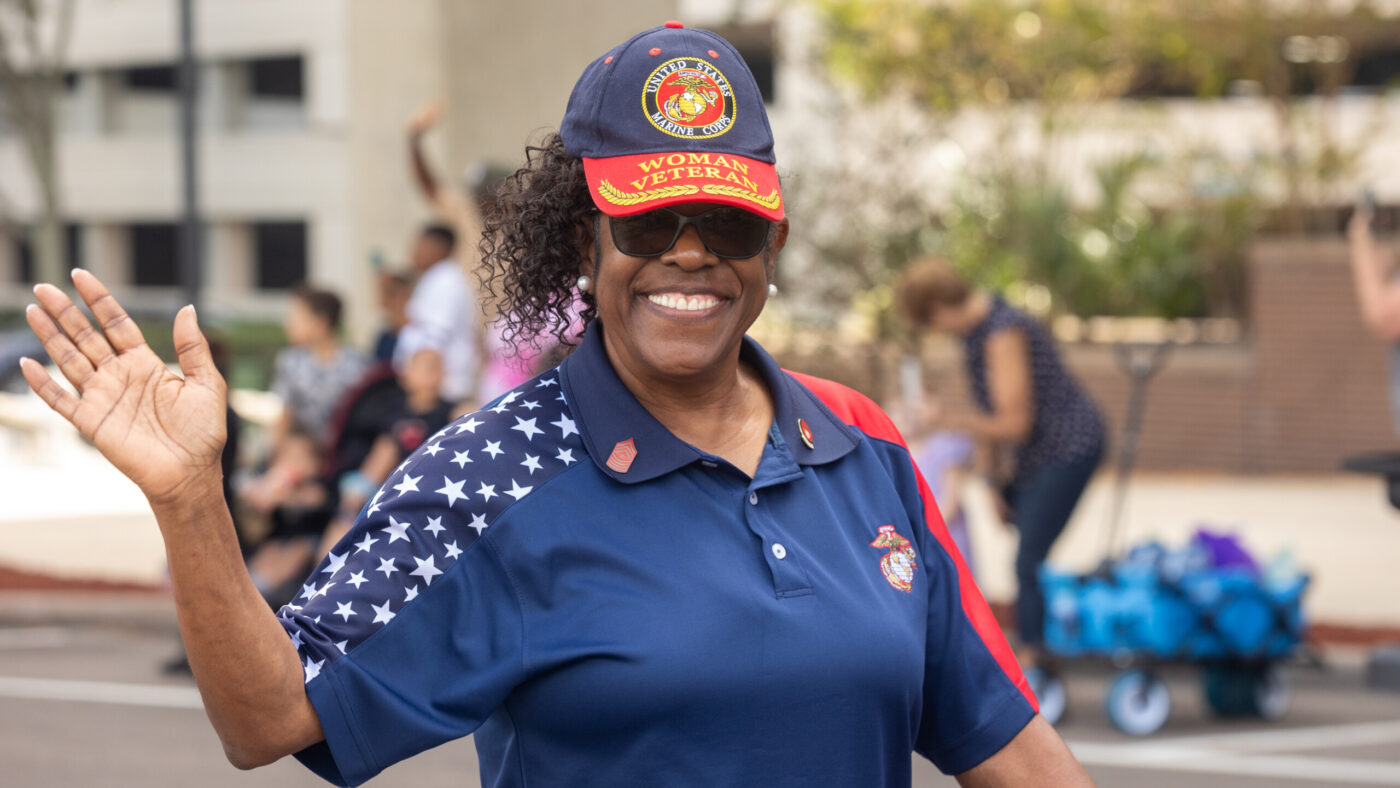
Women are one of the fastest growing segments of the veteran population. As their numbers increase, so does the responsibility to ensure their care reflects their service, their leadership, and their lived experiences.
Whole-of-life care provides a framework for meeting this responsibility. It recognizes women veterans not only as former service members, but as individuals whose physical health, mental wellness, family responsibilities, careers, and community connections are deeply interconnected. Below are nine priorities that can help strengthen comprehensive care for women veterans.
1. Expand Access to Gender-Specific Health Care
The U.S. Department of Veterans Affairs has expanded women’s health services in recent years, including comprehensive primary care delivered by designated women’s health providers.
Women veterans require access to:
- Reproductive and gynecological care
- Maternity services
- Fertility counseling
- Menopause management
- Screening and treatment for breast and gynecologic cancers
Comprehensive care begins with ensuring these services are accessible, coordinated, and delivered with expertise.
2. Deliver Trauma-Informed Mental Health Support
Research consistently shows that women veterans experience higher rates of depression, anxiety, and military sexual trauma compared to male peers.
Trauma-informed care must include:
- Safe clinical environments
- Access to female providers when requested
- Coordinated mental health services
Veterans in crisis can contact the Veterans Crisis Line for immediate support. Expanding awareness of crisis resources is a critical component of whole-of-life care.
3. Address the Realities of Caregiving Responsibilities
Women veterans are more likely to serve as primary caregivers for children or aging parents. This affects their ability to attend appointments and prioritize their own health.
Health systems and community providers should prioritize:
- Flexible scheduling
- Childcare access
- Family-centered services
Care models must reflect the full context of women veterans’ lives.
4. Integrate Physical, Mental, and Social Support Systems
Whole-of-life care recognizes that medical treatment alone is not enough.
A woman veteran managing chronic pain may also be navigating post-traumatic stress, career transition, or single parenthood. Coordinated care that connects primary care providers, mental health professionals, peer networks, and employment support can significantly improve long-term outcomes. Integration strengthens stability.
5. Strengthen Navigation Support Within the VA
VA Women Veterans Program managers, located at VA medical centers nationwide, help women veterans navigate services, access gender-specific care, and connect to appropriate resources. Navigation support reduces confusion and helps ensure veterans receive timely, coordinated care.
6. Support Community-Based Programs Focused on Women Veterans
Community organizations play a critical role in closing gaps and strengthening stability.
- VA Women Veterans Program Managers
Located at VA medical centers nationwide, these coordinators help women veterans navigate VA services, access gender-specific care, and connect to appropriate medical and mental health resources.
- Foundation for Women Warriors
Offers housing support, child care stipends, career development, and wellness resources to help women veterans achieve long-term stability.
- Women Veterans Interactive
Delivers peer mentorship, leadership development, and community-based wellness programming designed to empower women veterans.
- Service Women’s Action Network (SWAN)
Provides advocacy and direct assistance to women veterans, including support with discharge upgrades, benefits access, and issues related to military sexual trauma.
- National Association of Black Military Women
Provides advocacy, recognition, and culturally responsive support networks that honor and uplift Black military women.
7. Build a Culture of Recognition and Respect
Many women veterans report feeling invisible in veteran spaces. Some have been mistaken for spouses rather than recognized for their own service. Whole-of-life care includes cultural competence. Providers and community leaders must understand the experiences of women in uniform, including combat service and leadership roles. Representation in clinical settings, veteran organizations, and leadership positions fosters trust and belonging.
8. Use Data to Close Gaps in Care
Improving outcomes requires collecting and analyzing gender-specific data. Evidence-based policy decisions help identify disparities, allocate resources effectively, and ensure equitable access to high-quality care. Accountability strengthens trust.
9. Elevate the Voices of Women Veterans
Mission Roll Call is committed to ensuring that women veterans are heard in policy discussions that affect their health and well-being. Listening to lived experience is essential to identify gaps and drive reform. Advocacy grounded in data and real stories leads to meaningful change.
The Path Forward
As the veteran population evolves, our systems must evolve with it. Women veterans deserve coordinated, comprehensive care that reflects their service and addresses their unique needs.
By strengthening medical services, expanding mental health support, improving navigation, investing in community partnerships, and advancing evidence-based policy, we can build a system that truly supports whole-of-life care.
If you are a woman veteran, or if you support one, now is the time to engage. Explore available resources. Share your story. Participate in surveys. Advocate for policies that expand access to comprehensive care.