Veteran Quotes That Stayed With Us This Year
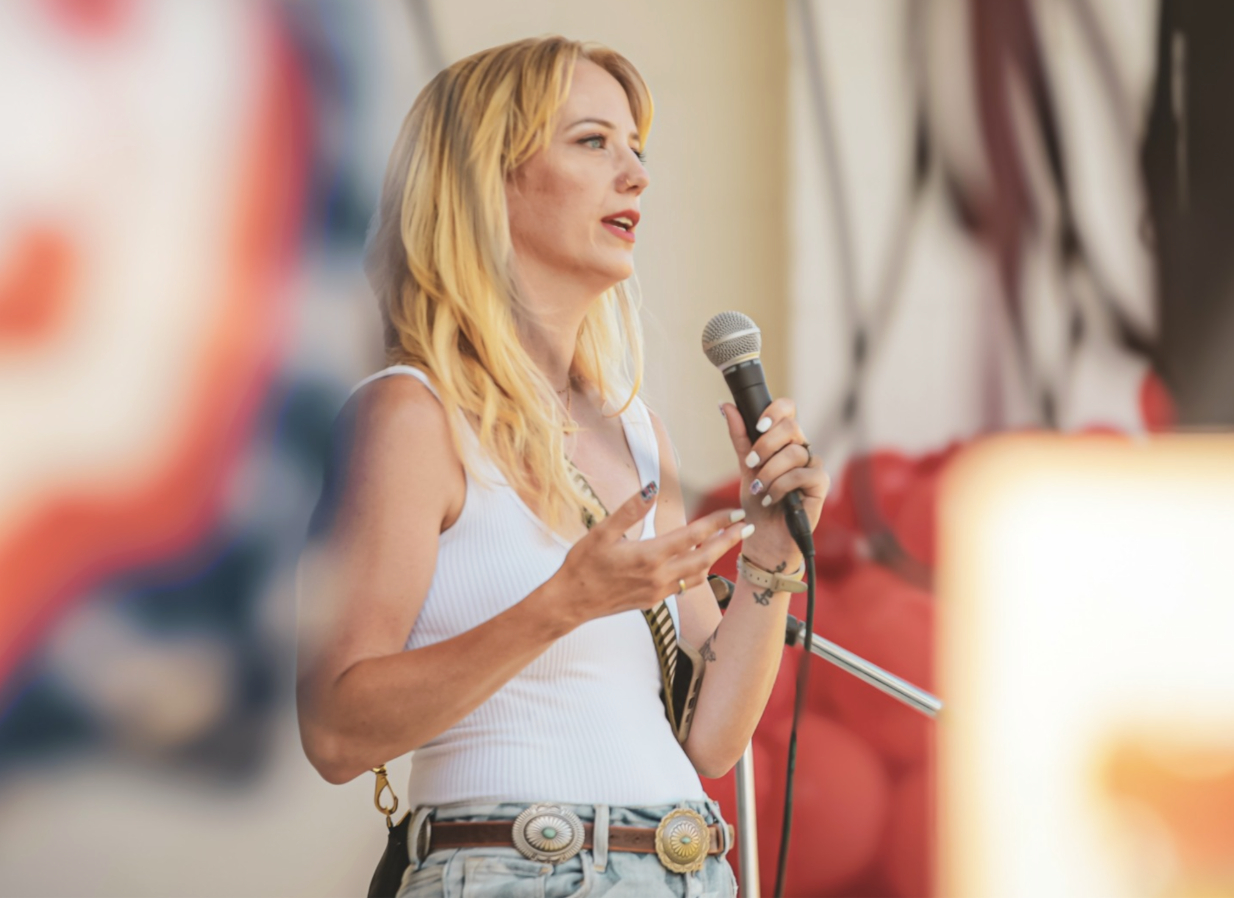
Every year, we hear thousands of veteran stories. Some are quiet. Some are heavy. Some are full of triumph. But every now and then, a few words land so deeply that they stay with us long after the conversation ends.
These quotes, offered by veterans willing to share their hardest truths and their brightest moments, remind us why this work matters, why community matters, and why listening matters.
Here are the words we carried with us this year and why they continue to shape our mission.
“Life is not about what happens to you; it is about what you do for others when it happens.” — Jensen Shirley
“My call has been to serve God, country, and others. Now, my call is to serve until the service is done.”
Jensen’s words reshape the way we think about service. To him, service is not a chapter of life. It is a calling that evolves. His reminder is simple and profound: adversity is not the story. What we do with it is.

His commitment to keep showing up for others challenges all of us to do the same.
(From “Service Over Self: A Veteran Trailblazer Paves the Way”)
“Find one thing forward that needs you” — Shea La Sage
“A dog. A friend. A habit that gets you outside. Let it pull you forward. Teamwork saved me at sea; community saved me on land. And if you can’t see the way out yet, borrow someone else’s eyes for a little while. There’s good ahead. I promise.”
Shea’s voice is one of hope grounded in lived experience. He reminds us that healing rarely happens alone. Sometimes the thing that saves us is small: a dog, a habit, a friend. But it gives us something to hold onto when everything else feels unsteady.

And when you cannot see a way out, he says, that is when you borrow someone else’s eyes.
(From “Bane and the Veteran He Saved”)
“When I was homeless, I didn’t have a home, and I didn’t have myself. I was completely lost.” — Matthew Landis
Matthew’s raw honesty cuts through the myths about homelessness. His story shows how losing stable housing can unravel identity, belonging, and self-worth.

But his journey shows the opposite as well. With help, community, and persistence, you can rebuild your life and reclaim your sense of self.
(From “The Fight to Rebuild”)
“I wondered how many others didn’t know about it either.” — Yvette Jones Swanson
“I saw how poor people lived in those single rooms, and I thought, ‘Wow, if I knew there was this $350 room, I could have borrowed money and stayed for a month or two.’ I just didn’t know about it.”
Yvette’s reflection exposes one of the most devastating but fixable gaps for veterans in crisis: information. Sometimes the difference between stability and homelessness is simply knowing a resource exists.

Her experience turned into fuel. She made it her mission to ensure others do not fall through the cracks because no one told them what was available.
(From “The Unstoppable Mission of Yvette Jones Swanson”)
“You don’t ask for help if you have no idea it’s available.” — Katt Whittenberger
Katt captures a truth many veterans live every day. It is not pride that keeps people from reaching out. It is isolation, confusion, or lack of awareness.

Her work building community in the mountains shows what happens when someone bridges that gap. Connection becomes possible. Support becomes accessible. Lives change.
(From “How a Navy Veteran Is Building Community in the Mountains”)
“You’ve really got to show up and keep doing the work.” — Michelle Lang
Michelle’s message is a call to action for anyone who serves rural veterans. Support is not a one-time event. It is a steady effort across long distances and long seasons.

Her message is a reminder that rural veterans deserve equal access, equal attention, and equal commitment. Reaching them requires showing up again and again.
(From “Connecting Rural Veterans and Their Families Through Operation Honor Rural Salute”)
“Heal the inflammation, and you can get your life back. Heal the brain, and you save the person.” — Owen Lonsdale
Owen’s words capture both the urgency and the hope behind innovative care for traumatic brain injury. He reminds us that healing is deeply personal.

For many veterans, healing the brain is not only medical progress. It is the key to reclaiming identity, memory, and possibility.
(From “Owen Lonsdale’s HBOT Journey”)
Why These Words Matter
These quotes are not just stories. They are lessons. They show us that:
- Service continues long after the uniform comes off.
- Community can save a life.
- Information can prevent a crisis.
- Rural voices deserve to be reached.
- Healing is possible, and worth fighting for.
Most of all, they remind us that listening is powerful. When veterans speak, they give us a roadmap for how to show up better, connect more fully, and build systems that honor their lived experience.
These are the words we carry with us. These are the voices shaping the work ahead.
Share Your Voice With Mission Roll Call
Your story can lift someone up, spark change, or help another veteran feel less alone. If you have something to say about your journey, your community, or the challenges veterans face, Mission Roll Call is listening.
Share your voice. Add your perspective. Help shape the national conversation on veterans’ issues. We want to hear from you.