Stable Housing Gave Navy Veteran Tamara Cook the Space to Recover
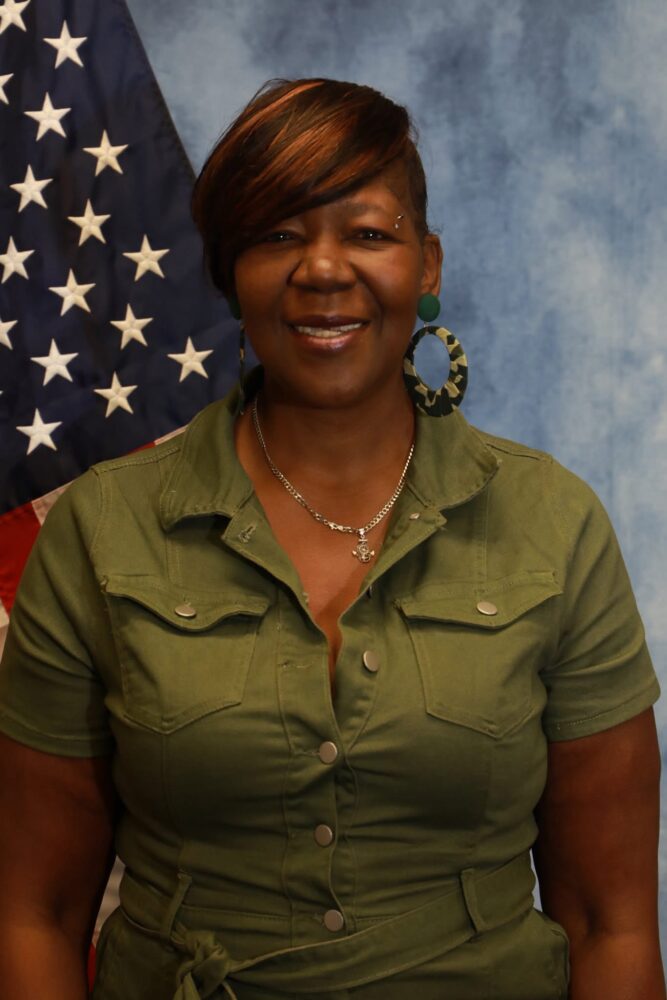
Content Warning:This story contains references to military sexual trauma, substance use and addiction, and mental health struggles.
After leaving the military, Cook faced homelessness, addiction and limited information about her veterans benefits. Her experience shows what can happen when housing and recovery services reach a veteran at the right time.
When Tamara Cook left the Navy in 1999, she did not return to the stable civilian life she expected. She moved between the homes of relatives and friends, shelters, motels and her vehicle. At times, she faced the possibility of sleeping outside.
Cook was also carrying the effects of military sexual trauma and struggling with substance use and alcohol addiction. She did not fully understand the benefits she had earned or where to turn for help.
“I wasn’t given direction on where to go or how VA services could benefit me,” she said.
Her experience reflects a gap veterans often describe during the transition out of military service. Benefits and programs may exist, but veterans still need timely information, clear guidance and someone who can help them navigate the process. Without that support, a temporary setback can develop into prolonged housing instability.
Service, Trauma and an Uncertain Transition
Cook served in the Navy from 1995 to 1999 as a boatswain’s mate. She joined because of the Navy’s reputation and the opportunity to become part of something she considered meaningful.
“It meant I was doing something special, something not everyone could do,” she said.
Her service strengthened her discipline and commitment to routine, courage and dignity. After her discharge, however, those qualities alone could not provide housing, explain her benefits or address the trauma she carried.
As a survivor of military sexual trauma (MST), Cook turned to drugs and alcohol while trying to manage pain that had no other outlet. She has since worked through that chapter. “It’s because of my discipline as a veteran that I continue to blossom and overcome,” she said.
Substance use is often treated as a simple explanation for homelessness. Cook’s experience shows why that assumption is incomplete. Her substance use was connected to trauma, while her housing instability was compounded by limited information about veterans services and the absence of a clear path to stable housing.
Effective intervention must account for those overlapping circumstances. A veteran may need housing assistance, trauma-informed care, substance use treatment and benefits navigation at the same time.
Homelessness Took Several Forms
Cook did not experience homelessness in only one location or under one set of circumstances. She stayed with family and friends when she could, lived in shelters and motels, slept in her vehicle and sometimes faced the possibility of sleeping outside.
These forms of homelessness can remain hidden because they are less visible than living in an encampment or on a sidewalk. Couch surfing and vehicle homelessness still leave a veteran without a safe, permanent residence or meaningful control over where they will sleep.
For Cook, the deepest struggle during that period was the loss of confidence in her ability to change her circumstances.
“The hardest part of my experience was self-doubt, not believing in my ability to overcome,” she said.
That self-doubt existed alongside the public judgment directed at veterans experiencing homelessness. Cook said people often assume unemployed or unhoused veterans have chosen their circumstances.
“Most people think veterans who are unemployed choose to live this way,” she said.
Her life tells a more complicated story involving military trauma, addiction, unstable housing, limited knowledge of available benefits and the emotional toll of trying to recover without a secure foundation.
Her Daughter Became the Reason to Keep Going
Cook reached a point when she knew that her life had to change. She credits her daughter with helping her confront the effects of her addiction and instability.
“The turning point of my life was my daughter,” Cook said. “I couldn’t let her down. I couldn’t continue to be a deadbeat mom.”
Family support helped Cook begin rebuilding, but personal determination could only take her so far without stable housing and appropriate services. Her circumstances changed significantly after she was approved for housing through the HUD-Veterans Affairs Supportive Housing program, commonly known as HUD-VASH.
“The biggest difference in my journey was when I was approved for HUD-VASH housing,” she said.
HUD-VASH combines rental assistance from the Department of Housing and Urban Development with case management and supportive services provided through the Department of Veterans Affairs. For Cook, access to the program meant she finally had a stable place from which she could focus on recovery and rebuild her relationship with herself and her family.
Her experience illustrates why housing should be treated as part of a veteran’s recovery plan. Treatment appointments, employment goals and family responsibilities become much harder to manage when a veteran does not know where they will live from one week to the next.
What Stability Means After Homelessness
For someone who has never experienced homelessness, stable housing may be defined by an address. Cook describes it through the control and security she once lacked.
“Stable housing means my name is on a lease, I have keys to my unit, and no one can put me out unless I miss my rent payment,” she said.
The lease and keys gave Cook more than physical shelter. They provided legal tenancy, privacy and the ability to make decisions about her own living space. Those details matter after years of relying on relatives, friends, shelters, motels or a vehicle.
Housing did not erase the trauma Cook experienced or complete her recovery for her. It gave her a dependable place from which to continue that work.
Bringing Lived Experience Into Her Work With Veterans
Cook is now a licensed social worker with the Department of Veterans Affairs, where she serves veterans experiencing substance use disorders.
“Today, I’m a licensed social worker, and I work with the VA as a substance use disorder specialist,” she said. “I provide services for those who suffer from addiction like I once did.”
Her professional role places her alongside veterans whose experiences may resemble parts of her own. She understands how trauma, addiction, housing instability and shame can intersect, and she knows how difficult it can be for a veteran to trust a system after previously feeling uninformed or unsupported.
That lived experience does not replace professional training, but it can help Cook recognize what may be happening behind a veteran’s reluctance, anger or self-doubt. She knows that a veteran seeking treatment may also be worried about where to sleep, how to protect a relationship with a child or whether asking for help will bring another judgment.
Cook is continuing to plan for her future. She hopes to acquire another property and begin doctoral studies in September. Her goals reflect the stability she has built and the options that became possible once she had secure housing and support for her recovery.
What Cook Wants Other Veterans and Policymakers to Understand
Cook encourages veterans who are struggling to believe that change remains possible.
“You are heroes, and you can overcome any obstacle that you put your mind to,” she said.
Her experience also carries a message for policymakers and service providers. Veterans experiencing homelessness cannot always be served effectively through a single program or referral. Many need coordinated assistance that accounts for housing, trauma, substance use, income, health care, family relationships and the difficulty of navigating benefits.
Cook believes veterans should be supported through a holistic approach. Her journey demonstrates what that can mean in practice: identifying the trauma beneath the substance use, making benefits easier to understand, connecting a veteran with stable housing and ensuring that support continues after a lease is signed.
She survived periods of homelessness, confronted addiction and rebuilt a life in which she now helps other veterans pursue recovery. Her story also raises an important question for the systems designed to serve veterans: How many others are still moving among couches, motels, vehicles and shelters because no one has clearly shown them the way to available help?
Accurate answers to that question can shape stronger policies, earlier interventions and housing solutions that give veterans the stability needed to recover.
To learn more about Mission Roll Call’s work uplifting veteran voices and advancing effective housing solutions, visit our Homelessness and Housing page.
Mission Roll Call is committed to listening first. If you are a veteran, family member, caregiver or community partner, we invite you to share your story with us. Your experiences guide our advocacy and help us push for the changes veterans say matter most.
Veterans, families, caregivers and supporters can also share their experiences through Mission Roll Call’s national surveys. These stories help shape policy, raise awareness and ensure veterans are seen and heard.
Understanding the experiences behind veteran homelessness brings us closer to ensuring every veteran has stability, dignity and a place to call home.
If you or someone you know is in crisis, contact the Veterans Crisis Line by calling 988 and pressing 1, texting 838255, or chatting at VeteransCrisisLine.net.
About the Author
Yvette Jones-Swanson, M.A., is a subject-matter expert on veteran homelessness and housing, an Army veteran, REALTOR® and national housing advocate. Drawing from her own experience as a formerly homeless veteran and more than 25 years of frontline housing work, she has helped thousands of veterans secure stable housing and connect with critical resources nationwide.
As Founder and CEO of VetMentors LLC and a Veteran Voices contributor for Mission Roll Call, she works to elevate veteran stories, strengthen housing solutions and ensure the lived experiences of veterans help inform policy discussions and practical solutions.