What Most People Get Wrong About Veteran Homelessness
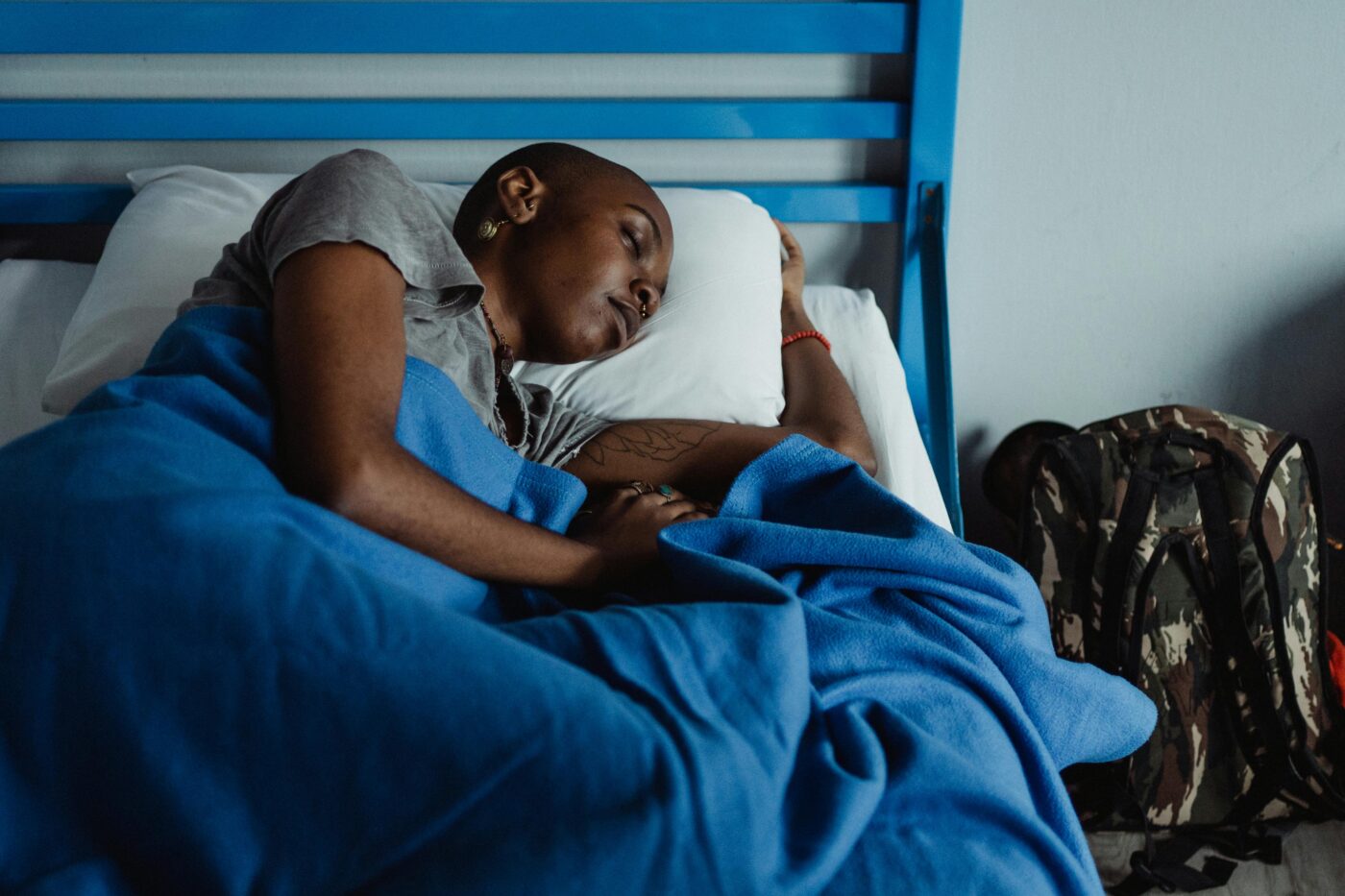
When most people picture a homeless veteran, a specific image comes to mind: an older man, alone, on a city street. It is a real image. But it represents only a fraction of who is actually experiencing homelessness in the veteran community, and because the fuller picture remains so poorly understood, the response to it remains incomplete.
According to the 2024 HUD Annual Homelessness Assessment Report, approximately 32,882 veterans were counted as experiencing homelessness on a single night in January 2024. That number reflects a genuine and hard-won decline. Veteran homelessness has dropped 55% since 2009. But it also reflects a counting methodology that, by design, misses large portions of the population it is trying to measure. In a 2024 Mission Roll Call poll, 91% of veteran respondents said they do not believe enough is being done to address veteran homelessness. Understanding why starts with clearing up what most people get wrong.
Myth 1: Homeless Veterans Are Easy to Spot
The annual Point-in-Time (PIT) Count, which forms the basis of federal homelessness data, captures individuals sleeping in shelters, transitional housing and unsheltered locations such as streets and parks. What it cannot capture, as the VA itself acknowledges, is the much larger population experiencing what researchers call “hidden homelessness,” veterans who are couch-surfing among friends and family, living out of vehicles, cycling through low-cost motels or otherwise surviving in arrangements that do not appear in the data.
This gap is not a minor measurement issue. It represents a significant undercounting of real housing instability, particularly among veteran populations who are less likely to seek visible shelter or engage with formal services. Mission Roll Call has noted that parents, particularly mothers, who avoid visibility out of concern for their children’s safety are among those most likely to fall outside the count entirely. If a veteran is not seen, they are not counted. And if they are not counted, they are not served.
Myth 2: It Is a Personal Failure
The assumption that housing instability reflects a personal failing is one of the most damaging misconceptions surrounding veteran homelessness, and it simply does not align with the evidence. Veteran homelessness is, at its core, a systems problem driven by structural factors that emerge at the moment of separation from service and compound from there.
Service members who separate from the military typically lose access to on-base housing within 90 days. Many enter the civilian rental market for the first time, without rental history, without an established credit profile and often without employment in place. VA benefits take time to process. Affordable housing is in short supply. And the skills and structure that made someone effective in uniform do not always translate directly to navigating a competitive, paperwork-intensive civilian housing system.
Any veteran, regardless of their discipline, service record or strength of character, can find themselves in a housing crisis when these conditions converge. Recognizing that reality is not an excuse. It is the beginning of an honest response.
Myth 3: It Only Affects Older Male Combat Veterans
The demographic profile of veterans experiencing homelessness has shifted significantly, and the popular image of an older male combat veteran no longer reflects who is most at risk.
Female veterans represent one of the fastest-growing populations experiencing homelessness. Between 2020 and 2023, while overall veteran homelessness declined by 4.5%, homelessness among women veterans increased by nearly 24%, rising from 3,126 to 3,980 individuals, according to VA data. Female veterans face unique contributing factors, including higher rates of military sexual trauma, a greater likelihood of experiencing homelessness while caring for dependent children and more limited access to veteran-specific programs that were historically designed around a male veteran population.
Younger veterans are also increasingly represented. Research shows that veterans between the ages of 18 and 30 are twice as likely as adults in the general population to experience homelessness, and that risk increases significantly among young veterans living in poverty. Black veterans are disproportionately affected as well, making up 31% of the homeless veteran population despite representing only 14% of the overall veteran population, according to Mission Roll Call’s research.
The face of veteran homelessness is more diverse than the stereotype suggests, and the response to it must be as well.
Myth 4: Their Family Would Step In
This assumption places an enormous and often unrealistic burden on families who are already stretched. The reality is that veteran homelessness does not happen in isolation from the people who love the veteran. It happens in relationship to them, affecting those family members directly and testing the limits of what personal networks can absorb.
Caregiver burnout is a well-documented challenge in the veteran community. Spouses, parents and siblings who want to help often find that financial constraints, their own mental health needs and the duration of a housing crisis exceed what they can sustain. Mission Roll Call has explored this dynamic in depth, noting that many caregivers are quietly carrying unsustainable loads on behalf of veterans who have not yet connected to formal support systems.
In many cases, the housing instability a veteran is experiencing has already strained the family relationships that might otherwise have served as a safety net. Years of untreated trauma, repeated deployment cycles and a difficult transition can erode those connections long before a housing crisis arrives. Family love is real. But love alone does not constitute a housing solution.
Myth 5: The VA Takes Care of It
The Department of Veterans Affairs does important work. Programs like HUD-VASH and SSVF have made measurable contributions to reducing veteran homelessness, and the VA permanently housed 47,925 veterans in fiscal year 2024, the largest single-year total since 2019. But the VA was never designed to reach everyone, and the gaps in its coverage are significant.
Wait times for some programs remain long. Geographic gaps mean rural veterans in particular may be far from the services they need. Eligibility requirements leave some veterans without access, and for those who have had difficult or discouraging experiences with the VA in the past, returning to the system is not always a realistic first step.
Community-based organizations fill the gaps that federal programs cannot. Local nonprofits, faith-based organizations and veteran-serving nonprofits frequently reach the individuals who fall outside the scope of larger programs, and they do it at the community level, where trust is built through proximity and consistency rather than bureaucracy. As Mission Roll Call has consistently advocated, funding these community-level organizations is not redundant to federal investment. It is essential to it.
Seeing Clearly Changes What We Do
The stereotype of veteran homelessness shapes how resources are allocated, how policies are written and how communities respond when a veteran needs help. When that stereotype is incomplete, the response is incomplete too. Expanding our understanding to include hidden homelessness, the fastest-growing demographics at risk and the structural causes driving the crisis does not diminish the progress that has been made. It clarifies what is still required.
Find support through the Veteran Resource Directory at Mission Roll Call. Search “Homelessness” or “Housing” to connect with organizations across the country that are doing this work at the community level.
Stable housing is possible, and the people working to make it happen are ready to help.