When the System Misses the Veteran: Where SSVF Is Breaking Down—and How We Fix It
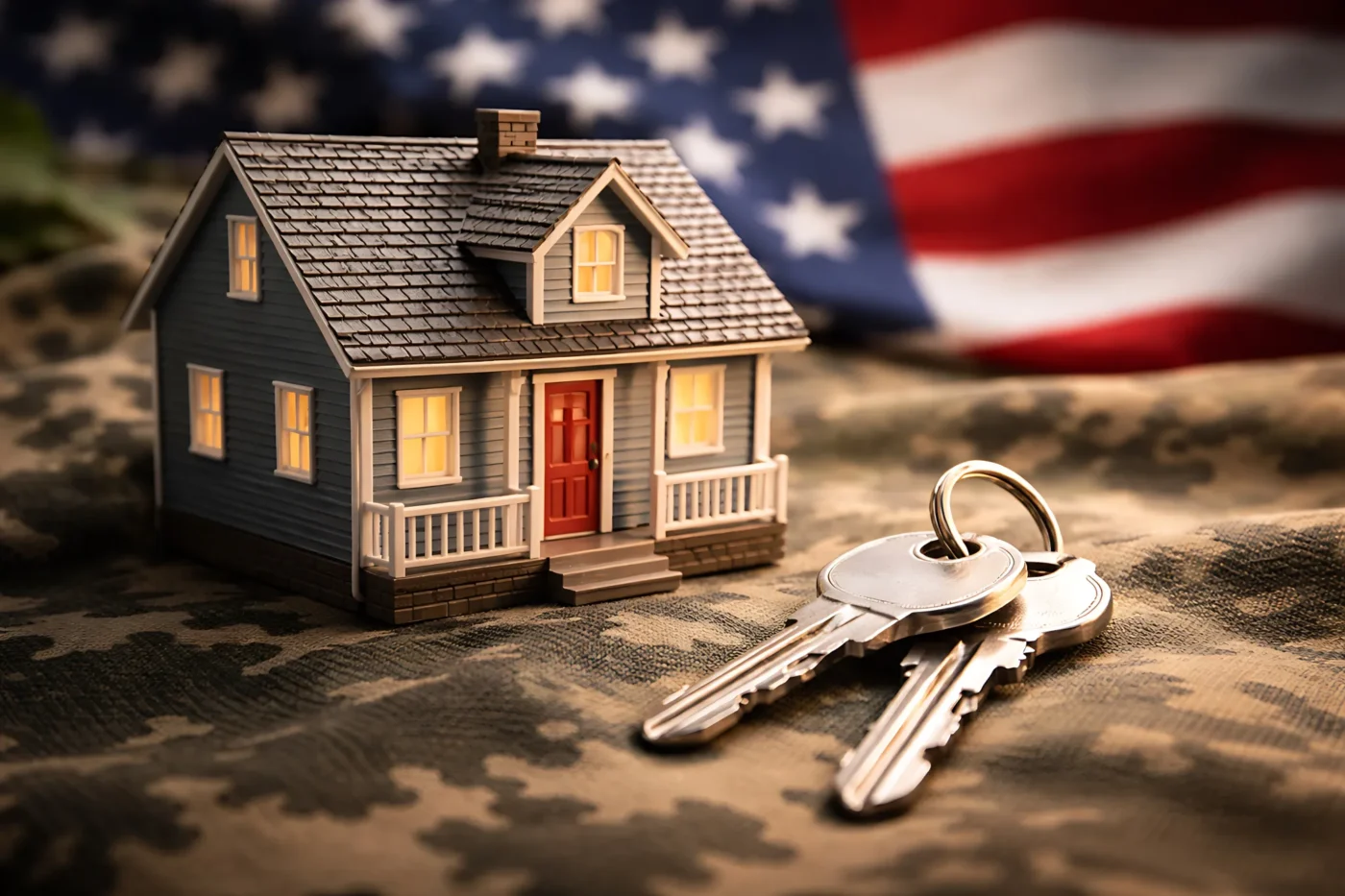
Supportive Services for Veteran Families (SSVF) was designed to prevent veteran homelessness before it becomes a crisis.
That is the mission.
Yet across communities, we continue to see veterans fall through the cracks—before, during, and even after they should have been reached.
This is not a question of whether the program exists.
It is a question of whether it is consistently reaching the veterans it was designed to serve.
Billions of dollars have been invested into SSVF. That level of funding should translate into clear access, early intervention, and consistent outcomes.
But when veterans still do not know about the program—or struggle to access it once they do—we have to be honest:
The issue is not just funding.
It is execution.
Access Is Still the Biggest Barrier
The first breakdown is visibility.
Many veterans simply do not know SSVF exists.
They are navigating housing instability, couch surfing, or one step away from losing where they live—and they have no clear understanding of where to go or who to call.
And when they do find the program, the process is not always straightforward.
Too often, it feels like navigating layers of requirements, documentation, and approvals that delay support rather than deliver it.
For a program designed around prevention, delayed access defeats the purpose.
A system that requires veterans to find it, understand it, and navigate it under stress is not fully accessible.
Outreach Is Not Reaching the Right Places
SSVF depends on outreach—but outreach is not consistent across all communities.
Some providers are visible and proactive. Others are not.
Veterans in unstable situations—especially those who are doubled up or couch surfing—are often not being reached early enough.
They remain invisible until their situation escalates.
At that point, the system is no longer preventing homelessness.
It is reacting to it.
Eligibility and Interpretation Are Creating Gaps
Eligibility is not just about criteria—it is about how those criteria are applied.
And right now, that application is not consistent.
Veterans in unstable living situations are being told they do not qualify, even when their housing can disappear overnight.
Terms like “imminent risk” are interpreted differently depending on the provider, the location, and the situation.
That inconsistency creates unequal access.
Two veterans in nearly identical circumstances can receive completely different responses.
When access depends on interpretation, gaps are guaranteed.
The System Is Too Fragmented
There is no clear, unified entry point into SSVF.
Veterans are often referred from one organization to another, trying to piece together a pathway through a system that is not fully coordinated.
For someone already under pressure, this creates confusion, delays, and in many cases, disengagement.
We cannot expect stability from veterans while offering them a fragmented system.
Performance Does Not Always Reflect Reality
Programs may be meeting performance metrics.
But meeting metrics does not always mean veterans are being reached early enough—or effectively enough—to prevent homelessness.
There is a difference between reporting outcomes and experiencing impact.
And right now, that gap is visible on the ground.
Veterans are still:
- Unaware of available resources
- Struggling to access support
- Being told they do not qualify until their situation worsens
That tells us the system is not fully aligned with the reality veterans are living.
This Is Not About Blame—It’s About Alignment
SSVF is not broken in design.
It is misaligned in execution.
We have the funding.
We have the infrastructure.
We have organizations doing the work.
But those pieces are not consistently connected in a way that ensures every veteran is found, supported, and stabilized.
And when alignment is off, access becomes inconsistent.
How We Fix It
We do not need to rebuild SSVF.
We need to realign it.
1. Create Clear, Visible Access Points
There must be one clear pathway for veterans to enter the system.
Not multiple referrals. Not confusion. Not guesswork.
One place. One process. Clear direction.
2. Strengthen Proactive Outreach
We cannot wait for veterans to find the system.
The system must find them—especially those in unstable, invisible situations.
Prevention requires presence, not passive availability.
3. Standardize Eligibility Interpretation
Unstable housing must be recognized as urgent—not optional.
There needs to be consistency in how eligibility is applied so that access does not depend on location or interpretation.
4. Simplify the Process
If accessing help feels like “pulling teeth,” the system is too complicated.
Veterans should not have to fight through layers of documentation and delays to receive support that is meant to prevent crisis.
5. Prioritize Connection Over Process
Programs should not operate in silos.
SSVF must be part of a coordinated system where veterans are guided—not passed around.
Connection should be the standard, not the exception.
Moving Forward
We don’t have a resource problem.
We have a connection problem.
And until that connection is consistent—until every veteran knows where to go, can access help without barriers, and is supported before crisis—we will continue to see gaps.
Because a system that only works when a veteran finds it is not a system that is working.
To learn more about Mission Roll Call’s work uplifting veteran voices and advancing effective housing solutions, visit our Homelessness page:
https://missionrollcall.org/spotlight-priorities/housing-and-homelessness/
Mission Roll Call is committed to listening first. If you are a veteran, family member, caregiver, or community partner, we invite you to share your story with us. Your experiences guide our advocacy and help us push for the changes veterans say matter most.
Your voice matters here. We encourage veterans, families, caregivers, and supporters to share their experiences through Mission Roll Call’s national surveys. Your stories help shape policy, raise awareness, and ensure veterans are seen and heard:
https://missionrollcall.org/surveys/
Understanding the truth brings us one step closer to ensuring every veteran has what they deserve: stability, dignity, and a place to call home.
Yvette Jones-Swanson is a subject-matter expert on veteran homelessness and housing. A U.S. Army veteran and survivor of MST, she brings more than 22 years of frontline experience helping thousands of veterans secure stable housing.