Modernizing Traumatic Brain Injury Care for Veterans: Why the BEACON Act Matters

Traumatic brain injury (TBI) remains one of the most common and complex injuries affecting post-9/11 veterans. While awareness and diagnosis have improved over the past two decades, many veterans continue to face limited treatment options, long wait times, and care models that do not fully address the long-term cognitive, emotional, and social effects of brain injury. New bipartisan legislation introduced in Congress aims to change that.

The BEACON Act, introduced by Jack Bergman (R-MI) and Sarah Elfreth (D-MD), seeks to modernize how the Department of Veterans Affairs delivers care to veterans with mild to moderate TBI. The bill focuses on expanding access to evidence-based, non-pharmacological therapies and strengthening partnerships between the VA and leading civilian, academic, and nonprofit institutions.
For many veterans, TBI does not exist in isolation. It often intersects with post-traumatic stress, sleep disorders, depression, chronic pain, and difficulties reintegrating into civilian life. Current treatment pathways can be fragmented or overly reliant on medication, leaving veterans and families searching for alternatives that better address the full scope of their needs. The BEACON Act is designed to help close these gaps by supporting innovation and accelerating the integration of proven therapies into VA care.
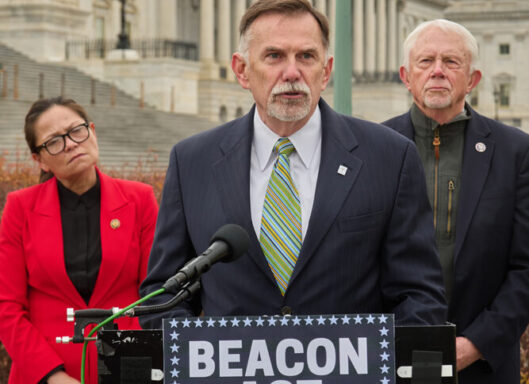
The legislation would establish two new VA grant programs. One would support clinical research, provider training, veteran and family outreach, and partnerships focused on effective non-pharmacological treatments. The second would advance independent research and implementation of validated therapies, with oversight modeled after the VA’s National Center for PTSD. Together, these programs aim to move promising treatments from research settings into consistent, real-world clinical use.
The bill’s emphasis on outcomes is particularly significant. By prioritizing cognitive function, mental health, and quality of life, the BEACON Act recognizes that successful TBI care must extend beyond symptom management. Improving access to comprehensive, evidence-based treatment can play a meaningful role in reducing long-term disability, improving employment and family stability, and lowering suicide risk among affected veterans.

Support for the BEACON Act reflects broad agreement across the veteran community that current systems need to evolve. National organizations such as American Legion (https://www.legion.org) and Avalon Action Alliance (https://www.avalonactionalliance.org) have endorsed the legislation, underscoring shared recognition that innovative, whole-person approaches to brain health are long overdue.
Mission Roll Call supports bipartisan efforts to improve care and outcomes for veterans living with traumatic brain injury. The BEACON Act represents an important step toward a more modern, flexible, and veteran-centered approach—one that reflects what veterans consistently report they need most: access to effective care that works in practice, not just in theory.
As Congress considers this legislation, Mission Roll Call will continue engaging with policymakers to ensure veteran voices remain central to the discussion and that reform efforts translate into meaningful, measurable improvements in care.