Building More Than Homes: The Mission Behind Mighty Hero Homes
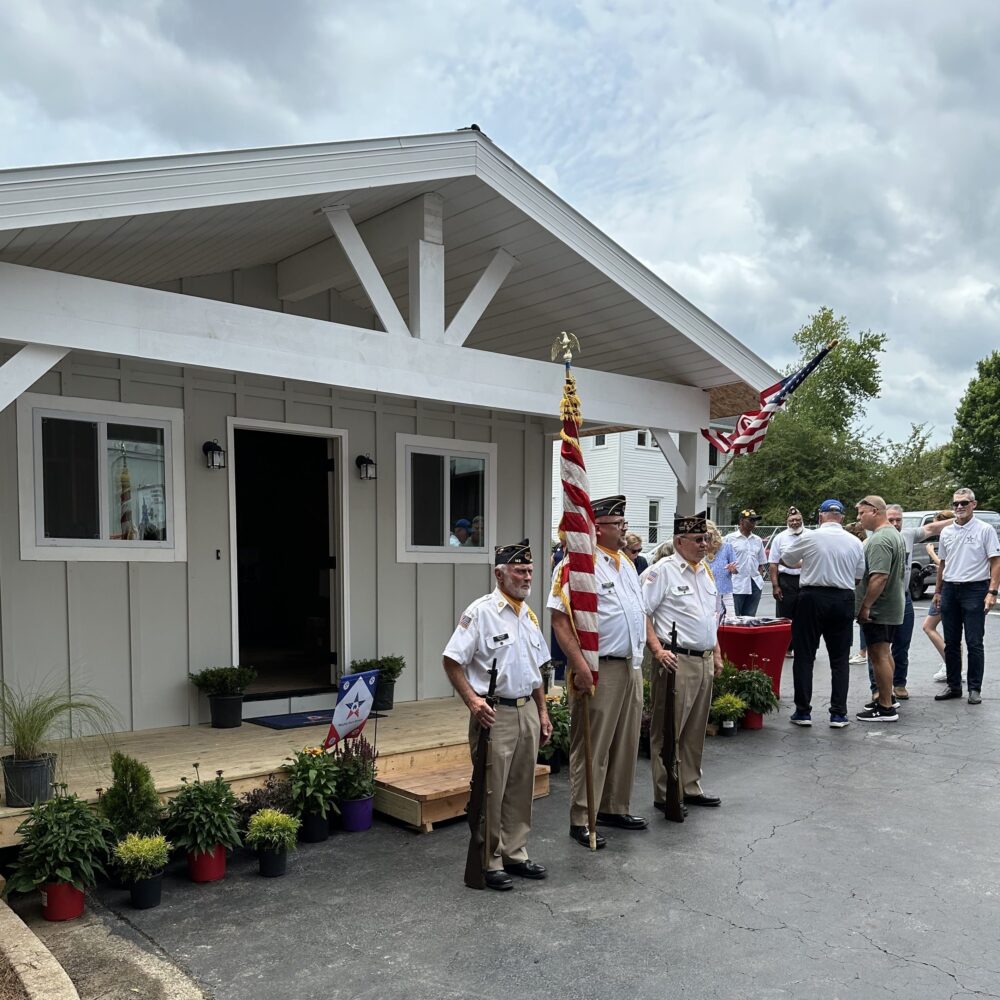
Drew Walston is not a veteran. He has never been homeless. Five years ago, he would have told you he had no idea that veteran homelessness in the United States was even a crisis.
Then the Lord told him to fix it.
“It took me a nanosecond to realize that veteran homelessness was not only a thing, but it is a national egregious crisis,” Drew said. “But when I began searching for who I could write a check to, I couldn’t find a single organization that had a plan to actually put an end to it.”
So, Drew Walston decided to build one.
That organization is Mighty Hero Homes, a McDonough, Georgia-based nonprofit with a singular mission: eradicate veteran homelessness in the United States through permanent, community-based housing built around health, dignity and hope. Drew calls it his Act 3. After 21 years in corporate America and 15 years as a small business owner, he believes the experiences of those first two acts were preparing him for this one all along.
Drew did not build this alone. Derek Layne, a former investment banker whose own path toward purpose led him directly to Drew in August of 2021 and, as Derek puts it, the Lord opened back up for him the purpose and meaning he had been searching for.
“Being obedient to the call, I just joined Drew,” Derek said. “And I’ve been his servant ever since.”
The Man in the Tent
Before there was a blueprint, before there were town halls or land parcels or letters from state senators, there was Randy.
Drew encountered Randy at a veteran encampment during his earliest days of research, the kind of face-to-face moment that changes the way a person sees the world. He describes it plainly, without softening the edges.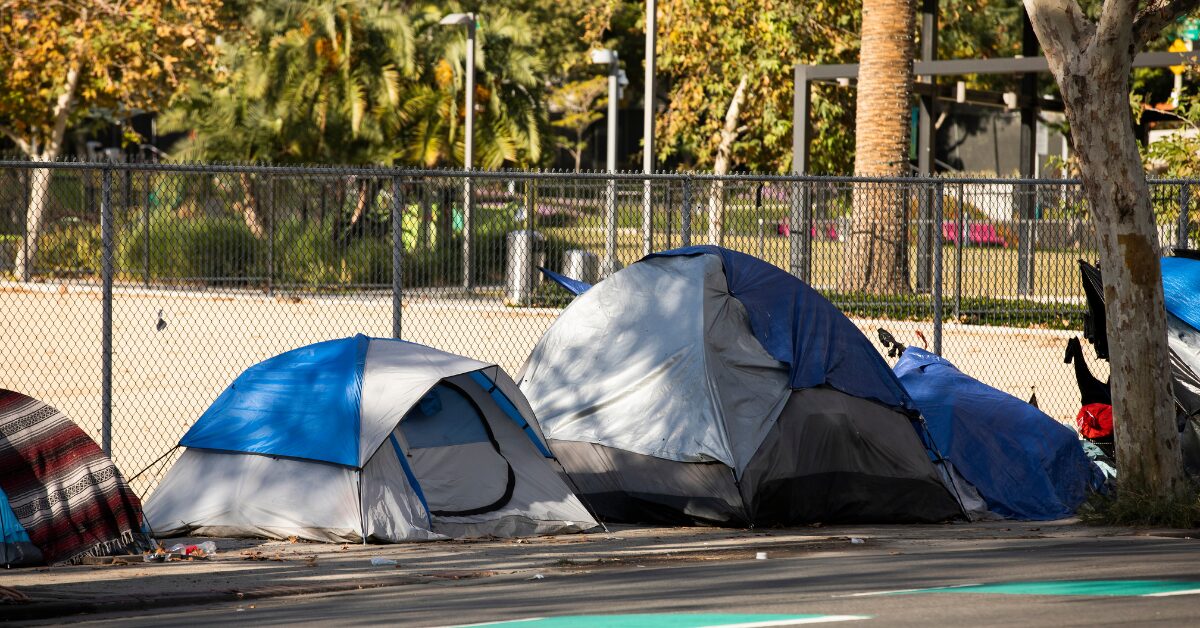
“When I sat down with him, it was difficult to focus on what he was saying because the skin was literally peeling off of his face due to sun exposure,” Drew said. “But I instantly realized this gentleman was a leader. He was very intelligent, had a lot of skills. Life had just put him in a position that he didn’t feel like he could overcome.”
Randy had no ID, no DD-214, no access to the tools required to even begin navigating the system built to help him. He was living day to day. During their conversation, he pointed over Drew’s shoulder and noted that two people had died nearby from a drug overdose just days before, and that their encampment, a sophisticated, long-established community complete with perimeter security and food storage, was about to be bulldozed.
That conversation became the foundation of everything Mighty Hero Homes is working to build.
Randy is going to be the recipient of the first Mighty Hero Homes home in Milledgeville, Georgia. In the years since that initial meeting, he has been beaten, robbed and scammed. He underwent hip replacement surgery and returned to the woods to recover, because there was no couch to come home to. Through all of it, he and Drew have stayed in contact, each serving as an encouragement to the other.
“We are going to celebrate big the day we give Randy his keys,” Drew said. “These are real people who are hurting badly. And the frustrating part is that this is a very solvable problem.”
A Foundation, Not Just a Floor
Veterans gave this country everything they had. Mighty Hero Homes believes it is time we return the favor, starting with a foundation.
What separates Mighty Hero Homes from other veteran housing initiatives is not simply that they are building homes. It is what they are building around them, and underneath them. The physical foundation of a Mighty Hero Homes base is concrete and timber. The foundation they are building for the veterans who live there is something harder to quantify and far more lasting: stability, community, purpose and the chance to write a new chapter.
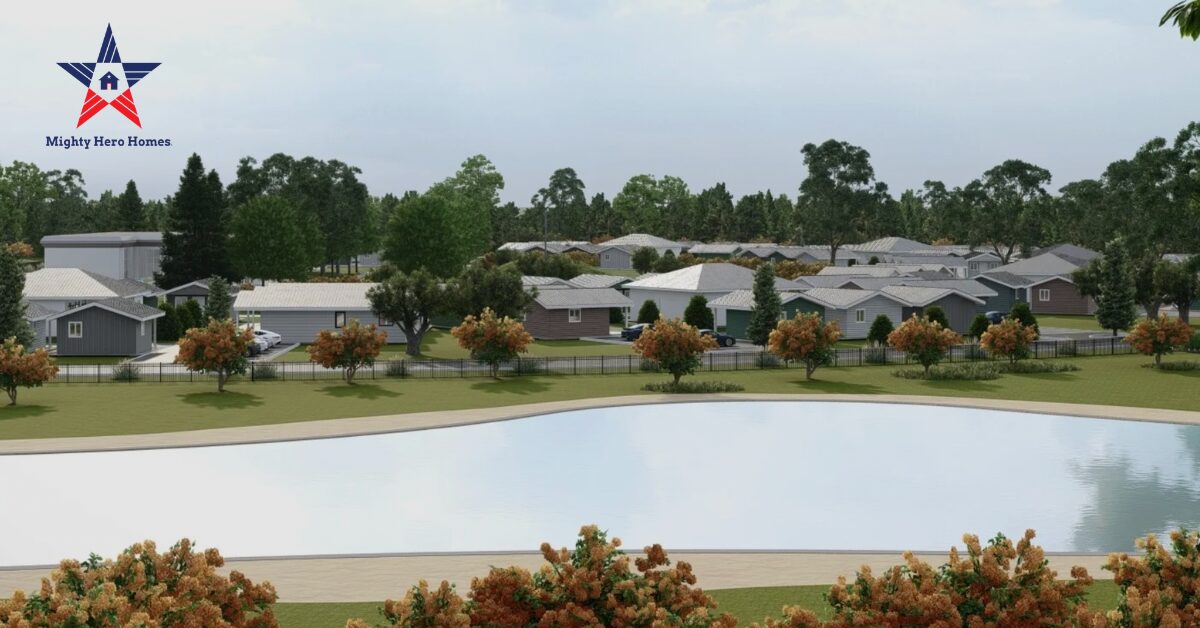
Each Mighty Hero Homes base is designed around a community model the organization calls quads: seven groupings of 12 homes each, surrounding a shared activity center that serves as a gathering place, a living room of sorts for neighbors who understand each other in ways most people cannot. On-site access to mental health care, substance abuse therapy, holistic wellness services, walking trails, commercial gardens, canine programs and chaplains are woven into the fabric of daily life on base.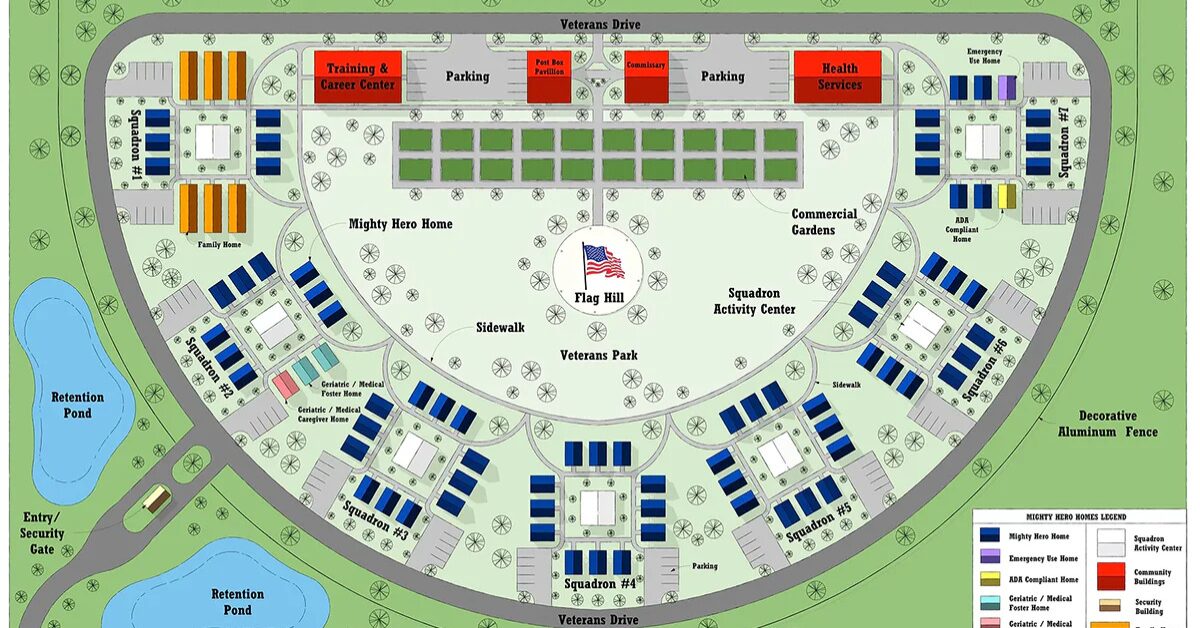
“A home alone is not sustainable,” Drew said. “Health alone is not sustainable. A job alone is not sustainable. But the three of them together, living cooperatively with others who are on a similar mission, is very powerful.”
For 2026, Mighty Hero Homes has organized their work around what they call MHH 360: Homes, Hiring and Health. The three pillars are intentional. Getting a veteran off the street is the beginning, not the end. The foundation has to hold the weight of everything built on top of it.
The organization is equally intentional about who they serve and how they welcome them. Not every veteran arriving at a Mighty Hero Homes base comes directly from the street. Many have been couch-surfing, living in overcrowded situations or cycling through short-term programs that have no permanent option waiting at the end. That reality shapes how the organization thinks about transition and community integration.
“When veterans get out of the military, some just want to be by themselves for a while,” Derek Layne said. “But after a year or two, they start realizing they need people. Coming back into camaraderie, into a community of others who’ve walked in the same boots, that is what we are actively trying to create.”
Mighty Hero Homes also wants residents to one day own their homes outright, moving from a HUD-VASH voucher arrangement toward actual homeownership. Because a foundation is not truly yours until you own the ground it is built on.
The Veterans Behind the Vision
Randy is not the only veteran whose story has shaped the mission and kept the team moving through the hard days.
Melinda is a female veteran, employed and capable, who simply could not afford to put together first month, last month and a security deposit on a government salary while raising a teenage son on her own. She was not struggling with addiction. She was not chronically homeless. She was one financial gap away from stability, and that gap was enough to put everything at risk.
Mighty Hero Homes stepped in. The road was not without its complications, but when Melinda finally got into her own place and was able to give her son the stable environment she had been fighting for, something else happened too.
She became a $7 a month donor.
“She was a veteran who needed help,” Drew said. “Now she is a veteran who is helping.”
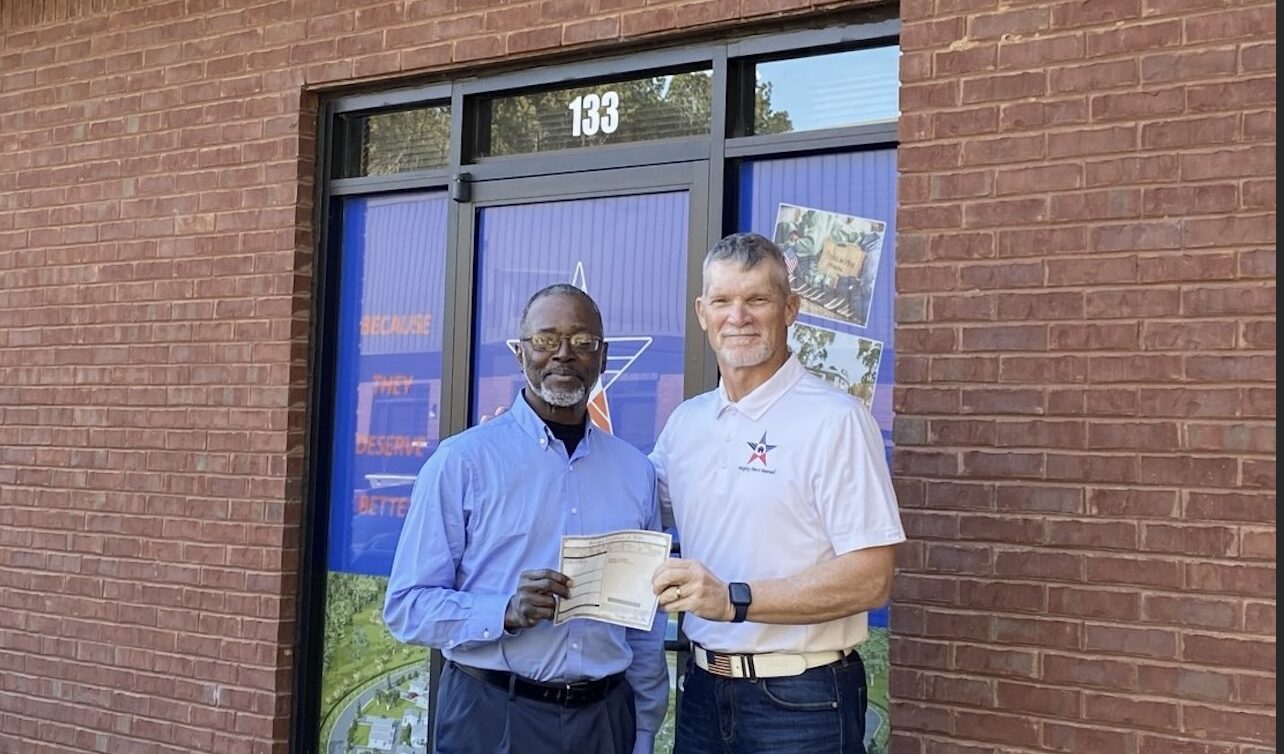
Then there is Tyrone. Intelligent, humble and a gifted communicator, Tyrone and his family found themselves homeless through a series of circumstances that stacked one on top of another until the weight became too much. Mighty Hero Homes came alongside him, and eventually gifted him a truck, donated by another veteran.
“As he will tell the story, it changed his life,” Drew said. “Not just made a tough road easier. It literally changed his life.”
And there is the woman in the parking lot in December of 2024, whose name Drew’s colleague Paige has told enough times that the details are etched into the organization’s memory. She was sleeping in her car with her three children around Christmas, with a job interview two weeks out and nowhere to go. Mighty Hero Homes got her into a hotel. She made it to the interview. She is on her feet now and, according to Paige, has been talking about becoming a monthly donor.
“I got choked up telling that story,” Derek said, “because those are the people who really touch you. She just needed somebody to help. Not a handout, a hand up. And she was able to provide for herself.”
Homeless female veterans with children are the fastest growing segment of veteran homelessness in the country. Melinda, and the woman in the parking lot, are not outliers. They are the trend.
The Community Question
Building a base is not only a construction challenge. It is a community conversation, and Mighty Hero Homes has learned that lesson directly.
In McDonough, the organization did everything right. Six community meetings. Two door-to-door canvassing efforts. Two town halls. The overwhelming majority of neighbors were supportive. But one or two vocal opponents, while professing to love veterans, made clear they did not want what they described as a homeless camp in their neighborhood. In a difficult political moment, that resistance was enough.
Twelve veterans who would have permanent homes today do not.
“If you are dead set against them being in your backyard,” Drew said, “they are going to be in your front yard. On your park benches. In front of your business. In places they should not have to sleep.”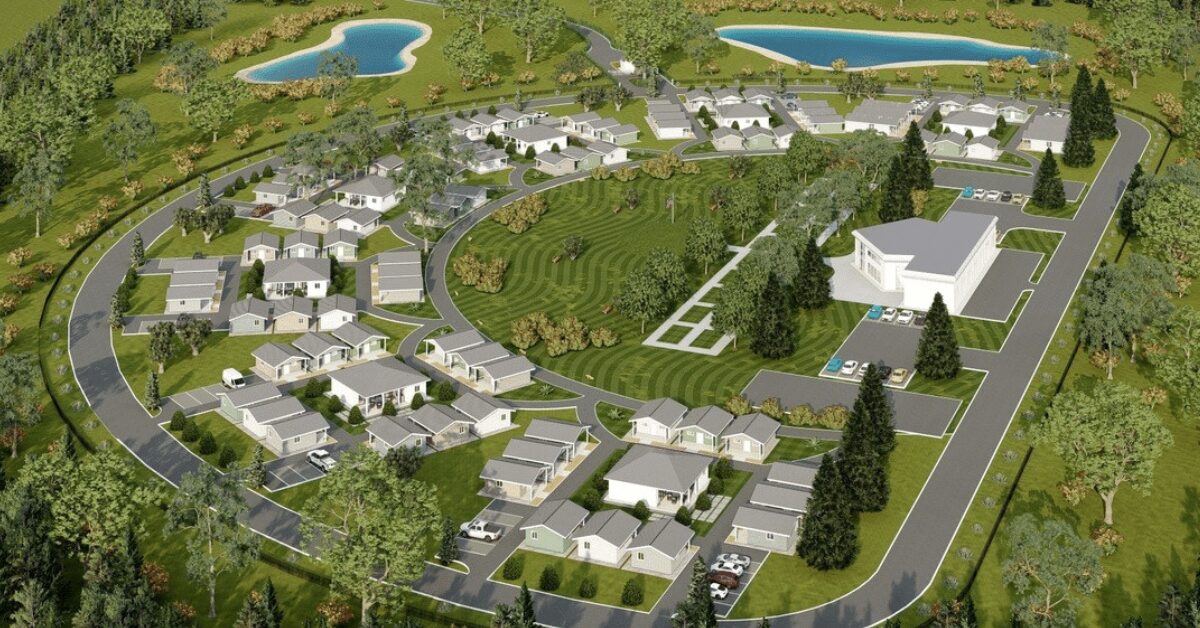
Milledgeville has been a different story. State Sen. Rick Williams has moved mountains, securing land parcels and opening legislative doors. The local Economic Development Authority has been cooperative. Georgia Military College has offered up the old state capital legislature building for the organization’s town hall on June 4, 2026. The largest local church in Milledgeville has already agreed to open that meeting in prayer and is exploring how to get more involved.
Drew’s direction to his design team was simple and specific: someone driving by a Mighty Hero Homes base should think, those homes are a little small, but I would live there. The aesthetic, the landscaping, the architecture, all of it is designed to make these bases a beacon in the community, not a reluctant concession tucked behind a chain-link fence.
The Bigger Vision
Mighty Hero Homes has a goal of 450 bases nationwide. The math behind that number is straightforward: taking the VA’s reported count of homeless veterans and dividing by 84 homes per base. Whether the final number is 300 or 900, the point is the same. The scale of the solution has to match the scale of the problem.
But Drew and Derek are clear that Mighty Hero Homes cannot do this alone, nor do they intend to try. The long-term vision is a franchise model, a step-by-step blueprint that other organizations, civic groups, corporations and nonprofits can use to build their own bases without starting from scratch.
“We want to hand them a script,” Drew said. “From concept to ribbon cutting, here is your guide. We want to be a force multiplier.”
The U.S. government has spent $10 billion over the past 15 years addressing veteran homelessness. Programs have been funded. Hotlines have been staffed. Websites have been built. But as Drew notes, the law does not allow the federal government to build a single home for a veteran. That gap is where organizations like Mighty Hero Homes live.
What keeps Drew Walston and Derek Layne going through the hard days is not the blueprint or the base count. It is the people. It is Randy, still waiting for his keys. It is Melinda, now a monthly donor. It is Tyrone with his truck. It is a woman in a parking lot in December who just needed someone to show up.
Each of those stories is a foundation. Not just for the veteran who lived it, but for everyone who hears it and decides to do something.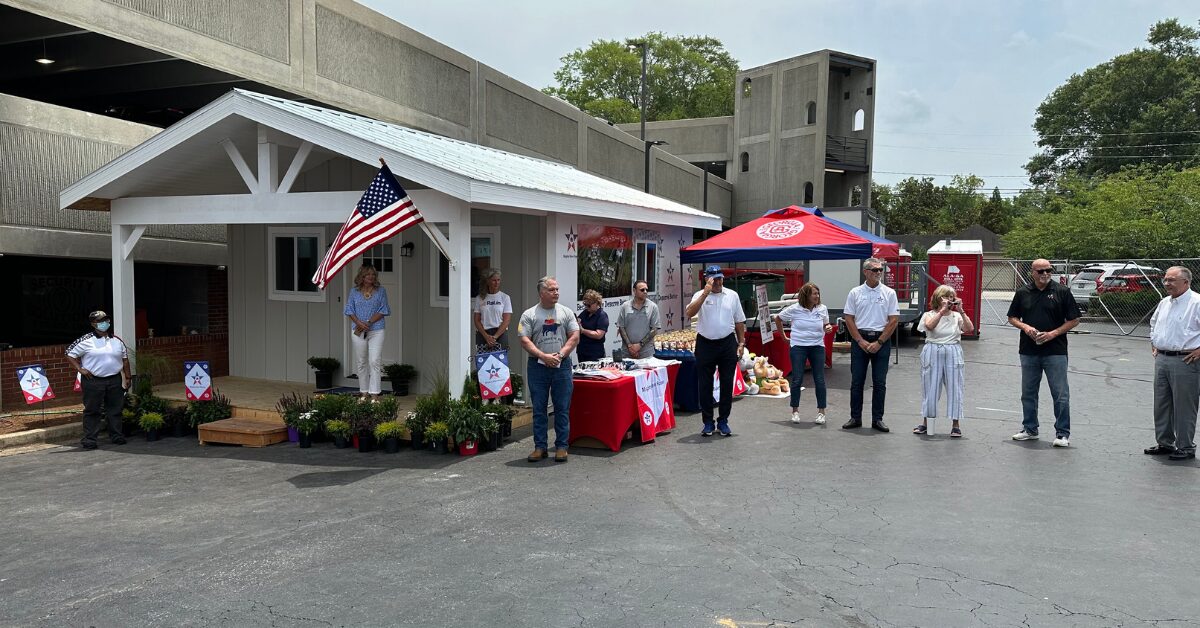
“The greatest impact of accomplishing this mission,” Drew said, “is going to be the generational change that takes place in the communities where these veterans grow and find their hope and their happiness again. We talk a lot about the process. But these veterans are going to be a force. In their communities, in their businesses, in the lives of people around them. We are going to be the ones who learn from them.”
How to Help
Mighty Hero Homes is actively working toward their first base in Milledgeville, Georgia, with a community town hall on June 4, 2026. For organizations, churches, civic groups or individuals who want to get involved or learn more, visit mightyherohomes.org.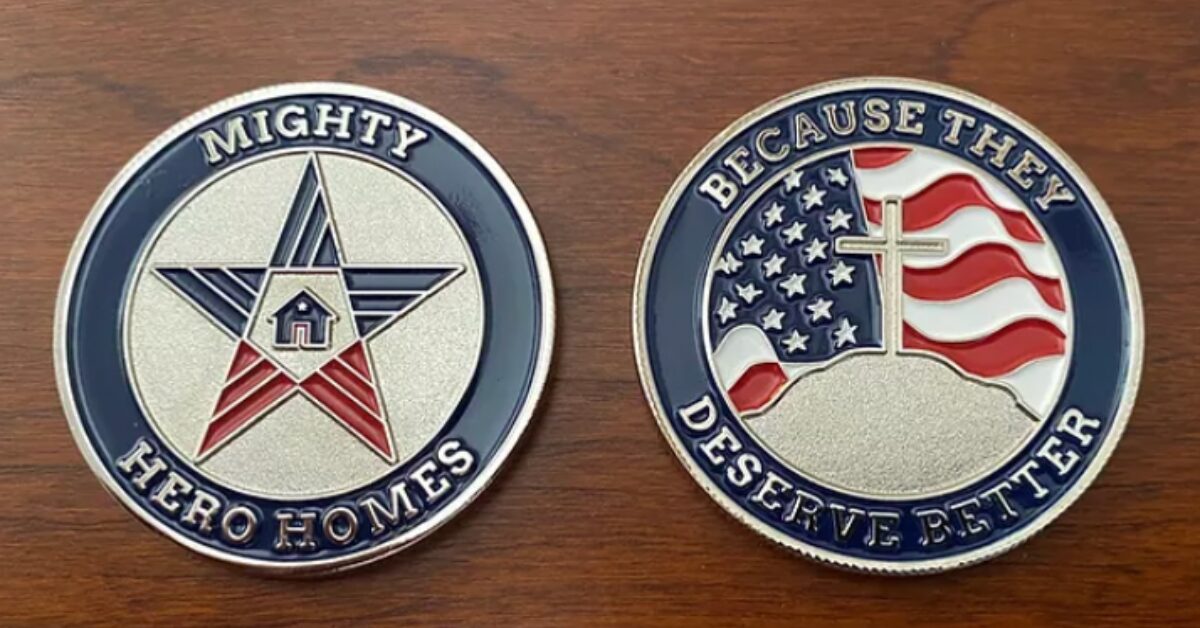
Find support through the Veteran Resource Directory at Mission Roll Call. Search “Homelessness” or “Housing” to connect with organizations making a difference in your community. Be sure to search by location to explore housing resources available near you.