Casting Hope: How Project Healing Waters Helps Veterans Find Healing Beyond the Water
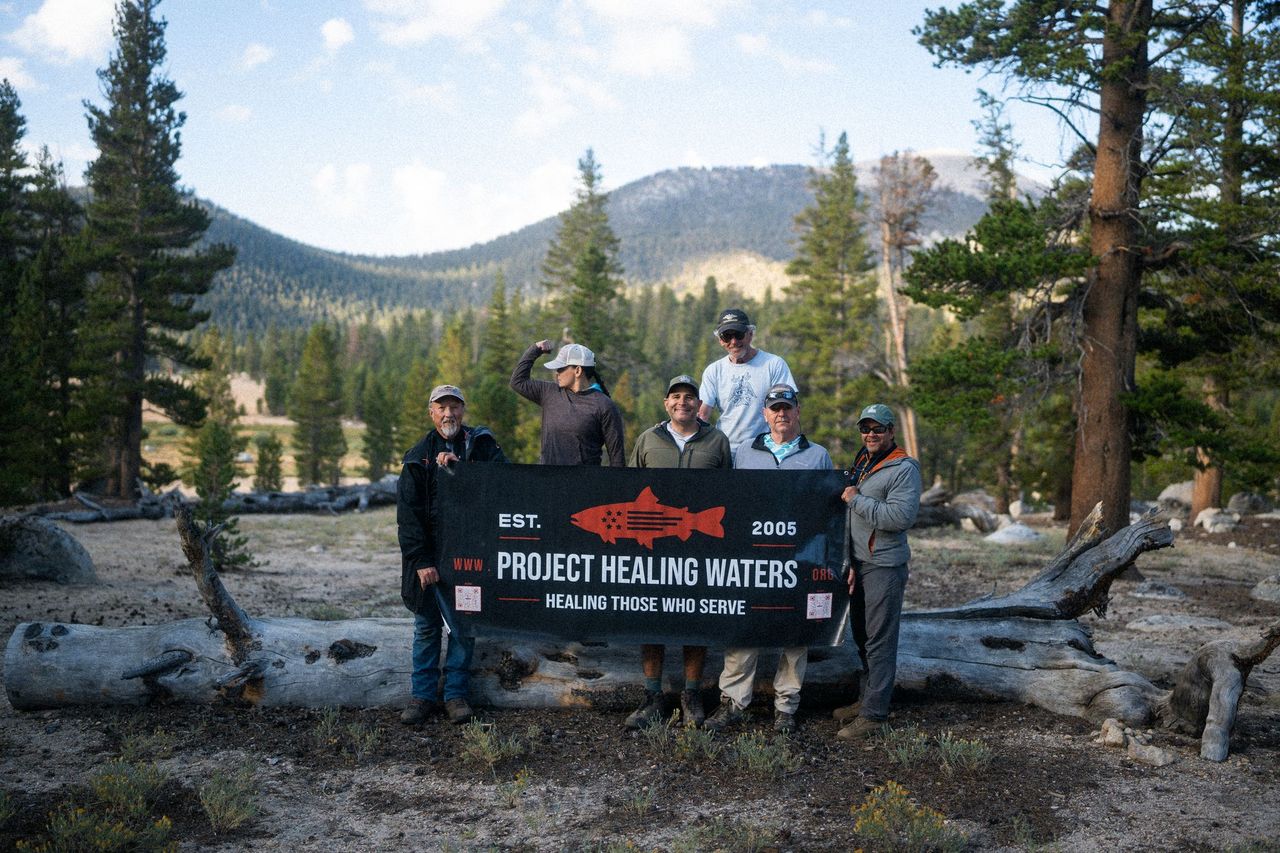
Every veteran remembers the camaraderie. It is built through shared challenges, early mornings, long deployments, and the trust that develops when people serve alongside one another.
But for many veterans, one of the hardest parts of military service comes after they hang up the uniform. The mission changes. The routines disappear. The people they relied on every day move on to new assignments, new careers, and new chapters of life.
Suddenly, the community that once felt inseparable can feel miles away.
For Jim Knowlton, chief executive officer of Project Healing Waters (PHW), helping veterans and active service members find connection again is at the heart of the organization’s mission. Project Healing Waters exists to heal America’s veterans through the therapeutic art of fly-fishing while encouraging restoration, resilience, community, and lasting connection along the way.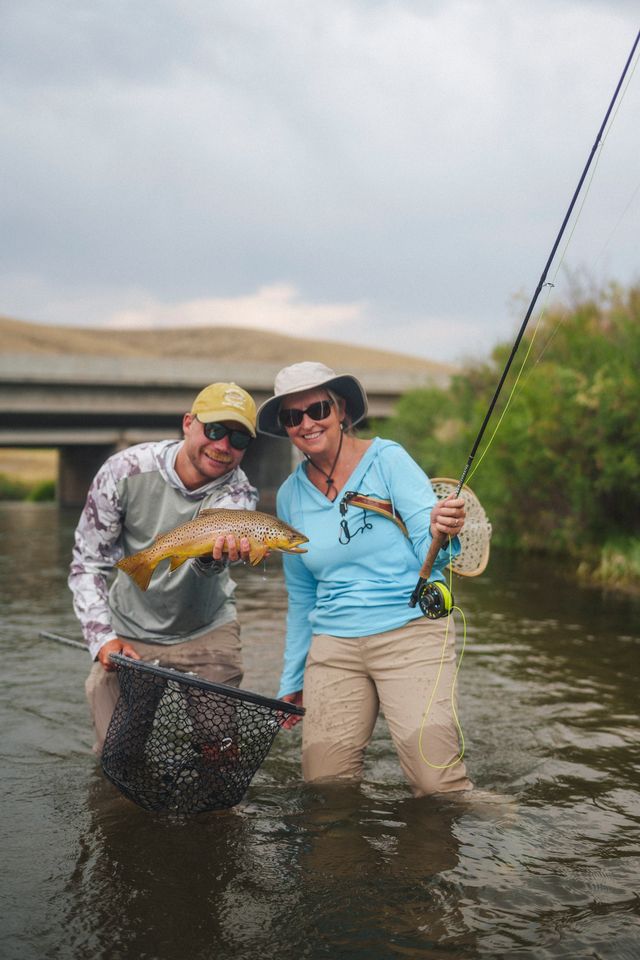
What began in 2005 as a small program serving wounded service members recovering at Walter Reed Army Medical Center has evolved into a nationwide nonprofit helping thousands of veterans experience the healing power of nature, mentorship, and community.
While Knowlton is not the founder of Project Healing Waters, he understands the need that inspired its creation in a deeply personal way. After serving 26 years in the Army in leadership and command positions around the world, he experienced firsthand how challenging the transition from military service to civilian life can be. Veterans leave behind not only a career, but also a sense of purpose, identity, and community. What Project Healing Waters recognized from the beginning, he said, is that many veterans did not need another program focused only on treatment. They needed connection, a place to belong, build relationships, and rediscover purpose alongside others who understood their journey.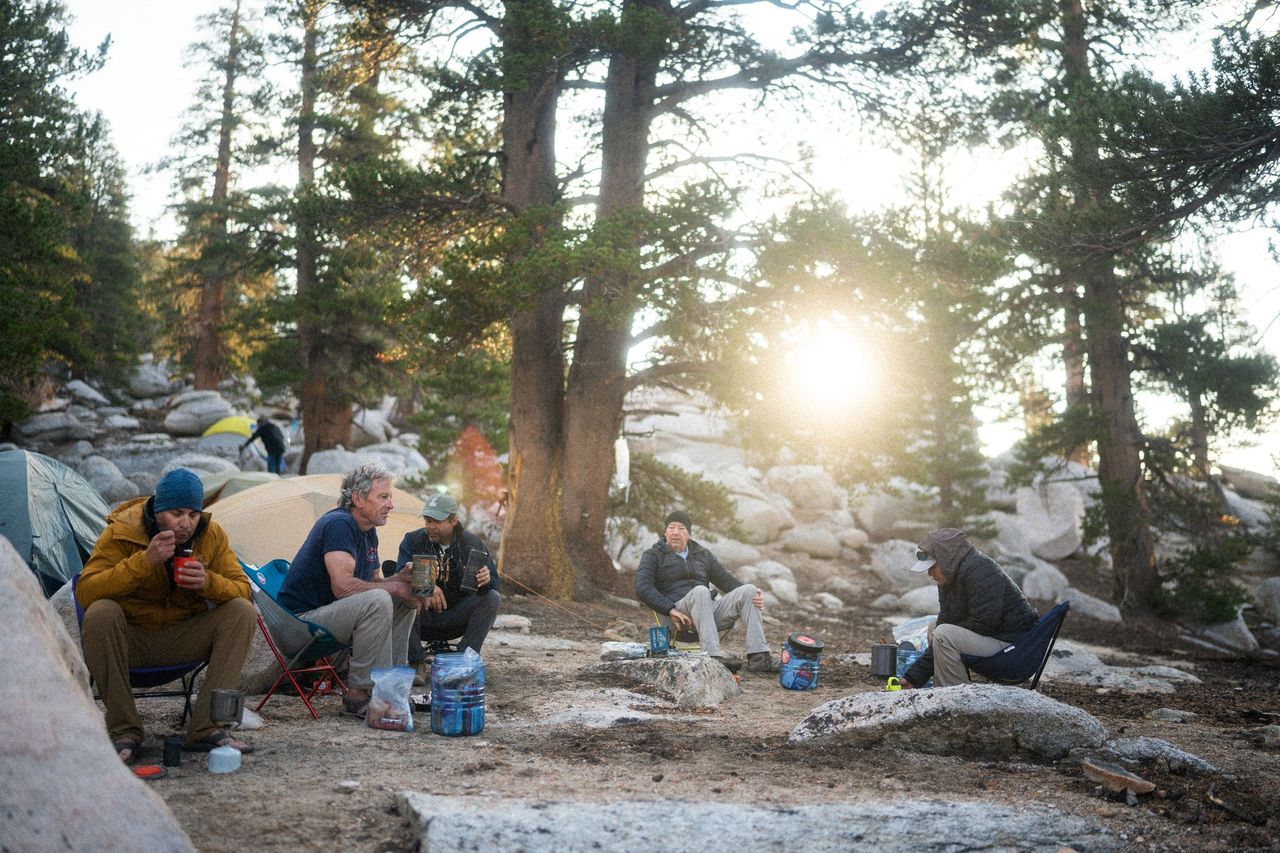
More than two decades after its founding, that mission remains rooted in a simple but powerful belief: healing happens when veterans know they are not alone.
More Than Fly-fishing
At first glance, fly-fishing may seem like a hobby. But for veterans who participate in Project Healing Waters, it often becomes much more than just a hobby. It becomes a pathway to healing.
The organization teaches veterans fly-fishing, fly casting, fly tying, and rod building. Those activities provide opportunities to learn new skills, spend time outdoors, and reconnect with a sense of accomplishment. More importantly, they create moments where veterans can slow down, focus on the present, and build meaningful relationships.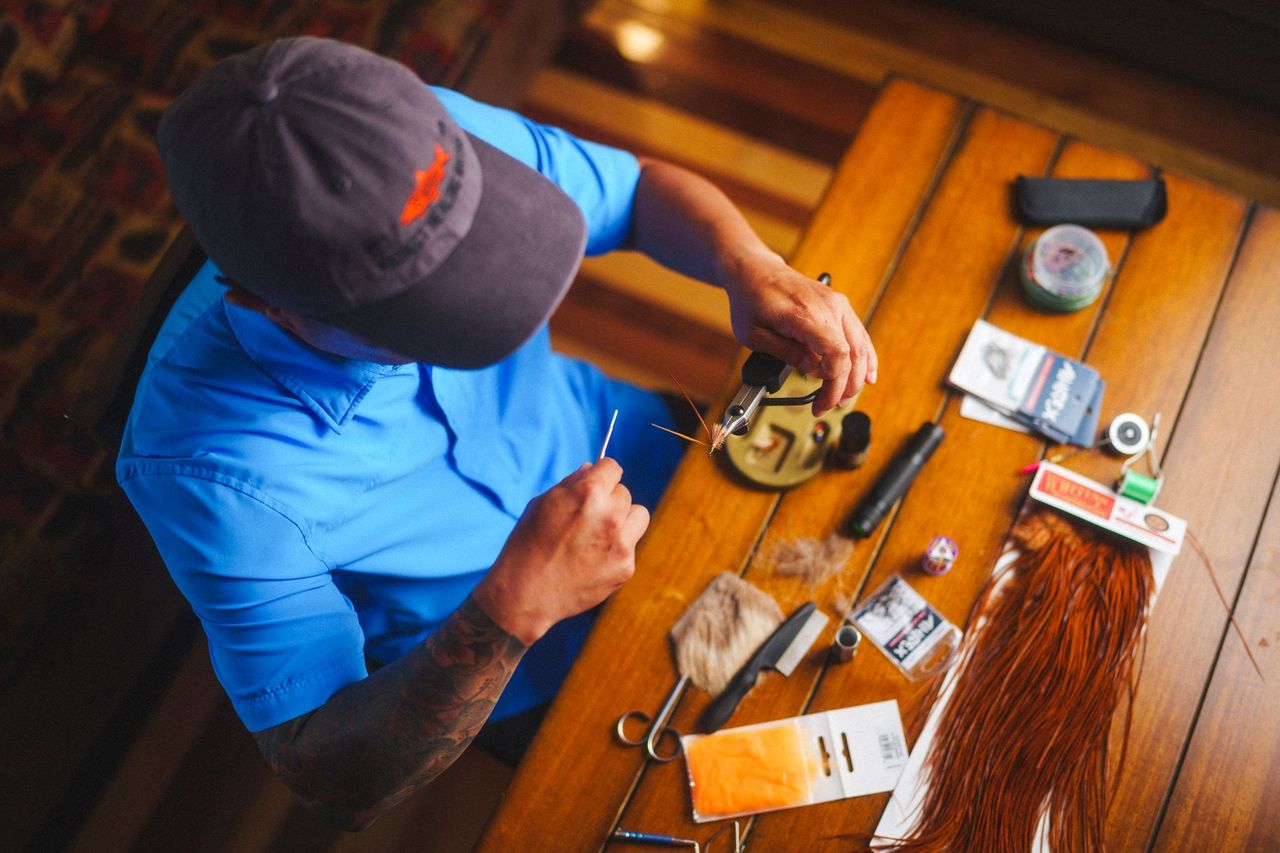
Walter Shockley, assistant program lead for one Project Healing Waters program, explained the impact this way: “Through the act of casting a fly and focusing their attention, veterans can experience relaxation and stress relief.”
Project Healing Waters believes the impact goes deeper.
“Fly-fishing offers something increasingly rare in today’s world: the opportunity to be fully present,” Knowlton said. Standing in a river, reading the water, tying a fly, or making a cast requires focus and patience. For many veterans, that experience creates a welcome break from stress, anxiety, and the weight of a life’s challenges. But the true power of Project Healing Waters, he added, is not the fishing itself. It is the relationships built around it. Veterans spend time together, share experiences, support one another, and rebuild the camaraderie many miss after military service. The river simply provides the setting. The healing comes from connection, purpose, and belonging.
For many participants, the fishing becomes the starting point. The friendships become the reason they stay.
Finding Strength in Community
One of the strongest themes found throughout Project Healing Waters is connection.
Veterans arrive from different branches of service and different eras, but they share an understanding that often requires no explanation.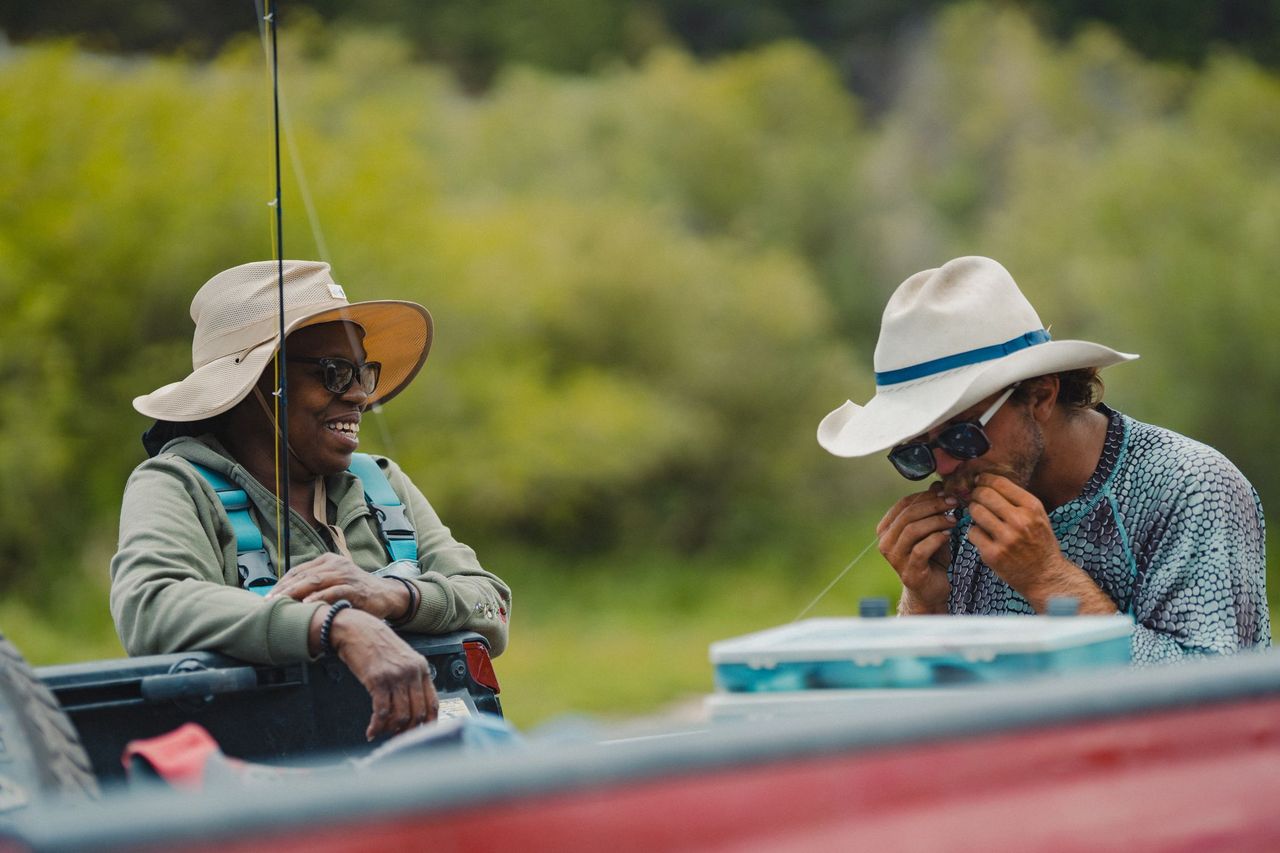
What starts as a shared activity frequently develops into lasting friendships and support systems. Project Healing Waters itself notes that for many participants, the socialization and camaraderie are just as important as the fishing outings.
Knowlton said that sense of community is especially important for veterans who may be struggling with isolation or the transition to civilian life. “Isolation is one of the most dangerous things a veteran can carry home,” he said. “The military gives you a built-in family, and civilian life can take that away overnight.” After leaving the Army himself, he felt a version of that shift. Project Healing Waters, he explained, is not a support group in the clinical sense. It is a place to belong again. Veterans may show up to tie flies or build a rod, but what they often leave with is a text chain, a fishing buddy, and someone who will notice if they go quiet for a few weeks. Local programs provide a consistent community veterans can return to week after week and year after year.
Over time, many veterans who once came seeking support become the individuals offering support to others. That cycle of encouragement is part of what makes the organization unique.
Lessons From the Veterans
Through years of serving veterans, Project Healing Waters has witnessed firsthand what resilience looks like. It is not always found in the dramatic moments. More often, it appears in the small victories.
The veteran who attends a meeting for the first time despite uncertainty. The participant who rediscovers a passion they thought they had lost. The mentor who returns to help another veteran find the same support they once received.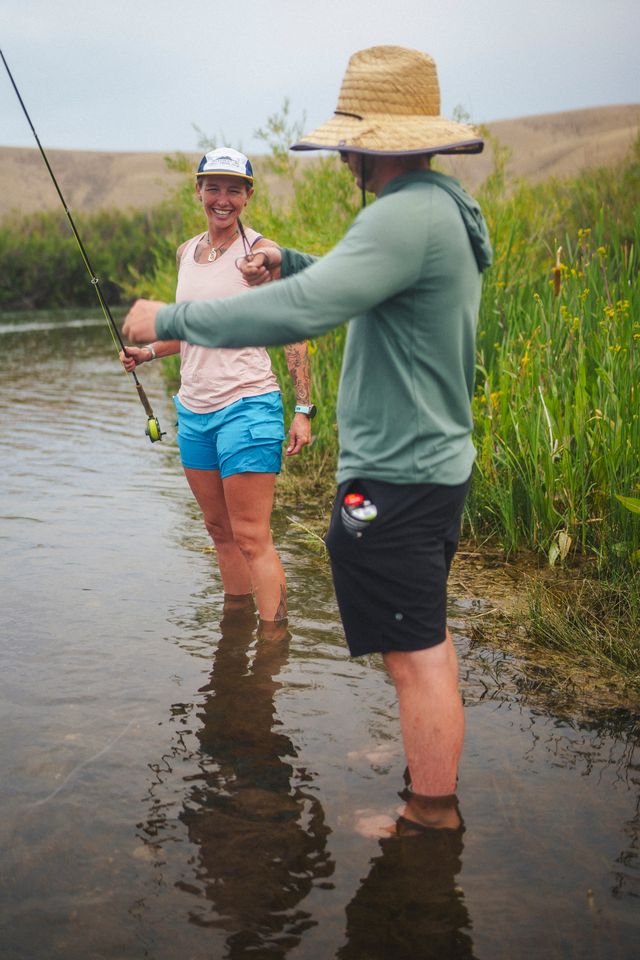
Over the years, veterans have taught Knowlton that resilience is not the absence of struggle. It is what happens after someone lets others see the struggle. He has spent his career around people pushed to their limits, including soldiers in an engineer battalion, cadets at West Point, elite student-athletes, and veterans navigating life after service. The lesson, he said, repeats itself every time. Recovery is not linear and showing up again and again is sometimes the whole job. At Project Healing Waters, that is why community remains at the center of everything they do.
Those lessons continue to shape the mission every day.
A Moment That Says Everything
Ask anyone involved with Project Healing Waters what makes the organization special, and chances are they will tell you a story. Not necessarily about a fish that was caught. But about a life that was changed.
Often, the moments that best capture Project Healing Waters are the quiet ones. A veteran arrives on a trip reserved, uncertain, and largely keeping to themselves. A day later, they are laughing with fellow veterans over a tangled fly line, sharing stories around a campfire, or helping someone else land a fish. There is no ceremony attached to it. No one announces that healing is taking place. Yet that is exactly what is happening. Those moments of connection, trust, and belonging capture the essence of Project Healing Waters better than anything else.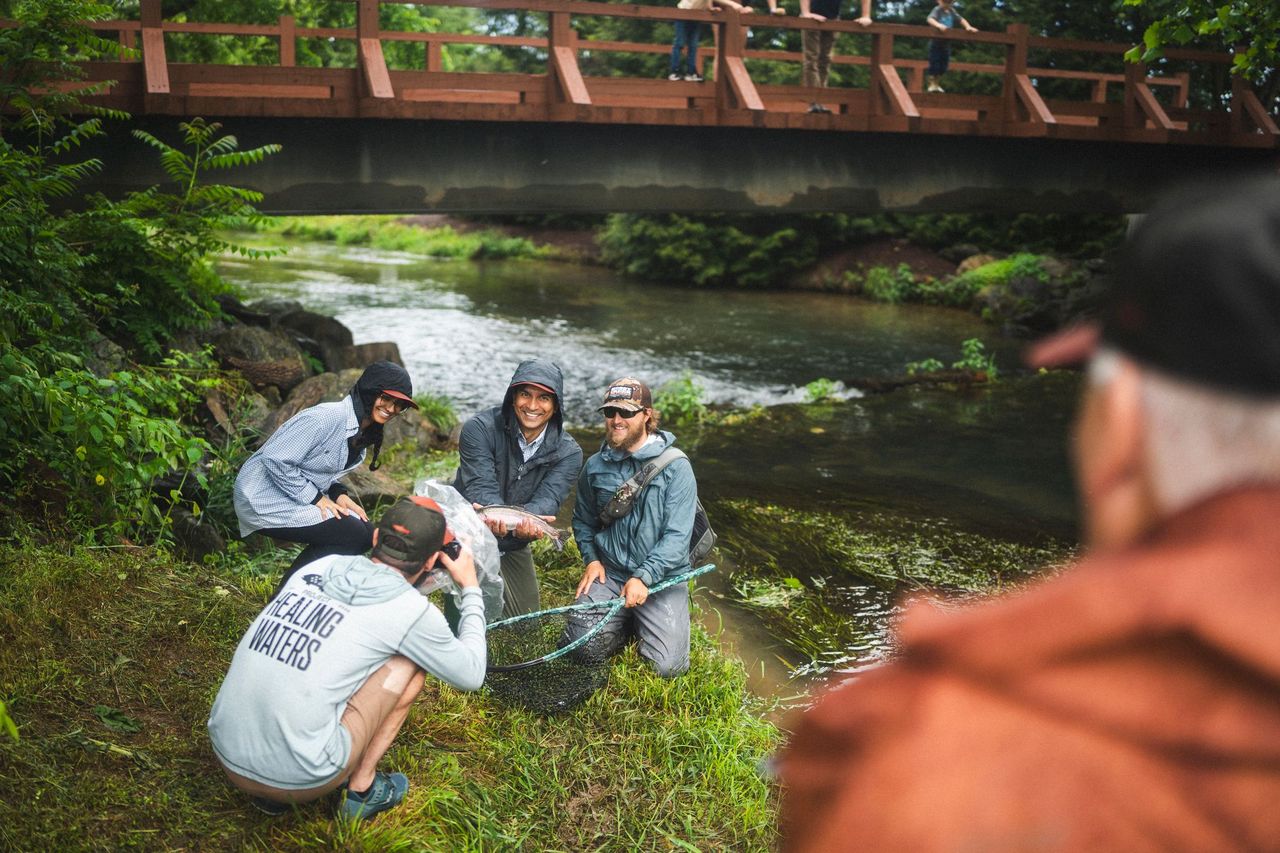
One story Knowlton often thinks of involves a volunteer who first came to Project Healing Waters simply looking for a chance to fish and spend time outdoors. What he discovered was something much more meaningful: a community that restored a sense of purpose, connection, and belonging. Over time, he became increasingly involved and eventually stepped into a leadership role within his local program. Today, he dedicates himself to ensuring that every new veteran who walks through the door experiences the same welcome and support that changed his life. In fact, many volunteers, program leads, and regional leaders originally joined Project Healing Waters as participants. Their continued service is one of the clearest measures of the program’s impact.
Moments like these serve as a reminder that healing often happens through the simple acts of connection, understanding, and support.
Casting Hope Forward
Every veteran’s journey is different. Some arrive hoping to find community, support, and a place to belong. Others are searching for connection, healing, or a renewed sense of purpose. Regardless of where they begin, Project Healing Waters hopes they leave with something far more meaningful.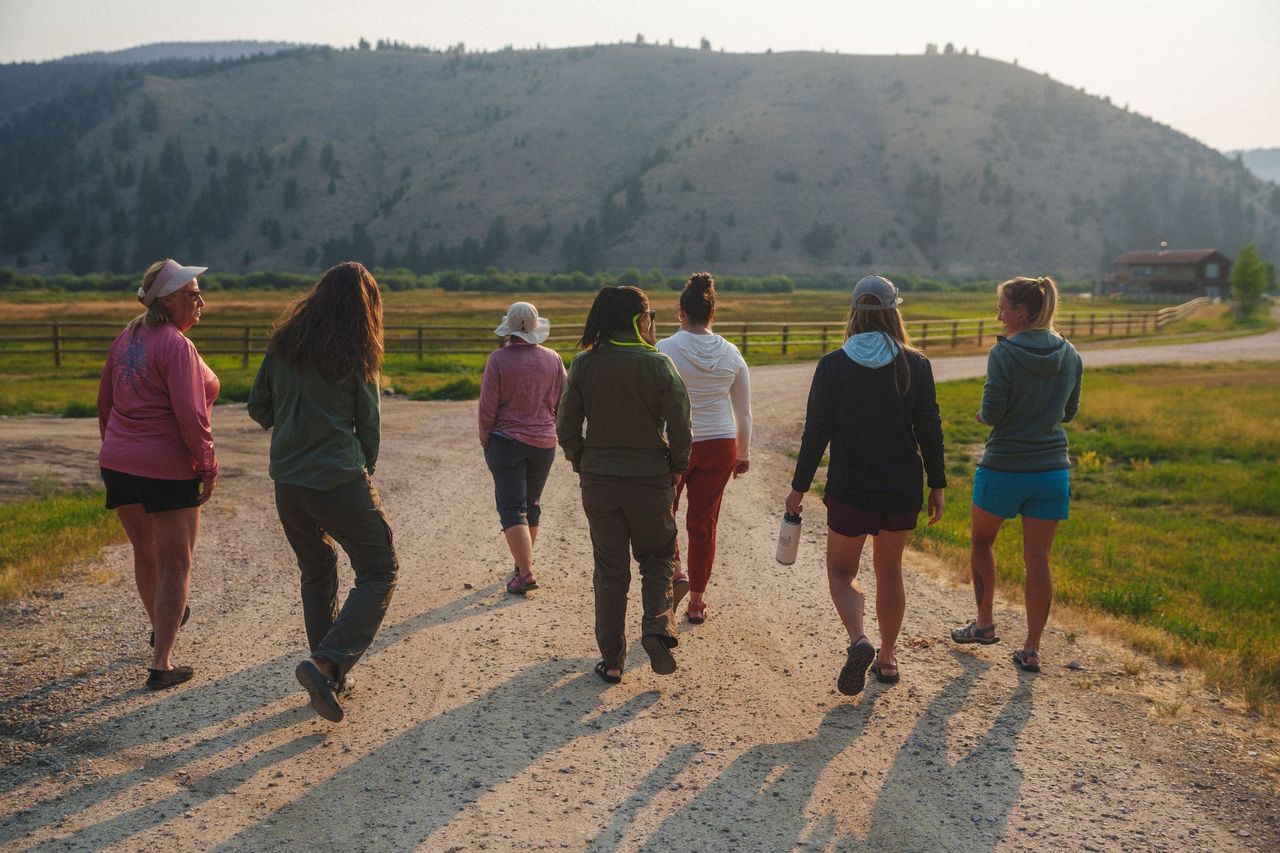
When a veteran participates for the first time, Knowlton hopes they leave knowing they are not alone. If they leave with a new fishing skill, that is wonderful. But what matters most is that they leave with a connection, a friendship, and a reason to come back. For readers, the takeaway is just as clear: veterans do not need to be fixed. They need opportunities to reconnect, contribute, and belong. Every volunteer, donor, and supporter who engages with Project Healing Waters helps create those opportunities.
What keeps Knowlton coming back is seeing transformation happen in real time. After a career leading organizations dedicated to service, from commanding soldiers in the Army to supporting student-athletes in higher education and now serving the veteran community through Project Healing Waters, he remains motivated by watching veterans find renewed confidence, reconnect with others, discover a new sense of purpose, or simply smile again after a difficult period. If veterans are seeking community, connection, and purpose, he believes the mission remains both important and unfinished.
Through fly-fishing, mentorship, and community, Project Healing Waters continues to remind veterans that they do not have to navigate life’s challenges alone. The fishing may bring them to the water, but it is the connection, purpose, and sense of belonging they find there that keeps them coming back. In each cast, each conversation, and each relationship formed along the way, the organization carries forward a simple promise: healing is possible when no veteran must stand alone.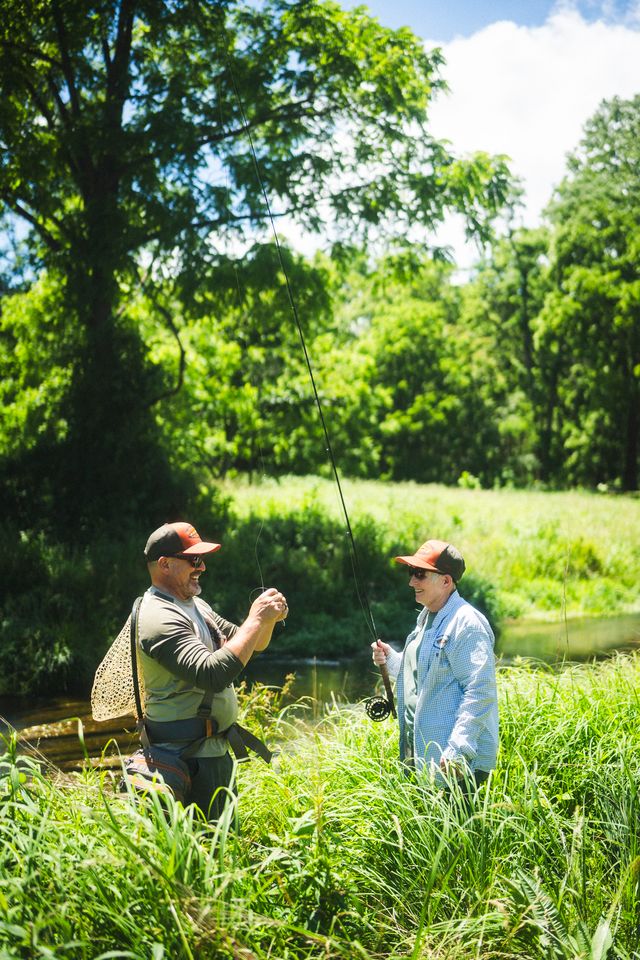
About Project Healing Waters
Project Healing Waters is a nonprofit organization dedicated to healing America’s veterans and active service members through the therapeutic art of fly-fishing. Through fly-fishing, fly tying, fly casting, rod building, educational programs, and outdoor experiences, the organization helps veterans build resilience, foster meaningful relationships, and find community throughout their healing journey. Project Healing Waters serves thousands of veterans nationwide while promoting healing through camaraderie, connectedness, and community.
Veterans interested in participating, volunteers looking to get involved, and supporters who want to learn more can visit ProjectHealingWaters.org to find a local program, volunteer opportunities, upcoming events, and additional resources.