Keeping America’s Promise: How TAPS Helps Military Families Find Hope After Loss
Every military family understands the sacrifice. They know what it means to endure long deployments, uncertain phone calls, and the challenges that come with serving a nation. For some families, that sacrifice becomes the unimaginable reality of losing one in service to their country.
For Bonnie Carroll, the President and Founder of Tragedy Assistance Program for Survivors (TAPS), that reality became personal in 1992 when her husband, Brigadier General Tom Carroll, was killed in an Army plane crash.
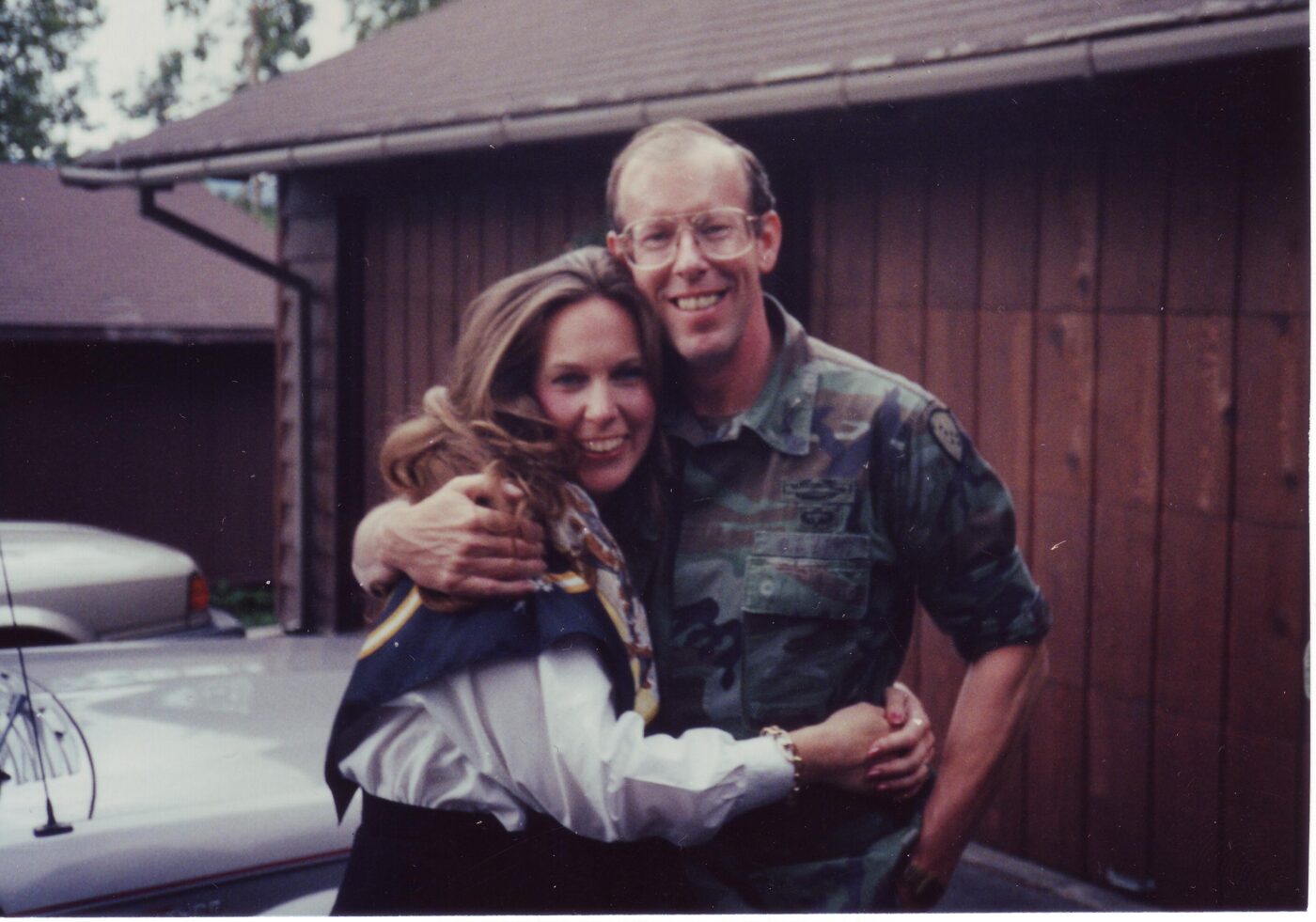 While she experienced the military’s professionalism and compassion during casualty assistance, she quickly realized something important: support could not end after the funeral.
“Military casualty care cannot end with the presentation of the folded flag,” Carroll said.
That realization led her to found TAPS, a national nonprofit organization dedicated to providing compassionate care, peer support, resources, and hope to those grieving a death in the military or veteran community.
More than 30 years later, TAPS continues to fulfill a purpose rooted in a simple but powerful belief: no military survivor should have to grieve alone.
Building Resilience Through Community
Over the years, Carroll has worked with thousands of surviving military families. Through those experiences, she has learned that resilience is not something that people find on their own.
“What I have learned is that resilience is built in community,” she said.
Military families understand the service, sacrifice, and commitment when their loved ones sign up. According to Carroll, those same values often become the foundation for healing.
Surviving spouses’ mentor newly widowed spouses. Parents who have experienced loss support other grieving parents. Children who once attended TAPS program return years later to help the next generation of survivors.
That is community.
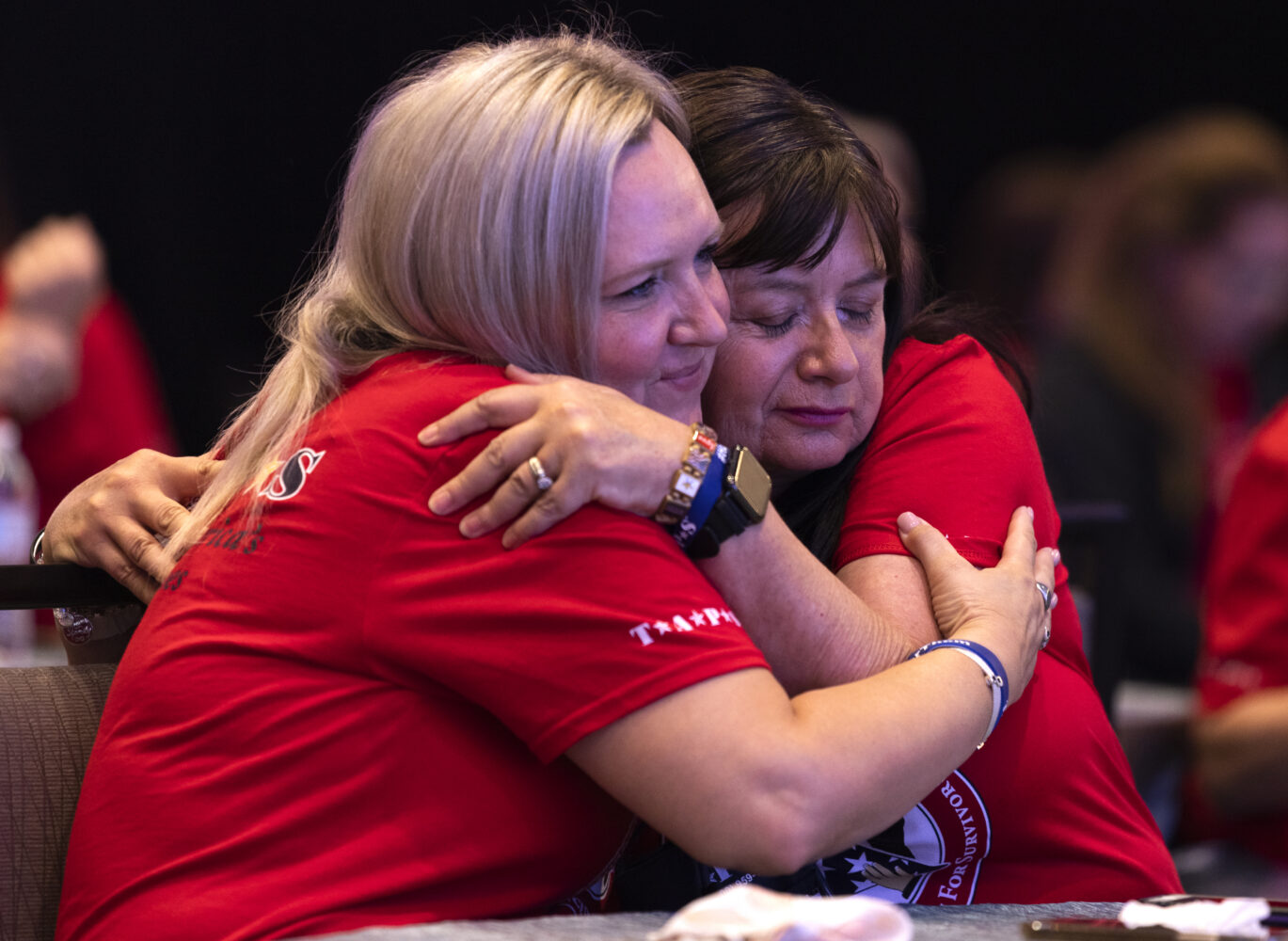
Two survivors embrace during TAPS Military Survivor Seminar. (Photo Credit: Matthew Callahan)
“They don’t move beyond their loss,” Carroll explained. “They learn to move forward while carrying love, memory, and purpose.”
For many families, that shared understanding makes all the difference during the time they need it most.
The Power of Connection
One of TAPS’ core principles is that no survivor should have to navigate grief alone.
Military loss carries unique challenges. Families often find themselves balancing the overwhelming grief with military processes, benefits, legal questions, financial decisions, and caring for children, all while adjusting to a life forever changed with them.
In those moments, human connection becomes essential.
“While a survivor meets someone who has walked the same road, they no longer have to explain military life, survivor benefits, or the complicated emotions that accompany service-related death,” Carroll said. “They are understood immediately.”
That understanding reduces isolation, restores hope, and reminds survivors that they are not alone.
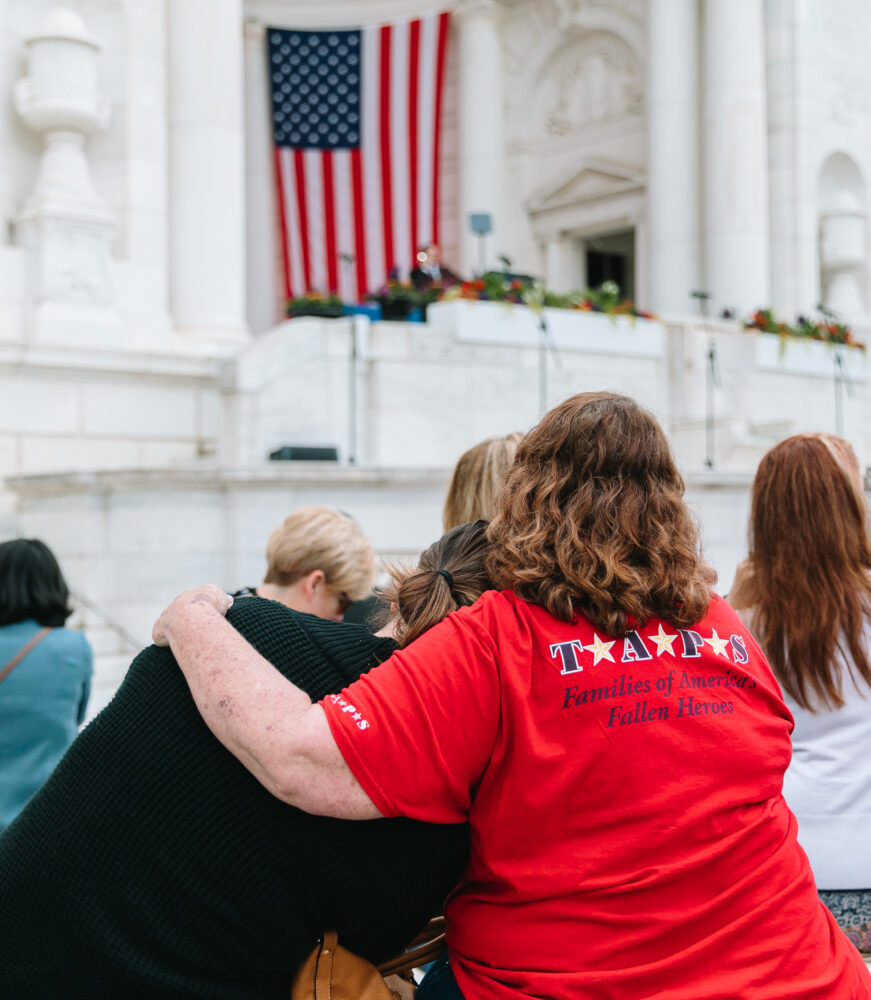
Survivors attend Memorial Day Observance at Arlington National Cemetery during the 29th Annual TAPS National Military Survivor Seminar and Good Grief Camp, May 29th, 2023.
Carroll also believes this support serves another purpose: reassuring those still serving that their loved ones will be cared for if tragedy strikes.
“Every service member deploying today wants to know that if the worst happens, their family will be cared for. TAPS helps fulfill that promise.”
A Story of Hope
One of Carroll’s most memorable examples of TAPS’ impact is a young girl named Laurie.
Laurie was seven years old when she attended her first Good Grief Camp after losing her father in the Marine Corps. She arrived carrying a camouflage teddy bear, the last stuffed animal her father had given her.
She barely spoke during that first weekend.
Then she met another little girl who quietly told her, “My dad died too.”
For the first time since losing her father, Laurie no longer felt different. She no longer felt alone.
Over the years, she continued participating in TAPS programs. Eventually the little girl who once needed comfort became someone offering comfort to others.
Years later, Laurie returned as a Legacy Mentor. Kneeling beside another frightened seven-year-old clutching a stuffed animal, she shared the same words that once helped her heal:
“I know. My daddy died too. You’re going to be okay. We all have you now.”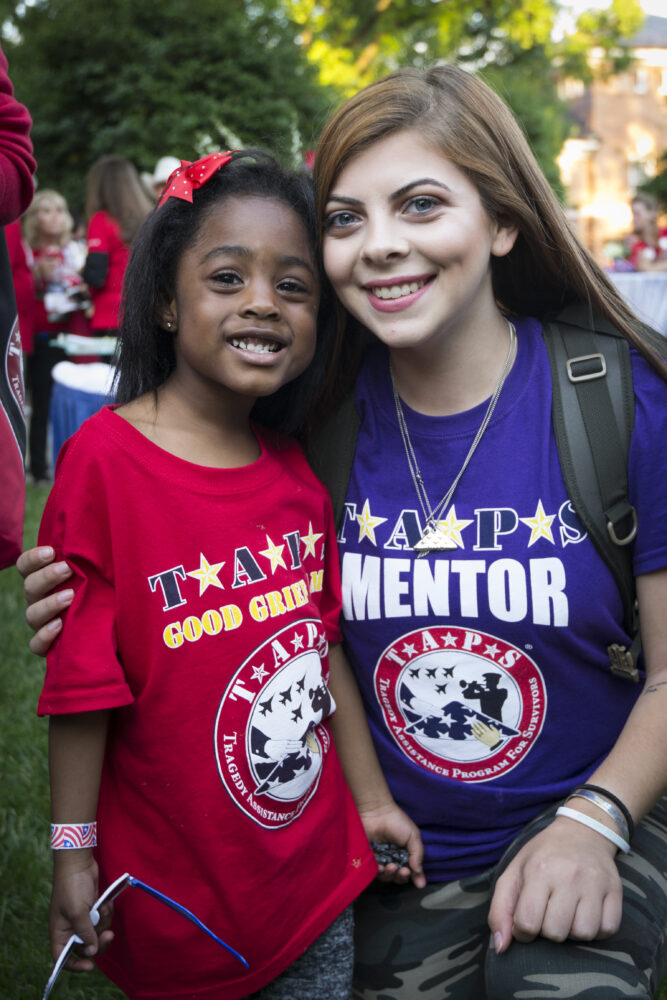
For Carroll, stories like Laurie’s represent the heart of TAPS.
“A child who arrives believing she has lost everything discovers she has gained a family for life.”
Suicide Prevention Starts with Connection
As September marks Suicide Prevention Awareness Month, Carroll believes the conversation must extend beyond crisis intervention.
“The opposite of despair is connection,” she said.
Whether someone is grieving a combat death, illness, accident, or suicide, isolation can become one of the greatest barriers to healing.
Community, compassion, and support help break that isolation.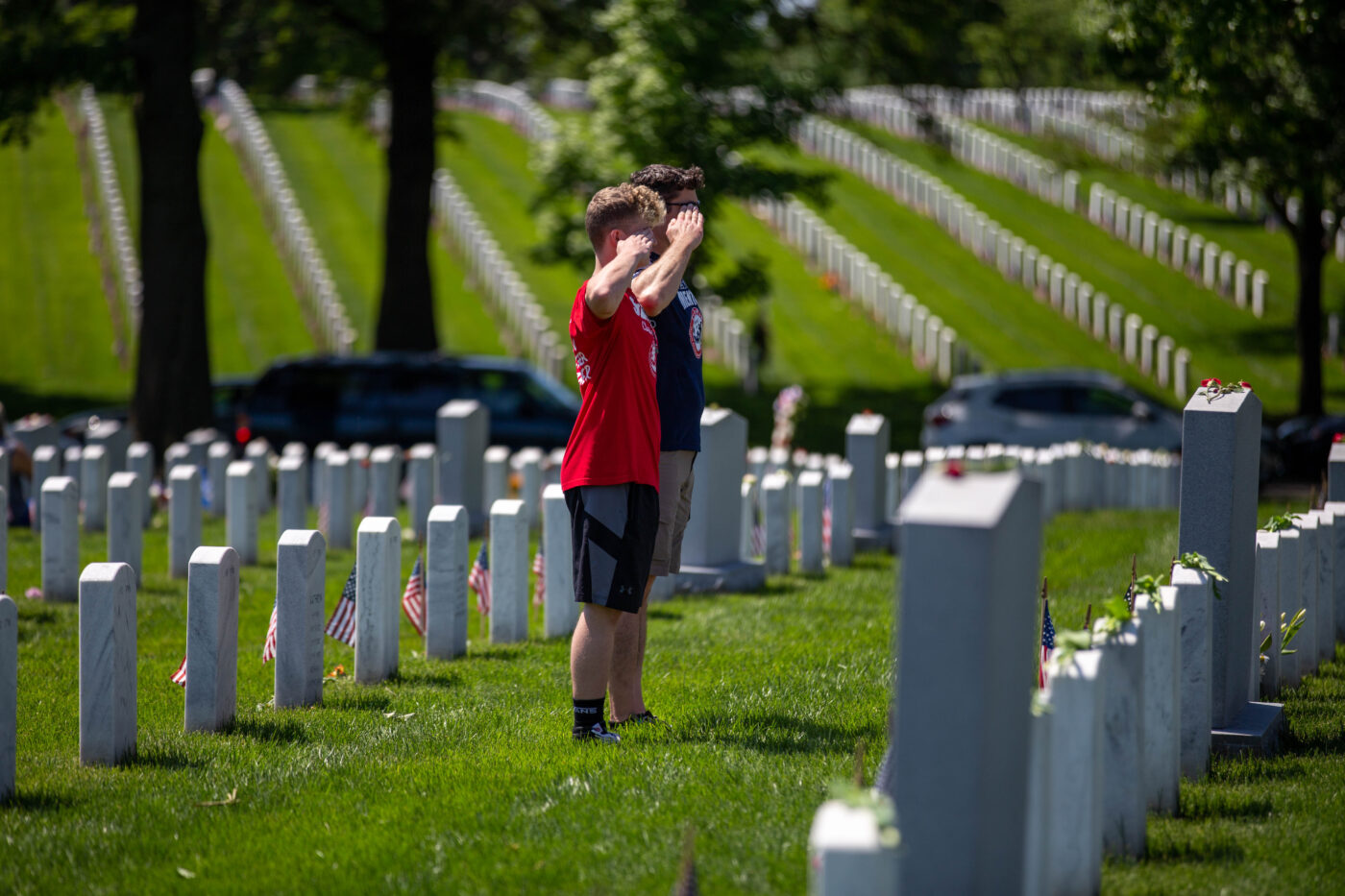
Every answered phone call, every peer mentor relationship, every support group, and every child attending Good Grief Camp creates another opportunity for hope.
“Suicide prevention is not only about crisis intervention,” Carroll explained. “It is about building communities where people know they belong, where asking for help is a sign of courage, and where no one believes they have to carry their pain alone.”
Keeping the Promise
For Carroll, supporting military survivors is about much more than grief support. It is part of a promise made to every service member who wears the nation’s uniform.
“To every service member serving today, I want you to know this: if the unimaginable happens, your family will not stand alone.”
She also has a message for surviving families.
“Your loved one’s service and sacrifice will never be forgotten.”
More than three decades after its founding, TAPS continues to provide comfort, connection, and hope to military families around the world.
“Love does not end with death,” Carroll said. “Neither does our commitment.”
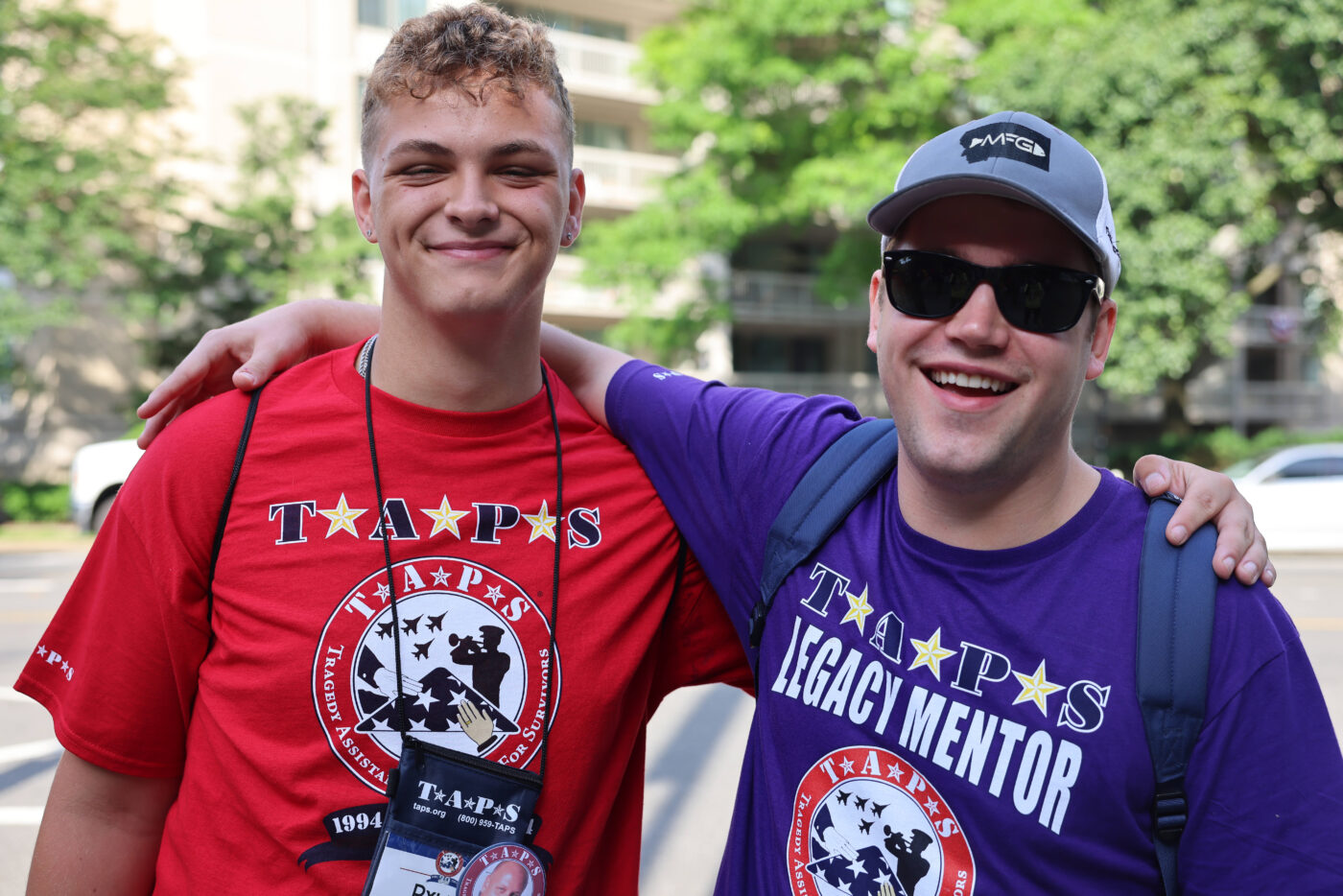
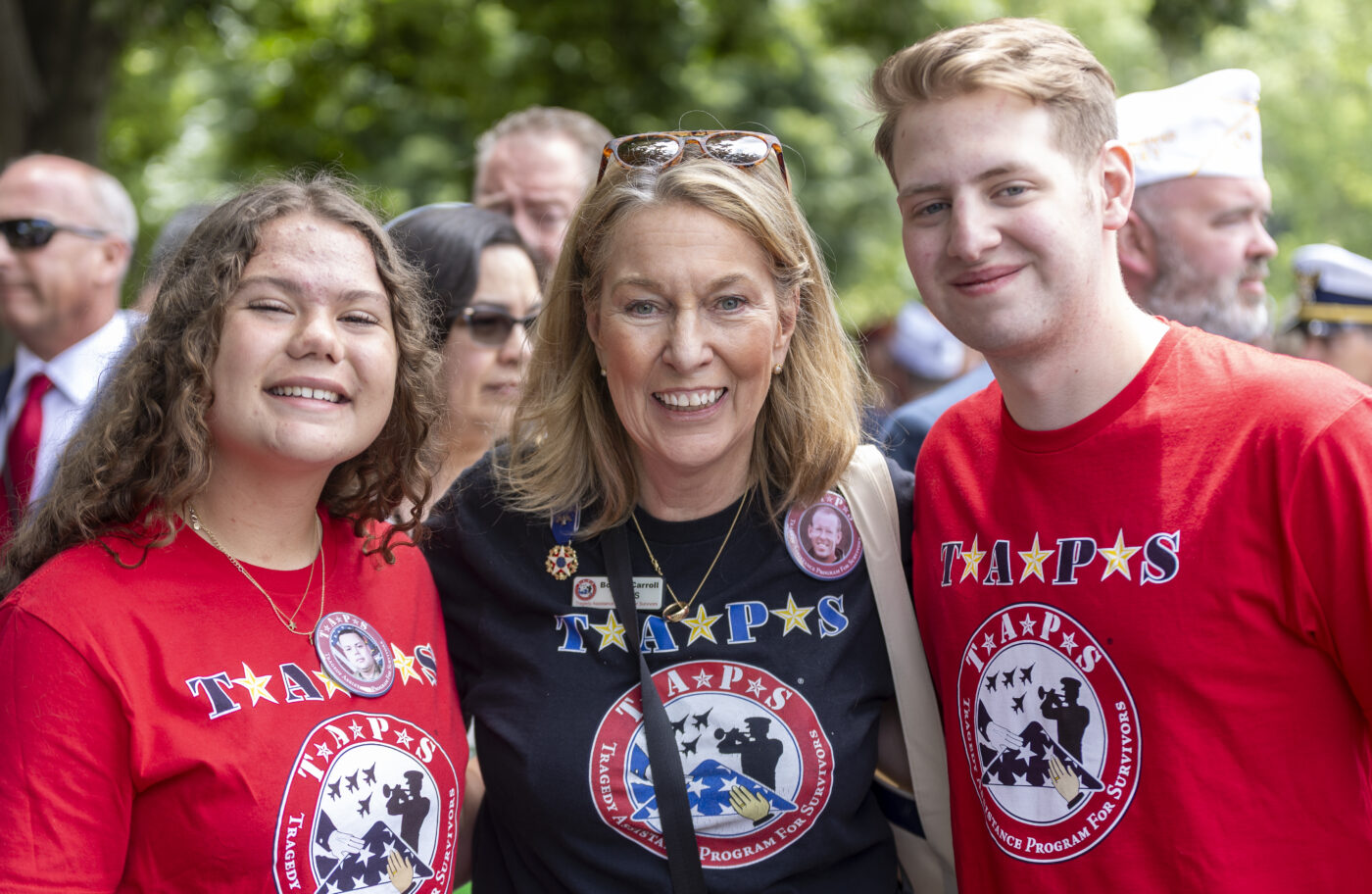
Tragedy Assistance Program for Survivors (TAPS) 30th Annual National Military Survivor Seminar and Good Grief Camp, 2024.
Photo Credit: Nessa Chase
If military families are grieving the loss of a loved one who served our nation, TAPS will continue standing beside them, ensuring that America’s promise to care for the families of its fallen heroes is kept.
About TAPS
TAPS provides a variety of programs to survivors nationally and worldwide. Our National Military Survivor Seminar and Good Grief Camp has been held annually in Washington, D.C., over Memorial Day weekend since 1994. TAPS also conducts regional survivor seminars for adults and youth programs at locations across the country, as well as retreats and expeditions around the world. Staff can get you connected to counseling in your community and help navigate benefits and resources.
If you are grieving the loss of a fallen service member, or if you know someone who can use our support, the TAPS 24/7 National Military Survivor Helpline is always available toll-free with loving support and resources at 800-959-TAPS (8277).