Sheltered, but Still Homeless: Panella Page’s Journey From Instability to Service
Content Warning: This story contains references to military sexual trauma and housing instability. If you are a veteran in crisis, contact the Veterans Crisis Line by dialing 988 and pressing 1, texting 838255 or visiting VeteransCrisisLine.net .
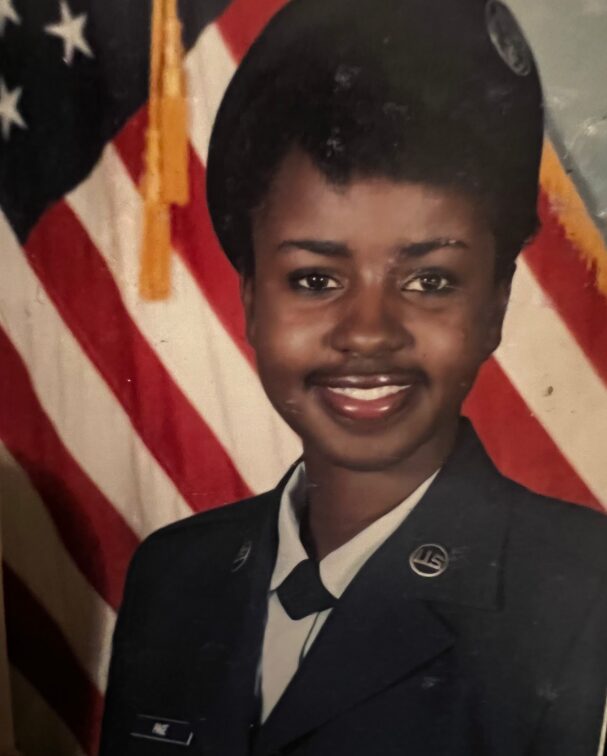
When Panella Page left the Air Force in 1991, it was not on her original timeline. Her father’s terminal illness had led to a hardship discharge after her overseas orders were canceled. She came home focused on her family, without a clear picture of what the transition would cost her.
Page had served in the Air Force since 1989, but her transition home did not include a clear understanding of the benefits, mental health services or disability compensation that might have been available to her. She entered the civilian workforce, developed a career in logistics and continued moving forward without fully understanding how her military experiences had affected her emotional health.
Military sexual trauma was part of her story, although Page did not yet have the language to identify what she had experienced or understand how it had followed her into civilian life. Like many survivors, she carried the effects privately while continuing to work, raise her family and manage the responsibilities in front of her.
For years, employment gave Page a measure of stability, but that foundation changed when she lost her logistics position with Ryder in 2009. The job loss affected more than her income because she was also caring for her young son and needed a safe place for both of them to live.
Page and her son moved in with her mother, which gave them shelter but did not provide the independence or security Page had previously maintained. Although she was not sleeping in a car or on the street, she no longer had stable housing of her own, and the VA recognized that her circumstances met the definition of homelessness.
Her experience reflects a form of homelessness that frequently remains hidden because the veteran may be staying with a relative or friend rather than living outdoors. From the outside, the veteran appears to have a place to stay, while privately living without a permanent home, dependable income or control over how long the arrangement can continue.
For Page, the loss of employment and housing stability arrived while she was still carrying untreated trauma and raising her son. Her circumstances were shaped by several overlapping conditions, including unemployment, limited knowledge of her VA benefits and the unresolved effects of her military service.
Finding a pathway through the VA
Page began volunteering at the Detroit VA Medical Center, where she gained greater exposure to the programs and services available to veterans. That decision eventually connected her with the VA’s Compensated Work Therapy program, commonly known as CWT, which helps eligible veterans address employment barriers while receiving rehabilitation and vocational support.
Page described CWT as the program that helped her begin regaining stability because it gave her an opportunity to rebuild her work history, restore her confidence and move toward permanent employment. Her pathway also included vocational rehabilitation and employment support designed to help veterans with service-connected disabilities prepare for, obtain and maintain suitable employment.
After entering CWT, Page secured a full-time housekeeping position with Environmental Management Service at the Detroit VA Medical Center. The position provided the dependable income and daily structure she needed as she continued rebuilding her life, but it also became the beginning of a much longer federal career.
Page remained with the department for several years, developed professionally and eventually became a supervisor. Her progression from a veteran participating in an employment-support program to a department supervisor demonstrates what can happen when a veteran receives access to an appropriate opportunity at the right time.
Employment restored an essential foundation beneath her family. The things she had endured did not disappear, but she could now plan beyond the next immediate crisis. With a stable income and the ability to plan beyond the next immediate crisis, she could begin rebuilding the housing security that had been disrupted by the 2009 layoff.
Returning to the home where her story began
As her employment became more secure, Page was eventually able to purchase the family home where she had grown up. The purchase gave her and her family stable housing while reconnecting her future to a place that had already held generations of memories.
or Page, buying that house meant something beyond the transaction. The home she grew up in became evidence that the instability following her job loss did not have to define the rest of her life. She had moved from staying with her mother because she had nowhere else to go to purchasing the home that had helped shelter her family during a period of uncertainty.
Her experience also illustrates why employment, benefits and housing cannot be treated as separate parts of a veteran’s life. Reliable income gave Page the ability to pursue stable housing, while the housing itself provided a stronger foundation from which she could continue working, raising her family and addressing the effects of her military service.
Understanding military sexual trauma
While Page was participating in services at the VA, she learned about military sexual trauma and began recognizing her own experience within that definition. Until then, she had lived with the emotional effects without fully understanding the connection between what happened during her military service and the symptoms she continued experiencing afterward.
Page participated in group therapy as part of her healing, which allowed her to process experiences she had carried privately for years. Learning about MST gave her language for the trauma and connected her with other veterans who understood the difficulty of confronting an experience that had remained unspoken.
When Page filed her first VA disability claim in 2011, she did not file a claim identified simply as “MST.” She sought compensation for post-traumatic stress disorder, depression and anxiety associated with her military experience.
Page said she later learned that she should have received a 50% disability rating at the time of her discharge, followed by a reevaluation six months later. However, she had not been given that information when she left the Air Force, and she did not begin the disability claims process until approximately 20 years after her separation.
Although Page filed her claim in 2011, she did not begin receiving disability compensation until 2015. Those four years became another part of a much longer delay between her military service and access to the benefits that could help support her stability.
Her experience demonstrates how a veteran can leave the military, enter the civilian workforce and spend decades managing the effects of service without understanding the benefits or treatment available. When veterans are not properly informed during discharge and transition, the consequences can surface years later through employment difficulties, housing instability, untreated trauma and financial hardship.
From program participant to retired VA supervisor
Page eventually retired from the Detroit VA Medical Center after building a career that began with the employment program she entered during one of the most unstable periods of her life. Her progression through CWT, full-time employment and departmental leadership shows how a coordinated employment pathway can contribute to long-term stability when it is connected with treatment, income and housing.
Her story also reveals the importance of looking beyond visible homelessness. Page had a roof over her head while staying with her mother, but she had lost the independent home and financial security she needed to care for herself and her son. Without a broader understanding of homelessness, veterans in similar circumstances can remain unseen until their situations become more severe.
The services Page encountered at the VA helped her address different parts of her life at different times, including employment, trauma recovery and disability compensation. Those resources became most effective when they began working together and supported her movement toward permanent housing and financial independence.
Carrying the experience forward
After retiring from the Detroit VA Medical Center, Page turned her attention to what comes next for other veterans. She wants to use that knowledge to help develop a coordinated framework within her community so that veterans do not have to locate and navigate every resource on their own.
Page’s goal is to help expand the housing, education and support systems needed to prevent and ultimately eliminate veteran homelessness. That commitment is grounded in lived experience because she understands how quickly employment loss can destabilize a family, how easily sheltered homelessness can remain hidden and how delayed information can postpone access to treatment and disability compensation for decades.
Her story shows how stability develops when employment assistance, mental health treatment, disability benefits, safe housing and trusted guidance work together rather than in isolation.
For veterans experiencing homelessness or housing instability, that pathway may begin with a program, a case manager, a volunteer position or a conversation that reveals a benefit they never knew existed. For Page, the pathway led from living with her mother to participating in CWT, from housekeeping to departmental leadership and from housing uncertainty to ownership of the family home where her story began.
Today, her experience serves as a reminder that veterans should not have to wait decades to understand the resources connected to their service. Earlier information, coordinated support and recognition of hidden homelessness can help veterans reach stability before a temporary crisis becomes a prolonged struggle.
To learn more about Mission Roll Call’s work to uplift veteran voices and advance effective housing solutions, visit our Housing and Homelessness page.
Mission Roll Call is committed to listening first because the experiences of veterans, families, caregivers and community partners guide our advocacy and help us pursue the changes that veterans say matter most.
Your voice matters here, and we encourage veterans, families, caregivers and supporters to share their experiences through Mission Roll Call’s national surveys. Every story helps shape policy, raise public awareness and ensure that veterans are seen, heard and represented in the decisions affecting their lives.
Understanding the truth brings us one step closer to ensuring that every veteran has what they deserve: stability, dignity and a place to call home.
Content warning: This story discusses military sexual trauma and other traumatic experiences. Please take care while reading.
Support: Veterans in crisis can call 988 and press 1, text 838255, or visit VeteransCrisisLine.net. For support related to military sexual trauma, find a VA MST Coordinator who can help you access care.
About the Author
Yvette Jones-Swanson, M.A., is a writer and Mission Roll Call’s subject-matter expert on veteran homelessness and housing. A U.S. Army veteran, former homeless veteran and survivor of military sexual trauma, she brings more than 22 years of frontline experience as a Veterans REALTOR® and housing advocate.