Even After 37 Years of Service, the System Still Failed Retired Army Master Sgt. Swanson

After 37 years in uniform, the system failed him, leaving him without a place to land.
Not because he fell short, but because the transition process did.
Retired Army Master Sgt. Swanson built a career defined by discipline, leadership and sacrifice. A war veteran with nearly four decades of combined active-duty and reserve service, he was preparing for a structured transition into civilian life when that plan changed abruptly.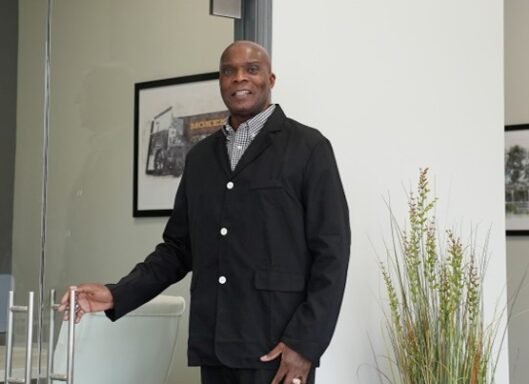
Instead of a coordinated retirement, he was discharged months earlier than expected.
There was no transition buffer, no housing plan and no time to adjust.
He returned to Chicago without stable housing, navigating a system that was not prepared to support him in real time.
Like many veterans, he initially relied on family. But temporary arrangements do not last. Space becomes limited, resources are strained and stability begins to erode. What followed was a cycle familiar to many veterans experiencing housing instability: short stays in motels, hotels and even an annual timeshare visit just to secure temporary shelter.
Nine months passed without stability after 37 years of service.
“I served my country for 37 years, active duty and reserve,” Swanson said. “I didn’t think I’d be fighting just to have a place to live.”
This was not a personal failure. It was a systems failure.
When transition timelines shift and support systems do not adjust accordingly, veterans are left to navigate housing, benefits and stability on their own. The gap between discharge and stability is where too many fall through.
A turning point came at a veterans resource fair in Chicago, where Swanson met a loan officer experienced in working with veterans facing housing challenges. That connection quickly became critical.
The loan officer made a call on the spot.
Timing matters in these situations. A single missed connection can mean months — or even years — of continued instability. That call led to immediate action.
A full intake assessment was completed that same day, reviewing Swanson’s situation, barriers and available options. One of the most common misconceptions is that homeownership is out of reach for veterans experiencing housing instability.
It is not.
With the right support and coordination, it can be achieved.
The loan officer secured VA loan approval, and the home search began the next day. Within days, Swanson was under contract. The first property did not work out, but the process continued with a focus on finding the right fit, not just any option.
Shortly after, he found it.
The right home. The right opportunity.
The deal closed, and Swanson moved from homelessness to homeownership.
That outcome did not happen by chance. It required coordination, expertise and the ability to navigate a complex system quickly and effectively. Too often, capable veterans are derailed not by lack of effort, but by gaps in support.
Today, Swanson is not only stable — he is thriving.
He has since owned multiple homes and now works as a veterans real estate agent and life insurance professional. He has turned his experience into purpose, helping other veterans navigate homeownership and secure financial stability.
Alongside his wife, Yvette Jones-Swanson, a subject-matter expert and writer with Mission Roll Call, he continues to support veterans in Chicago and across the country. Together, they focus on addressing the complex challenges surrounding housing, stability and long-term success.
Stories like this are powerful, but they should not be rare.
Thousands of veterans across the country face similar instability, not because they lack discipline or determination, but because systems are not designed to respond quickly when circumstances change.
If a 37-year Army veteran can fall through the cracks, anyone can.
Addressing veteran homelessness requires more than temporary solutions. It requires faster, more coordinated pathways from instability to long-term stability, including homeownership.
Stability should not be a privilege earned after service.
It should be protected because of it.
To learn more about Mission Roll Call’s efforts to elevate veteran voices and advance housing solutions, visit:
https://missionrollcall.org/spotlight-priorities/housing-and-homelessness/
Veterans, family members, caregivers and community partners are encouraged to share their experiences through Mission Roll Call’s national surveys:
https://missionrollcall.org/surveys/
About the Author
Yvette Jones-Swanson, M.A., is a subject-matter expert on veteran homelessness and housing. A U.S. Army veteran and survivor of military sexual trauma, she brings more than 22 years of experience helping veterans secure stable housing.