He Lost His Leg in Combat. The Harder Battle Began When He Came Home.
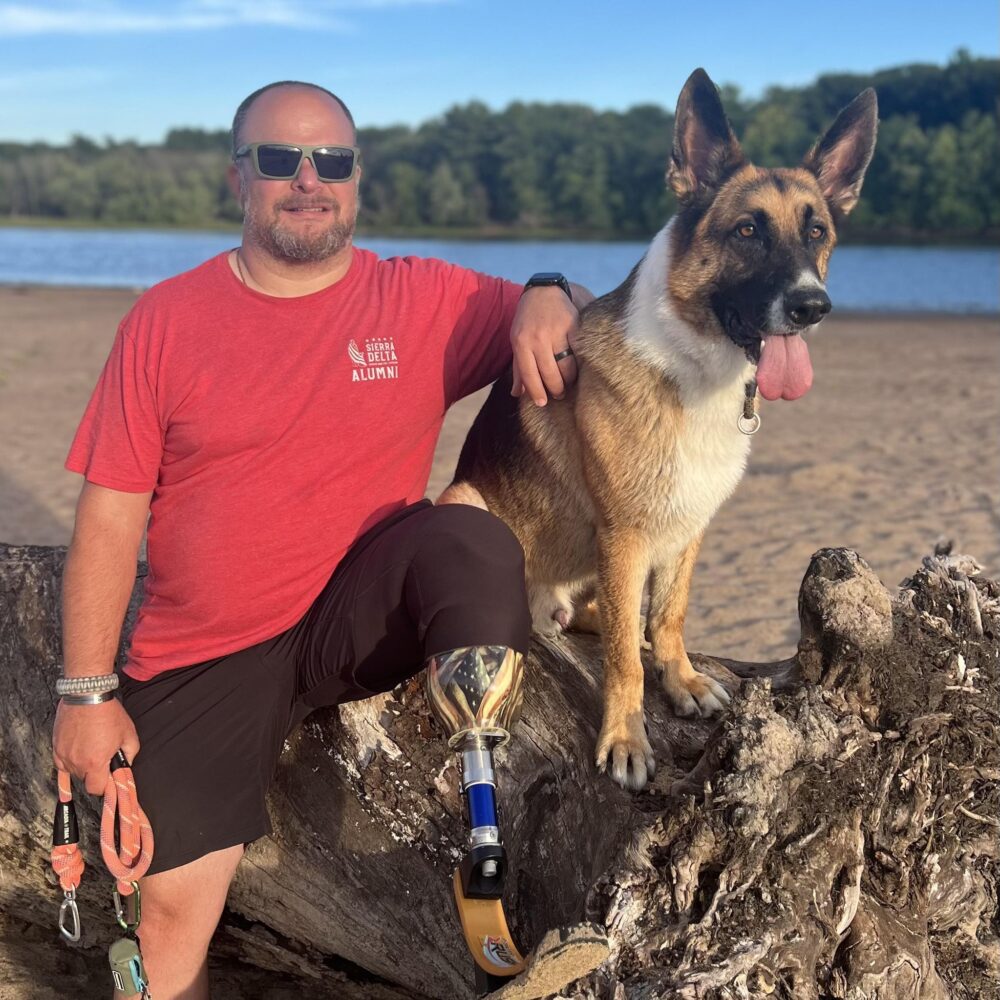
On November 25, 2004, BJ Ganem’s life changed in an instant.
A U.S. Marine serving in Iraq with Golf Company, BJ was on patrol when an improvised explosive device detonated beneath his vehicle.
He lost his left leg.
The life he had built, the future he thought he understood, was gone in seconds.
What followed wasn’t just recovery.
It was the long, disorienting process of figuring out how to live again.
“It was a wild trip.”
Before the War
BJ didn’t come from a military family.
He grew up in Savannah, Georgia, in a family of entrepreneurs, not service members. But from early on, he was drawn to structure, challenge, and something more than the ordinary.
After a stint at a military high school, a failed attempt at college, and a restless search for direction, he made a decision that would define his life.
“I literally watched Legends of the Fall and was just like,’I want to join the Marine Corps.’”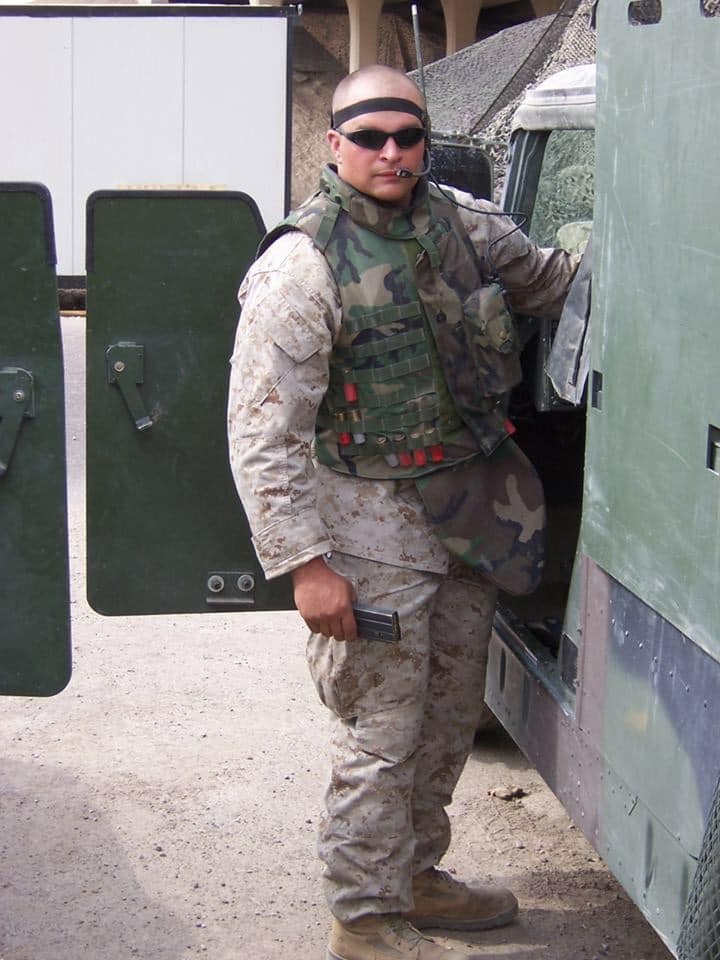
He didn’t just enlist; he chose infantry on purpose.
“When I signed up, I wanted to be guaranteed infantry.”
What followed were years shaped by discipline, brotherhood, and the identity that comes with being a Marine.
And eventually, Golf Company.
“What I signed up for to be a Marine is what Golf Company was like.”
War, Brotherhood, and Loss
When the towers fell on September 11, everything changed.
Deployment was no longer a possibility – it was inevitable.
BJ’s unit deployed to Iraq, operating out of Al Anbar Province, one of the most dangerous regions of the war.
They lived under a bridge outside of Mahmudiyah, Iraq. They fought together. And they lost men along the way.
“Serving with Golf Company… it’s one of the most important things I’ve ever done in my life.”
Their names stayed with him: Cantafio. Ramey. O’Donnell. Warnes. Simon.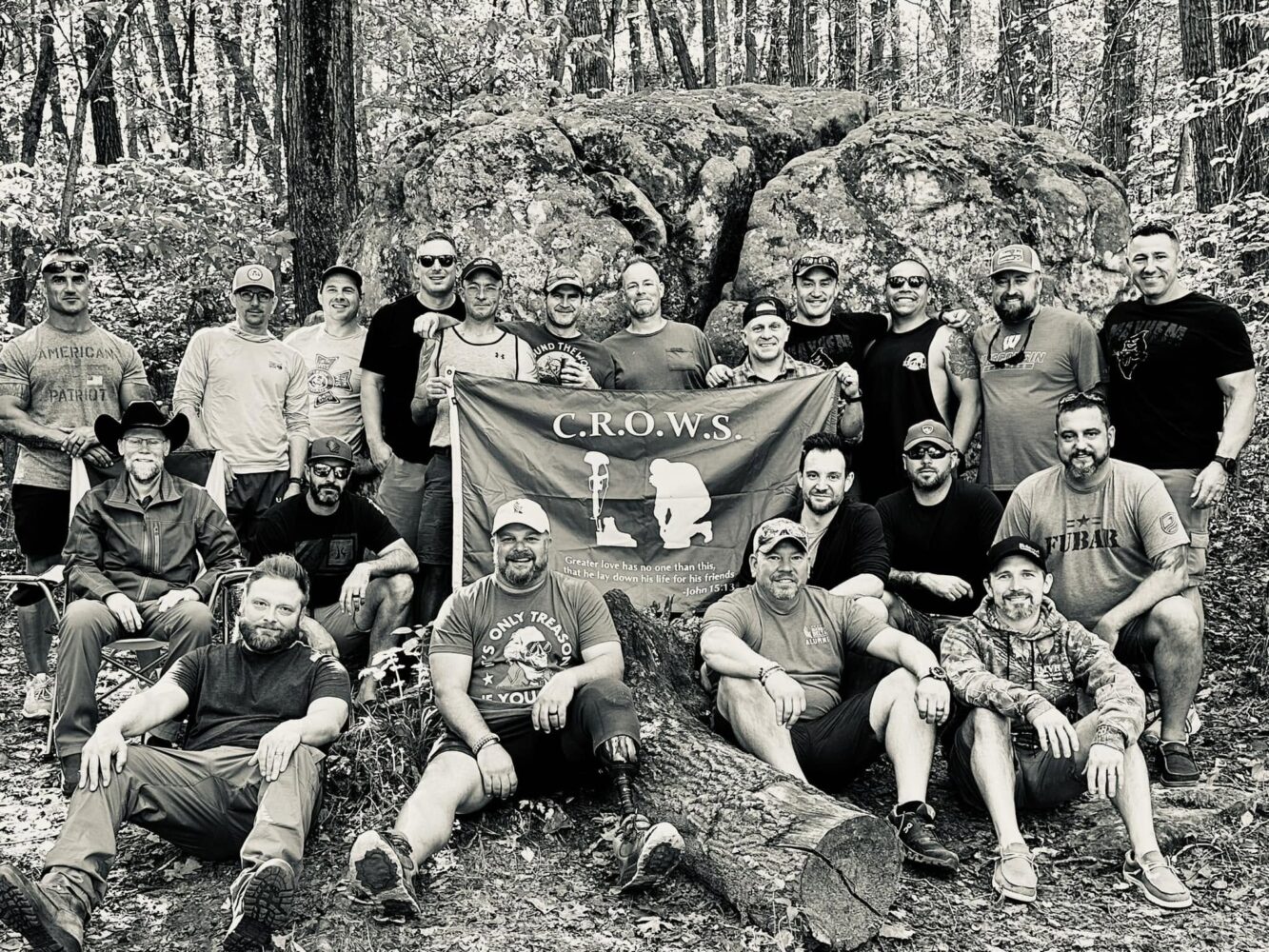
And others lost in the years after returning home.
War didn’t end when they came back. It just changed.
The Battle No One Sees
Losing his leg was only part of the story.
Coming home meant something far harder to define.
It meant losing the uniform. The structure. The identity. The sense of mission.
“I didn’t care about the leg… but I wasn’t okay with not being a Marine anymore.”
Recovery wasn’t a clean path.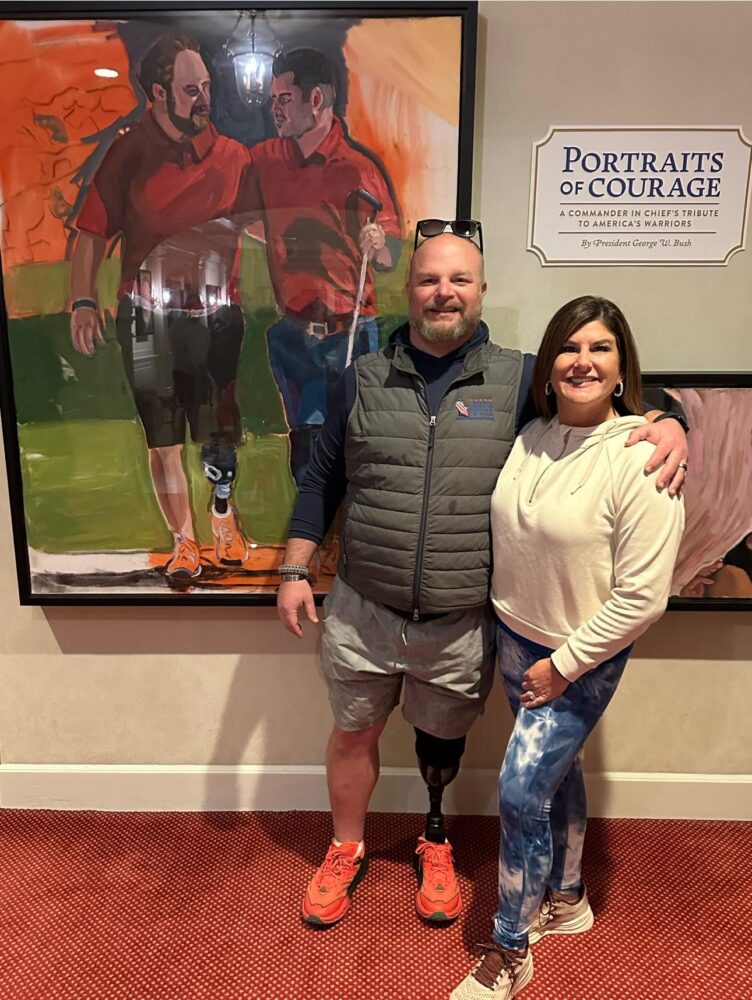
It was a blur of hospitals – Baghdad to Germany to the U.S., then from Walter Reed to the VA.
“You’re basically being transported all over the world… with a gown on.”
Even in those moments, support showed up.
Organizations like the Wounded Warrior Project and Semper Fi Fund stepped in, sometimes in small but deeply meaningful ways.
“The first thing I got was a Wounded Warrior Project backpack with boxers, a T-shirt, and a Walkman in it.”
But even with that support, something deeper was missing.
Searching for Purpose
The real struggle came after the surgeries. After the attention faded. After the structure disappeared.
BJ wasn’t just recovering physically; he was trying to rebuild a life without the identity that had defined him.
And like many veterans, the question wasn’t just what now? It was who am I now?
An Unexpected Lifeline
The turning point didn’t come from a system or a program.
It came unexpectedly from a dog.
BJ found an English bulldog named Dozer on Craigslist for about $500.
No training.
No certification.
No official purpose.
Just a dog.
But Dozer showed up when BJ needed something steady, something simple, something real.
“My dog had no training or special talent. But what he would do was just be there.”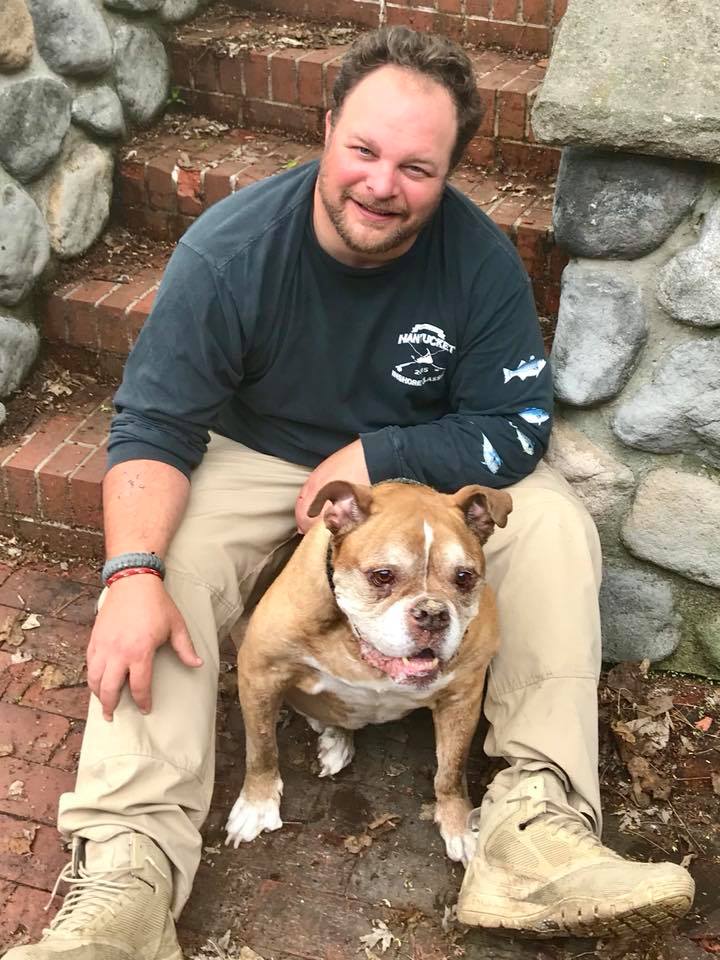
It wasn’t dramatic. It wasn’t a miracle fix. But it mattered.
Dozer gave him structure. Responsibility. A reason to get up.
And for someone trying to rebuild from the ground up, that was everything.
More Than a Companion
The bond between BJ and Dozer wasn’t about dependency. It was about rebuilding. Caring for the dog created small, daily wins – routine, consistency, and connection. It reminded him of something he thought he had lost.
Purpose doesn’t always come back all at once.
Sometimes it returns quietly through responsibility, through showing up, through something that needs you.
Building Something Bigger: Sierra Delta
What started with Dozer didn’t stay small.
Years later, BJ turned that experience into Sierra Delta, a nonprofit built to help veterans reconnect with purpose through dogs, training, and community.
But Sierra Delta wasn’t built to fit into a traditional model.
It was built to fix what wasn’t working.
“There’s 16.8 million veterans… I don’t care if you served two years or thirty – you raised your right hand.”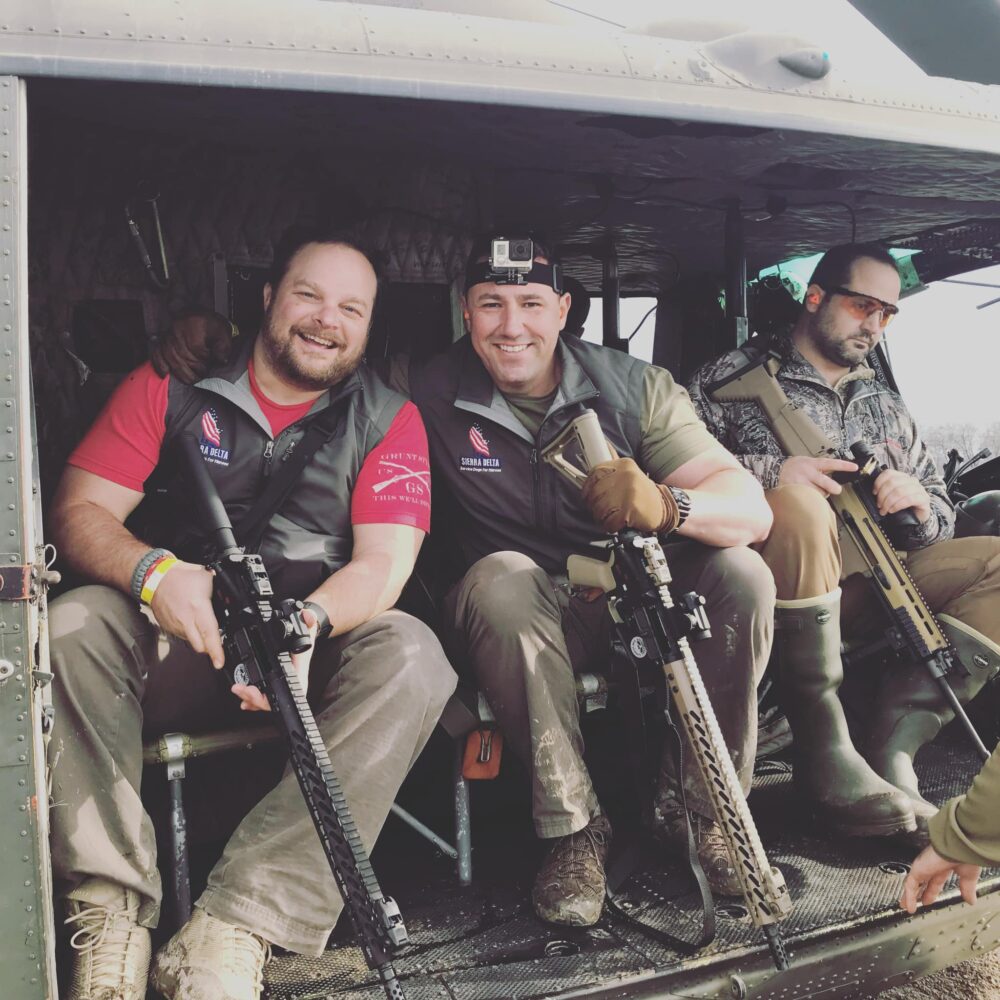
BJ saw first hand how difficult it could be for veterans to access support, and how often systems required people to be broken enough before they could receive help.
He wanted something different.
Redefining Support for Veterans
Sierra Delta isn’t about handing veterans’ solutions.
It’s about helping them build their own.
Instead of giving everyone the same model, the organization focuses on meeting veterans where they are – providing training grants, education, and community support so they can work with their own dogs.
“We’re trying to give everybody a Lamborghini when most of us just need an F-150.”
The idea is simple: most veterans don’t need a highly specialized service dog. What they need is connection, routine, and a sense of control. And they can build that themselves with the right support.
A Different Approach to Healing
Sierra Delta flips the traditional model.
It doesn’t position veterans as recipients. It treats them as capable leaders. People who can still train. Still learn. Still build something meaningful.
“These dogs aren’t saving you – go save a dog. Let’s get to work.”
That mindset of ownership, accountability, and forward momentum is what sets it apart.
Service, Reimagined
Today, Sierra Delta is growing into a national community. 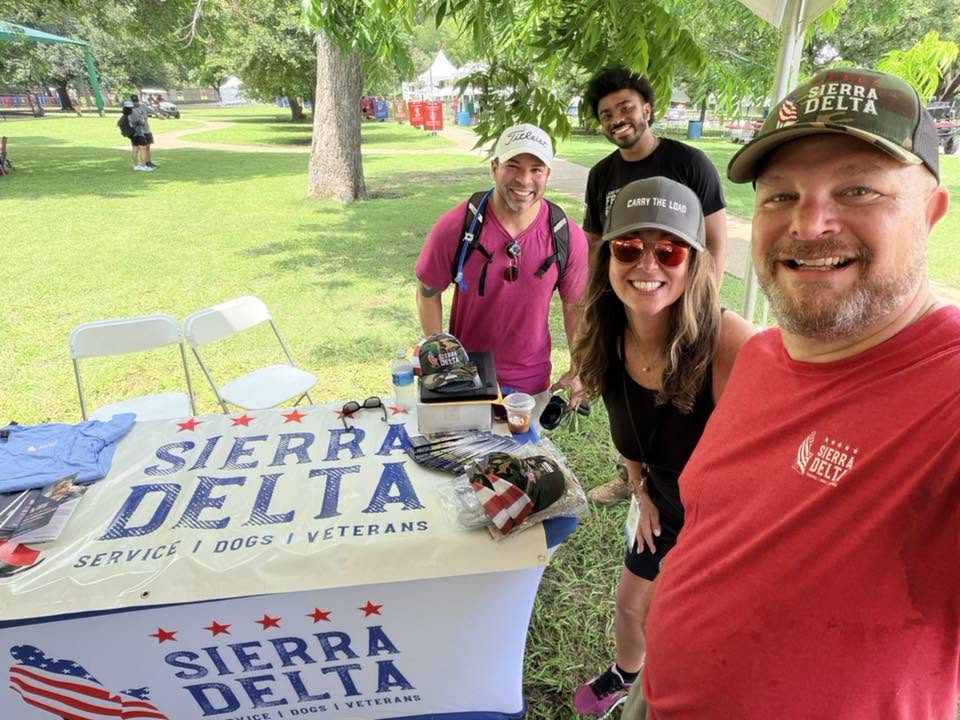
Veterans connect, train, share progress, and build relationships, not through a system that defines them by what they’ve lost, but one that reminds them of what they still have.
BJ’s mission isn’t about fixing veterans. It’s about giving them tools, structure, and opportunities to rebuild on their own terms.
A Life Moving Forward
The challenges didn’t go away. They evolved.
“You had to go through a crucible to become a Marine… that doesn’t just disappear.”
That foundation is still there. And today, it looks different. It shows up in community. In leadership. In rebuilding something that didn’t exist before. BJ isn’t trying to go back to who he was. He’s building something new with everything he’s learned along the way.
A Mission That Continues
This story isn’t just about combat or injury. It’s about identity. Loss. And the hard, often unseen work of finding purpose again.
BJ is still moving forward not because everything is fixed, but because he made the decision to keep building.
And for many veterans, that’s where the next chapter begins. Not with everything figured out. But with something simple.
A connection. A responsibility. A reason to keep showing up.
How You Can Support
Sierra Delta is working to help veterans across the country reconnect with purpose, one dog, one training plan, and one community at a time.
To learn more, get involved, or support their mission, visit Sierra Delta online.
Because the end of military service shouldn’t mean the end of purpose. Sometimes, it’s just the beginning of a new mission.