Freedom to Live Fully: Timothy La Sage’s Story
The hardest part of a service-connected injury is not always the moment everything changed.
Sometimes it’s what comes after – the silence, the chaos, the realization that the life you built is gone, and no amount of strength or discipline can bring it back the same way.
For Timothy La Sage, that realization didn’t hit all at once.
It unfolded slowly. Painfully. Relentlessly.
“My progression in life immediately stopped and paused in that moment… for many years.”
The Tip of the Spear
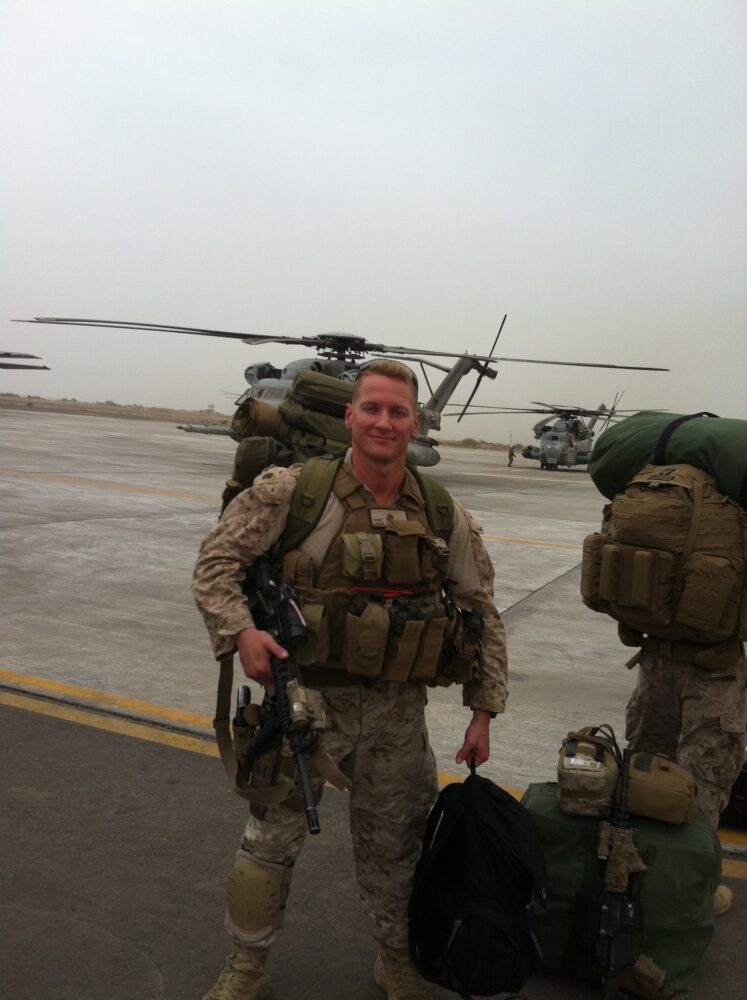
Timothy spent nearly 23 years in the United States Marine Corps. Beginning his career in FAST Company, Fleet Anti-Terrorism Security Teams, being the second vehicle during the push to Baghdad in 2003, then being a Scout Sniper in combat, he operated at the highest level of precision and risk. That wasn’t just a job. It was his identity.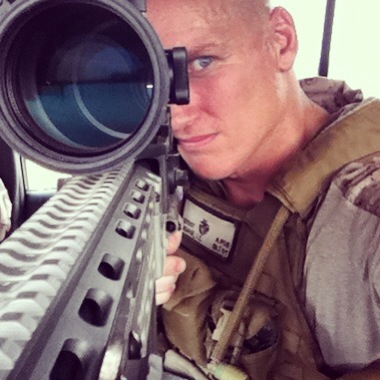
“You were everything. There was no reading the news that day – you were the news.”
He lived in a world where clarity meant survival, where discipline and instinct merged into one constant state of awareness. Missions blurred into each other. Sleep was optional. Focus was everything.
And when he was first wounded earlier in his career, it didn’t weaken him – it fueled him.
“Getting hurt the first time… it just pissed me off enough to be better.”
So, he pressed forward harder. Volunteered more. Took on more risk. Stayed in the fight.
But the second time would be different.
Ramadi: November 4, 2004
Ramadi wasn’t just dangerous. It was relentless. “Time magazine called it the most dangerous place in the world… and it lived up to it.” Timothy and his Scout Sniper Platoon had been hunting high-value targets, including Abu Musab al-Zarqawi and enemy sniper “Juba.”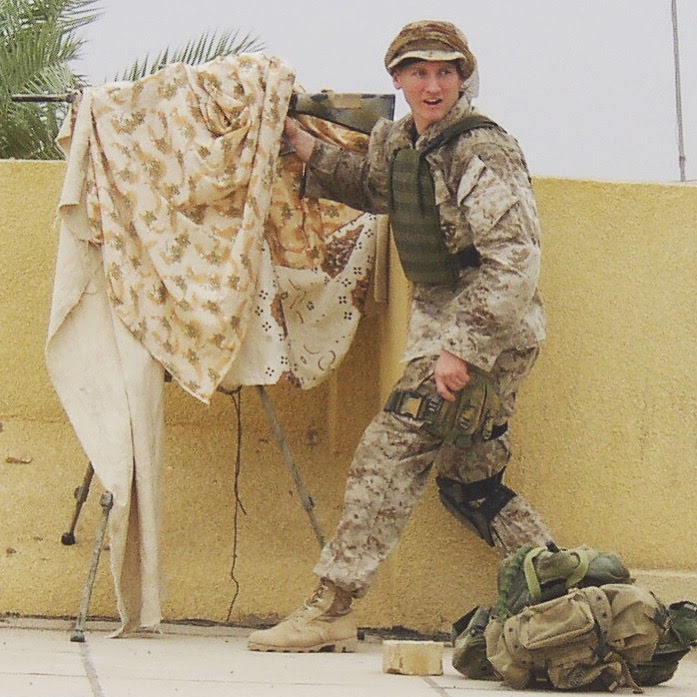
At the same time, they were being hunted themselves. The enemy had placed bounties on their heads. “Juba”; sniper armed with a captured Marine rifle, was actively tracking U.S. Forces.
That night, they moved quietly through the city. ”Picture moving through Chicago or New York… but trying not to be seen.” It was around 1:00am when everything changed. As Timothy and two teammates crossed a street, a daisy chain of 155mm artillery rounds detonated beneath them – an explosive chain designed for armored convoys, not dismounted Marines. “I remember getting launched in the air… and thinking – life has just changed.”
The Street
When he landed, chaos replaced clarity.
Smoke. Dust. Silence. Then Instinct.
“There’s gear everywhere. Rifles everywhere. I immediately crawl to my two brothers in the street.”
Both of his teammates were gravely wounded. One was already gone. The other – Timothy thought there was a pulse after not finding any physical wounds. He tried everything.
For 42 minutes, he performed chest compressions in the street and in a courtyard, under threat, and holding a weapon.
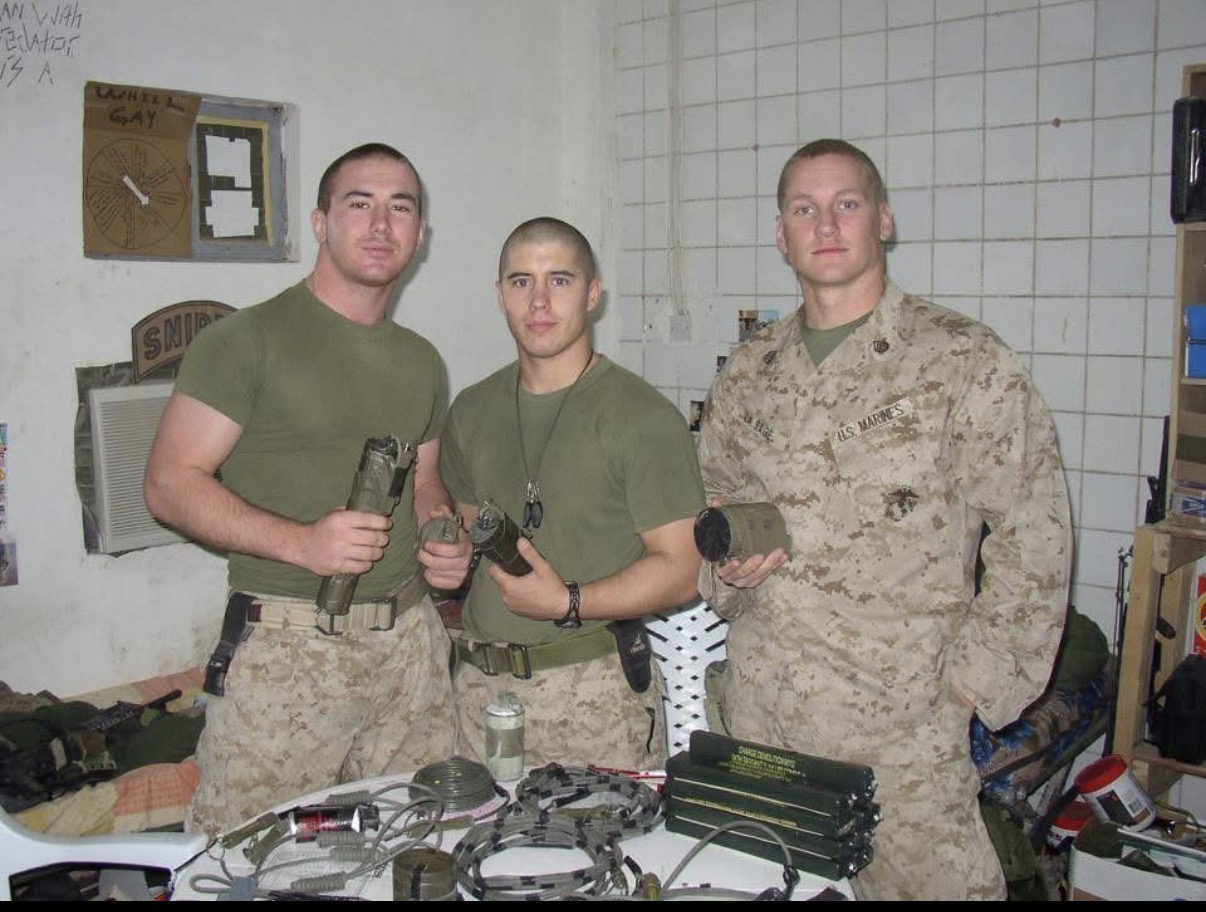
“I’ve never trained CPR with a pistol in my hand while needing to engage targets.” Around him, the rest of his team was also hit – one with nine, another with eleven shrapnel wounds around their backs since they were already across the street in an alley on point.
And Timothy himself?
He hadn’t even processed his own injuries yet.
“I felt warmth… the blood… and realized – l’ve got holes.”
A softball-sized chunk of shrapnel tore through his thigh. His calf was shredded. His femoral artery – somehow remained intact despite being visible outside the crater in his thigh.
“That shouldn’t make sense… but it did. And I’m still here, and it’s time to work.”
Survival Mode
Even after the explosion, the mission didn’t simply stop.
They regrouped. Broke into a compound.
And the small team began triaging severely wounded Marines – while still in enemy territory.
Then came another realization: no reliable communication, no immediate evacuation, and no clear way out.
Eventually, two HMMWVs arrived, one was a hardback that only fit the four Marines in it. The other quickly was loaded with the Scout Sniper team – – but not everyone. “They loaded everyone up… and drove off. And I was still standing there.” So, Timothy did what survival and instinct demanded.
“I had to steal a car to medevac myself was the obvious plan. I had a small amount of cash in my intel pack around my neck for just such a situation. With my pistol in hand and the cash in the other, I offered both hands to the homeowner we were triaging at. He chose the cash. I immediately starting taping IR Chem-lites and taping NATO markings on the roof and hood of this orange and white taxi to drive it up to Blue Diamond HQ where I would accept if a Marine standing gate guard at 0400 would light me up. It was better than being decapitated and drug through the streets.”
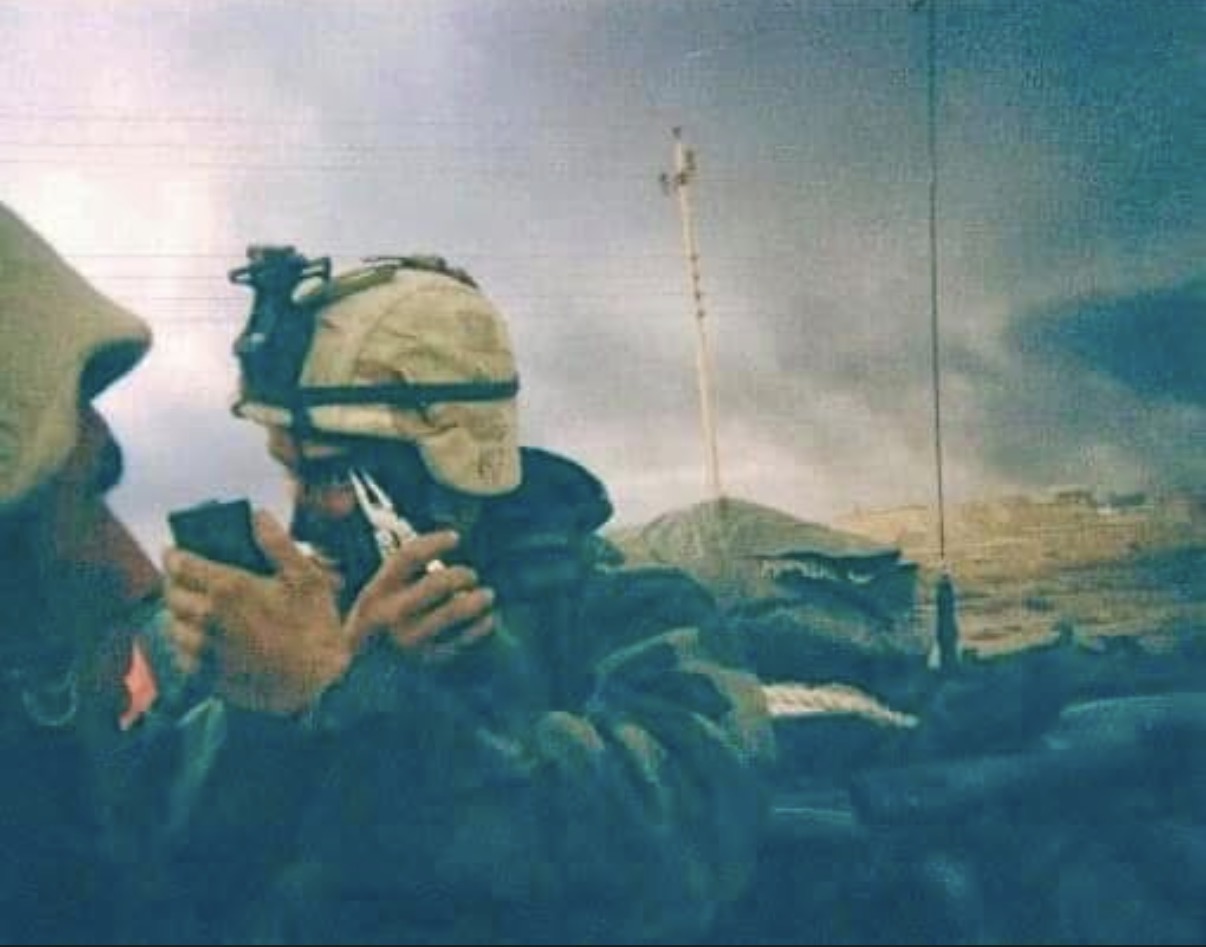
Bleeding, injured, carrying weapons and gear, he navigated back through the city to reach a unit to get him medical support. Not because it was logical. Because stopping wasn’t an option.
A Different Kind of Wound
Physically, Timothy survived. Multiple surgeries followed. Doctors expected to amputate his leg. But the deeper wounds didn’t show up on scans.
A week later after TQ, Germany, and Walter Reed surgeries – he found himself in a moment that reshaped everything. He woke up at home on his couch. Bleeding. Disoriented. Alone – except for one new teammate; his four-year-old daughter. “My kid was bringing me heavy narcotics that were left on my porch, saline, and guaze… saying ‘we need to change your bandages.”
There was no team. And no support. “The abandonment… was unmeasurable.” Years later, the DoD compensated Timothy after a series of administrative failures resulted in him not being admitted to a hospital and losing track of his medical status during recovery.
When Life Pauses
That moment marked the beginning of a different kind of battle, one that lasted far longer than any deployment.
“Life stopped. It didn’t just slow down – it stopped.”
For years, Timothy carried everything internally. The loss of his team. The trauma. The anger. The instability at home. The identity he no longer recognized. Like many veterans, he tried to outwork the pain. Outrun it. Outdrink it. “If you’re investing into the problem, no amount of support will fix it.”
The Turning Point: Accountability
The shift didn’t come from outside help, not at first.
It came from a hard truth: “It’s no one else’s job to make me better.” That realization changed everything.
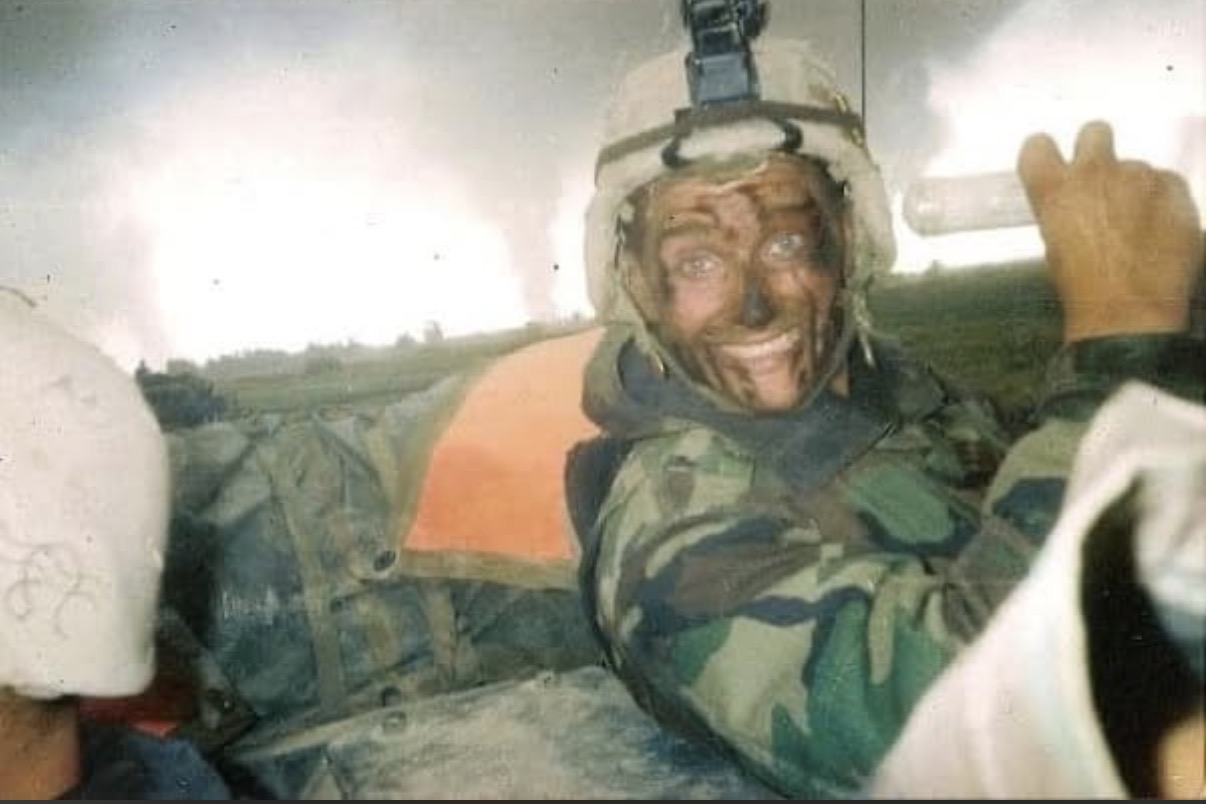
Healing didn’t start with programs or organizations. It started with responsibility – owning his actions, his coping mechanisms, and his future. Then, support systems began to matter. But only once he was ready to use them.
Rebuilding From Zero
Timothy lost more than time. His injuries changed his physical capabilities, ending pursuits he once loved. “I thought I’d be MMA fighting, racing my bike, surfing, playing soccer… all of that was gone.” But in losing those things, he found clarity. What he needed wasn’t adrenaline. It was peace. “If I have nothing but peace… I’ll be happy.”
Freedom to Live Fully
Today, Timothy defines freedom differently than he once did. Not as an action. Not as adrenaline. Not as control. But as a release. “You’ve got to take off the pack… everything you’re hiding in -drop it.” That “pack” holds trauma. Addiction. Anger. Guilt. Survival habits that no longer serve a peaceful life.
Letting it go isn’t simple. It requires physical effort. Emotional honesty. Spiritual reconstruction. “It took all three-physical, mental, and spiritual correction.”
For Timothy, that journey included therapy; including ayahuasca journey, community, and a deepening daily relationship with God. “If your soul is hurt… you should probably talk to the one who owns it.”
What’s Still Possible
Timothy’s story isn’t about returning to who he was before. It’s about becoming someone new, someone who understands both darkness and peace.
“l’ve lived freely without living fully… and fully without being free. Now I’m learning both.” His message to other veterans and anyone carrying invisible weight is straightforward, but hard-earned.
Take accountability for your life, even the parts that feel out of your control. Stop feeding the very things that are keeping you stuck. Be intentional about getting the right help, not just any help. And don’t ignore the deeper wounds, the ones beneath the surface that demand to be faced before they can ever heal.
“The problem is big enough —it needs your full attention. Give it to God and set yourself free”
A Life Still Forward
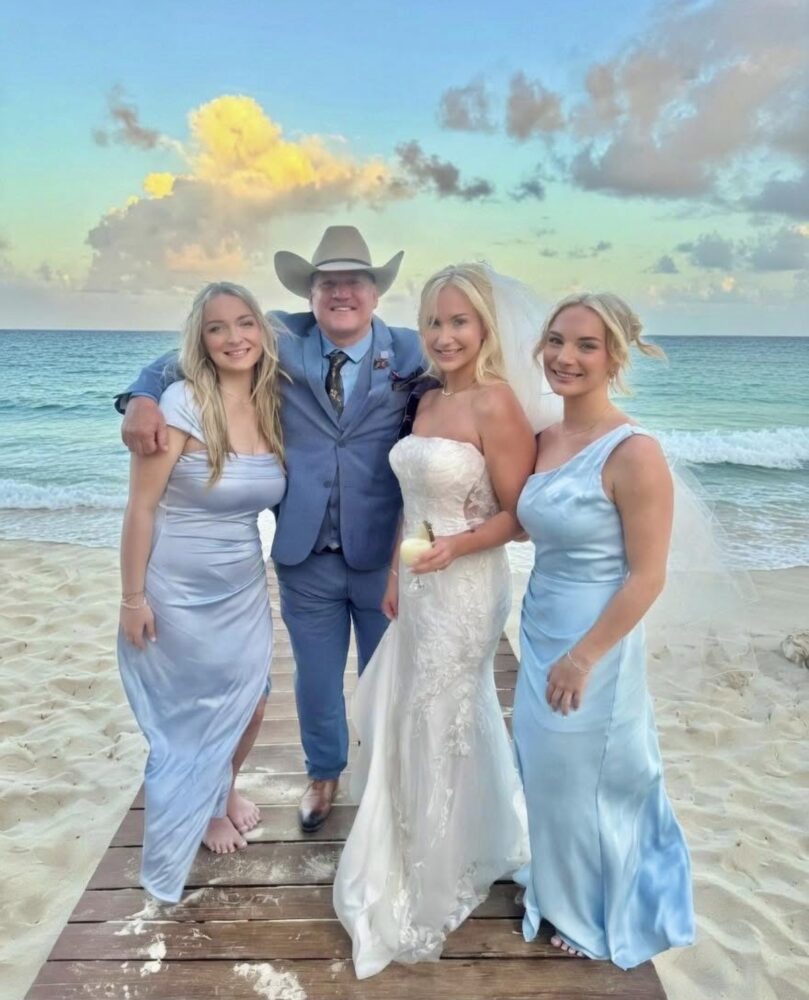
The challenges didn’t disappear. They changed shape. As Timothy puts it, “I’m going to fail every day… but with hope supported by my wife now, who is truly my best teammate.” What makes that different now is that failure no longer sends him backward. It no longer defines him.
Instead, it has become part of the process, something to move through, learn from, and keep walking beyond. Step by step and piece by piece, he has built a life rooted not in what was taken from him, but in what he has chosen to fight for.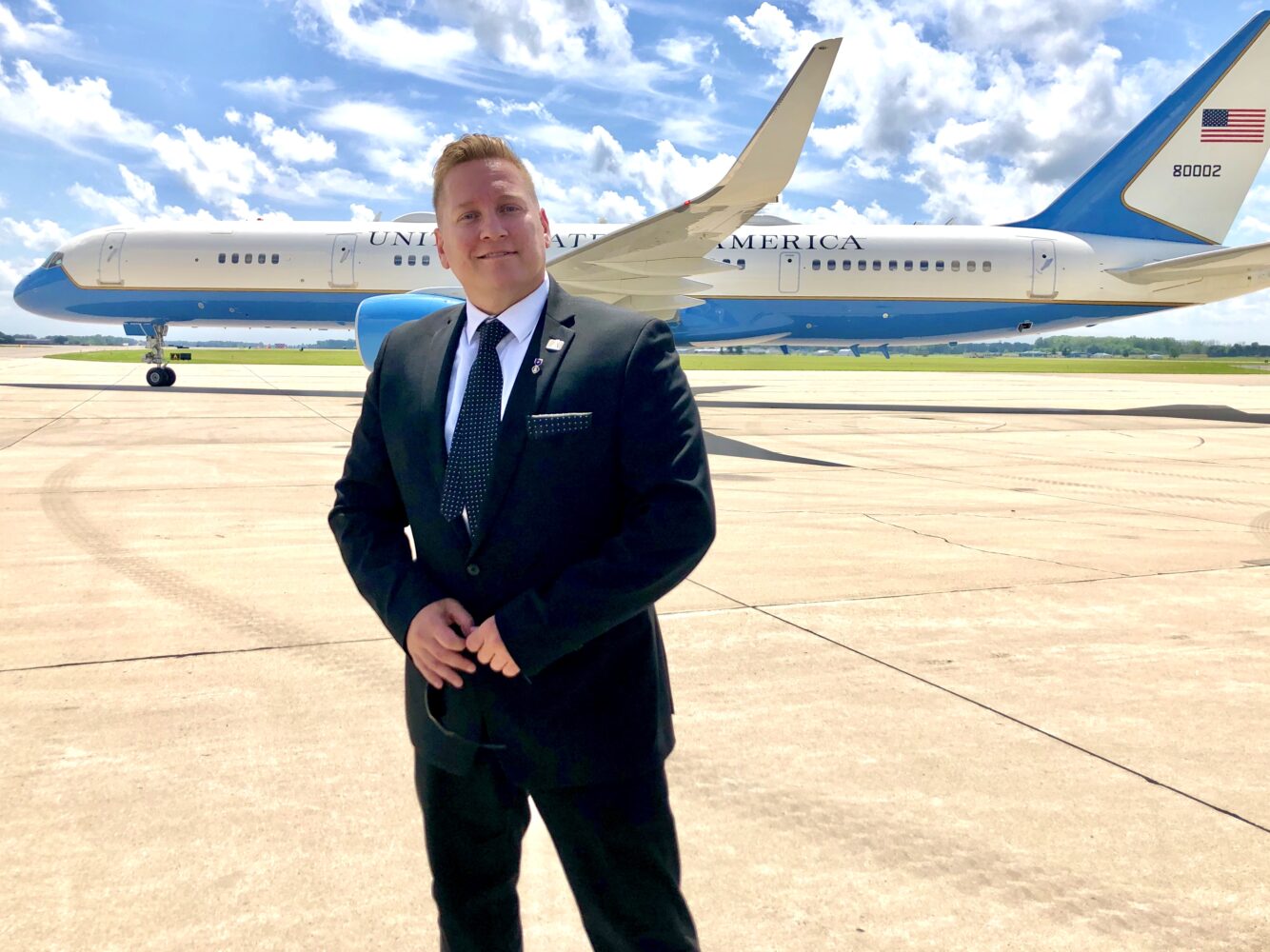
What he has found on the other side is more than survival. It is peace. It is clarity. It is the kind of freedom that comes from no longer being ruled by pain, anger, or the weight of everything left unspoken. His story is not one of returning to the man he was before Ramadi, but of becoming someone forged by loss, accountability, faith, and resilience. And in that rebuilding, Timothy La Sage has found something many spend a lifetime searching for: a life still moving forward, and at last, the freedom to live fully.