He Spent 15 Years Reuniting His Squadron, and Now They’re Rallying Around Him
A Massive Brain Bleed Nearly Took Him. Fifty-Six Days Later, He Said “I Love You” Back to His Wife.
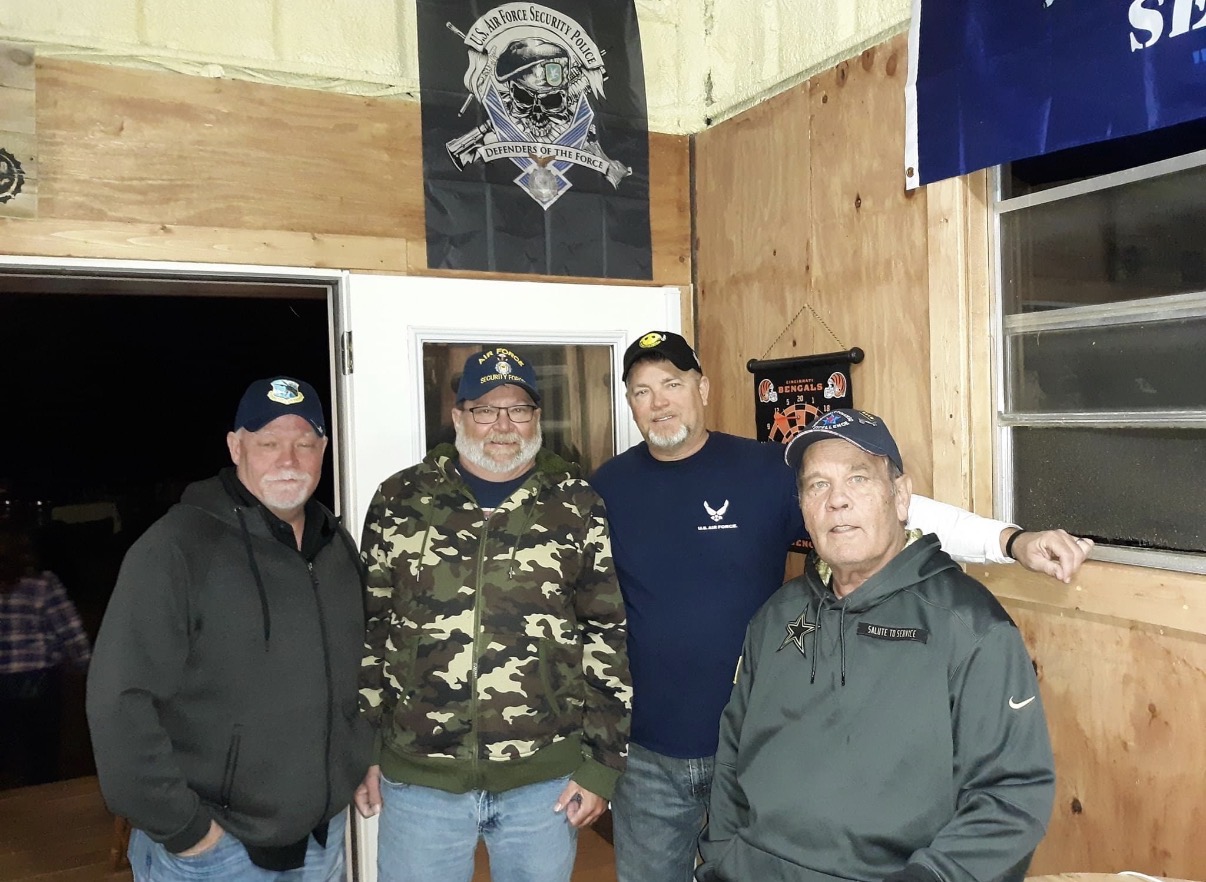
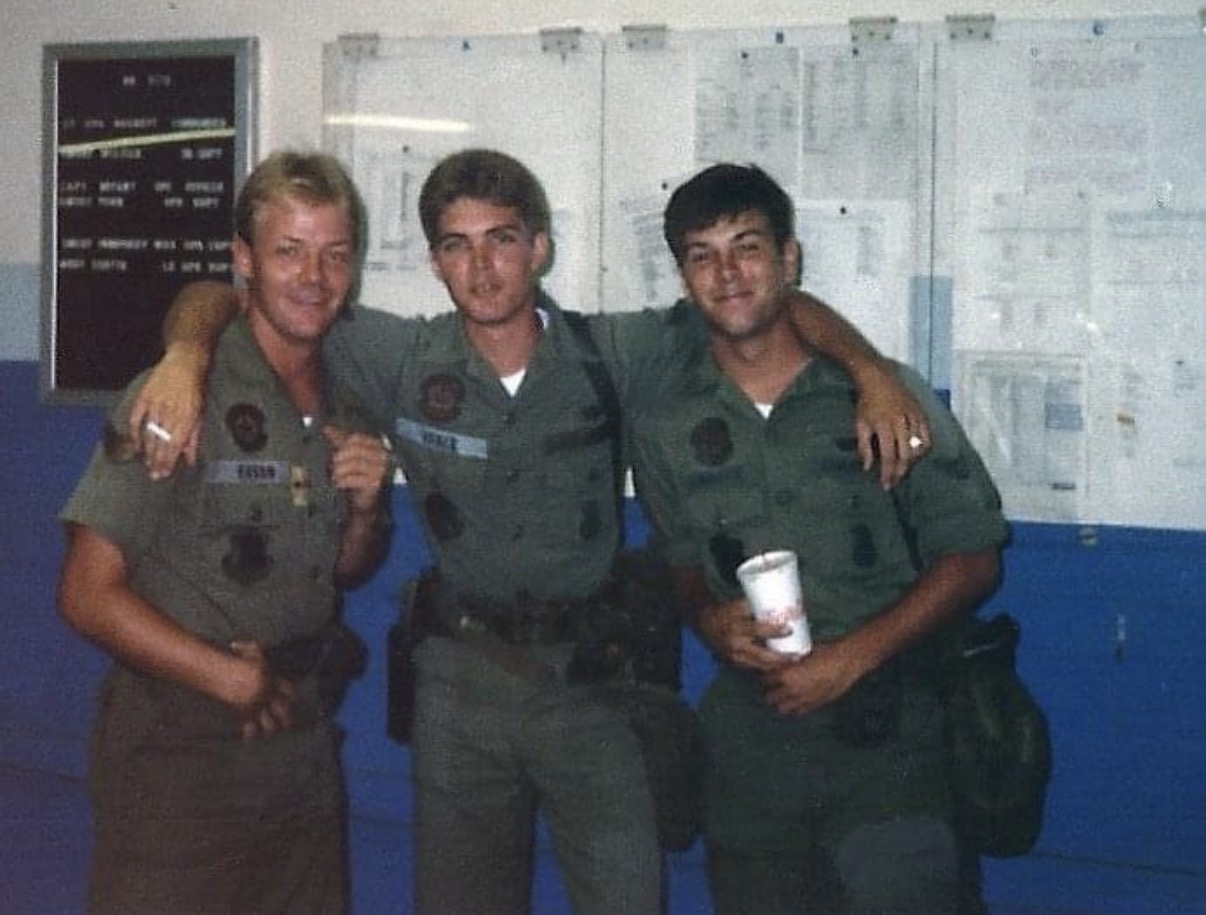
Steve Vance, is a people magnet. The guy who includes everyone and makes them feel seen. Ask anyone who served alongside him with the 96th Security Police Squadron and they will tell you the same thing: Steve was the one who stayed in touch, who tracked people down years later just to make sure they were doing all right, who could not let a friendship end just because a duty station did.
That instinct followed him home from the Air Force and never let up. In 2010, after years of finding old squadron mates one by one via Facebook, he brought a group of them back together for a reunion at Dyess Air Force Base. The following year they moved it to Grapevine, Texas, where Steve and his wife, Kelly, live, and it has grown a little bigger every year. For more than 15 years, Steve has been the reason a scattered community of airmen still knows how to find each other.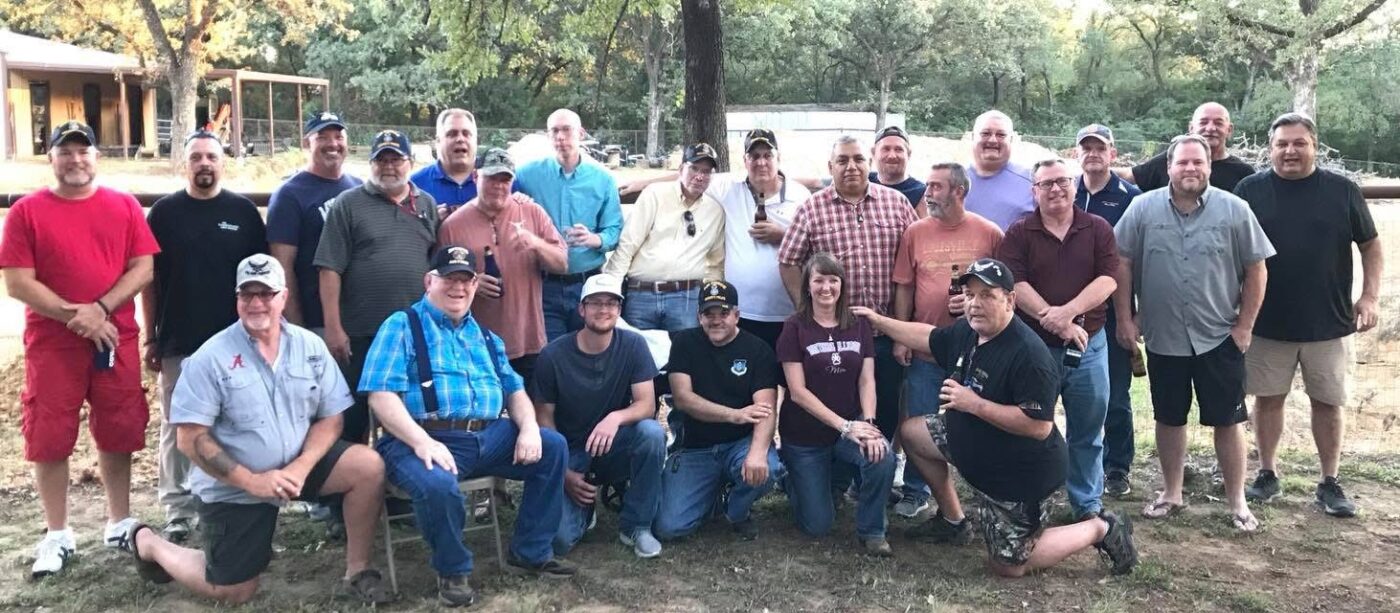
On June 28, that community got the call to prove it.
Ten Years in Blue
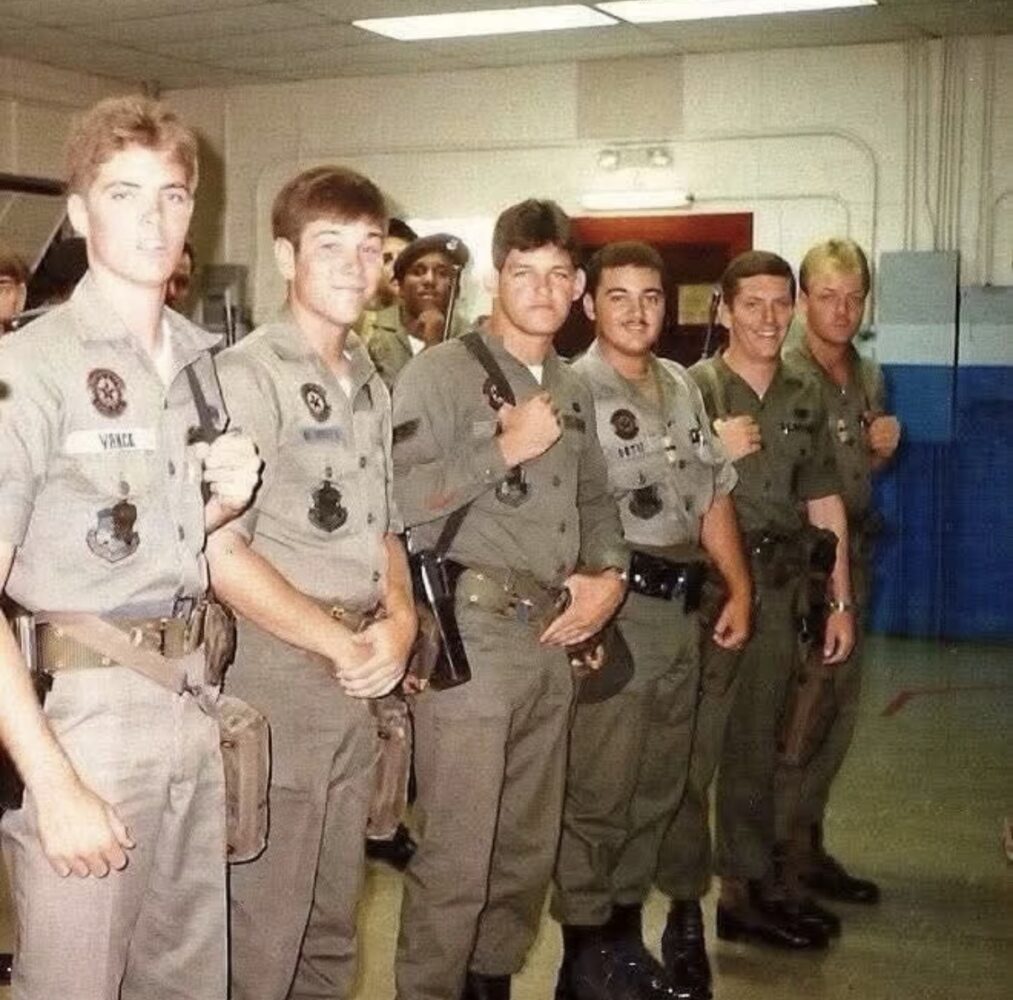
Steve enlisted in the Air Force on Oct. 7, 1982, and served on active duty until June 1, 1992, followed by three years in the inactive reserve. He rose to the rank of staff sergeant with the 96th Security Police Squadron at Dyess Air Force Base in Abilene, Texas, the same base where his reunion would begin decades later.
In June 1985, Steve was part of the first group of airmen trained on the B-1 bomber at Dyess, then frozen in place there so he could help train everyone who came after him. When Iraq invaded Kuwait in 1990, he was called up for Desert Shield and Desert Storm. The orders never came through to send him. He stayed stateside, ready, while others from his squadron deployed.
The Morning Everything Changed
Steve woke up that Sunday with a headache. Kelly checked his blood pressure. It would not register. She called 911 at 7:04 a.m. Paramedics arrived four minutes later to find him unresponsive, and intubated him in the ambulance. At the hospital, doctors delivered the kind of news no family is prepared for: a massive intraventricular brain hemorrhage, three strokes, and odds that put his survival at roughly one in five. Kelly was told to call the family.
The root cause had been hiding in plain sight for years. Steve had lived with severe, medication-resistant high blood pressure that chronic back pain, and the pain medication used to manage it, had been masking. When his back pain resolved earlier this year, the true severity of his hypertension surfaced. The VA had begun investigating it. It was not fast enough. An existing brain malformation, one doctors had long known about and that had functioned normally for years, finally gave way under the pressure.
What followed was weeks in intensive care: a brain drain to relieve pressure, a tracheostomy, a feeding tube, and repeated “neuro storms,” the term Kelly’s medical team used for the surges in blood pressure, heart rate and body temperature that come with severe brain trauma. Steve’s care team could not predict a timeline. What they could say, over and over, was that recovery from an injury like his would be measured in months, not days.
Two Words, 56 Days in the Making
Steve came off the ventilator entirely in early August, breathing on his own after weeks of support. He began opening his eyes on command, then holding them open longer, then following Kelly’s face across the room. On Aug. 18, seven and a half weeks after the bleed, he was moved to a speaking valve during therapy, which meant that if he tried to talk, his voice could finally be heard.
That afternoon, sitting up with help for the first time in weeks, he looked at Kelly, held her hand, and rubbed his thumb across it. She said, “Hi, babe.” He said, “Hi,” back. It was the first word she had heard from him in 56 days.
Later that same session, Kelly told him she loved him. Steve answered, “I love you.” The therapists in the room heard it too.
By Aug. 23, Day 56, he was opening his eyes on command for family members and hospital staff alike, turning his head toward visitors, and reaching for their hands unprompted. His clinical notes are now being sent regularly to admissions teams evaluating him for the next phase of his recovery.
The Brotherhood He Built Is Now Holding Him Up
What has carried Kelly through the hardest stretches of this, alongside her faith, has been watching the community Steve spent decades building show up for him in return, and it goes well beyond the reunion. When Steve and Kelly moved to Texas 19 years ago, he made fast friends with an Army veteran who has since flown in from Hawaii to sit with Kelly and be in the room with Steve. A Marine veteran he has known for more than a decade keeps returning to visit as well. Neither of those men served alongside Steve. The uniform was different, but the bond wasn’t.
Friends from all corners of his life, the reunion, the neighborhood, decades-old friendships across every branch, have taken turns bringing meals, running errands, and simply staying present so Kelly does not have to face long hospital days alone.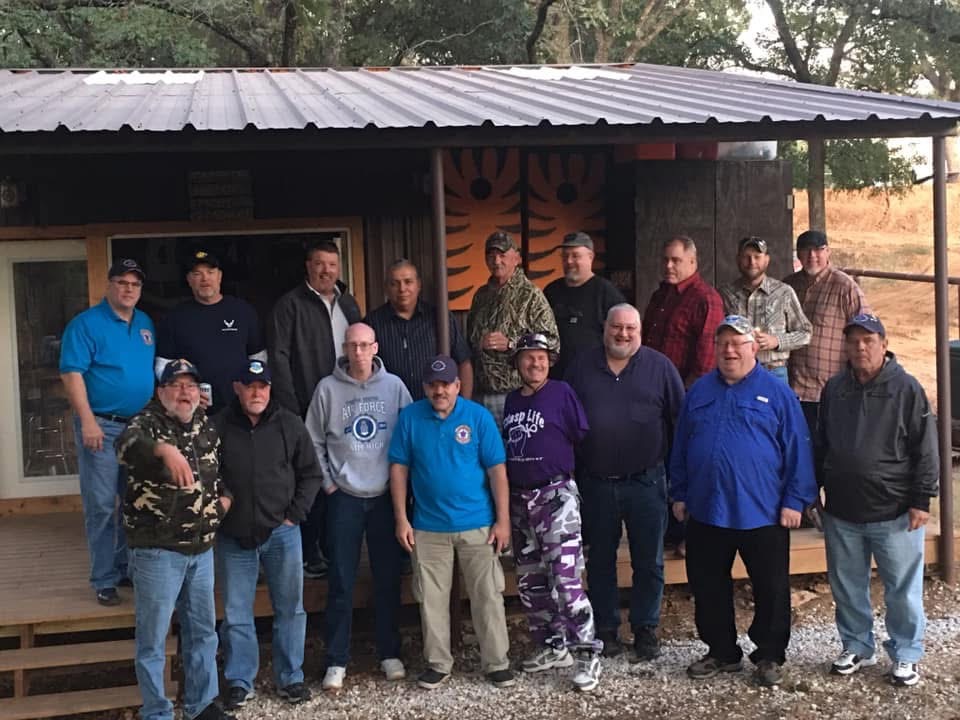
It is not lost on the people who know Steve best that a man who spent his life making sure nobody around him felt forgotten, whether they wore the same patch or not, is now the one being remembered by all of them, every single day, in a hospital room in Texas.
What’s Next: The VA’s Polytrauma System of Care
Steve’s care team is now working to place him in the VA’s Polytrauma/TBI System of Care, a nationwide network built specifically for veterans and service members recovering from traumatic brain injury, whether combat-related or not. The system includes interdisciplinary medical evaluation, individualized rehabilitation plans, case management, psychosocial support, and formal education and training for family caregivers like Kelly, who will remain central to his recovery long after he leaves the hospital.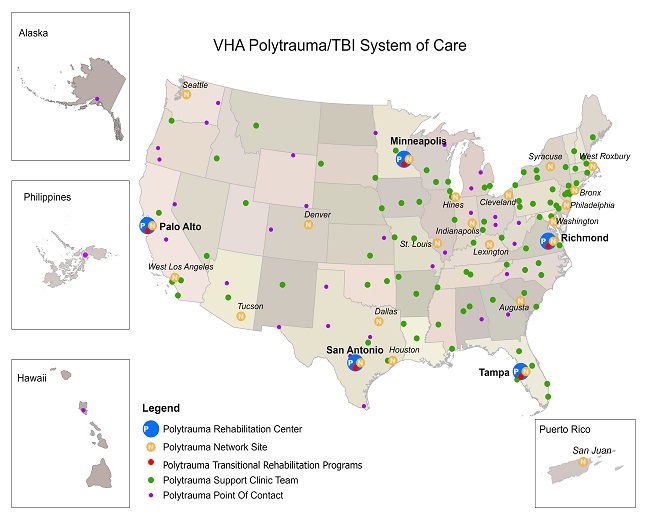
Kelly has been in direct contact with admissions teams at two of the VA’s specialized Polytrauma Rehabilitation Centers, in San Antonio and Richmond, Virginia, both of which offer emerging consciousness programs designed for patients at exactly Steve’s stage of recovery. His medical team continues to send updated clinical notes as he improves, in hopes of securing a placement at one of the two facilities.
What Kelly Wants You to Know
Kelly has documented every day of this journey publicly, a choice that echoes Steve’s own instinct to live out loud. She has written about the terror of the first 24 hours, the exhausting monotony of a hospital routine measured in small victories, and the moments that felt like miracles: a squeezed hand, an open eye, a whispered word.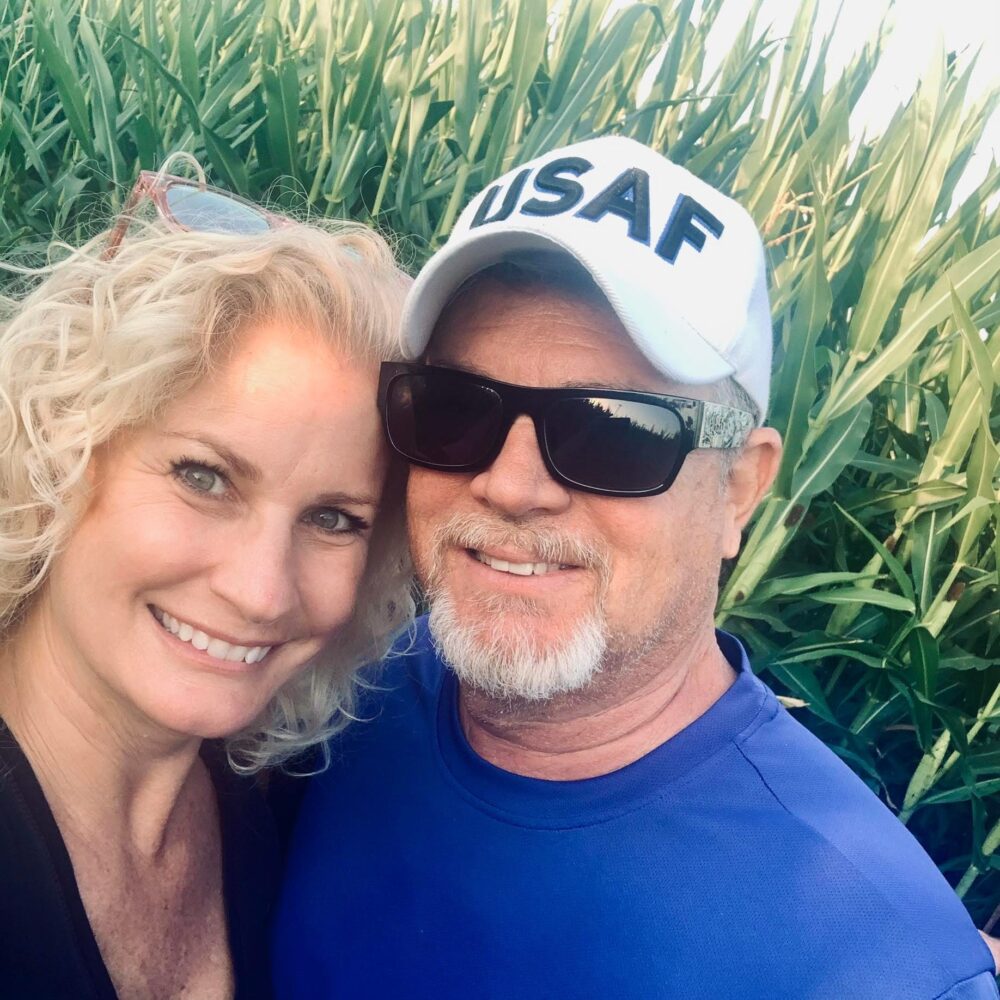
Through all of it, her message to the community that has surrounded them has stayed consistent: this is not close to over, and none of it happens without the people who keep showing up.
“I know in my soul we are nowhere near done fighting this fight together,” she wrote.
Fifty-six days after a headache turned into the worst morning of their lives, Steve is still fighting. And thanks to the community he spent over a decade building, he is not fighting alone.
The VA’s Polytrauma/TBI System of Care provides specialized rehabilitation for veterans and service members with traumatic brain injuries, including case management, family training, and psychosocial support. Learn more at polytrauma.va.gov.
Find veteran and caregiver support organizations near you in Mission Roll Call’s Veteran Resource Directory.
If you or someone you know is a veteran in crisis, the Veterans Crisis Line is available 24/7. Call 988 and press 1, text 838255, or chat at veteranscrisisline.net.