Jennifer’s Second Mission: From Combat Pilot to Community Builder
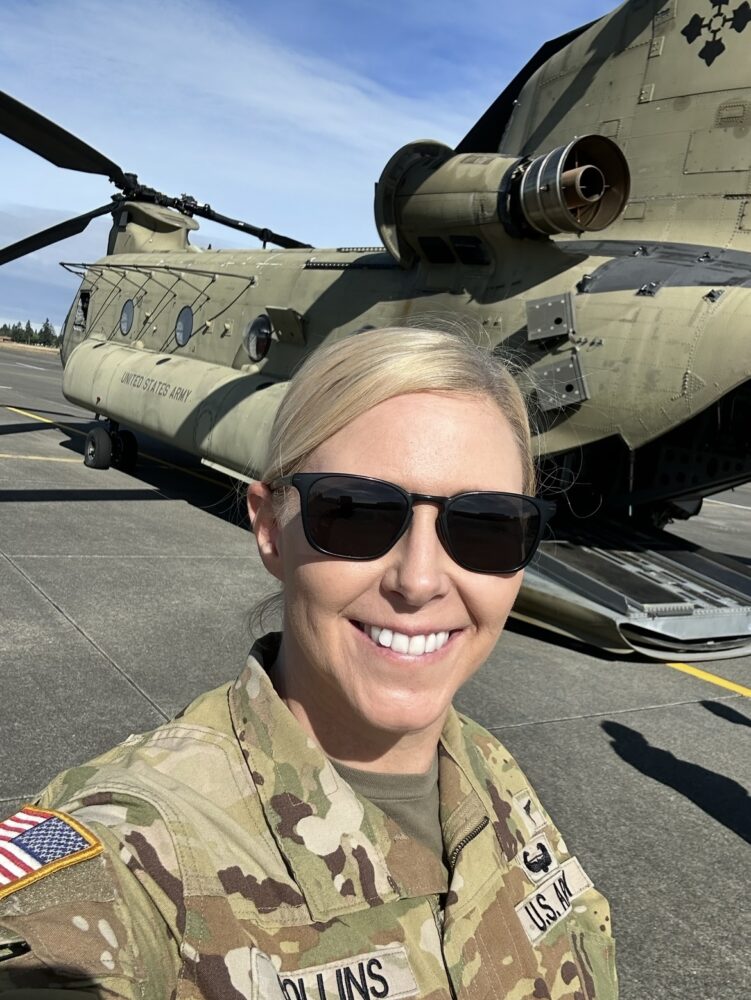
There are moments in history so deep that they become a personal milestone. People remember where they were, who they were with, and how they felt when the world changed beneath their feet. For millions of Americans, Sept. 11, 2001, was one of those moments.
Twenty-five years later, the memories remain in everyone’s minds. The images, emotions, and worry of what happened that day continue to shape a generation that witnessed history unfold in real time.
For Jennifer, those memories are tied to a career that would span an incredible two decades of military service.
A Day That Changed Everything
She was sitting in a classroom at Fort Rucker, Alabama, finishing training as a newly minted Army Black Hawk helicopter pilot when the instructors wheeled a television into the room. Like so many Americans, she watched in disbelief as the events of Sept. 11 unfolded before her eyes.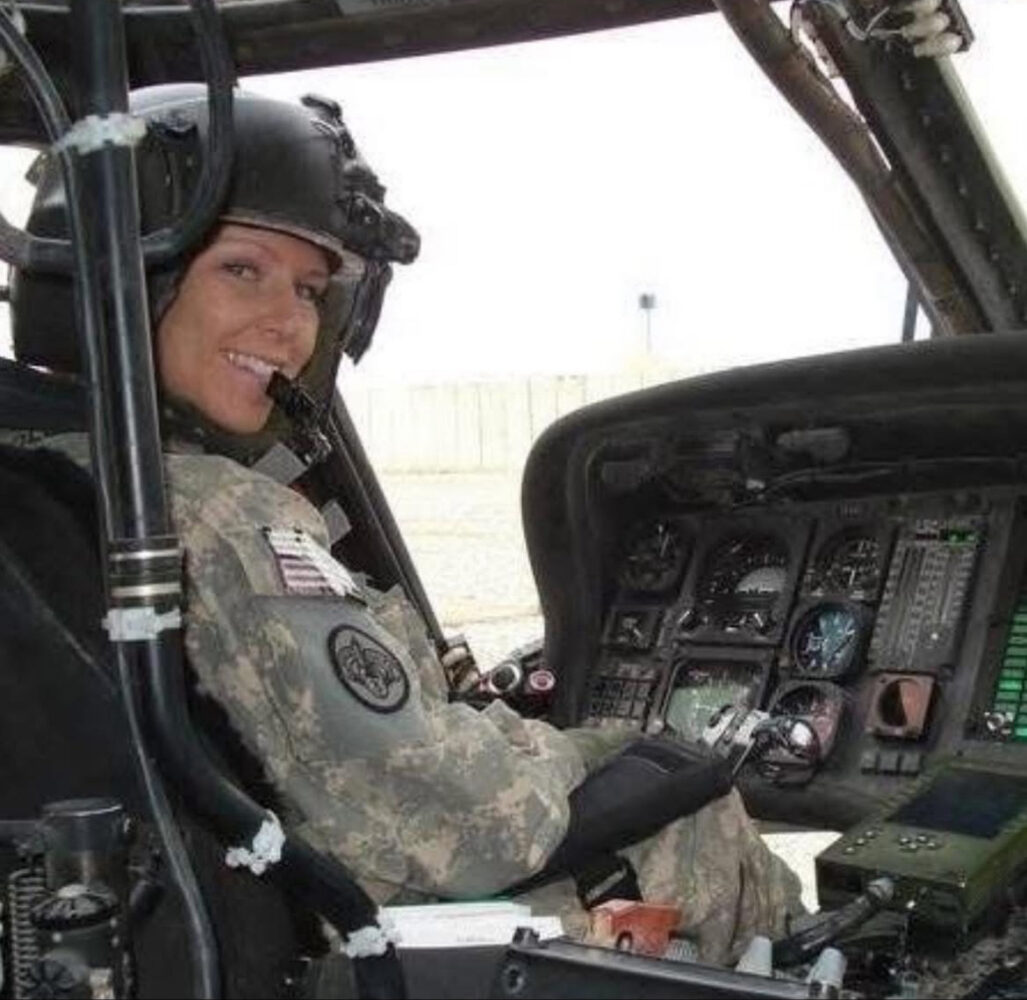
At the time, Jennifer had already completed four years with the 101st Airborne Division as a Black Hawk mechanic and crew chief. Becoming a pilot had been her dream since she was five years old.
“I had joined for adventure,” she recalled. “I really wanted to be a pilot, so I was excited that I had made that milestone. This was quickly replaced with the realization of, “Oh crap, this is really happening.”
In that moment, things changed for her.
She knew she had joined the Army understanding that there could be war. But like many young service members joining the military in the late 1990s, it didn’t seem real yet.
Now it was becoming her reality.
Just months later, Jennifer arrived at Fort Carson, Colorado. By March 2003, she was deployed to Iraq as part of Operation Iraqi Freedom. What followed in the aftermath of Sept. 11 would shape the course of her military career.
Over the next two decades, Jennifer completed three deployments to Iraq. She describes them as the beginning, middle, and end of the war. From the initial invasion in 2003 to the height of the surge in 2007 and 2008, when violence reached some of its deadliest levels, and finally returning to Iraq in 2021 and 2022 after rejoining the military through the Army National Guard, she witnessed the conflict in a way few Americans ever will.
“Pretty much my entire 20 years in the military was shaped by that event,” she said.
Finding Purpose in Flight
By the end of her career, Jennifer had accumulated roughly 1,500 combat flight hours and spent 36 months deployed in combat zones. Yet despite the danger and uncertainty, it wasn’t fear that defined her experience.
It was purpose.
Long before she earned her wings, Jennifer knew what she wanted from life.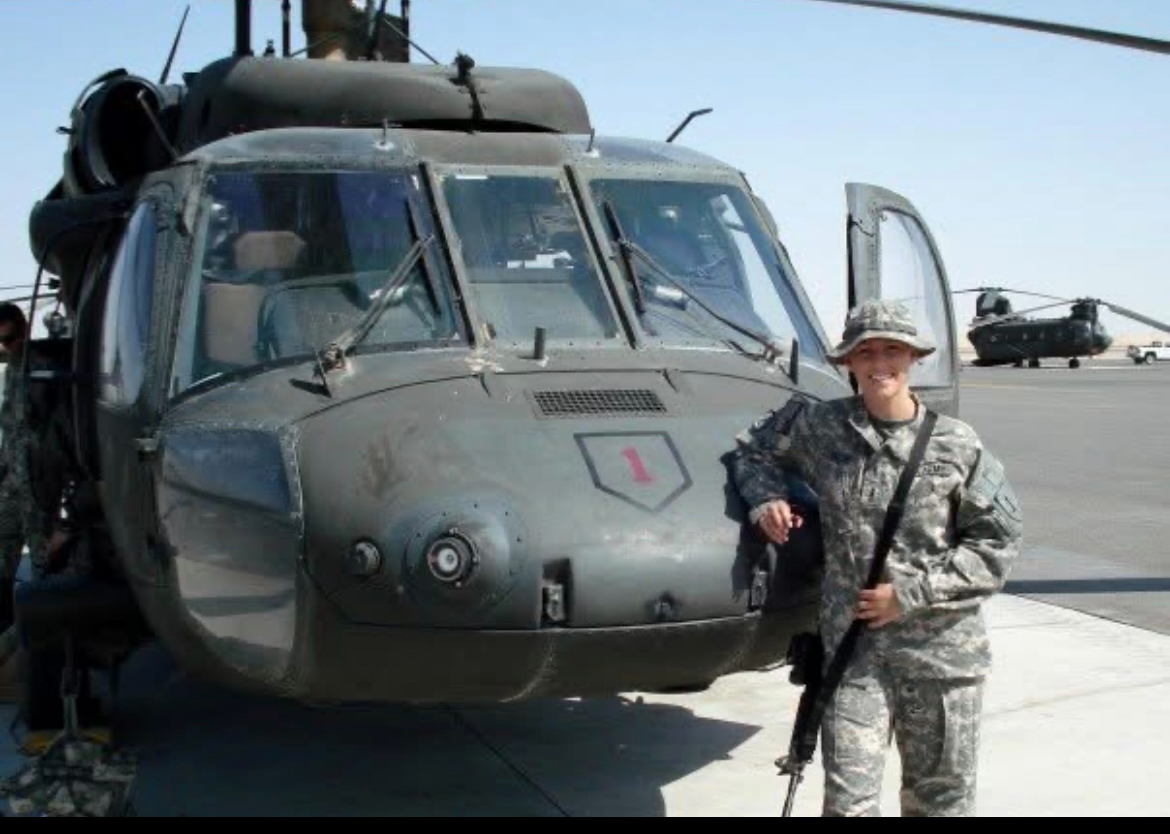
“I’d always wanted to be a helicopter pilot since I was five,” she said. “I have no clue what caused that. I just knew it inside my body. That’s what I was meant to do.”
That determination pushed her to enlist in the US Army before her senior year of high school through the Delayed Entry Program. What began as a dream eventually became a profession, but along the way she discovered something more meaningful than simply being a pilot.
She was good at it.
Not only did Jennifer earn the trust of her commanders, but she advanced quickly. She became a pilot-in-command earlier than many of her peers and was selected for instructor pilot training ahead of schedule.
Leading From the Front
While flying had always been her dream, teaching became her legacy.
“It was really meaningful to be able to be that pilot who perfected my craft but then was able to pass that on to the next generation,” she said.
As a Chief Warrant Officer 4 ( CW4 ) Battalion Standardization Instructor Pilot, Jennifer wasn’t just responsible for aircraft. She was responsible for people.
She trained future pilots, mentored them, and often found herself leading some of the most demanding missions because of the confidence others placed in her.
“I really liked the fact that the chain of command trusted me. They knew I would get the mission accomplished and the crews home safe.”
That responsibility shaped her in profound ways.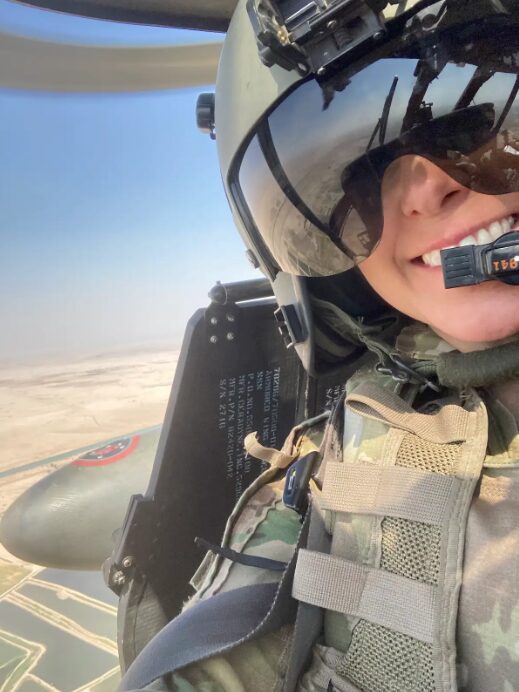
Throughout her career, Jennifer saw the consequences of what happens when things went wrong. She served in units that lost aircrew members during both combat and training missions. Those losses reinforced her belief that leadership isn’t about authority. It’s about protecting people.
One lesson from flight school stuck with her throughout her career.
She remembers an older Vietnam-era flight instructor telling her, “The helicopter doesn’t notice if you’re a woman, only the people you fly with will.”
Those words stayed with her because they made her believe her dreams were within reach. They reminded her that excellence, not gender, would define her career. She realized that through preparation, discipline, and strong flying skills, she could earn the trust of those she flew with and become the go-to pilot commanders selected for the toughest missions.
“I wanted to show that I could do it regardless of people’s perceptions and inspire other people to do the same.”
Who Am I Without the Uniform?
Eventually, though, another challenge emerged.
After decades of flying helicopters, Jennifer found herself asking a question many veterans struggle with after retirement:
Who am I now?
For most of her life, she had been “Jenn the pilot.”
Leaving that identity behind wasn’t easy.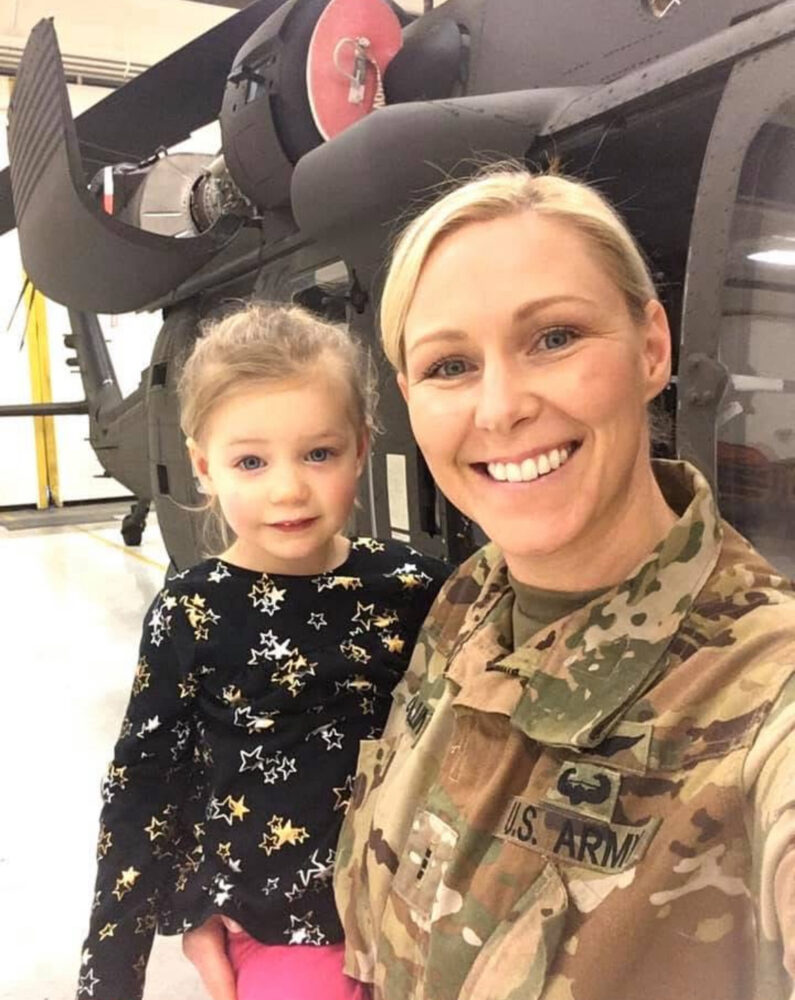
“I was struggling to figure out what my purpose would be if I wasn’t Jenn the pilot,” she said. The mental and physical demands of military service had taken their toll. Retirement should have felt like a finish line. Instead, it felt like the beginning of a new search for purpose.
A New Mission Through Sierra Delta
The answer arrived in an unexpected form: a German Wirehaired Pointer named Bruno.
Jennifer credits dogs with helping her navigate some of life’s most difficult moments. Through Sierra Delta, a nonprofit organization dedicated to connecting veterans with the healing power of dogs, she found not only a new hobby but a new mission.
Initially receiving support through Sierra Delta’s Life Buddy Grant program, she and Bruno entered the world of competitive dock diving.
“I used to fly helicopters,” she laughed. “Now I have a flying dog.”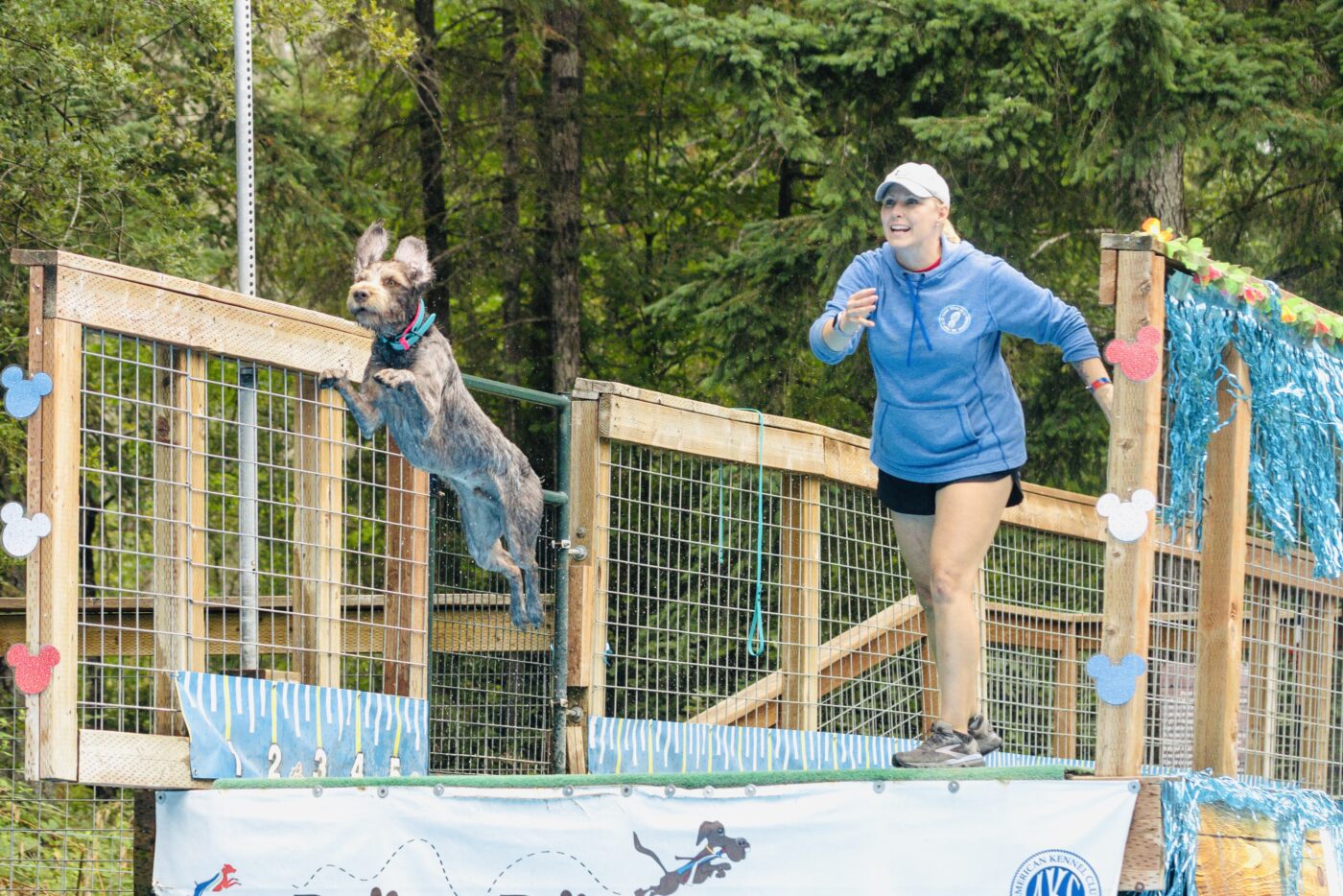
What began as a personal experience soon evolved into something far bigger.
Today, as Sierra Delta’s Community and Programs Manager, Jennifer helps veterans rediscover purpose, connection, and belonging through community. Many join seeking help with their dogs. They stay because they find each other.
“They come for the grant, but they’re staying because of the community,” she said.
What excites Jennifer most isn’t simply helping veterans. It’s helping them realize that just because they’ve changed since their military service, it doesn’t mean they’re broken. They just need to figure out what their new North Star is. Discover what makes them happiest and seek opportunities to do more of that, eventually harnessing that into something which gives them a sense of serving others if that’s what they’re still called to do.
Her message is simple: military service may end, but leadership doesn’t.
“Being a happy veteran is just being the best version of yourself that you can be.”
Service Beyond Military Service
As America approaches the 25th anniversary of Sept. 11, Jennifer hopes the next generation understands that service takes many forms.
“Service doesn’t mean you just have to wear a uniform,” she said.
Whether serving a community, helping a neighbor, mentoring someone in need, or finding ways to use individual talents for a greater purpose, she believes service should come from passion rather than obligation.
Likewise, resilience isn’t about carrying every burden alone.
“Ask for help,” she said. “I think that’s actually a real form of strength.”
For Jennifer, the journey of resilience continues. Not as a pilot. Not as a soldier. But as someone still committed to serving others.
The Legacy She Leaves Behind
Twenty-five years after Sept. 11, changed the course of her life and many others. Jennifer is still serving. The mission looks different now.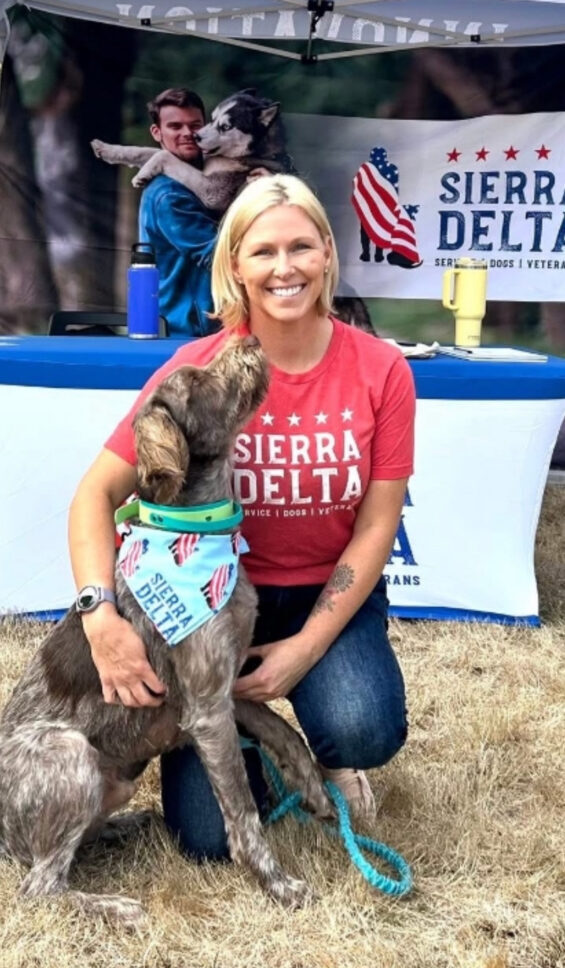
These days, she spends her time helping veterans find connection, purpose, and community through Sierra Delta. It’s a role she never expected, but one that has become just as meaningful as her being in a cockpit.
For years, Jennifer was known as a pilot. Now, she’s discovering that her impact reaches far beyond the cockpit.
As the nation reflects on the 25th anniversary of Sept.11, Jennifer’s story is a reminder that service doesn’t end when the uniform comes off. Sometimes, the next chapter turns out to be just as important as the first.