The BRAVE Program: When the Diagnosis Finally Fits
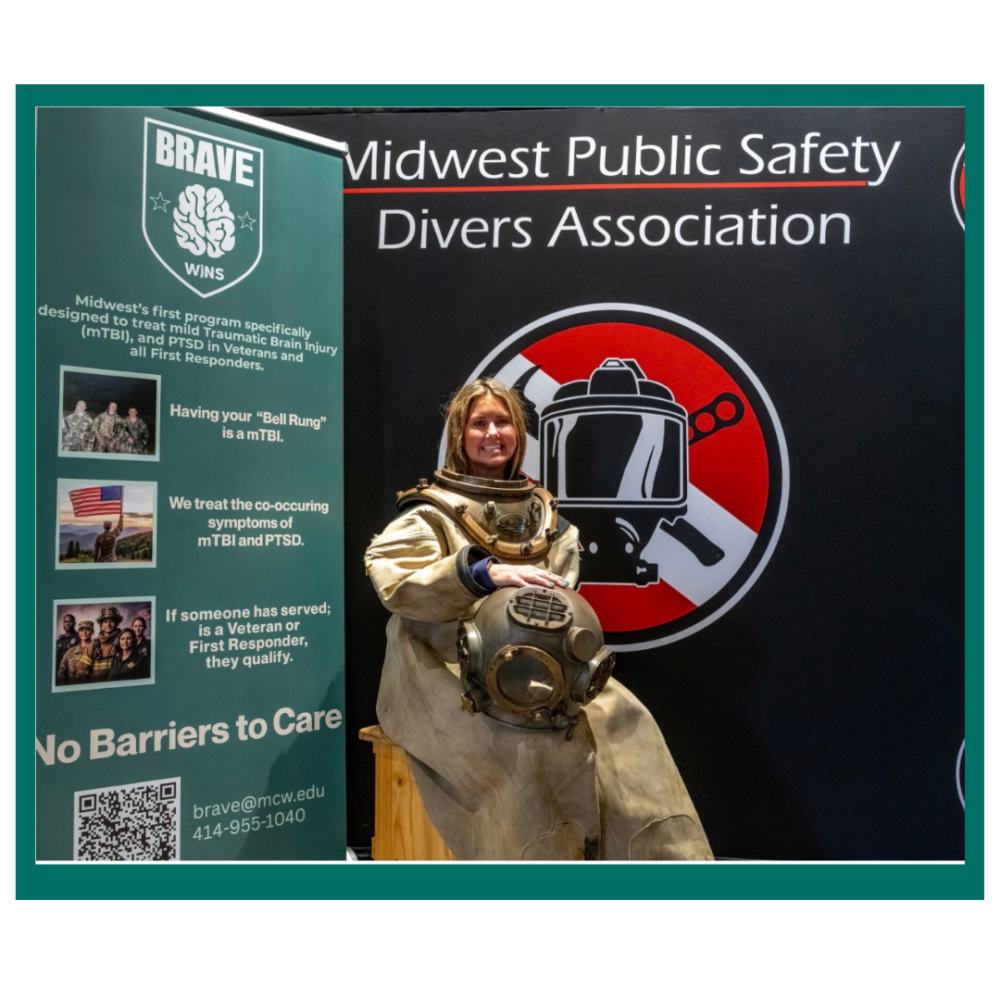
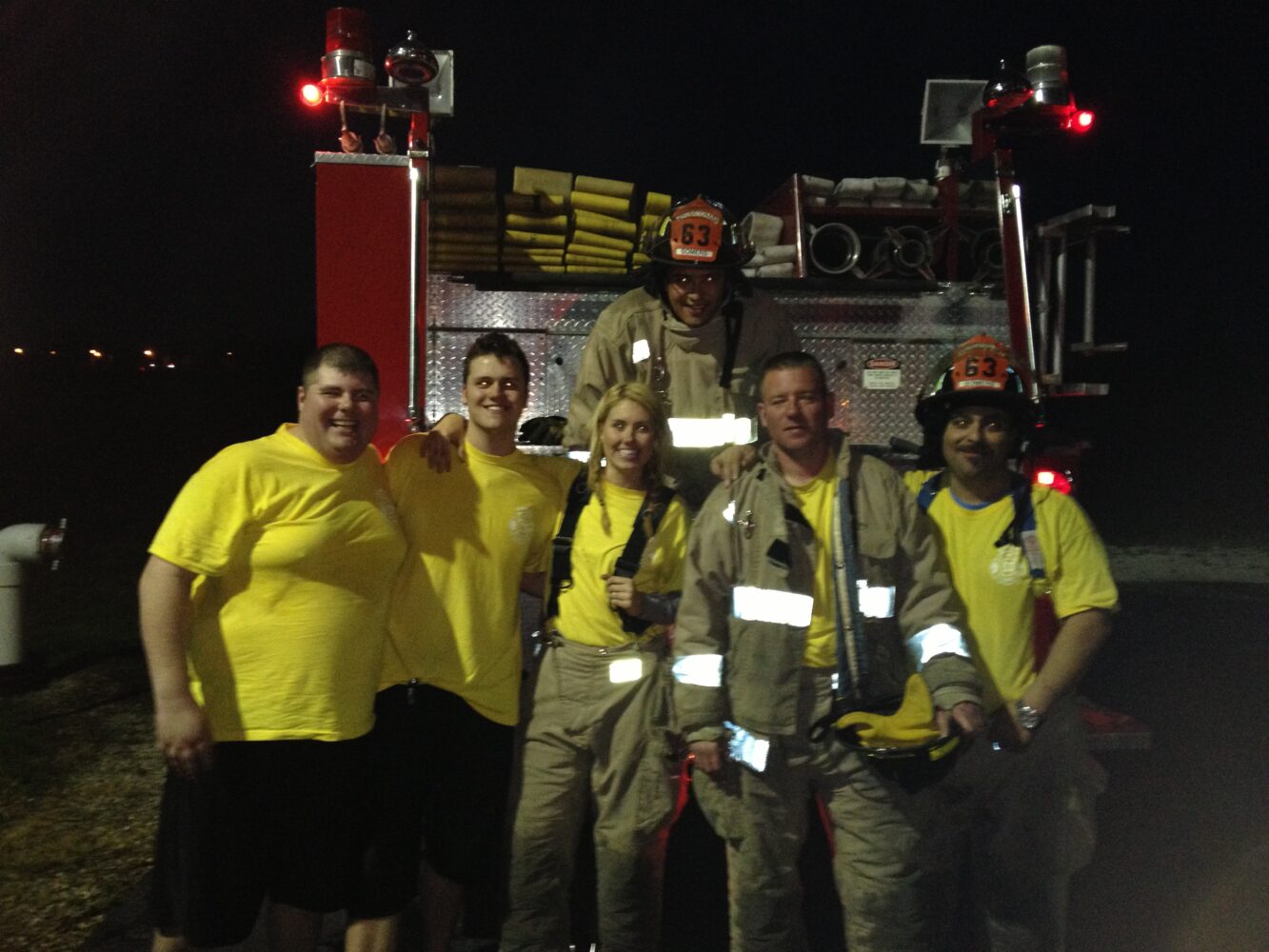
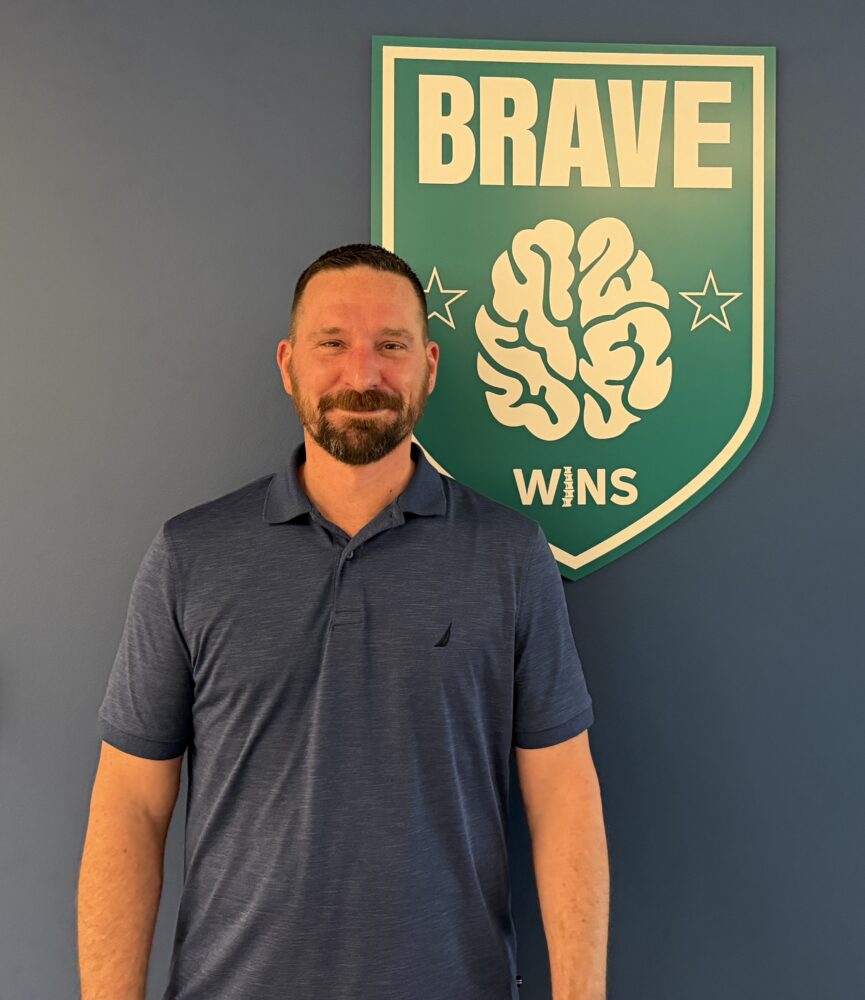
Amanda Bates does not fit neatly into a single description. Medically retired firefighter paramedic. Former Chief of EMS for the state of Wisconsin. Someone who spent years watching colleagues drink their feelings away, lose their relationships, and in some cases, lose their lives, while the system they served kept moving without addressing why.
“We were losing good medics,” she said. “Something needed to be done.”
That something, for Amanda, eventually led her to the BRAVE Program at the Medical College of Wisconsin, where she now serves as a leader helping other veterans and first responders find what she spent years trying to find herself: a clinical explanation for what they had been carrying, and a path back to their life.
 Two Gaps, One Program
BRAVE stands for Building Resilience through Action in VEterans and first responders. Housed within MCW’s Wisconsin Institute of NeuroScience in Milwaukee, it is the first program of its kind in the Midwest and one of only a few in the country. It was founded with a gift from the Avalon Action Alliance, a post-trauma wellness nonprofit focused on the hidden wounds carried by veterans, first responders, and their families.
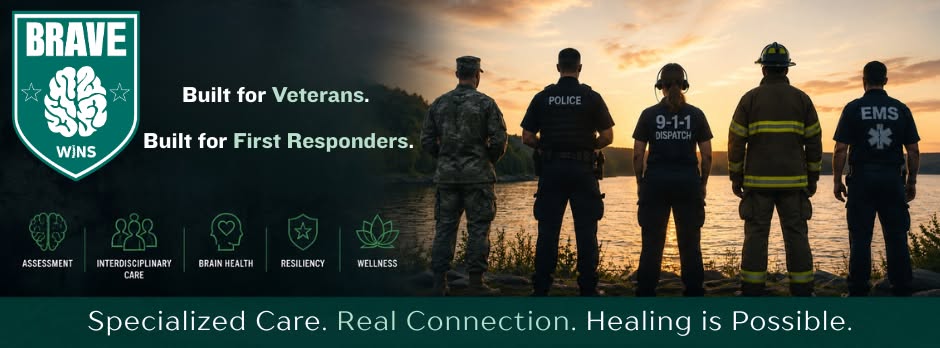 The program exists because of two gaps Amanda describes with precision: a clinical gap and a cultural gap.
The clinical gap is what was missing in care. Historically, mental health treatment, post-traumatic stress disorder (PTSD) treatment, and traumatic brain injury (TBI) treatment have existed in separate lanes. A veteran could spend years cycling through providers, collecting partial diagnoses, never getting a complete picture of what was actually happening inside their brain and nervous system. BRAVE brought those lanes together under one roof.
The cultural gap is why veterans and first responders weren’t accessing the care that did exist. A system built for the general population does not automatically work for someone trained to suppress pain, push through, and handle it. BRAVE was built with that reality at its center, not as an afterthought.
No Barriers by Design
The BRAVE Program accepts veterans and first responders regardless of discharge status, financial situation, insurance coverage, or whether they have ever received a formal TBI diagnosis. That last piece is significant. Many of the people who walk through the program’s doors have spent years, sometimes decades, experiencing symptoms that were attributed to stress, personality, or a general failure to adjust. In reality, their brain was injured.
“If we required all of those boxes to be checked before someone could walk through our doors,” Amanda said, “we’d miss a lot of people who need the help.”
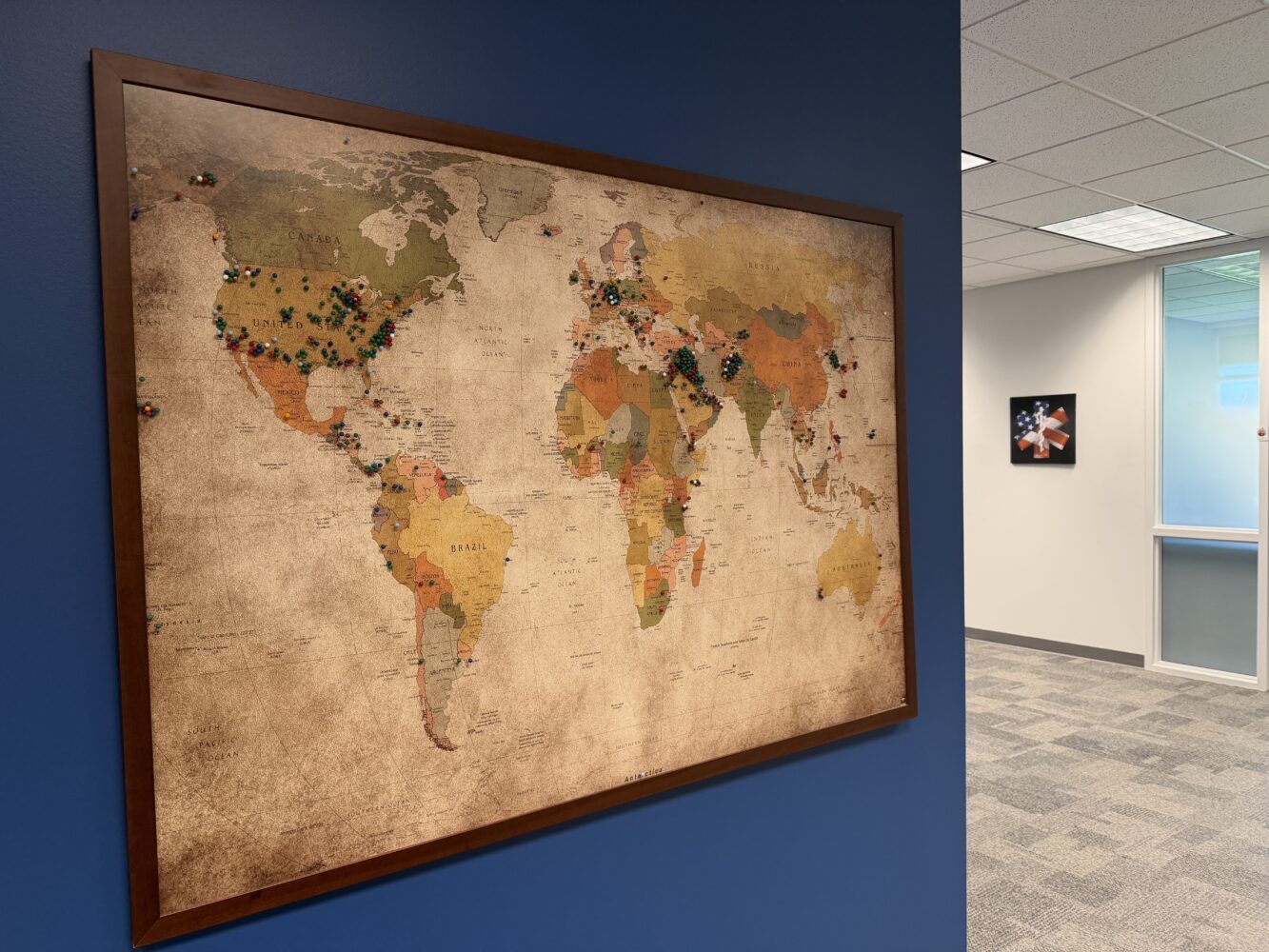 The no-barriers model also extends to geography and cost. BRAVE serves veterans and first responders from all 50 states, and has even seen participants come from Guam. For those who need to travel, the program covers transportation, hotel, and any local transportation needed during the three weeks. A flight from California is not an obstacle. Neither is the cost of the program itself.
“Sometimes the most important thing we can tell someone is, you don’t have to have all the answers before you ask for help,” Amanda said.
Three Weeks = Two Years Worth of Appointments
The intensive outpatient program, which participants call the IOP, runs for three weeks. What happens inside those three weeks is what most veterans and first responders have spent years trying to access piecemeal.
Each day combines structured group therapy, brain health evaluation, rehabilitation, physical wellness, and peer connection. Group sessions cover trauma, mindfulness, identity, relationships, yoga, moral injury, and a class called Thrive. Individual mornings include time with psychiatry, neuropsychology, physical therapy, speech-language pathology, and case management. Social workers and nurse managers are embedded in the team.
“They receive about two years’ worth of appointments in our three weeks,” Amanda said.
 The clinical team is staffed with people who understand military and first responder culture from the inside. Dr. Greg Burek, the medical director, is a board-certified psychiatrist and a Marine Corps veteran. Dr. Erich Roush is a board-certified clinical and a major in the U.S. Army Reserve. Dr. Tamara Morris is a clinical psychologist and an Army veteran. Marine, Navy, Air Force, and first responder veterans, including Amanda, are woven throughout the team. The staff composition is the design, not a detail of it. “Multidisciplinary with a cultural competency,” Amanda said.
 The program also includes art therapy, music therapy, equine therapy, and a volunteer yoga instructor. Milwaukee itself becomes part of the experience. Participants are not confined to a clinic. They can take in a Brewers game, visit the botanical gardens, or attend SummerFest. Bonds form between veterans from California and first responders from Ohio who would have had no reason to meet otherwise.
What It Means to Finally Have an Answer
One of the most consistent and significant moments the BRAVE team witnesses is when a veteran realizes that what they have been experiencing has a biological and neurological explanation. “Many veterans spend years believing there’s something wrong with them,” Amanda said. “In reality, there may be something wrong with their brain, their sleep, their nervous system, or all three.”
Living in fight-or-flight mode long enough, she explained, can make that state feel normal. The brain fog, the fatigue, the irritability, the memory issues, the sleep disruption, all of it gets attributed to weakness or failure rather than to an injury that has a name and a treatment pathway.
“One of the most emotional moments we witness here is when a veteran realizes they’re not lazy, they’re not broken, they’re not weak, or failing in life. That there is actually a biological and neurological explanation for what they’ve been experiencing.”
Brian’s Story
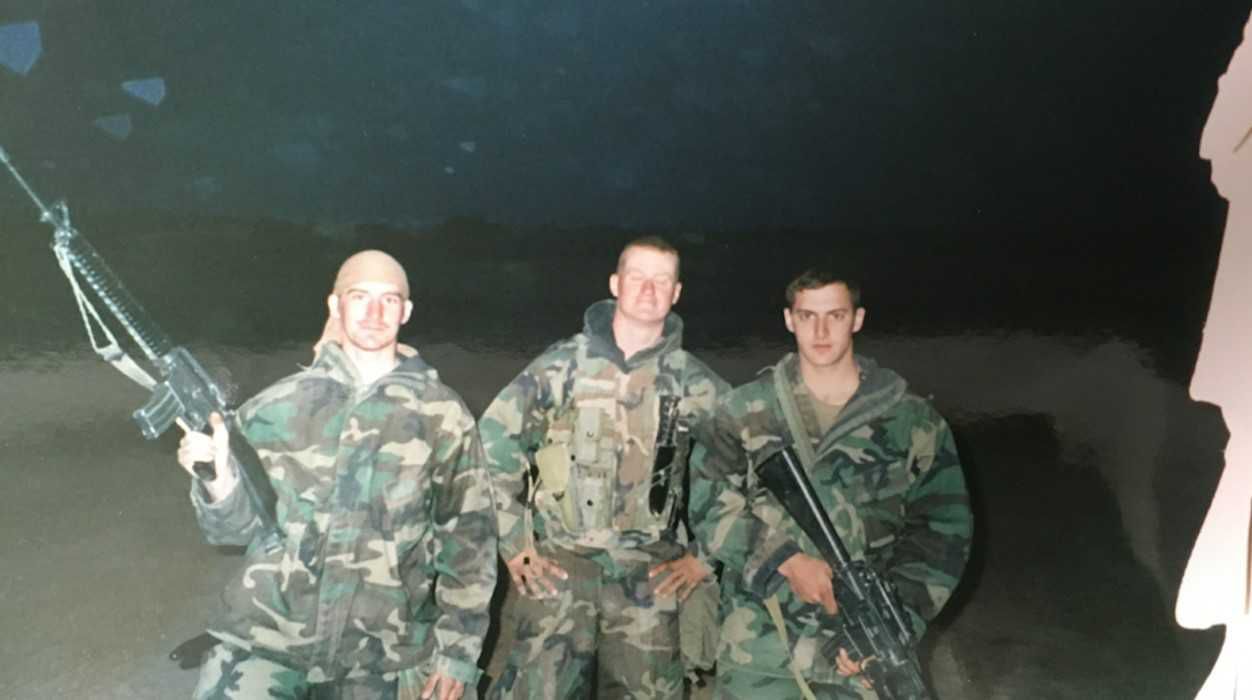
Brian is a medically retired Army veteran from Laramie, Wyoming, who came from a military family spanning four generations. He entered the BRAVE Program in March 2025 after first going through Warrior Pathh, another Avalon Action Alliance program, at a point when people who knew him well had started to say something out loud.
“I had accepted a lot of things as being normal when they weren’t,” he said.
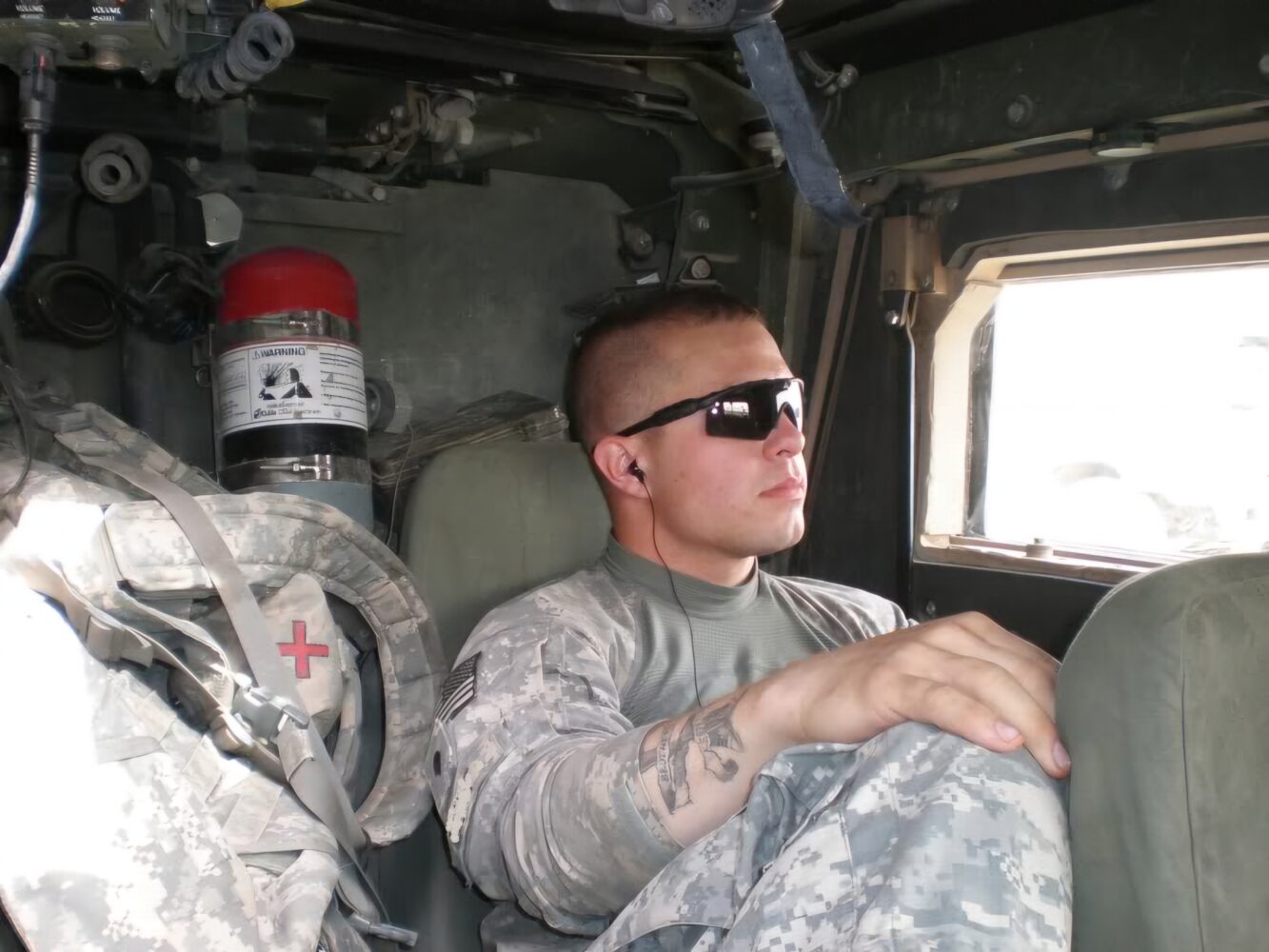
He was running a successful business. Working 80 to 120 hours a week. Carrying sleep problems, memory issues, and a fuse that had almost no length to it, with nothing in between calm and explosion. From the outside, things looked fine. From the inside, they were not.
At BRAVE, neurofeedback helped calm the part of his brain that had been running on threat response for years, pulling energy away from the parts that govern logical thinking. The effect was near-instantaneous. The clinic also identified that his balance issues and chronic hip and back pain were connected to blast-related injuries and perforated eardrums he had not known were still affecting his body.
“TBI is not something you can always see right away,” he said. “Even yourself, you don’t realize these limitations have happened.”
His father came to graduation. He stood up and told the staff that for the first time in 17 years, he felt like he had his son back. Brian said it was the moment everything came together.
He is now excelling in his master’s degree, using techniques from BRAVE to retain and process information his injured brain had been struggling to manage. He recently said yes to joining his county’s sheriff’s department search and rescue squad, something he would have declined a year ago. He is already encouraging his closest combat veteran friends to go through the program. One of them just completed Warrior Pathh and is applying for BRAVE.
Amanda said it plainly: “He doesn’t realize it yet, but you can see it when he’s around people, the difference he’s making. That is something he chose.”
His message to any veteran on the fence is equally plain.
“Stop thinking and just act,” he said. “Compare it to everything else you have been through in your life. You have already overcome that. You can do this.”
After the Three Weeks
The program does not end when participants go home. BRAVE’s extended patient program invites graduates to return for group classes on an as-needed basis. Mental health services remain available. If a veteran returns home still managing a physical issue, like persistent headaches or a back injury, the team will make referrals to providers in their home state.
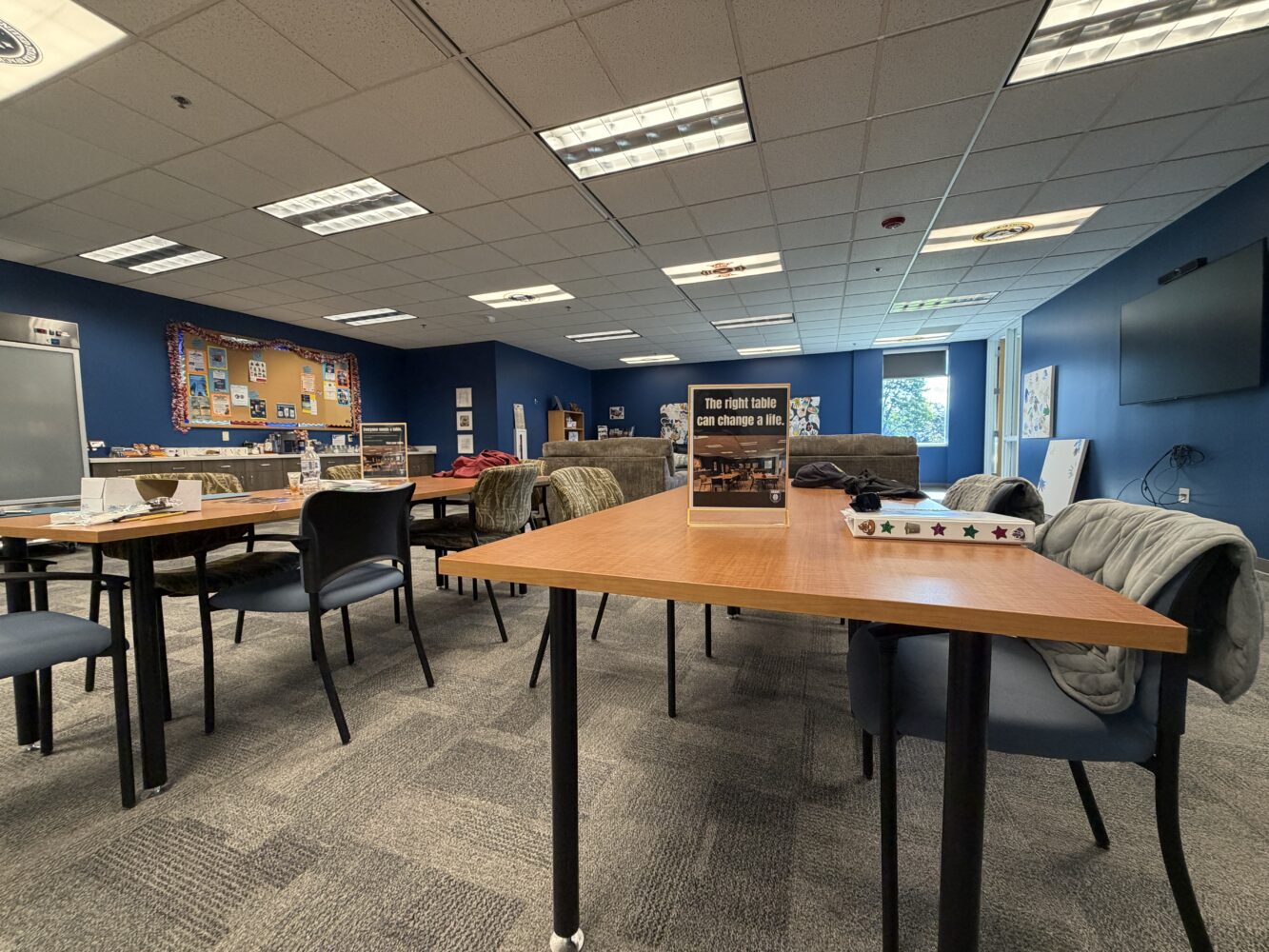 The alumni community is still being built, but the intention behind it is clear. Healing, Amanda said, does not happen in a single clinical session, and BRAVE intends to remain available as long as it is needed.
Graduation ceremonies at the clinic are, by Amanda’s account, not easy to get through. Parents show up. Spouses show up. Children stand up and speak about what it means to have a parent back.
“That’s the true metric outcome,” Amanda said. “Folks are returning to life, to their family. They get to show up as who they want to be.”
By the Numbers
Since launching in February 2024, the BRAVE Program has exceeded every early projection. More than 100 veterans and first responders have graduated from the intensive outpatient program. Over 200 people have come through for evaluations. The Green Bay Packers hosted a BRAVE-led TBI seminar during Salute to Service Week in 2025, and the partnership continues in 2026.
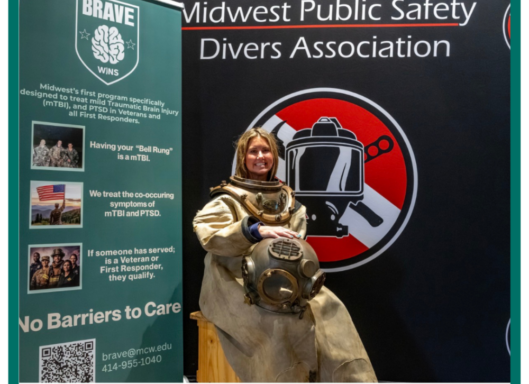 Amanda has personally engaged with more than 1,000 veterans, first responders, clinicians, and organizational leaders through conferences, speaking engagements, and partner events in the past six months alone.
“Awareness isn’t built through marketing alone,” she said. “It’s built through relationships. That’s how this Wisconsin-based program has become a national resource.”
What Amanda Wants You to Know
If you are reading this and wondering whether your symptoms are bad enough to ask for help, Amanda has a direct answer: “They probably are. You don’t have to wait until your life falls apart to deserve support. We see you, we believe you, and there is hope.”
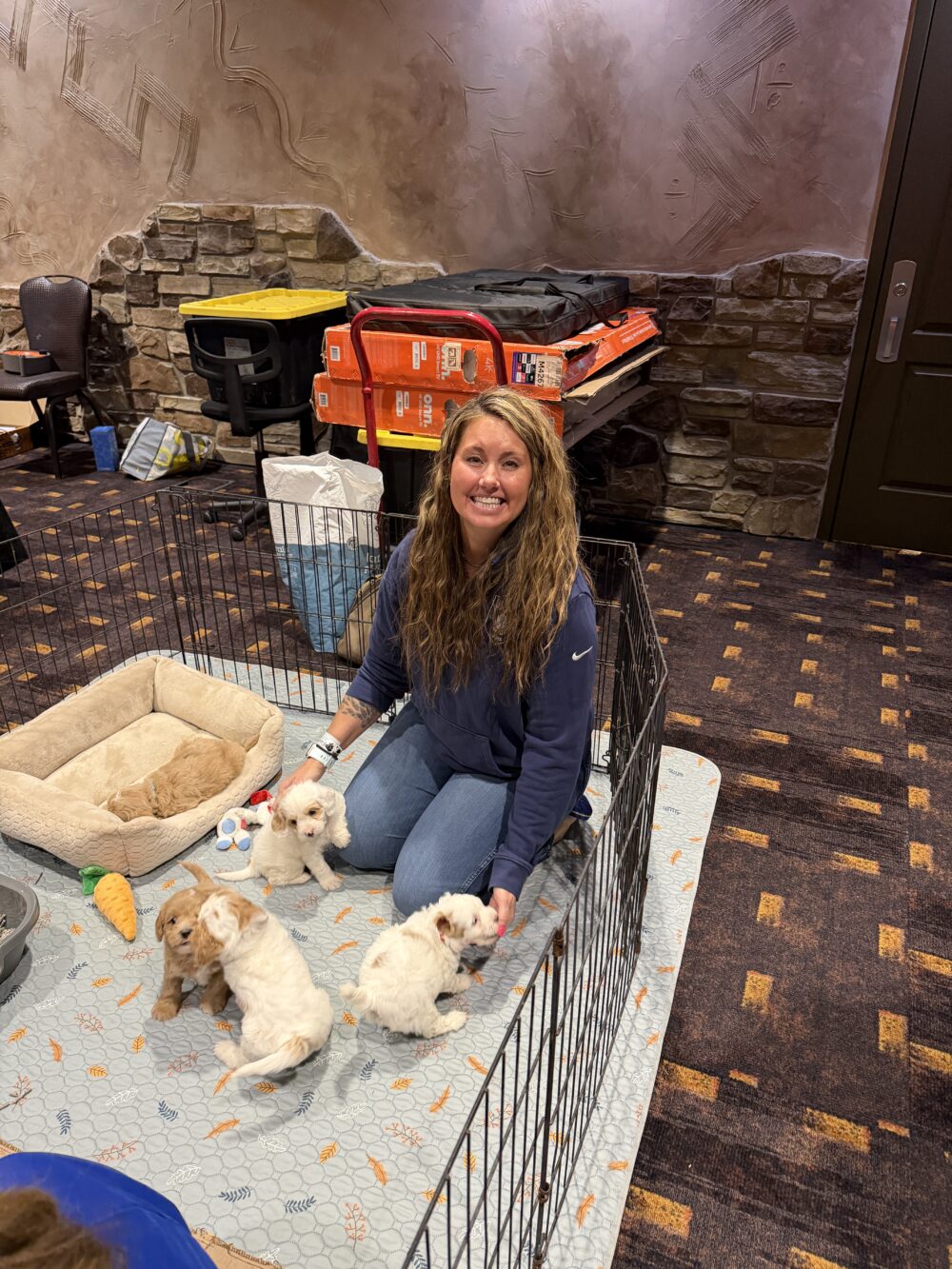 She also wants veterans and caregivers to understand something about PTSD specifically: it may not be the whole story. A traumatic brain injury may exist alongside PTSD, shaping everything from mood and memory to sleep and relationships, without ever receiving a name. BRAVE was built to find it.
“Seeking help is not a sign of weakness,” Amanda said. “In many ways, it’s the most courageous thing you can do for yourself. The veterans who walk through our doors aren’t giving up. They’re choosing to fight for their future, their families, and their quality of life.”
How to Connect
The BRAVE Program is located at 10200 Innovation Drive, Suite 800, Milwaukee, Wisconsin 53226. Veterans and first responders from all 50 states are welcome, regardless of discharge status, insurance coverage, or formal diagnosis. Learn more at mcw.edu or call (414) 955-1040.
Find out more about these initiatives and others like them in the Mission Roll Call Veteran Resource Directory.
If you or someone you know is struggling, the Veterans Crisis Line is available 24 hours a day, 7 days a week. Call 988 and press 1, text 838255, or chat at veteranscrisisline.net.