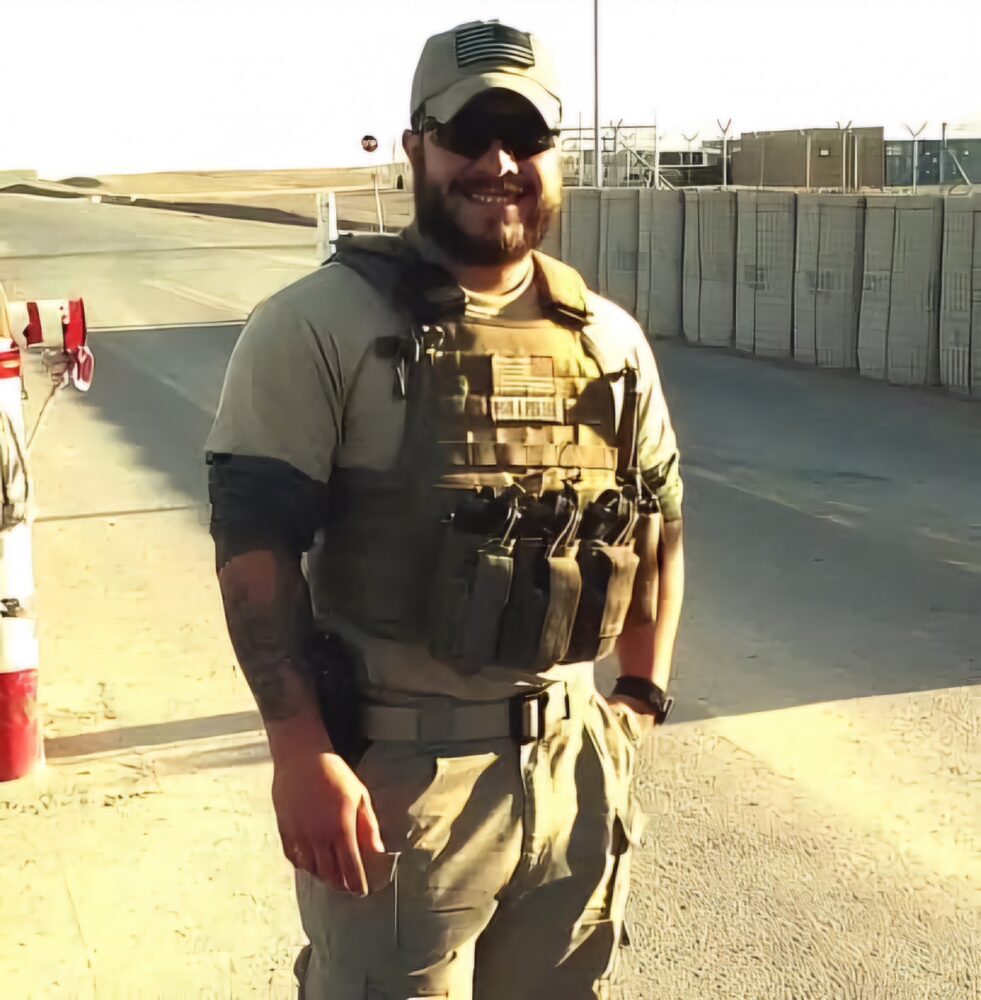
He Spent 17 Years Away. The BRAVE Program Helped Him Come Back.
Brian served on active duty as a Cavalry Scout, then spent years in the reserves as an MP and later a Drill Sergeant, with time as a private security contractor for the State Department and DoD in between. When he volunteered to deploy again with a unit heading to Afghanistan, a pre-deployment physical surfaced injuries he had been carrying for years. That triggered a medical retirement, and with it, a recall to active duty on orders through Human Resources Command just to process out correctly. It is the kind of bureaucratic detail that sounds small until you consider what it represents: a man who gave everything the military asked of him, across multiple roles and multiple decades, navigating one final round of paperwork before the system let him go.
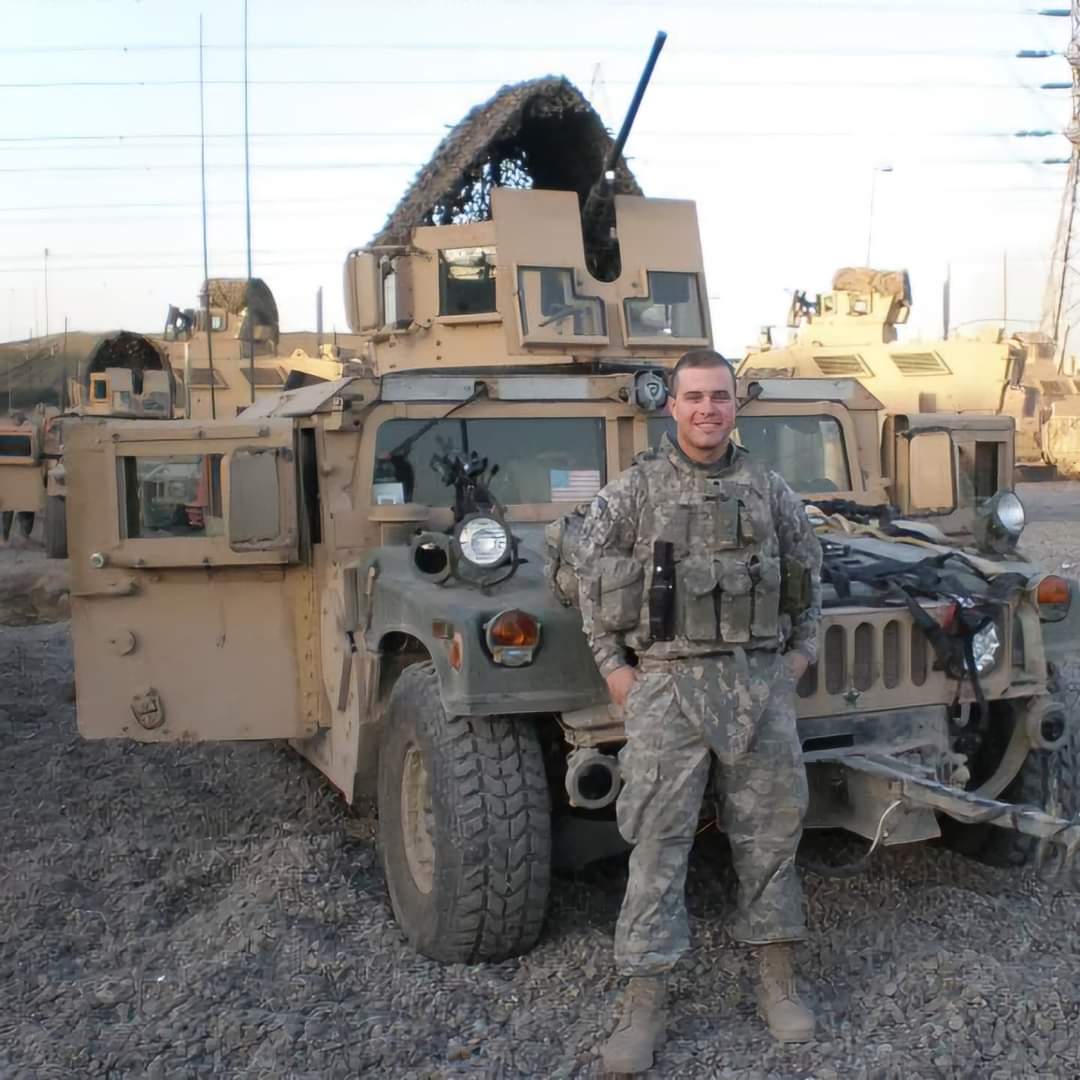 He grew up in a military family. His father is a retired Air Force Master Sergeant. His grandfather on his father’s side served in World War II, Korea, and Vietnam retiring as a rear admiral. His grandfather on his mother’s side served in Korea and Vietnam. His great-grandfather was with the Marine Corps in World War I. He joined in the early 2000s and came close to 20 years before his injuries ended that chapter.
He retired to Laramie, Wyoming, and built a life that looked, from the outside, like it was working.
What Nobody Could See
Brian was running a successful business. He had a strong reputation in his community as someone who showed up for other people. He was productive. He was busy, sometimes working 80 to 120 hours a week.
What nobody could see was that keeping busy was the point. It was filling a hole.
His fuse was almost nonexistent, and when something minor happened, he exploded with nothing in between. He was dealing with depression, drinking more than he should have, and carrying sleep problems, memory issues, chronic pain, and concentration difficulties that had become so familiar he had stopped recognizing them as symptoms.
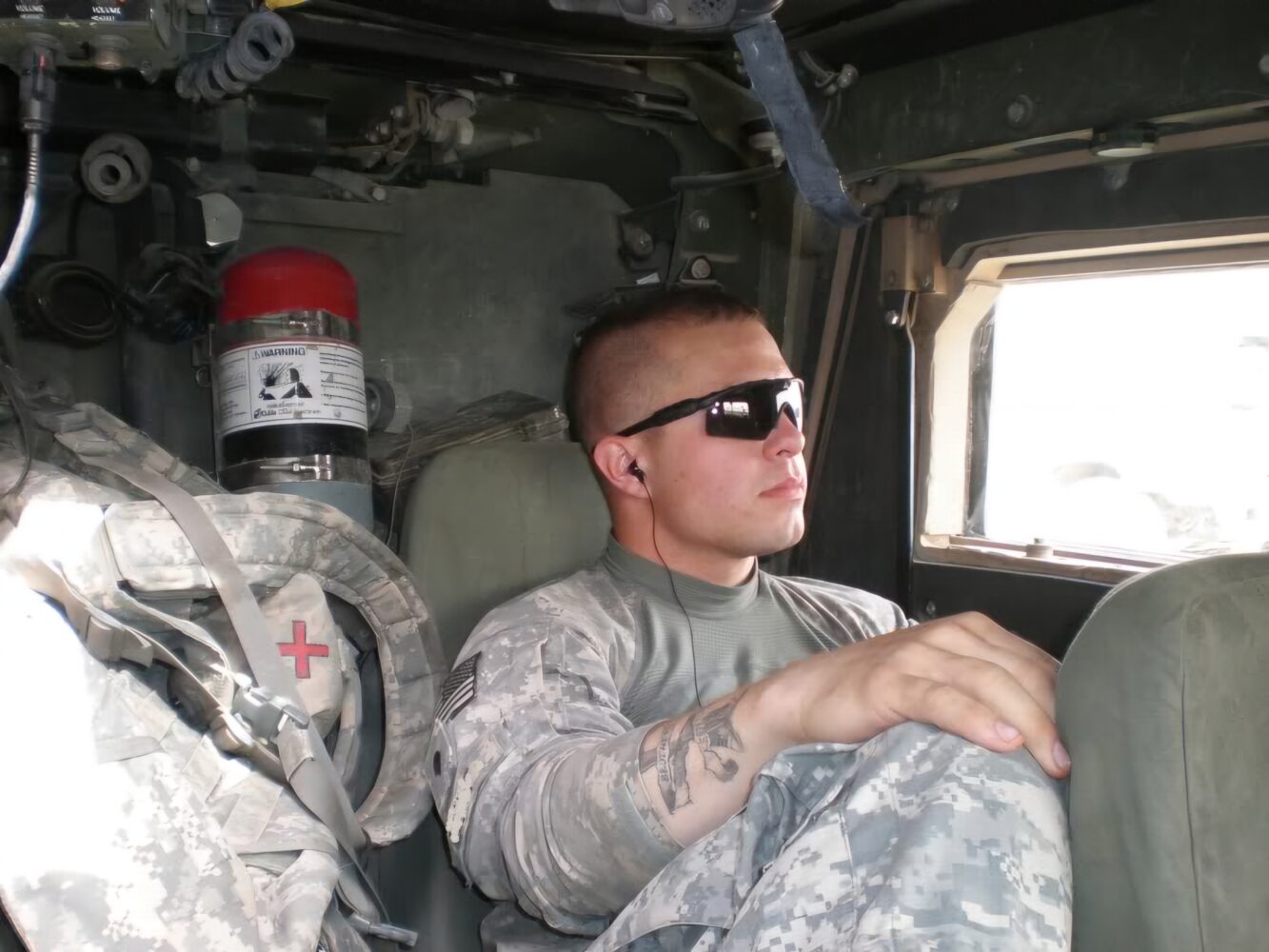
“I had accepted a lot of things as being normal when they weren’t,” he said.
His wife supported him through his darkest days. His closest friends started to say something when they noticed he was off. The business partner he had known since Afghanistan, the man who is his best friend and whose two sons Brian is godfather to, was one of them. The message, across multiple relationships and over a long time, was the same: something needs to change.
“I had to hit rock bottom before I was ready to start doing anything,” Brian said.
The Path In
Brian did not walk into a clinic one day and ask for help. It started with a fellow combat veteran in Laramie who had been through a trauma recovery program called Warrior PATHH and thought Brian should try it. He did. And while he was there, he kept hearing graduates talk about a three-week intensive clinic in Milwaukee called the BRAVE Program, built specifically for veterans and first responders carrying traumatic brain injuries (TBI) and post-traumatic stress disorder (PTSD), and how much it had changed things for them. He started attending a weekly Zoom process group in January, listening to graduates talk about their experience and what had shifted for them. He applied. He went in March.
“It is a full-time job for three weeks,” he said. “Waking up early, working on yourself, taking the time to try and heal, finding things that help you overcome the challenges.”
He had a reasonable sense of what was coming. He was still surprised by the depth.
What the Program Found
Brian has a blast exposure from an Improvised Explosive Device (IED) during his deployment to Afghanistan, resulting in a TBI and other related injuries). He had not fully understood what that meant for his daily life until BRAVE mapped it out for him.
One of the treatments that had the most impact was neurofeedback, sometimes called brain mapping, which delivers electronic wave stimulation to specific parts of the brain to shift how it is functioning. In veterans with TBI, the part of the brain responsible for threat response and instinct is often overactive, pulling energy away from the parts that govern decision-making and logic. The result is a hair-trigger response to stress that feels like a character flaw but is actually a biological one.
“Suddenly I could think,” Brian said. “That was near instantaneous.”
 The program also addressed his balance issues, which he had not known were connected to his injuries. His equilibrium was off from the blast and the resulting perforated eardrums. Because his eyes compensate automatically when they are open, and he is typically lying down when they are closed, he had no way of knowing. What he did know was that his back was always locked up and his hips hurt constantly. The clinic found the connection.
“One of the most frustrating parts is that TBI is not something you can always see right away,” he said. “Even yourself, you don’t realize these limitations have happened. And eventually you start making the assumption that something is wrong with you.”
The moral injury work was where things got hardest and mattered most. Brian carries things from his deployments that he had not, before BRAVE, been able to bring into any room. He was seeing a local counselor, another combat veteran with a psychology background, and still keeping those things back. The program gave him somewhere to put them.
“I was going to counseling because I knew it was the right thing to do,” he said. “But I still wasn’t giving everything. Because I was keeping those walls up, I wasn’t healing.”
His parents came to the graduation ceremony. His father stood up and spoke to the staff. He said that for the first time in 17 years, he felt like he had his son back.
Brian said it was the moment everything came together.
What Is Different Now
His wife is his best friend again. For a period, he had started seeing her as an obstacle, which is what happens when the part of your brain running everything is the one wired for survival, not connection. “She stuck around,” he said. “I still don’t fully understand why.”
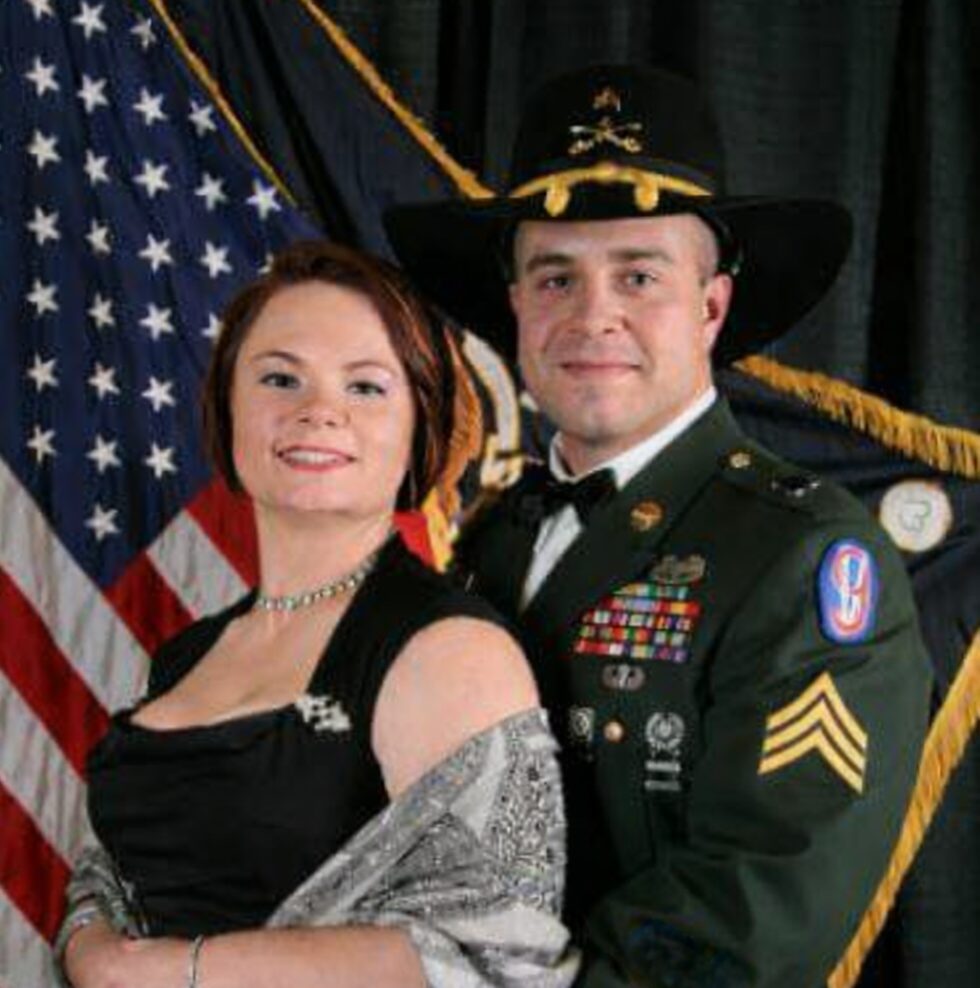 They are going on adventures again. The camping trips and the spontaneous weekends that defined the beginning of their relationship had quietly disappeared. Now they are back.
His friendships are different too. One of his closest friends, a combat veteran who is paralyzed from the waist down, started working out with Brian at a point when Brian was struggling. They would go to the pool together. His friend would ease up next to Brian hanging off the deep end catching his breath, smile, and say: “Dude, you look tired. Just do what I do and don’t use your legs.” Then he would laugh and paddle off.
“I can’t feel sorry for myself anymore,” Brian said.
He earned his bachelor’s degree in nine months, carrying a massive course load. He is now excelling in his master’s degree, using techniques from BRAVE to retain and process information in ways his injured brain had been struggling to manage.
His chronic pain has decreased significantly, though he is clear that he will live with some level of pain for the rest of his life.
He recently said yes to something he would have turned down a year ago: joining the county sheriff’s office search and rescue squad. His background in land navigation, off-road recovery, and military training makes him a natural fit. Before BRAVE, he would have found a reason to say no.
“For the first time in a long time,” he said, “it feels like I have a future I’m actively building instead of just reacting to life.”
What He Is Doing with It
Brian is already trying to get his combat veteran friends to go through the program. His friend with the wheelchair just completed Warrior Pathh and is applying for BRAVE. The network is growing outward from him in real time.
He is also a board member of Laramie Range Adventures for Veterans, a local nonprofit that takes combat veterans into the Wyoming wilderness to hunt, fish, camp, and off-road. He is not just planning events from a distance anymore. He is showing up and enjoying it.
The program sent him back into the world not just with tools, but with a direction. He is getting his combat veteran friends into Warrior PATHH and BRAVE. He is showing up for his community in ways he would have found a reason to avoid a year ago. And for the first time in a long time, he is also letting people show up for him.
What He Wants You to Know
For most of his adult life, Brian did not plan for the future. It was a survival mechanism he learned in combat: if you accept that you are already gone, you can do your job without hesitation. He carried that orientation home and kept living inside it for years without realizing it.
He is not living that way anymore. He and his wife talk about where they want to be in 20 years. He is building something instead of just getting through it. General George S. Patton once said, “A good plan violently executed now is better than a perfect plan executed next week.” Brian is not waiting for perfect anymore.
If you are a veteran who recognizes any part of his story, he has one thing to say.
“Stop thinking and just act. Compare it to everything else you have been through in your life. You have already overcome that. You can do this.”
————————————————————————————————————–
Warrior PATHH is a trauma recovery program run by Avalon Action Alliance and based at Boulderest Institute in Bluemont, Virginia. Warrior-PATHH is designed for combat veterans and uses peer-to-peer support and nature-based experiences to help veterans process trauma and reconnect with purpose. Learn more at bouldercrest.org.
The BRAVE Program is located at 10200 Innovation Drive, Suite 800, Milwaukee, Wisconsin 53226. Veterans and first responders from all 50 states are welcome, regardless of discharge status, insurance coverage, or formal diagnosis. Learn more at mcw.edu or call (414) 955-1040.
Find out more about these initiatives and others like them in the Mission Roll Call Veteran Resource Directory.
If you or someone you know is struggling, the Veterans Crisis Line is available 24 hours a day, 7 days a week. Call 988 and press 1, text 838255, or chat at veteranscrisisline.net.