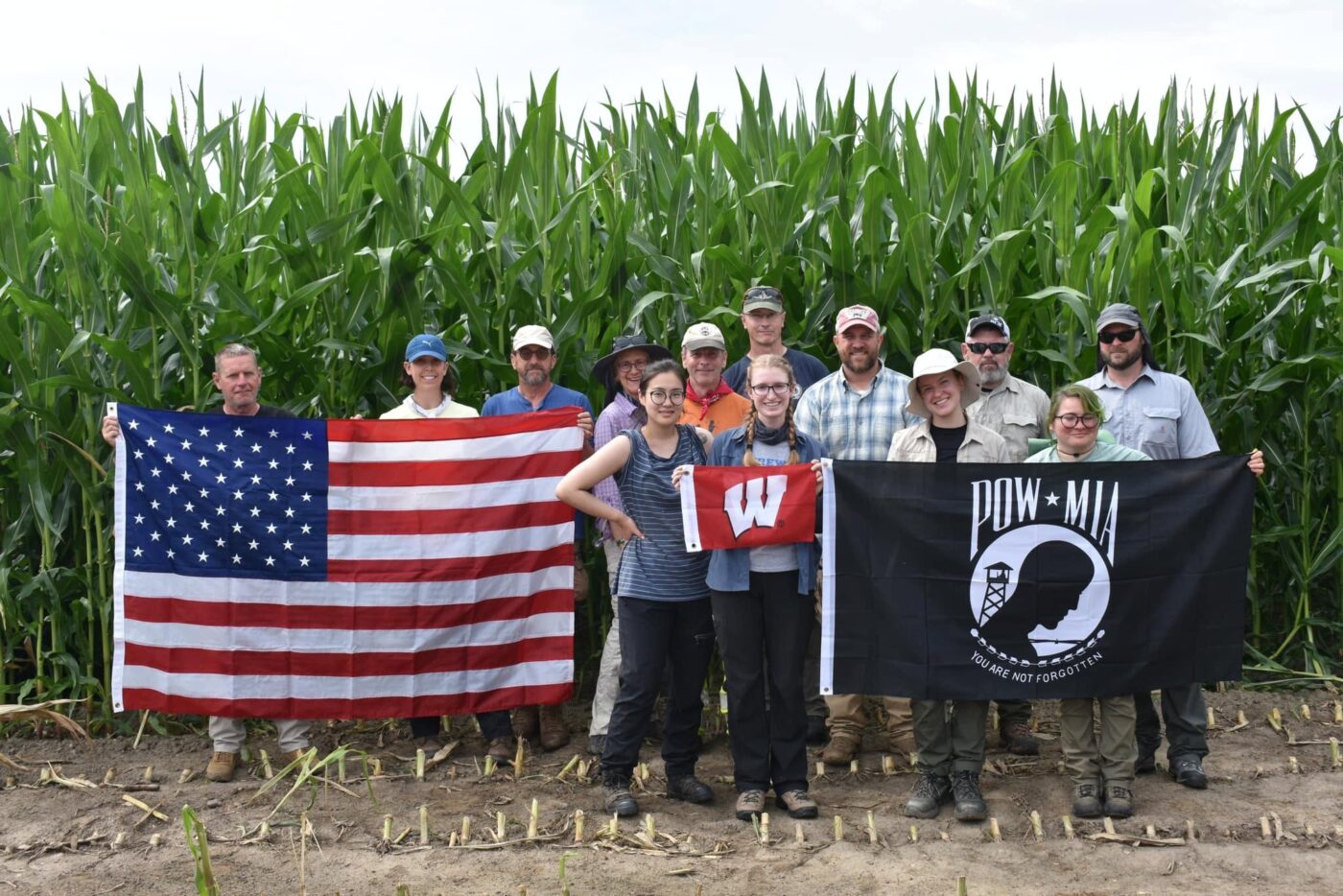
Frank Fazekas was about 9 months old when his father, a World War II fighter pilot, was killed in northern France.
More than 70 years later, he stood at the site where his father’s plane went down, hoping to find answers his family had sought for decades.
For families of missing service members, there is often no body to bury. No final goodbye. No answer to the questions that refuses to leave: What happened?
Across the country, thousands of families live inside that question. Behind every missing service member is an empty chair, a faded photograph, and a family forced to carry an absence that time has never made easier.
The world moved forward. Their families kept waiting.
For the team at the University of Wisconsin MIA Recovery and Identification Project, that waiting is why the work continues.
Since 2014, the UW MIA Recovery and Identification Project team has participated in field missions that recovered the remains of four missing service members. The work brings together historical research, archaeology, forensic science, and DNA analysis to identify those who never made it home and return them to their families.
The project’s Wall of Honor carries a simple truth: “We don’t know them all, but we owe them all.”
Every Name Is Someone’s Family
History often remembers wars through dates, battles, and casualty statistics.
Families remember them differently.
They remember the person behind the uniform.
For Charles Konsitzke, the mission is rooted in family. Members of his family have collectively served more than 300 years in the military. He knows his family was fortunate: everyone who served came home.
That knowledge has deepened his sense of responsibility to the families still waiting for someone who did not.
“I was blessed not to have lost any family members,” Konsitzke said. “With more than 81,000 Americans still missing, I believe UW-Madison, as a public research university, is uniquely positioned to use leading technology and academic expertise to help families find answers and closure more efficiently.”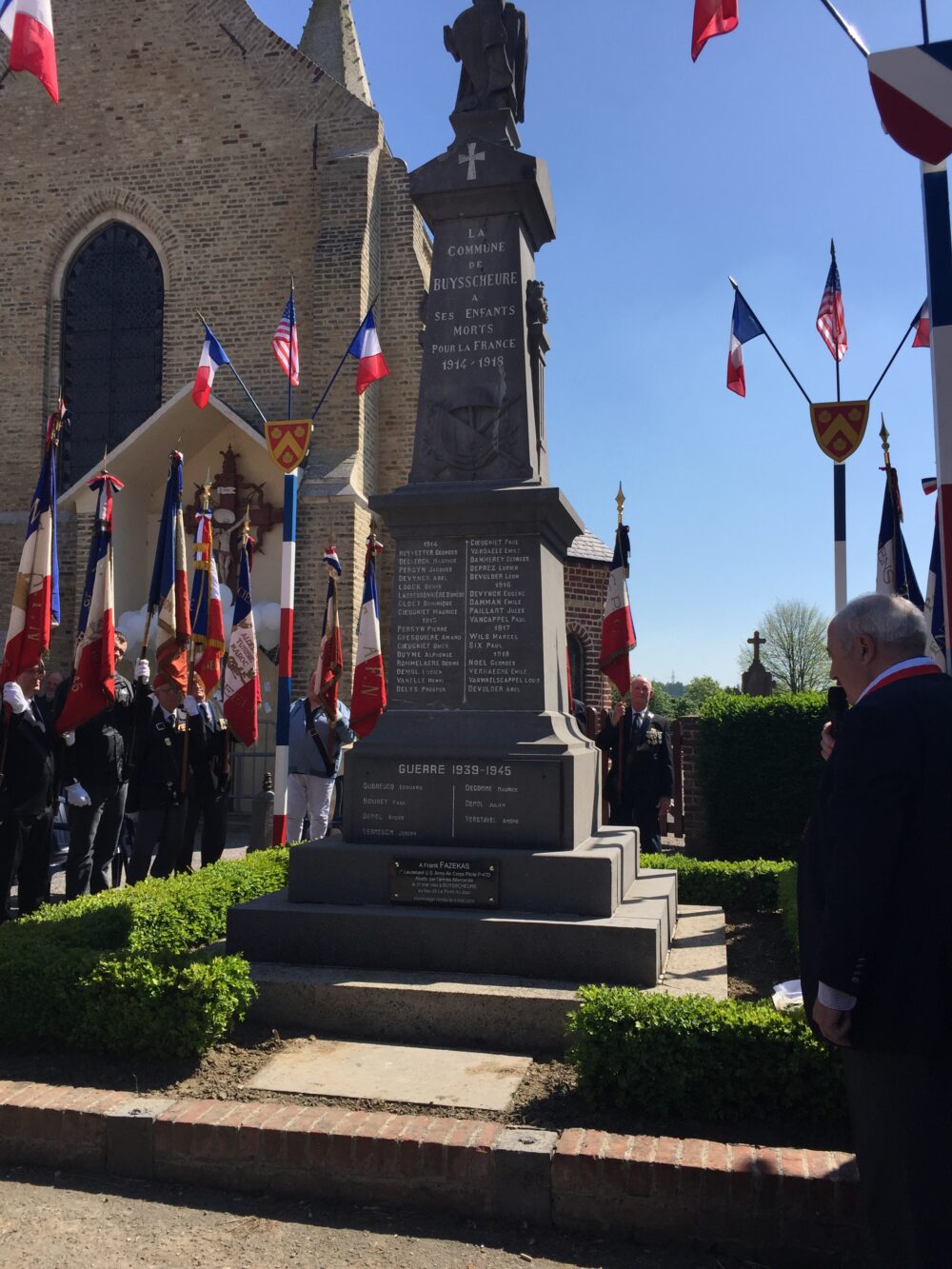
For Konsitzke, the work combines scientistic research with responsibility to the families still waiting for answers.
The Names Behind the Mission
Private First Class Lawrence S. Gordon was a Canadian who enlisted in the United States Army. He was killed in action on August 13, 1944, in the Normandy region of northern France. For years, Gordon was buried as an American unknown. His remains were later disinterred, misidentified as those of a German soldier, and reburied in a German cemetery.
In 2014, the UW Biotechnology Center helped conduct the DNA analysis that led to his identification. His remains were repatriated and buried in his hometown in Canada.
His recovery and identification also marked the beginning of the UW MIA Recovery and Identification Project.
Other cases followed.
First Lieutenant Frank Fazekas was a P-47 Thunderbolt fighter pilot who was shot down and killed in action near the village of Buysscheure in northern France in 1944. More than seven decades later, the UW team returned to the area.
In summer of 2016 and 2017, the team led the successful recovery of Fazekas’s remains. He was ultimately buried with full honors at Arlington National Cemetery.
Second Lieutenant Walter B. Stone was another P-47 Thunderbolt fighter pilot. He was shot down and killed on October 22, 1943, near Quercamps, northern France. Stone was eventually buried in his hometown of Andalusia, Alabama, next to his family.
Staff Sergeant Henry L. Stevens served as an engineer-gunner aboard a B-26 Marauder nicknamed Shirley D. His aircraft was shot down near Winville, Belgium, on December 23, 1944. For decades, Stevens remained among the missing.
The UW team returned to the site over multiple field seasons—in 2019, 2022, and 2023—to excavate and recover his remains. Today, Stevens is buried at Florida National Cemetery.
Four men were returned to four families that had waited for answers. Their cases differed, but each recovery restored a name, a history, and a place in a family.
For Konsitzke, however, one case became more than a recovery. It became a relationship that continued long after the fieldwork ended.
The Weight of Not Knowing
Families may know where their loved one served, where that person was last seen, or that a plane went down or a battle took place. But they may never know exactly what happened afterward.
Konsitzke has met relatives who carried unanswered questions for decades, and their stories have stayed with him.
The questions pass from one generation to the next. A child inherits a photograph. A grandchild inherits a story. A family inherits the waiting.
For these families, the search is not simply about the past. It is about completing a story that never received an ending.
Konsitzke has sat with family members as they shared their loss with the UW team. Those conversations, he said, stay with him. New information can begin to close a long history of not knowing, but it must be shared with care.
“Our responsibility is to inform families honestly, without offering false hope of recovery,” he said.
That responsibility becomes especially meaningful when a case reaches that point of identification.
Searching for Answers Decades Later
Finding a missing service member is rarely simple.
Researchers begin with military records, archival documents, maps, crash reports, and firsthand accounts. Each piece of information can clarify what happened and narrow the area where a service member may have been lost.
Then comes the fieldwork.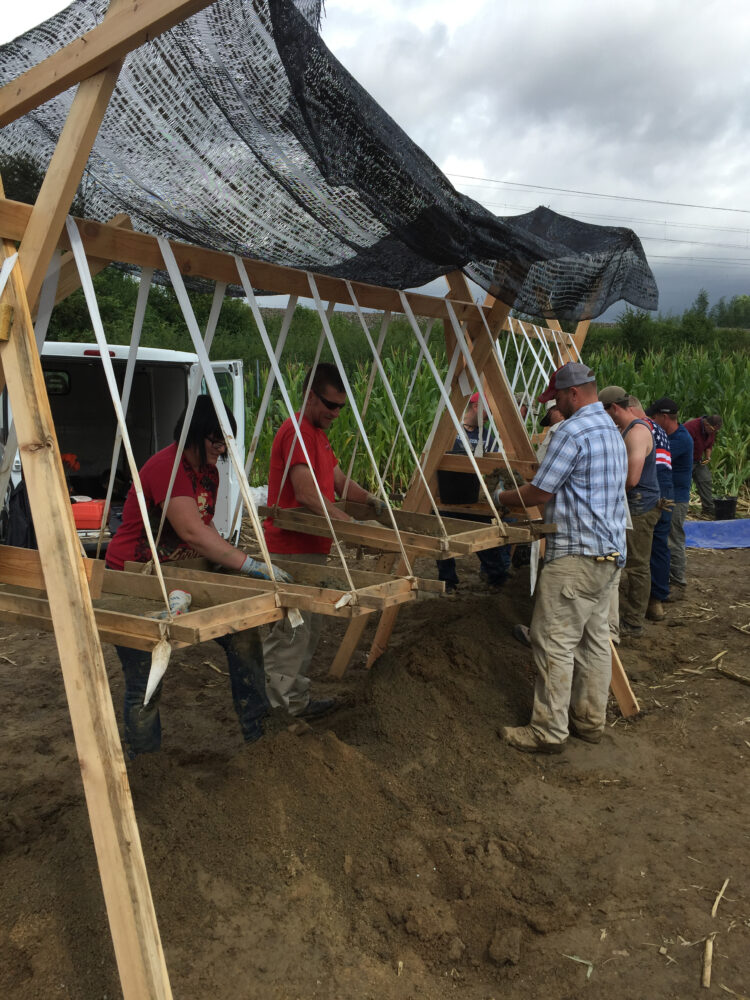
Historians, archaeologists, forensic anthropologists, biologists, academic experts, and student volunteers bring their expertise together to search, excavate, recover, and analyze evidence. DNA can provide another critical piece of the puzzle.
The process may take years.
In the case of Henry Stevens, the UW team returned to the same area across multiple field seasons before successfully recovering his remains.
Progress is not always measured in dramatic discoveries. Sometimes it is a newly uncovered record, a location narrowed down, a piece of evidence recovered, or a DNA result that brings investigators one step closer to an answer.
Every fragment matters. Every record matters. Every return to the field matters.
One piece can lead to another. Evidence can lead to a name. A name can finally lead someone home.
The Moment a Son Found His Father
For Konsitzke, the recovery of Frank Fazekas remains the case that stays with him.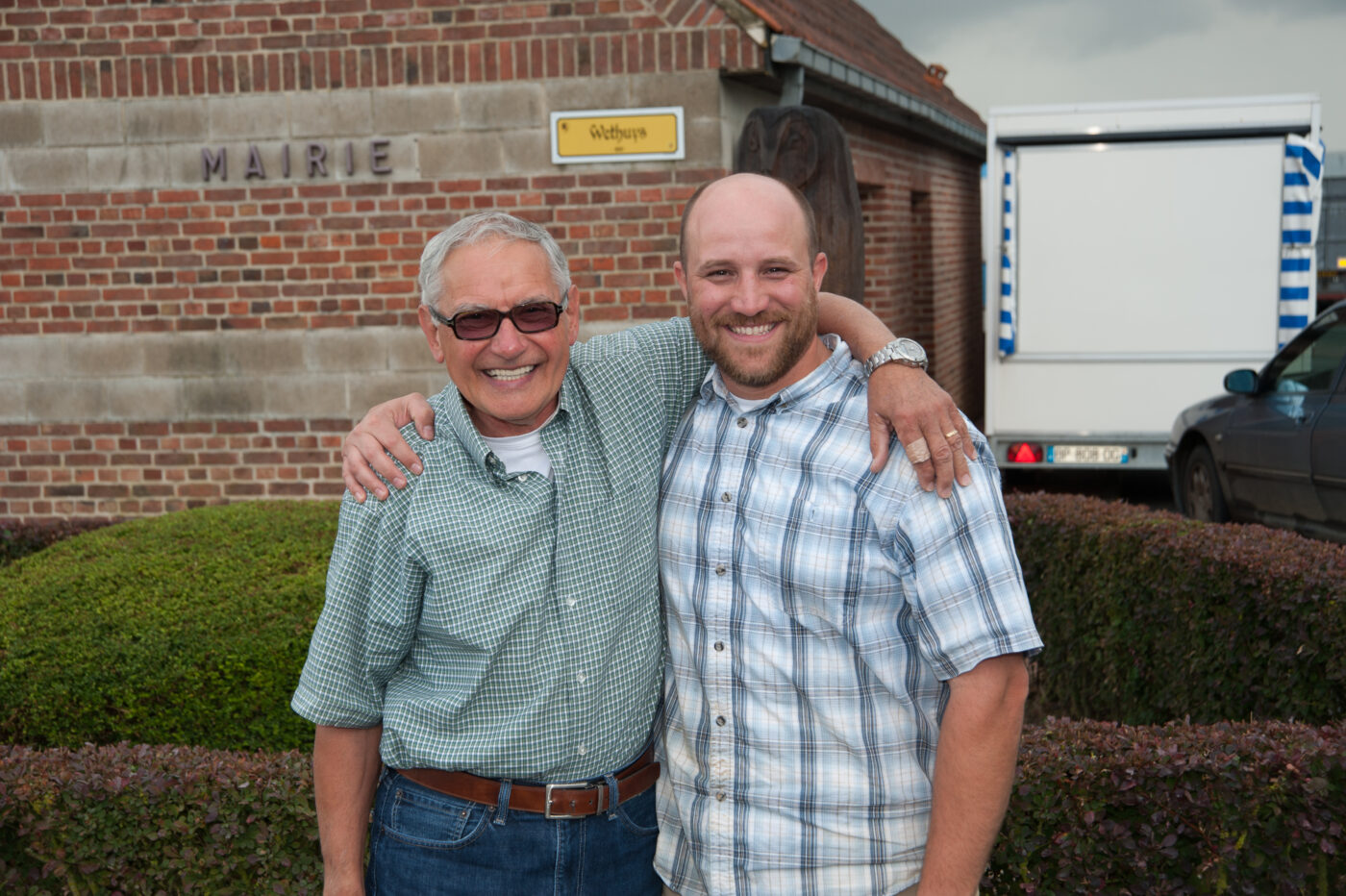
It was the UW project’s pilot recovery mission—an effort to show that academia could help recover missing service members.
But the significance of the mission became clear when Fazekas’s son came to recovery site.
He was about 9 months old when his father died. More than seven decades later, he stood on the ground where the father he never knew had been lost.
Konsitzke remembers the moment as rewarding, humbling, and deeply sad.
For the team, its purpose became unmistakable.
They were not simply recovering evidence.
They were helping a son find his father.
Konsitzke’s relationship with Frazekas’s son continued long after the excavation. The connection became a reminder that the impact of this work does not necessarily end when recovery is completed.
For a family, an identification can change what has been passed down through generations.
The Call That Changes Everything
When an identification is confirmed, a family may finally receive an answer it has awaited for years—or for generations.
An identification cannot return the years that were stolen, undo the grief, or restore the life a family imagined. It can, however, replace uncertainty with knowledge and give a family the chance to honor their loved one with a clearer understanding of what happened.
Konsitzke does not presume to describe what that moment feels like for a family. He can speak, however, to the gratitude families have shared and to the obligation that gratitude reinforces.
“This is an honorable mission, and we owe it to them for their loved one’s sacrifice,” he said.
That obligation is at the heart of the work.
Why This Work Still Matters
Some may wonder why efforts to recover missing service members continue decades after a war has ended.
The answer is simple: the promise never expired.
More than 81,000 Americans remain missing, and the U.S. government recovers and identifies roughly 200 each year. At that pace, the mission will span generations.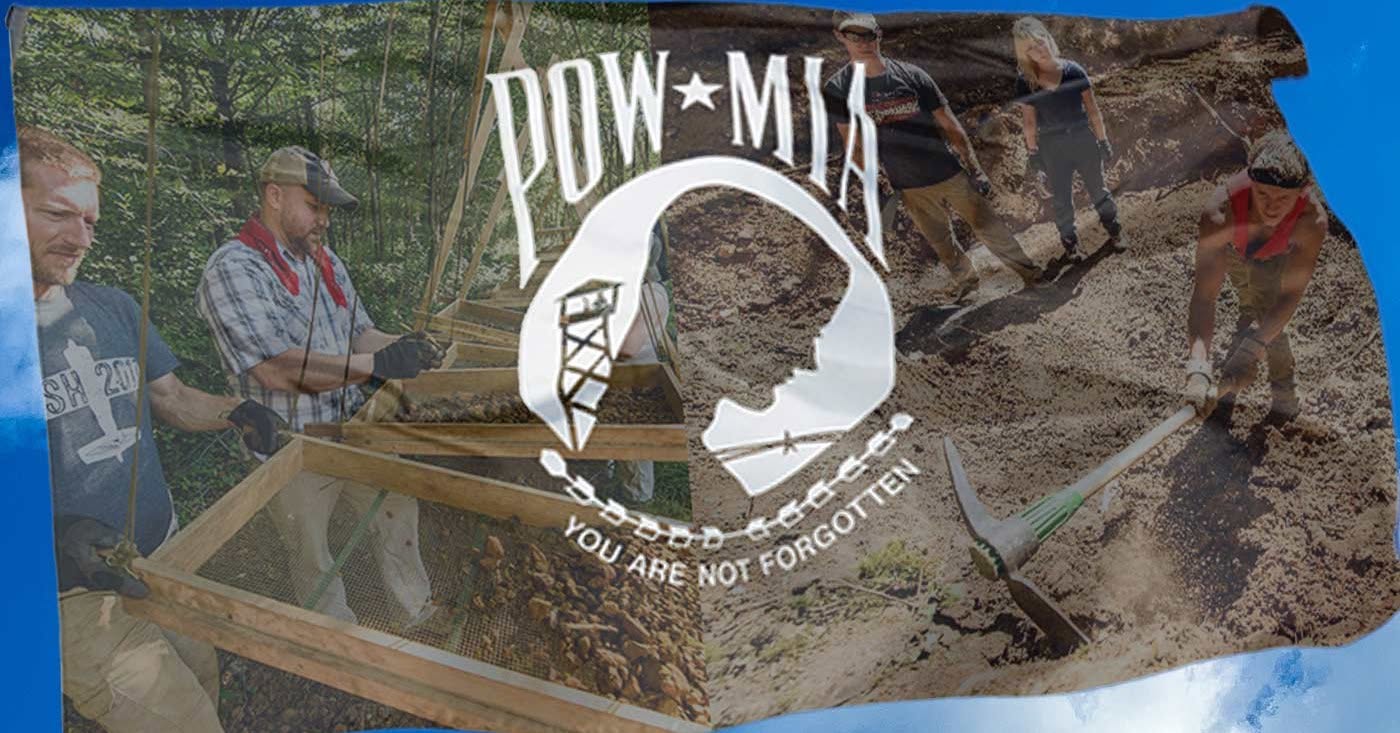
The people who never returned mattered then, and they matter now.
Their families mattered then, and they matter now.
Time does not make the debt smaller. It only makes the waiting longer.
For the people behind the UW MIA Recovery and Identification Project, this work is about more than revisiting history. It is about honoring the people behind the names, recognizing the families who have carried unanswered questions across generations, and using science, history, and persistence to restore identities lost to time.
As technologies advance, cases once considered unrecoverable may become possible to solve.
The Wall of Honor leaves visitors with the debt at the heart of the mission: “We don’t know them all, but we owe them all.”
For families still waiting, Konsitzke’s message is direct: “Don’t give up hope.”
The Defense POW/MIA Accounting Agency continues to move cases forward alongside academic and nonprofit teams, and advancing technology is making some previously unreachable cases recoverable.
Konsitzke is still in touch with Frank Fazekas’s son years after the first UW recovery mission.
Their relationship is a reminder that bringing the missing home is not simply an act of recovery.
It is a promise carried from one generation to the next.
How to Connect
Learn more about the University of Wisconsin MIA Recovery and Identification Project and its ongoing efforts to bring missing service members home. You can support this work by sharing their stories, keeping their names and sacrifices remembered, and making a donation to help advance efforts to identify and recover missing service members.