SHELTERED: When a Temporary Roof Still Isn’t Stability
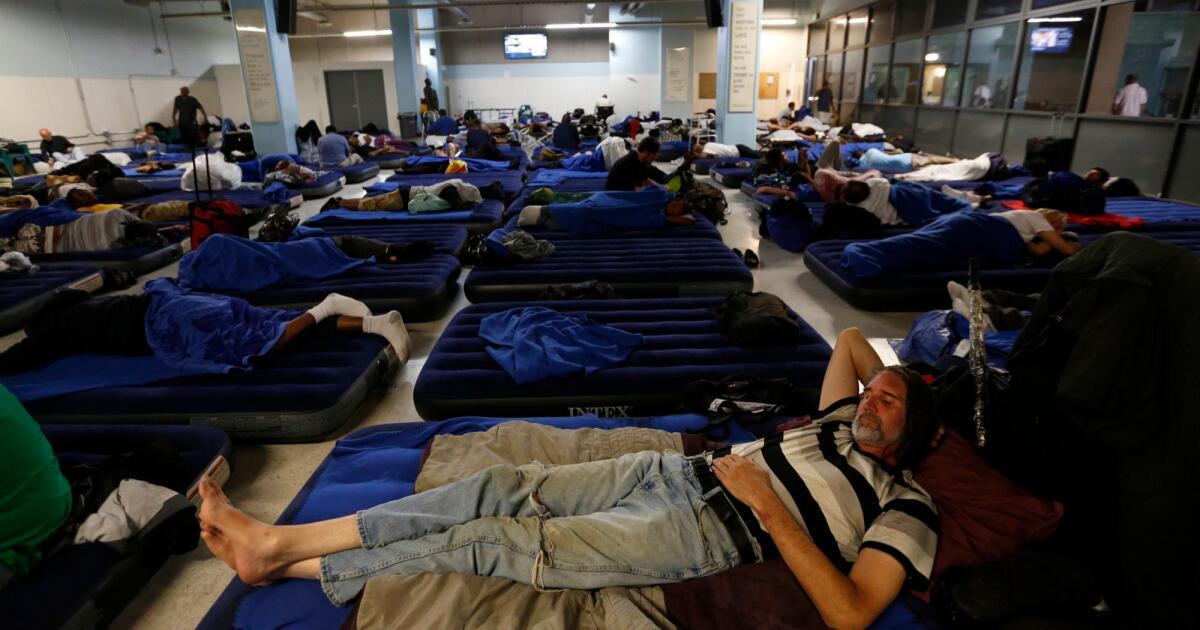
Mr. Army Strong is an Army Veteran.
He wasn’t living on the street.
He wasn’t asking for handouts.
And he wasn’t failing.
He was sheltered—living under a temporary roof, with permission—but still living without safety, certainty, or dignity.
When I first met Mr. Army Strong, he was staying in shelters for homeless men. He moved between facilities that were meant to be temporary but often became long-term holding spaces. Some nights were safer than others. Bed bugs were a constant problem. Theft was routine. Socks, underwear, personal items—things most people take for granted—would disappear.
This is what “sheltered” often looks like in real life.
What “Sheltered” Really Means
In housing systems, sheltered includes situations like:
- Emergency shelters
- PADS programs
- Couch surfing with loved ones
- Churches and community centers
- Police departments
- Hospital waiting rooms
These environments may provide a roof, but they don’t provide stability. For veterans like Mr. Army Strong—who were trained for structure and responsibility—this instability can be exhausting and demoralizing.
He wasn’t avoiding work. He was doing what he could.
The Veteran’s Voice
While living in shelters, Mr. Army Strong worked as a substitute teacher when assignments were available. His employment depended on availability, transportation, and whether he’d slept the night before without disruption. Some days he showed up to teach students. Other days he focused on surviving the system meant to help him.
He wanted consistency. He wanted to move forward. But shelter life keeps veterans stuck in reaction mode—waiting for bed counts, curfews, and placement decisions instead of planning for the future.
The Advocate’s Voice — and the Realtor’s Role
Mr. Army Strong already had a HUD-VASH voucher. That part mattered. The VA recognized his eligibility—but eligibility alone doesn’t get veterans housed.
The VA referred him to me.
I am a Veteran’s Homeless Realtor, and this is where housing becomes real. Veterans with vouchers don’t just need paperwork—they need landlords who will say yes, guidance through inspections, and someone who understands both real estate and the realities of homelessness.
Housing homeless veterans is real estate. We don’t manage people—we move them.
Housing Changes Everything
Once we secured housing, Mr. Army Strong moved into a two-bedroom townhome in a western suburb. Not a shelter. Not transitional housing. A real home.
With a door that locked.
With space to breathe.
With stability.
And almost immediately, his life expanded.
After getting housed, Mr. Army Strong secured a position at a nearby school, working as a school teacher, coach and referee. The consistency of housing allowed him to show up reliably—not just for his employer, but for himself.
He also began working on his service-connected disability claim, focusing on increasing his rating so he could plan for future homeownership. That’s the part people miss: veterans don’t stop dreaming when they become homeless—but they often have to postpone those dreams until they’re safe.
Housing gave him the space to think long-term again.
The Bigger Picture
Mr. Army Strong’s story reveals a truth we need to face head-on:
shelter does not equal stability.
Veterans can be sheltered, employed, and still trapped. Vouchers can exist without housing. Referrals can happen without results. The gap between eligibility and keys is where too many veterans are lost.
When housing strategies include professionals who understand both the system and the market, veterans don’t just survive—they move forward.
Housing is not the reward for recovery.
Housing is the foundation that makes recovery possible.
Call to Action
Veterans like Mr. Army Strong don’t need more temporary solutions. They need pathways that lead to permanent homes.
To learn more about Mission Roll Call’s work uplifting veteran voices and advancing effective housing solutions, visit our Homelessness page:
https://missionrollcall.org/spotlight-priorities/housing-and-homelessness/
Mission Roll Call is committed to listening first. If you are a veteran, family member, caregiver, or community partner, we invite you to share your story with us. Your experiences guide our advocacy and help us push for the changes veterans say matter most.
Your voice matters here. We encourage veterans, families, caregivers, and supporters to share their experiences through Mission Roll Call’s national surveys. Your stories help shape policy, raise awareness, and ensure veterans are seen and heard:
https://missionrollcall.org/veteran-voices-survey/
Understanding the truth brings us one step closer to ensuring every veteran has what they deserve: stability, dignity, and a place to call home.