Street Homeless: Seen, Helped, and Still Left Wanting More
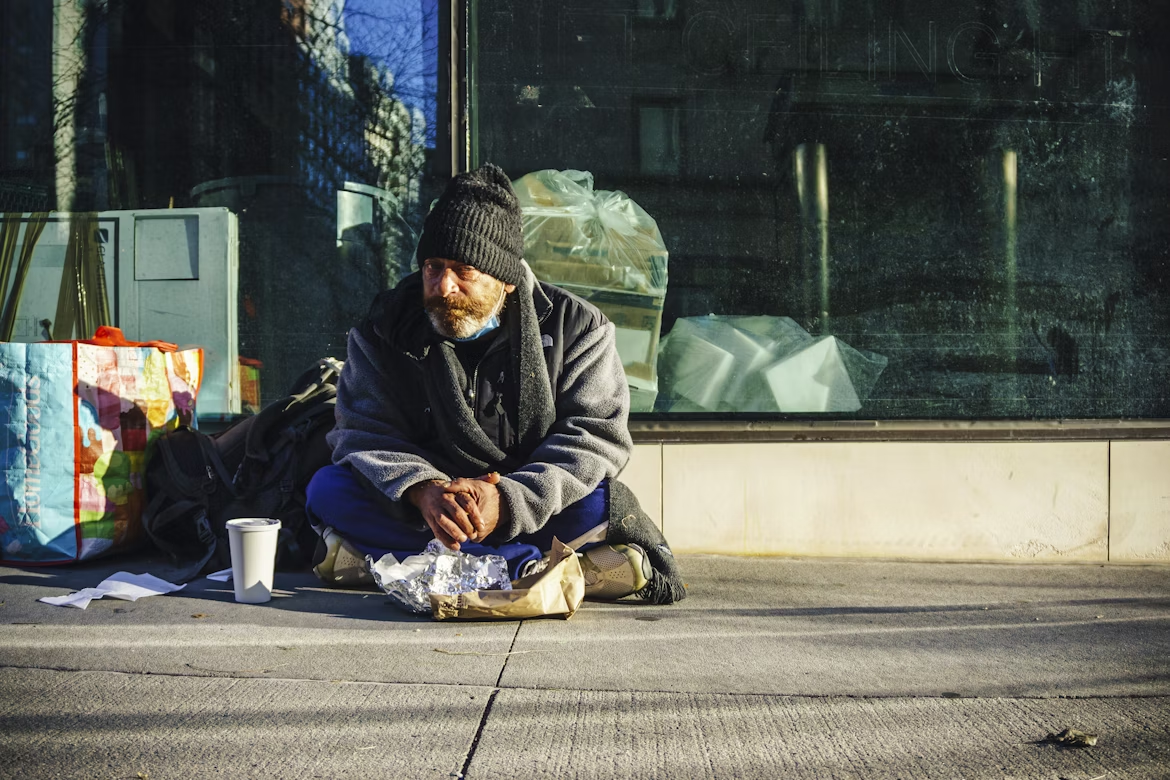
When I met Mr. Air Force, he was living in Grant Park.
Not passing through.
Not temporarily down on his luck.
Living there.
He slept outside. Carried what he owned. Watched the city wake up and go to work each morning while he figured out where he could exist without being told to move along.
This is what street homelessness actually looks like:
- Living on the street
- Sleeping in parks, buses, or trains
- Living in a car
- Moving from hotel room to hotel room
- Staying in tents or under bridges
- Sleeping in storage units like U-Haul facilities
- Sleeping in apartment hallways of loved ones
No roof. No permission. No stability.
And still—he was an Air Force Veteran.
Housing Success #1: Safety
Through HUD-VASH, we got Mr. Air Force housed for the first time in a one-bedroom apartment in South Shore. For someone coming straight from the street, this wasn’t just housing—it was stabilization.
A locked door.
A bed.
A place to sleep without fear.
That first housing success mattered.
Housing Success #2: Growth
Life didn’t pause once he was housed. Mr. Air Force rebuilt relationships. He had a family now. And the system did what it is supposed to do when it works—it adjusted.
A two-bedroom apartment, still under HUD-VASH. Housing followed the veteran, not the other way around.
Housing Success #3: Belonging
The third home was a three-bedroom apartment in Morgan Park. By then, Mr. Air Force wasn’t just housed—he was rooted.
He did the yard work.
He kept the building clean.
He greeted the landlord every morning with a steady “good morning” as she left for work.
With housing came something the street never allows—the ability to plan.
Mr. Air Force returned to college. Using his earned educational benefits, he completed his Bachelor’s degree, looking ahead to a better future and something more permanent than survival.
That is what stable housing makes possible.
The Part We Still Don’t Talk About Enough
Mr. Air Force experienced housing success three times.
He did everything right.
And he still passed away without ever owning a home.
Homeownership was always his goal. Not excess—security, permanence, and a future no one could take from him.
As a Licensed Realtor, I don’t just place veterans into housing—I help them move along a continuum that leads to homeownership. I have seen what happens when veterans are given not only keys, but a clear path forward. That path exists—but it is not built into our current system.
This is where the system stopped short.
Housing gave him safety.
Housing gave him growth.
Housing gave him dignity.
But there was no structured bridge from stabilization to ownership.
The Hard Truth
HUD-VASH works. This story proves it.
But for veterans coming directly from the street, housing placement cannot be the end of the conversation. If we fail to intentionally connect housing to homeownership pathways, we are managing homelessness—not ending it.
Mr. Air Force mattered.
His progress mattered.
His vision for a better future still matters.
Rest in peace, my friend. Your life continues to teach us what must change.
Until policymakers acknowledge that housing is the first step—and homeownership is the destination—HUD-VASH veterans will continue to be stabilized without ever reaching true permanence.
Housing Strategy: HUD-VASH
To learn more about Mission Roll Call’s work uplifting veteran voices and advancing effective housing solutions, visit our Homelessness page:
https://missionrollcall.org/spotlight-priorities/housing-and-homelessness/
Mission Roll Call is committed to listening first. If you are a veteran, family member, caregiver, or community partner, we invite you to share your story with us. Your experiences guide our advocacy and help us push for the changes veterans say matter most.
Your voice matters here. We encourage veterans, families, caregivers, and supporters to share their experiences through Mission Roll Call’s national surveys. Your stories help shape policy, raise awareness, and ensure veterans are seen and heard:
https://missionrollcall.org/veteran-voices-survey/
Understanding the truth brings us one step closer to ensuring every veteran has what they deserve: stability, dignity, and a place to call home.