UNHOUSED: When a Roof Exists, but Safety and Stability Do Not
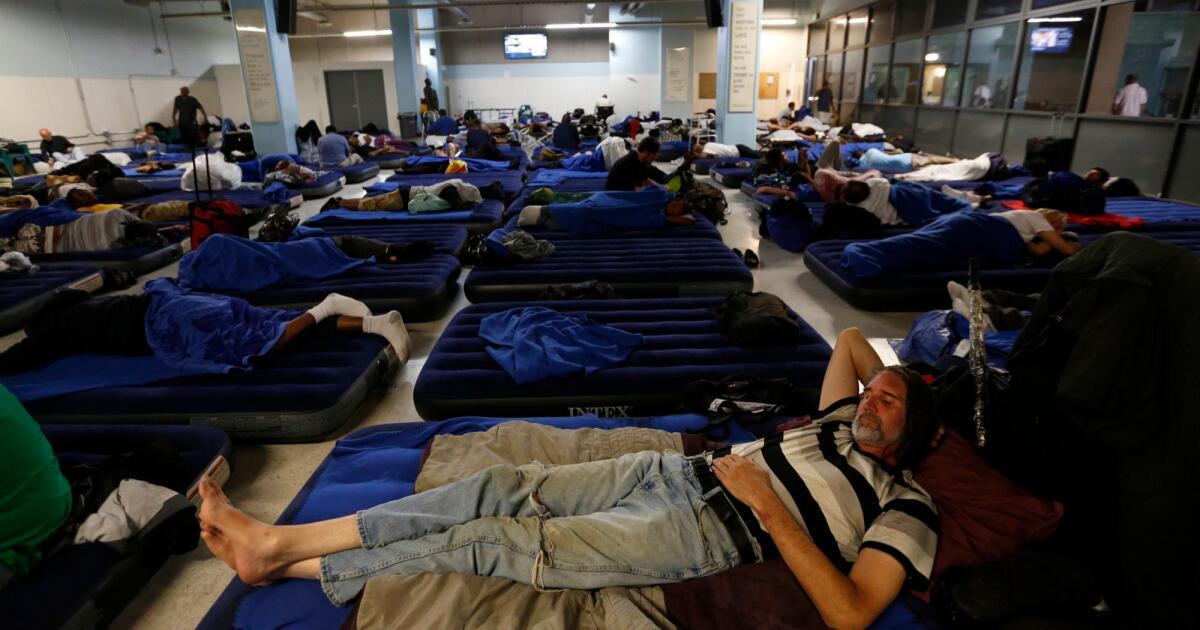
When people think of homelessness, they imagine someone sleeping outside. What they rarely picture is a veteran, his spouse, and nine children living inside an abandoned house—because that was the only option left.
Mr. Navy, a U.S. Navy veteran, and his family were unhoused—under a roof without permission.
They weren’t careless.
They weren’t avoiding help.
They had a seven-bedroom Cook County housing voucher in hand.
What they didn’t have was a housing market willing to work with a family that large.
Surviving Inside an Abandoned Home
The house in Chicago Heights had no running water. A hose was used for basic needs. There was a hole in the kitchen floor so large you could see straight into the basement.
Nine children under the age of 18 lived there.
From the outside, it looked like shelter. From the inside, it was constant risk—health, safety, and fear of being discovered and displaced overnight.
This is what happens when families fall into the gap between policy and reality.
The Myth of “Having a Voucher”
On paper, Mr. Navy’s family was housed-ready. In practice, landlords wouldn’t touch the voucher. Seven-bedroom units are rare. Owners don’t want inspections, perceived risk, or large families.
So the system quietly forces families to improvise—and then judges them for it.
This family didn’t need more paperwork.
They needed a housing strategy.
Strategy Is What Changed Everything
I worked with an investor who was actively rehabbing a seven-bedroom single-family home—a property built for a family this size. The rehab was aligned with the voucher requirements. The inspection passed. The numbers worked.
For the first time in a long time, the family moved into housing with permission.
That shift—legal, stable housing—changed everything.
From Stabilization to Ownership
Once housed, Mr. Navy could finally focus on rebuilding—not surviving. Over time, he stabilized income, rebuilt credit, and re-entered the system on different footing.
Years later, he was approved for a VA home loan and purchased a single-family home using the benefit he earned through his service.
This didn’t happen overnight.
It happened because housing came first.
Why This Story Matters
Unhoused veterans are often invisible because they don’t fit the stereotype. Families like Mr. Navy’s are labeled “hard to house” when the truth is simpler: the system is not designed to meet them where they are.
Housing isn’t just shelter.
It’s the platform that makes everything else possible.
And when we get the strategy right, veterans don’t just survive—they move forward.
To learn more about Mission Roll Call’s work uplifting veteran voices and advancing effective housing solutions, visit our Homelessness page:
https://missionrollcall.org/spotlight-priorities/housing-and-homelessness/
Mission Roll Call is committed to listening first. If you are a veteran, family member, caregiver, or community partner, we invite you to share your story with us. Your experiences guide our advocacy and help us push for the changes veterans say matter most.
Your voice matters here. We encourage veterans, families, caregivers, and supporters to share their experiences through Mission Roll Call’s national surveys. Your stories help shape policy, raise awareness, and ensure veterans are seen and heard:
https://missionrollcall.org/veteran-voices-survey/
Understanding the truth brings us one step closer to ensuring every veteran has what they deserve: stability, dignity, and a place to call home.