The Keys That Changed Everything – America’s Homeless Vets
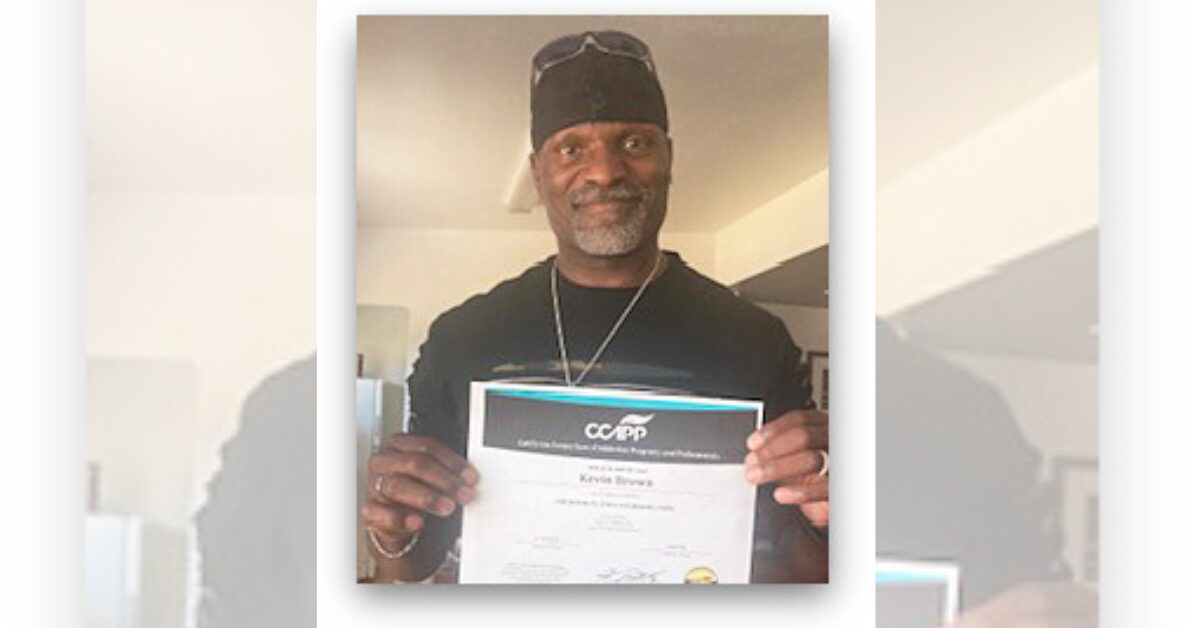
How America’s Homeless Veterans Helped Raphael Find His Way Back
A key. A hanger. A closet to call his own.
When Raphael told Randall Britt those three things could change his life, Randall did not file the thought away or add it to a grant proposal. He bought a house.
That house became the foundation of what America’s Homeless Veterans does and how it does it: listening to what a veteran actually needs, then doing whatever it takes to provide it. The Sacramento-based nonprofit has been working to eradicate veteran homelessness one veteran at a time ever since, starting with a roof, a key and the sustained support to make it last.
The Crisis Behind the Calling
Raphael’s story is one of tens of thousands. According to the 2024 HUD Annual Homelessness Assessment Report, approximately 32,882 veterans were experiencing homelessness on a single night in January 2024, the lowest point-in-time count since HUD began tracking in 2009. That number reflects only those sleeping in shelters or unsheltered locations. The veterans cycling through motels, going from couch to couch, or living in their cars are not captured in that figure, and historical patterns suggest the annual total can run nearly twice the single-night count.
The relationship between veteran homelessness and substance use is well documented. Research indicates that two-thirds of homeless veterans struggle with substance abuse, and nearly half face a dual diagnosis of both mental illness and substance use disorder. Veterans diagnosed with a drug use disorder are more than twice as likely to experience homelessness than those without one. Veterans who complete detox only are approximately 1.5 times more likely to relapse than those who go through a full residential rehabilitation program, according to veteran addiction research.
For Randall Britt, the founder of AHVets, the crisis was never abstract. He grew up in a military family, an Air Force brat who understood from an early age both the pride of service and the cost that can come with it. Long before he started the organization, he was sitting in parks, bringing Subway sandwiches to homeless veterans over lunch, listening to their stories and feeling the weight of a moral obligation taking shape.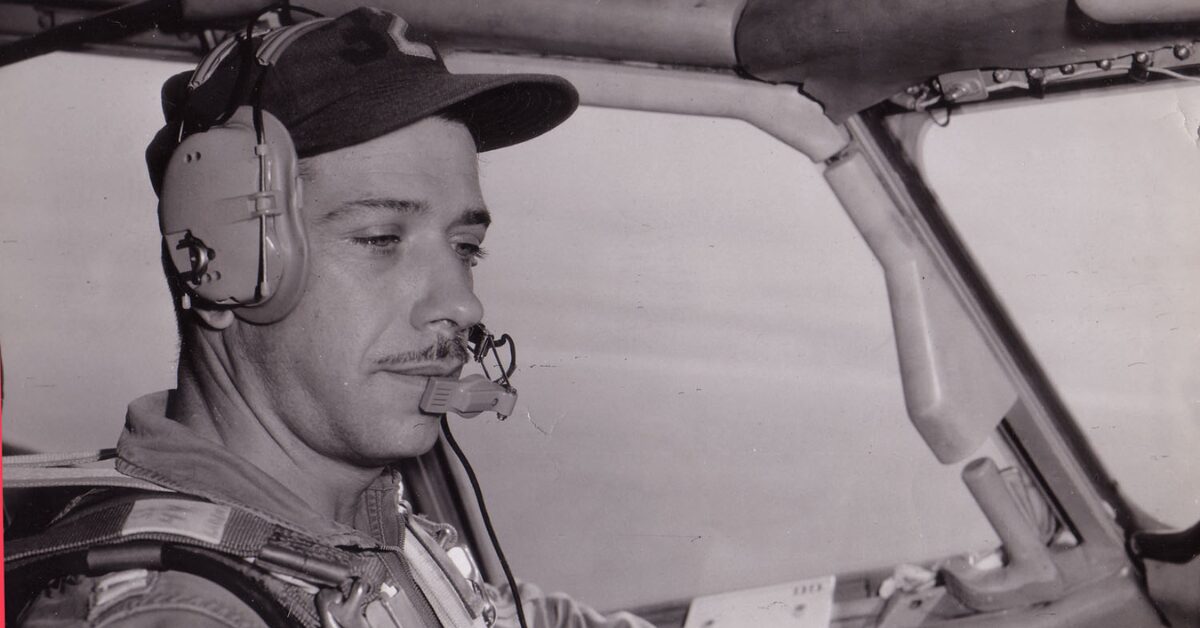
“What started out as Subway sandwiches in the park meeting homeless veterans for lunch became more,” Randall said. “I reached a point where I felt a moral obligation to do something about what I saw. That became the foundation of America’s Homeless Veterans.”
What keeps him going, he says, is the people. Every veteran who gets sober, finds housing, reconnects with family or simply feels seen again is a reminder of why the work matters. “This work is about restoring dignity, purpose and belonging to people who once stood up for all of us,” Randall said. “Until fewer veterans are sleeping on the streets and more are finding a path forward, there is more work to do.”
Veterans Helping Veterans
America’s Homeless Veterans, known as AHVets, was built around a straightforward premise: the people best positioned to help veterans navigate the path from homelessness to stability are those who have walked it themselves. The organization is comprised of veterans helping veterans, using firsthand experience to bridge the distance between military service and civilian footing.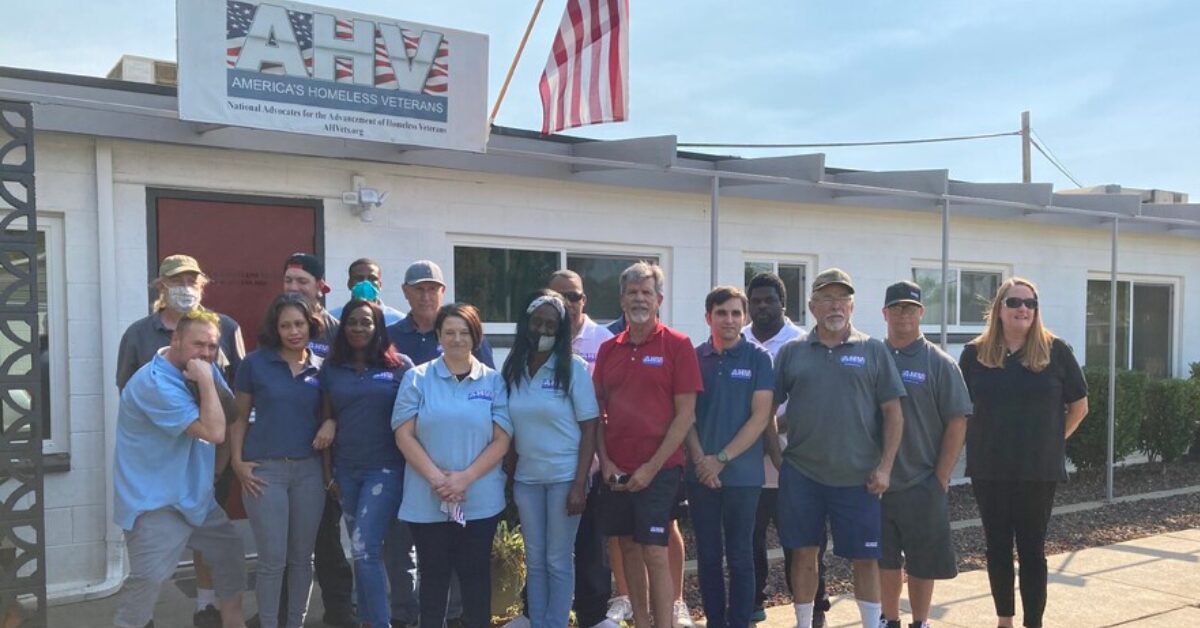
AHVets operates a medically supervised residential treatment center for alcohol and substance use disorders in the Sacramento area, staffed with licensed and certified substance abuse counselors, VA-approved and open around the clock. Treatment is the entry point, and what surrounds it is equally intentional. AHVets works to secure donated, blighted and abandoned properties and rehabilitates them using veteran labor through their Training and Rehabilitation Program, supervised by volunteer licensed contractors. Veterans are then placed in those homes with rents backed by public and private benefits, connected to landlords willing to work with them and provided transportation to appointments so that logistics never become the reason someone falls through the cracks.
“There is no one real solution,” the organization writes, “but showing compassion for the person holding the cardboard sign is a start.” Getting a veteran off the street and into a home, they note, takes about $500. Keeping them there costs approximately $25 a month.
“When a veteran comes into America’s Homeless Veterans for the first time, the most important thing we want them to feel is that they are safe, respected and not alone,” Randall said. “Many arrive carrying years of trauma, instability, addiction or distrust of systems, so the first step is building trust.”
The intake process begins with listening, a one-on-one conversation to understand where a veteran is physically, emotionally, financially, and medically. From there, the focus is stabilization: detox placement, treatment referrals, emergency housing, food, clothing, transportation and connection to VA benefits. Once a veteran begins to settle, the structure takes over. A typical day can include recovery meetings, peer support, case management, counseling, wellness activities and job readiness support. What makes AHVets distinct, Randall notes, is that many of the people doing the helping have lived experience of their own. “Veterans often respond differently when they know the person across from them truly understands military culture, trauma, addiction or homelessness firsthand,” he said. “Recovery is bigger than sobriety or housing. It is about helping someone reconnect with identity, family, responsibility, and hope for the future.”
Looking ahead, AHVets has a long-term vision for a Veterans Ranch, a five-plus acre development near the Mather VA Hospital in Sacramento County that would expand their substance abuse treatment program and add transitional and permanent housing alongside mental health programming that includes equine and dog rescue, agricultural work and solar-powered construction. The intent is a place where veterans have a home and a sense of purpose to go alongside it.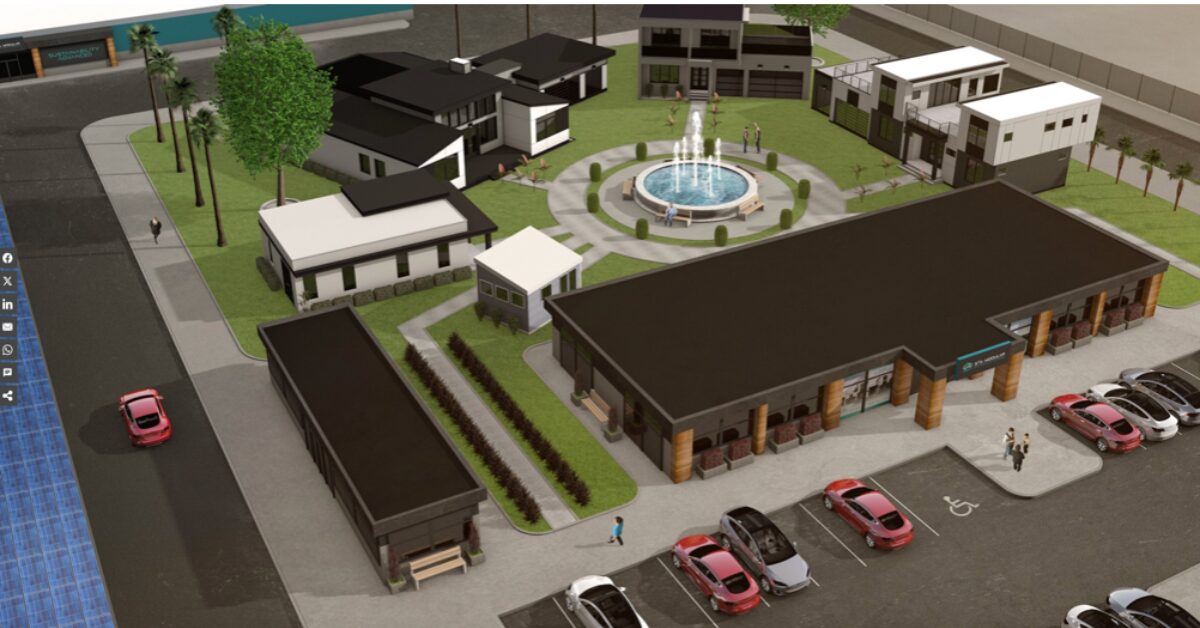
“The vision for the Veterans Ranch is still very much alive,” Randall said, “but the reality is we have not yet been able to secure the property or land partnership needed to bring it fully to life. That has probably been one of the hardest parts of this journey. A lot of people say they want to help veterans, and many genuinely care, but turning words into action is a very different thing.”
The vision, as Randall describes it, was never just about buildings. It was about creating a true community, a place where veterans could feel safe, supported and connected again, surrounded by others who understand what they have been through. Transitional and permanent housing, recovery support, peer mentorship, job training, community gardens and counseling spaces would all exist under one roof, alongside a planned Reboot Camp designed to help veterans learn how to be civilians again. “Imagine a veteran coming out of detox or homelessness,” Randall said, “and instead of returning to instability, they arrive at a community designed for recovery, accountability and purpose. That changes outcomes. It changes lives.” For now, the vision is waiting for the right partnership to bring it to life, and Randall is not letting go of it. “The dream is still there because the people are still there.”
A Key, a Hanger and a Closet to Call His Own
Raphael had been through detox before, and he knew exactly how it ended. He would check in, get through withdrawal, leave with good intentions and find himself facing the same wall: nowhere to go, no stability on the other side of treatment, and a weight he could not carry sober. When he arrived at AHVets, he carried with him the exhaustion of someone who had tried and failed to break free from addiction more times than he wanted to count. The familiar pattern of seeking detox, experiencing withdrawal and relapsing had worn him down. This time he was determined to do something different, and entering residential treatment meant, for the first time in a long while, that he would have a stable roof over his head.
What loomed ahead, though, was the same fear that had tripped him up before. What happens when treatment ends? In the past, leaving detox had meant walking back into homelessness, and homelessness was a weight he could not carry sober. During one of their early conversations, Raphael told Randall that having a key and a hanger could make all the difference, that a room with a closet to call his own represented something he had gone without for too long: a place in the world that belonged to him.
Randall had already bought the house by then.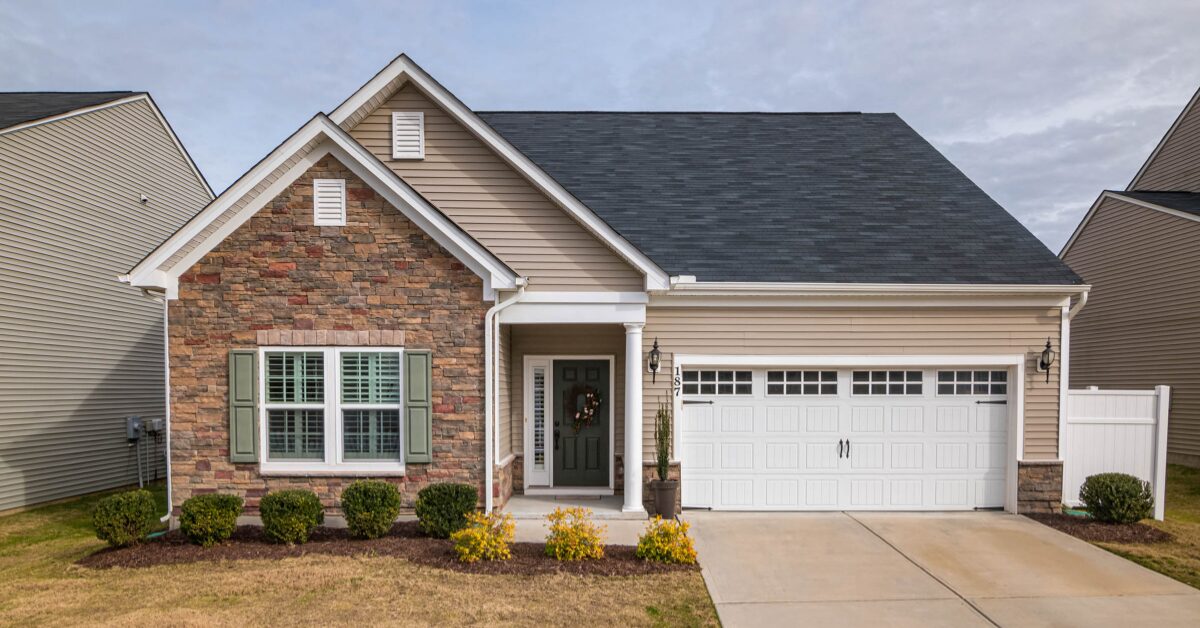
It became a place where veterans completing treatment but with nowhere safe to return to could live, stabilize and rebuild. Some had places they could technically go back to, but the pull of old environments made that return a risk. They needed somewhere new, and Raphael was among the first to move in. He got a key to his own room, a closet and a hanger.
The Jingling of Keys
Raphael began attending Alcoholics Anonymous meetings and showing up regularly enough that he became a familiar face, then a fixture. Eventually he was asked to make and set out the coffee before each meeting, a role that came with a key to the supply cabinet. When he was later asked to chair a meeting, he went from sitting in the audience to standing at the front of the room, guiding others through the same recovery journey he was still walking. That responsibility came with another key, this one to the meeting hall itself.
Each key, as Randall tells it, represented something earned: trust, accountability and a growing sense of responsibility to something larger than himself. Raphael began stopping by Randall’s office every day, a practice he calls “paying the rent,” by which he means showing up, staying honest and honoring the commitment he had made to himself and to the people who had invested in him. He got a car, and with the car came a key ring that held every key he had accumulated along the way. The jingling of that key ring became, as Randall describes it, a symphony of trust and empowerment.
“Raphael’s story is a reminder of why this work matters,” Randall said. “Today, his life looks very different. He has stability, purpose and something many people take for granted: the belief that tomorrow can actually be better than yesterday.”
What makes the story resonate, Randall says, is not the recovery itself but the transformation behind it. “When someone begins to regain dignity, reconnect with responsibility, rebuild relationships and start believing in themselves again, you are witnessing more than sobriety or housing,” he said. “You are witnessing someone reclaim their identity.” For Randall, Raphael represents what becomes possible when a person is not discarded or written off at their lowest point. “His journey reinforces something we see every day: many people experiencing homelessness or addiction are not beyond help. They are beyond support. Once that support appears, lives can change dramatically.”
What This Work Actually Requires
Raphael’s story is about a veteran who was ready to do the work and found an organization willing to meet him where he was, give him what he needed and trust him with more as he earned it. That approach – patient, individualized, and built on genuine relationships – is what AHVets brings to a problem that resists easy answers.
Nearly half of all veterans are unaffiliated with the VA or a veteran service organization, which means the community-level organizations filling these gaps are not supplementary to the larger system. They are load-bearing. AHVets operates with that weight in mind, tailoring services to the individual and drawing on a volunteer network of professionals including doctors, dentists and mental health advocates who give their time because they believe these veterans deserve more than a referral and a wait.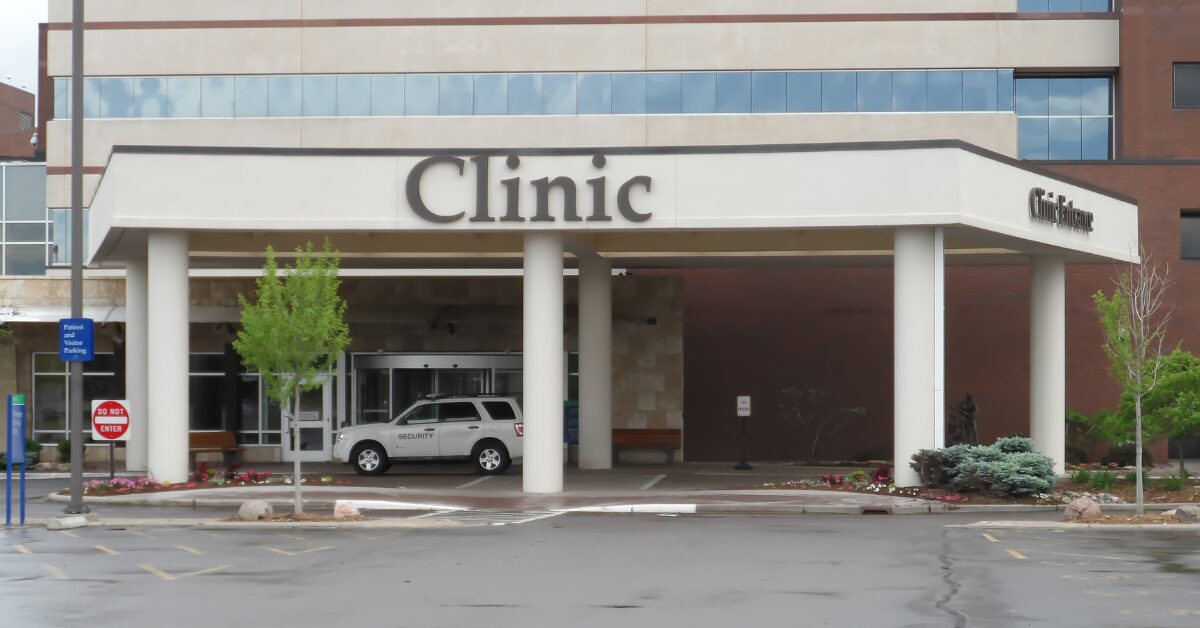
“What I wish more people understood is that helping a veteran move from homelessness to stability is a process of rebuilding a life piece by piece,” Randall said. “Most people see homelessness as just a housing problem, but for many veterans it is tied to trauma, addiction, mental health struggles, loss of identity, broken relationships, financial hardship and years of feeling disconnected from society. Giving someone a bed for a night is important, but real stability requires much more than temporary shelter.”
He also wants people to understand the invisible weight veterans carry after service. When someone leaves the military, Randall notes, they can lose structure, purpose, brotherhood and identity almost overnight. The transition from soldier to civilian is rarely as clean as it looks from the outside, and for veterans who are already struggling, it can be the moment everything starts to unravel.
“Raphael’s experiences at America’s Homeless Veterans showed him the power of positive energy and the willingness of others to help those in need,” Randall writes. “He discovered that if he asked for something, there were people ready to support him.”
Today, Raphael is the one at the front of the room, the one other veterans look to, holding a key ring full of hard-won proof that the cycle can be broken and that sometimes all it takes to start is a key, a hanger and someone willing to open the door.
How to Help
AHVets serves veterans across the Sacramento area and Northern California. To learn more, donate or refer a veteran in need, visit ahvets.org or call 916-376-7400.
Find support through the Veteran Resource Directory at Mission Roll Call. Search “Homelessness” or “Housing” to connect with organizations in your community doing this work every day.