What My Therapist Wished I’d Known Before I Left the Service – A Mission Roll Call Series
Before the Uniform Comes Off
There is a moment that almost every veteran describes, though they each find different words for it.
It is not the deployment. It is not the homecoming. It is not even the retirement ceremony, if they are lucky enough to have one. It is the moment after all of that, when the structure that has held their life together for years, sometimes decades, quietly lifts. When the phone stops ringing the way it used to. When a Tuesday afternoon belongs to no one but them, and that freedom feels less like relief and more like standing in a room where all the furniture has been moved.
Most service members spend years preparing for the operational side of military life. They train for the mission, the deployment, the next promotion. Very few prepare for the psychological experience of leaving. Not because they are not capable of it, but because no one really tells them they need to.
That is what this series is about.
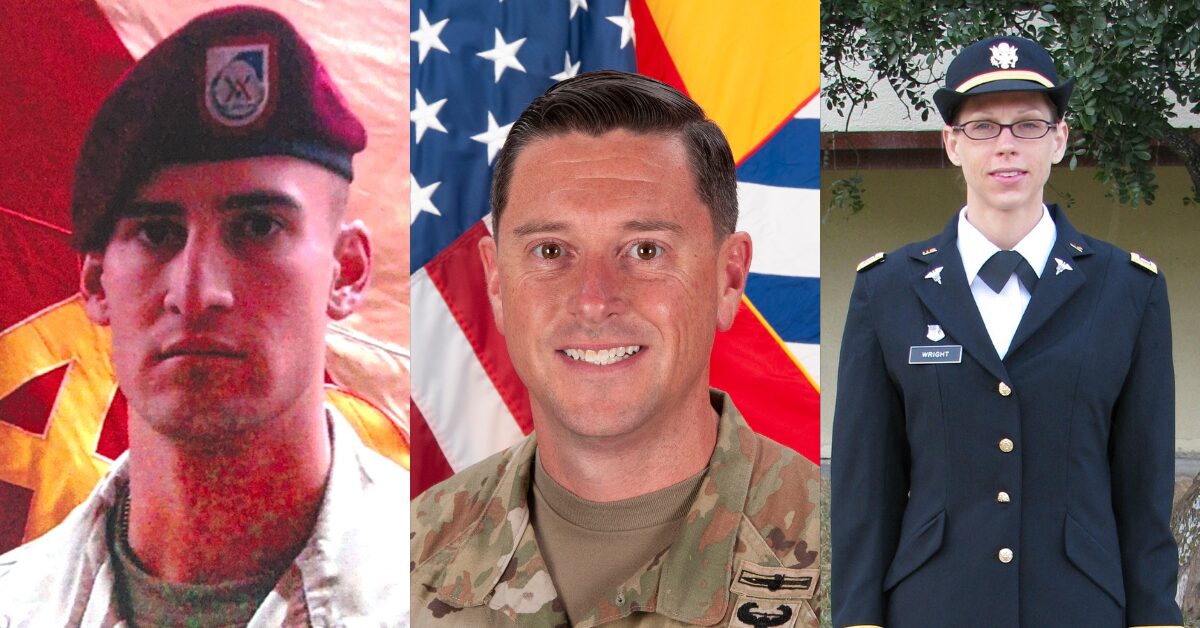
Over the past several weeks, Mission Roll Call sat down with three people who have something important to say about mental health and military transition. Two of them are veterans living it right now, fresh out of uniform and finding their footing in a world that does not run on formations and battle rhythms. One of them is a licensed clinical social worker who has spent nearly two decades in uniform watching veterans navigate this exact moment, and who joined the Army in the first place because she could not stand watching them do it alone.
Shawn Batien served 25 years in the Army, spent the bulk of his career in the Special Operations community, and retired in March of 2026 as a Sergeant Major. He did almost everything right to prepare. He still did not know what to do with his hands when someone finally told him he was done.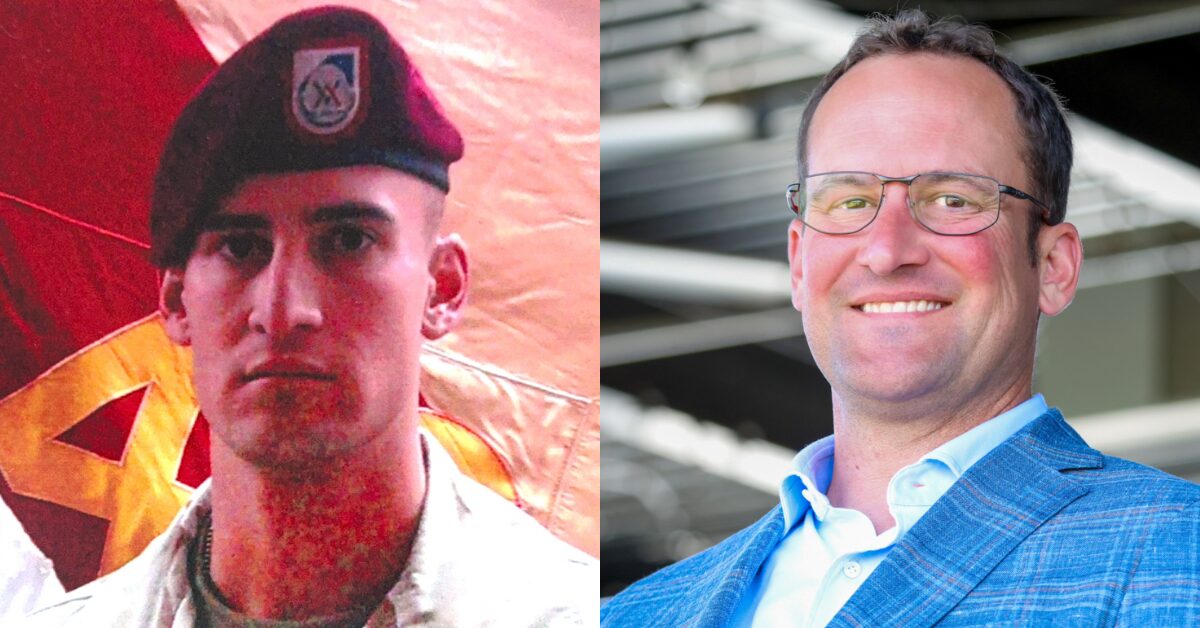
Brandon Rudder served nearly 23 years, completed 15 deployments, and retired as a Brigade Command Sergeant Major, one of the most demanding leadership roles in the enlisted Army. He spent his entire career being the person who solved problems for everyone else. Learning to solve his own has been a different kind of mission.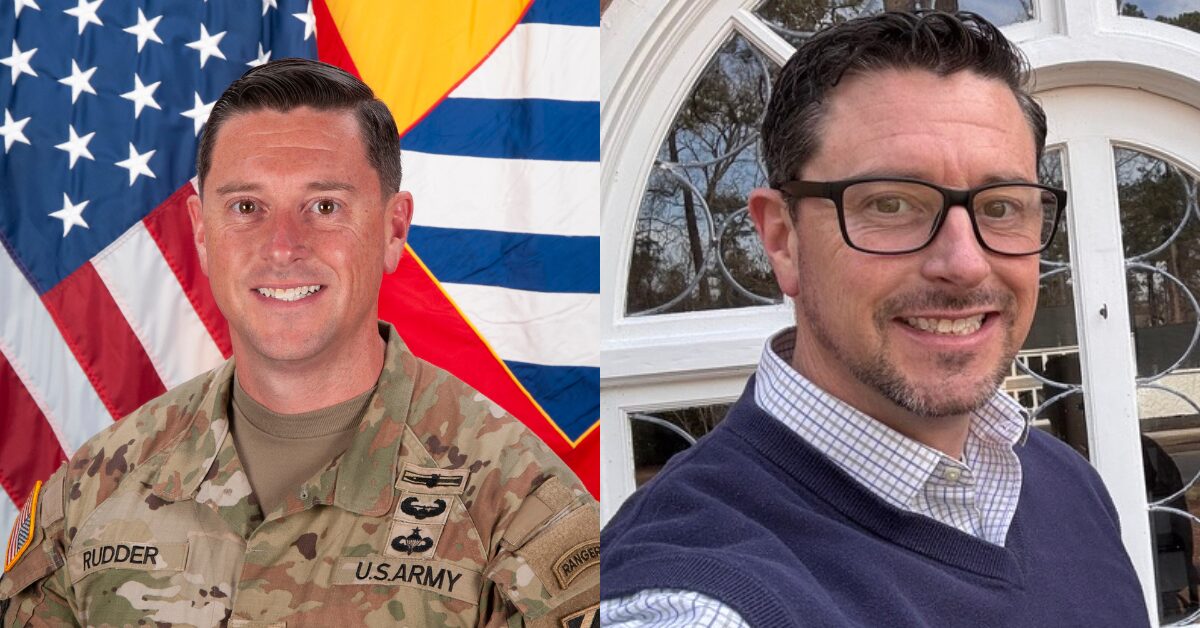
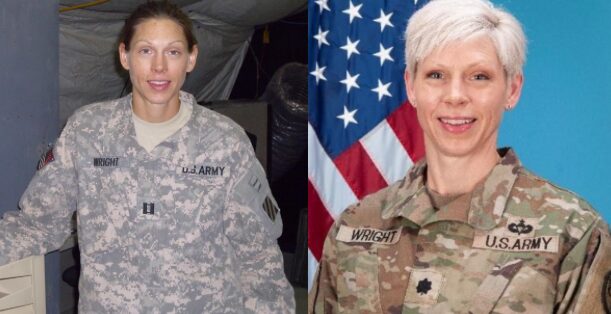
Gina Wright joined the Army as an already-established clinician because she wanted to help soldiers at a different level. She has spent 18 years doing exactly that, and she has something to say about what the system gets right, where it still falls short, and what she wishes she could tell every service member on their very last day in uniform.
Their stories are different. Their paths look nothing alike. But they are all pointing toward the same truth.
Transition is not just logistical. It is deeply human. And the people who come through it best are the ones who let themselves be human about it.
The series begins now.
____________________________________________________________________________________________________________________________________
Part One: The Handoff — Shawn Batien’s Story
Part Two: The Last to Put Himself First — Brandon Rudder’s Story
Part Three: From the Other Side of the Desk — Gina Wright’s Story
Mission Roll Call’s Veteran Resource Directory is a free, searchable database of nonprofit organizations and veteran service organizations ready to provide support during and after military transition. Visit missionrollcall.org to find resources near you.
If you or someone you know is struggling, the Veterans Crisis Line is available 24 hours a day, 7 days a week. Call 988 and press 1, text 838255, or chat online at veteranscrisisline.net.